On the request of @wildbirdtrust (Botswana), we have since taken down our page profiling the Okavango Delta Conservation Science Symposium 2025
We apologise for the inconvenience.
Preliminary findings on Okavango Wattled Crane movement patterns and breeding success: @CraneWattled says tagged cranes use roughly 3km radius daily, with nesting confined to specific parts of Delta. Future work will assess potential extinction risk.
https://t.co/f2Dlde2Mse
@vkmuposhi of @BuanOfficial addresses escalating challenges of human-elephant conflicts in northern Botswana. His research evaluates innovative solutions such as drone-assisted hazing and participatory land-use planning to promote sustainable coexistence.
https://t.co/f2Dlde3khM
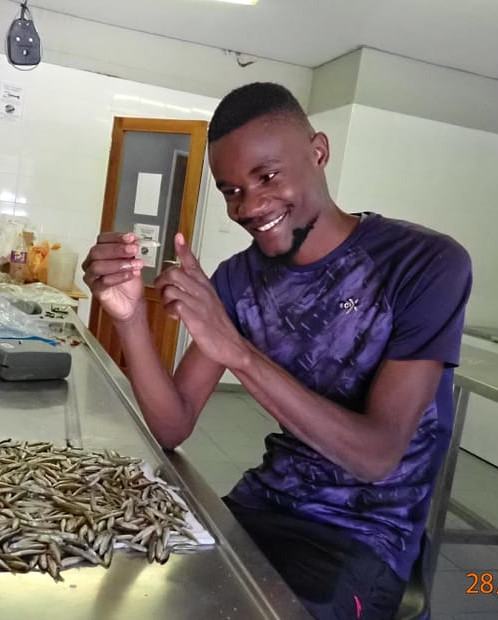
Namibia's Ministry of Fisheries and Marine Resources' @MuundaVilio investigates how small-scale inland fisheries combat malnutrition, focusing on high micronutrient content of freshwater fish, essential for addressing dietary deficiencies among children.
https://t.co/f2Dlde3khM
@ubbotswana's @mmurrayhudson explores how the Okavango Delta's unique hydro-climate pulses (seasonal, multi-decadal, and centennial) drive its exceptional biodiversity. Dynamic water and sediment flows create diverse habitats, supporting various species.
https://t.co/f2Dlde3khM
Vulture Diets in Botswana
@Fitztitute, @wildbirdtrust's @cranewattled from tracked vulture feeding behavior using GPS. By analyzing movement patterns of tagged vultures, he observed that vultures primarily feed on wild ungulates, with elephants being the most frequent prey.
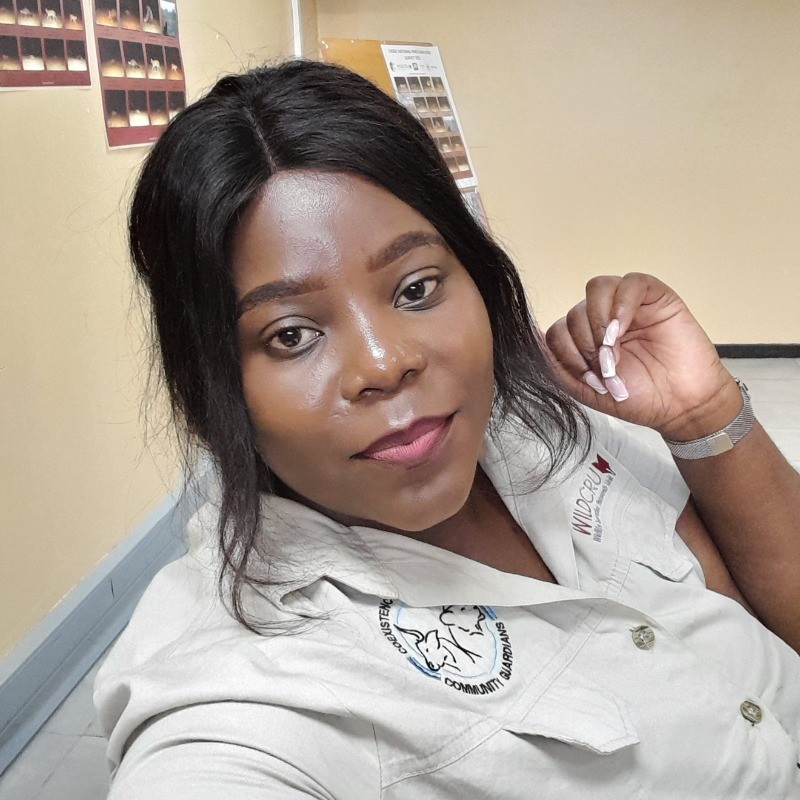
@KediSelume from WildCAT Botswana emphasises stakeholder participation in land use planning for sustainable development. She demonstrates how the Land Use Conflict Identification Strategy (LUCIS) mitigates conflict, balancing priorities among land users.
https://t.co/f2Dlde2Mse
@babokikay from @UBBotswana emphasizes participatory development communication (PDC) in natural resource management. Fostering trust, openness, and inclusivity among stakeholders enhances biodiversity conservation and climate change adaptation strategies
https://t.co/f2Dlde3khM
The State of Conservation Science in the Okavango Delta.
@biustbw's @Gofaona studies the effects of Salvinia molesta on the Delta’s biodiversity. Early results show reduced species diversity, lower oxygen, and hindered photosynthesis in native plants.
https://t.co/f2Dlde2Mse
@goetzneef pioneers environmental DNA (eDNA) metabarcoding to monitor Okavango Delta's fish diversity. Through water sampling complemented with sediment analysis, the non-invasive method is a cost-effective alternative/complement to traditional surveys.
https://t.co/f2Dlde2Mse
@WildZarah's research at @UBBotswana examines how climate variability affects tsessebe and zebra movements in the Okavango Delta. She reveals species-specific adaptations to environmental changes, emphasizing the need for tailored conservation strategies.
https://t.co/f2Dlde2Mse
@MuundaVilio's recent study highlights a significant bias in Namibian freshwater fish research, with larger species like those in the Cichlidae family receiving more attention than smaller, less-studied species such as those in the Cyprinidae family.
https://t.co/f2Dlde2Mse
Best post of the year, hands down.
@natgeo chronicles the adventures of @CraneWattled in their research on Okavango Wattled Cranes.
#OkavangoOrnithology
https://t.co/1XKfbQZJ4e
Well as @NatGeo Explorer, you learn even more from listening.Patience to even listen is a virtue.Had insightful conversations with wonderful explorers at #NatGeoFest.Photos by Abram Eric Landes and Joy Asico-Smith. Thanks @NatGeo ,@wildbirdtrust ,@intotheokavango ,#ornithology