🚨 Deadline extension klaxon! 🚨
Due to technical issues today, the PCCS 2026 London abstract submission deadline has been extended by 24 hours.
🕔 Final final deadline: 5:00 pm, Monday 15 June
That’s one extra day for final tweaks, bold ideas, and hitting submit.
1/2
PCCS 2026 Abstract deadline extended to 14 June
⏰ Only 14 days left! Don’t miss your chance to present, and shape the future of paediatric critical care.
Submit: https://t.co/ipRSe1HKZG
⏰ 7 days left! Submit your PCCS 2026 abstract before 31 May. Don’t miss your chance to present, and shape the future of paediatric critical care.
Submit: https://t.co/ipRSe1HKZG
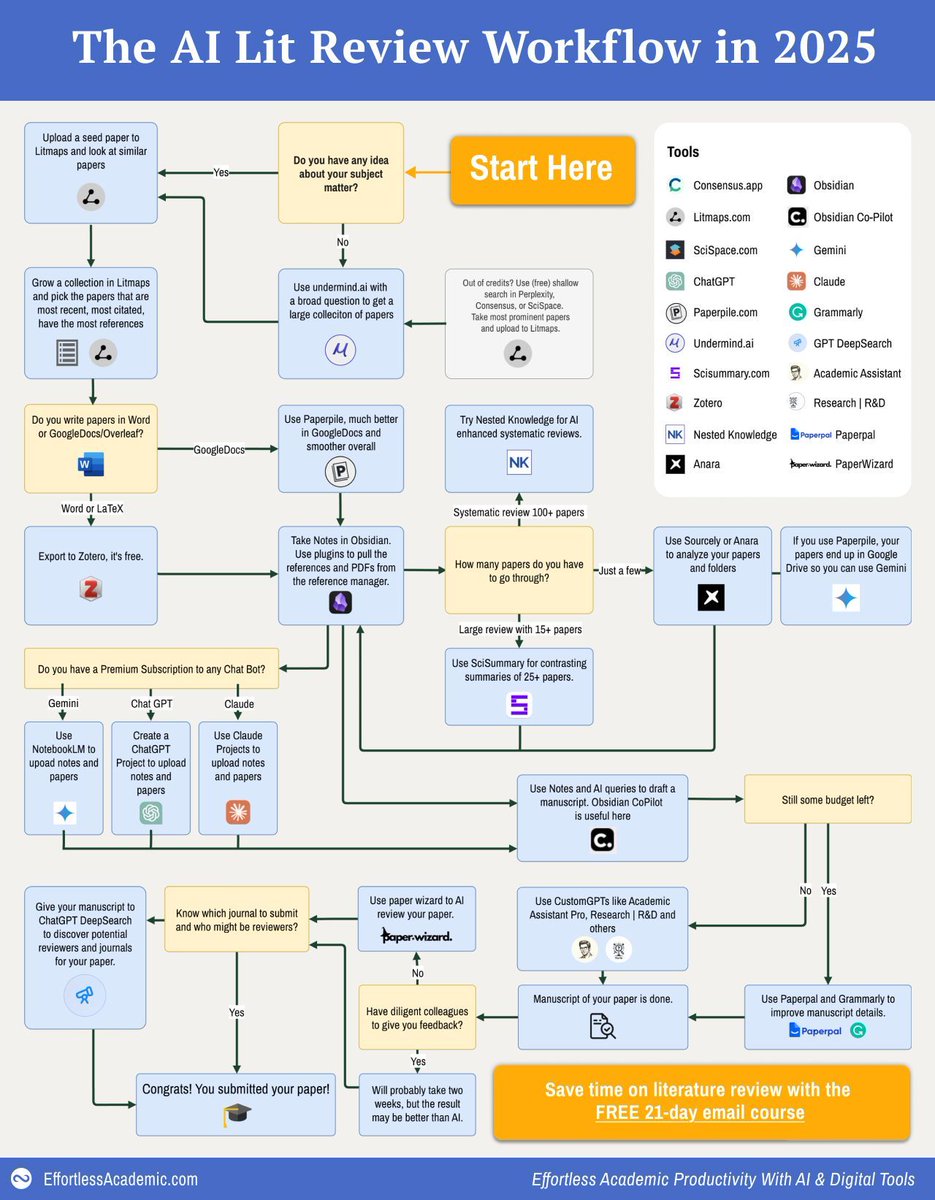
In 2025, you can write a lit review in a few short weeks.
Here's the workflow and tools you'll need from idea to publication.👇
Go through key checkpoints and you will keep your research on track.
My daughter was taught ‘division’ in math today and the teacher explained to them ‘division’ is the same as ‘sharing’. In a world riddled with conflicts I wonder how many adults today think of division as sharing. Have faith the world will soon pass into her safe hands!
New ASE guidelines just dropped: Echocardiographic Assessment of the Right Heart in Adults — with special focus on pulmonary hypertension. A must-read for anyone scanning the RV. #POCUS#EchoFirst#Cardiology#PulmCrit
https://t.co/GcADbjHQie
Delighted to announce the release of the latest @PICANetAudit State of the Nation report. We provide lots of data, alongside recommendations which include monitoring the future impact of RSV vaccination on #PedsICU
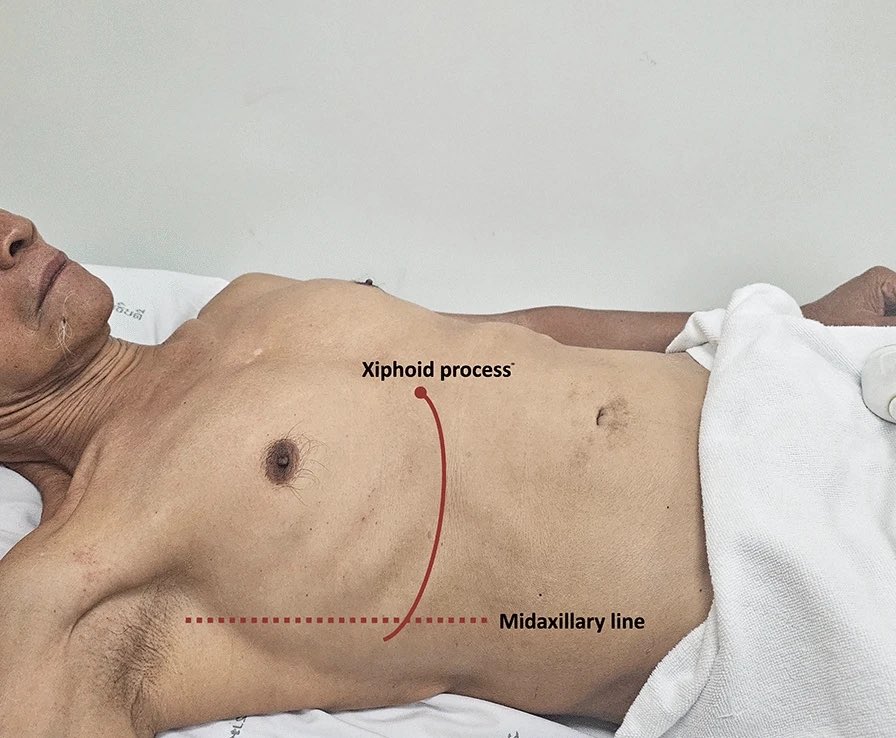
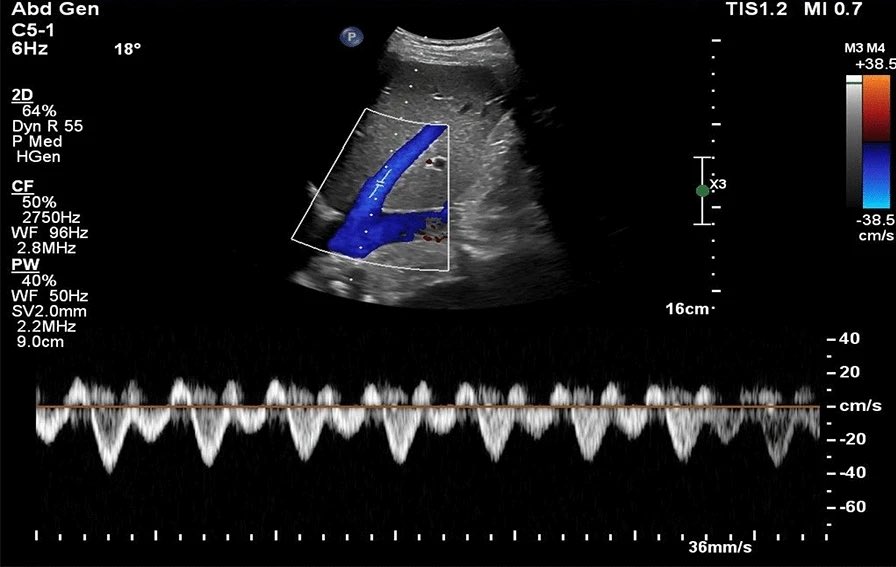
Decoding #VExUS: a practical guide for excelling in point-of-care ultrasound assessment of venous congestion.
- @TaweevatA & team
🔗 https://t.co/t3EbtsJusg
#POCUS#FOAMed#Nephpearls
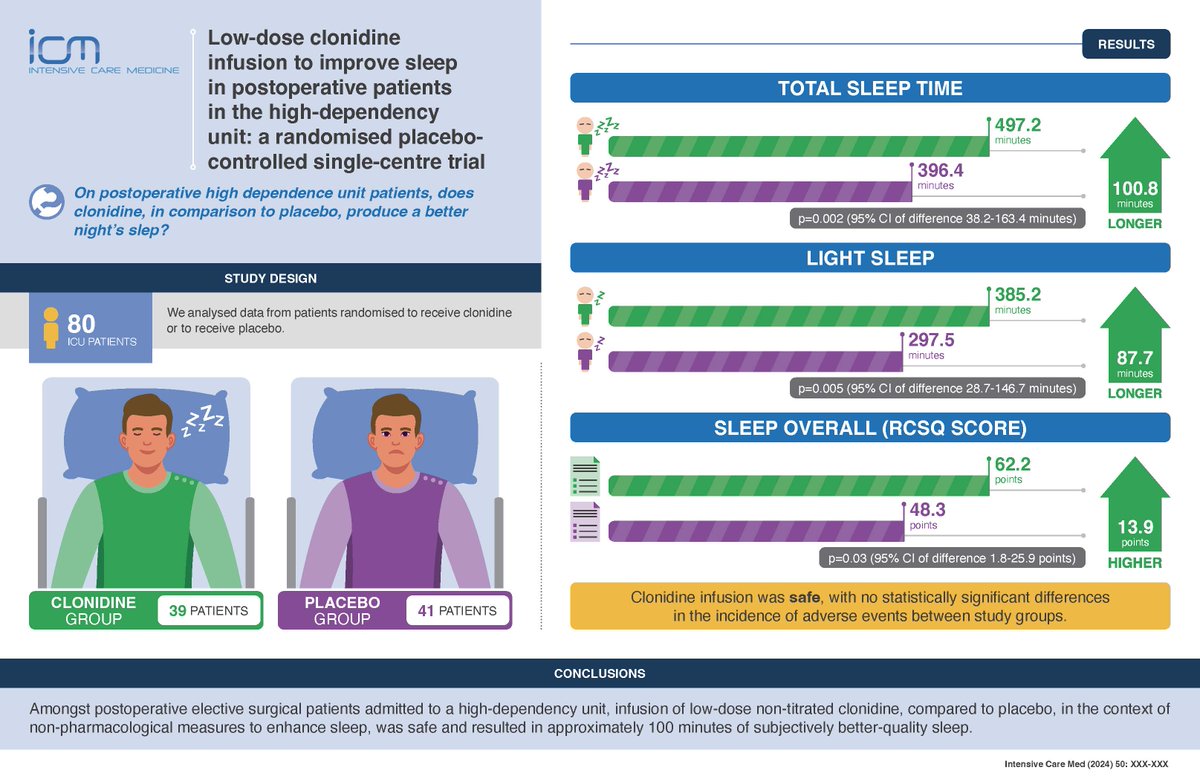
Clonidine at low dosage postoperatively to nocturnally enhance sleep, CLONES RCT
🔍 low-dose clonidine 0.3 μg/kg/h vs placebo
💉clonidine: longer & better-quality sleep; nurses observed them fell asleep more quickly
💉 safety outcomes not different
🔓 https://t.co/7j91Dylc0h
🌟PLATELET TRANSFUSION
Bone marrow biopsy/aspiration can be done at any platelet levels.
Platelet transfusions should be avoided in autoimmune thrombocytopenic purpura unless there is serious haemorrhage.
They are contraindicated in heparin-induced thrombocytopenia,thrombotic thrombocytopenic purpura and haemolytic uraemic syndrome.
From
https://t.co/jbMVVirork
Excited to share our support for BRANCH, a pilot project using breath analysis to diagnose infections in ventilated children. 🌟 It’s received great praise from our community partners and sparked great discussions at our recent BRC Annual Event!
@pic_pram@ImperialBRC
Was giving a talk today and this good old slide resurfaced.
A reminder not to rely on isolated parameters and rush into prescribing IV fluids 💧
Instead, employ a multi-parametric approach, including #POCUS.
#FOAMed#Nephpearls
*see thread if not familiar with the analogy
All sick children in #PedsICU receive FLUIDS (iv, enteral, drugs). Our new global survey of #PedsICU physicians shows considerable variation in practice relating to fluid restriction + active fluid removal strategies. Need an #RCT to inform care!
https://t.co/PiB85N7CJW
If you aren’t cheating, you aren’t trying!
Are you looking at MRIs?
Feeling some confusion about the diffusion?
Feel impaired when it comes to the FLAIR?
Wish you could cheat a little?
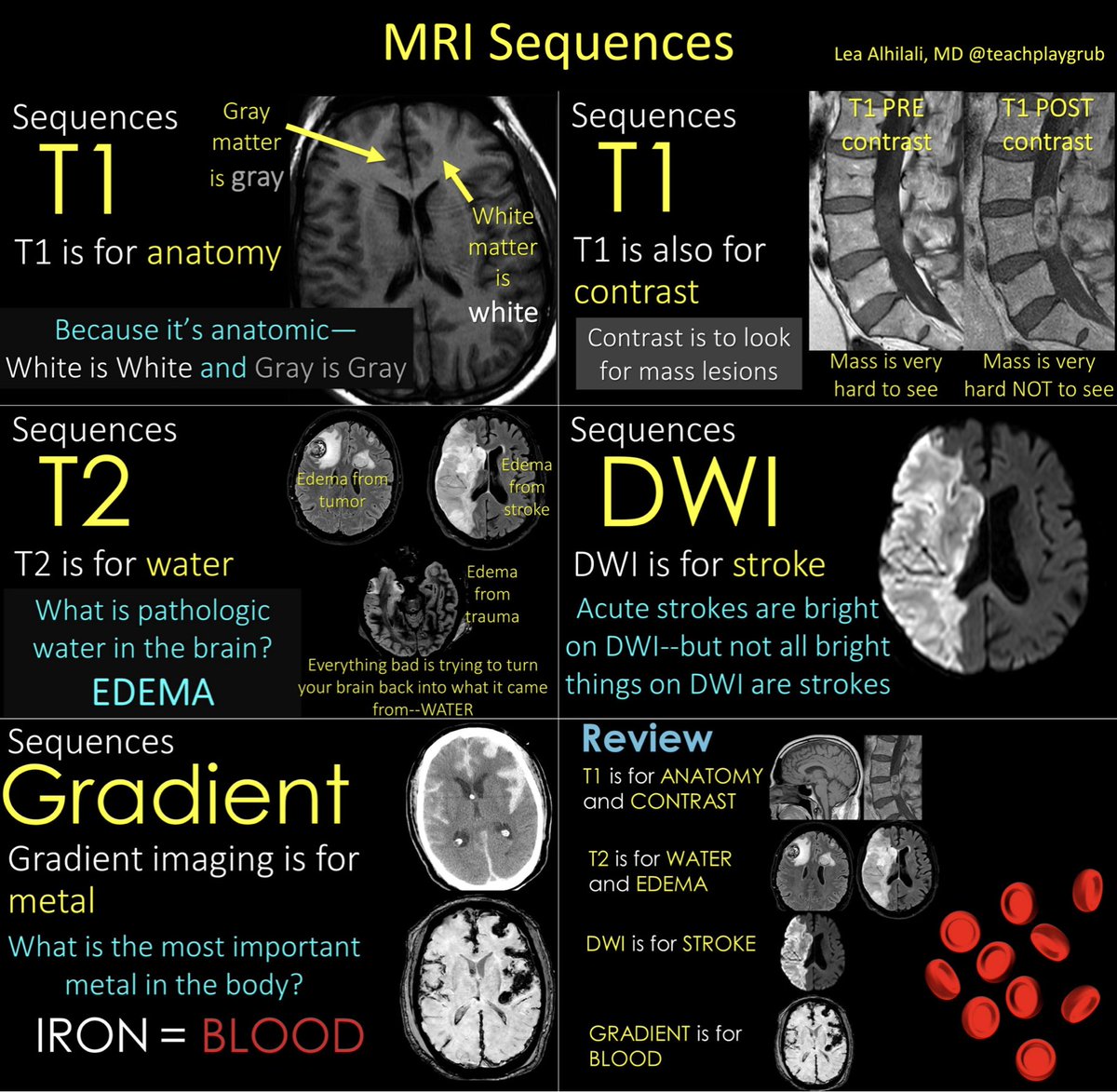
Here’s a little cheat sheet on all the sequences you NEED to know if you are looking at MRIs!
➡️T1: It’s for anatomy, so brain structures reflect the same color as real life. So gray matter is gray on T1 & white matter is white on T1. It’s also for contrast. Contrast material is taken up by masses making them light up & them easier to see.
➡️T2: It’s the water sensitive sequence. What is pathologic water in the brain? Edema! My attending once said, “Everything bad in this world is trying to turn you back into what you came from—water."
➡️DWI: Diffusion detects stroke, which are bright on diffusion. But anything that makes space tight in the brain can be bright on diffusion (highly cellular masses, clotted blood, pus under pressure, etc.)
➡️Gradient: Gradient is sensitive to metals. And what’s the most important metal in body? Iron—bc iron is in blood. So gradient is our blood sensitive sequence
So keep this cheat sheet w/you whenever you have to look at MRIs!
Who says cheaters never win!