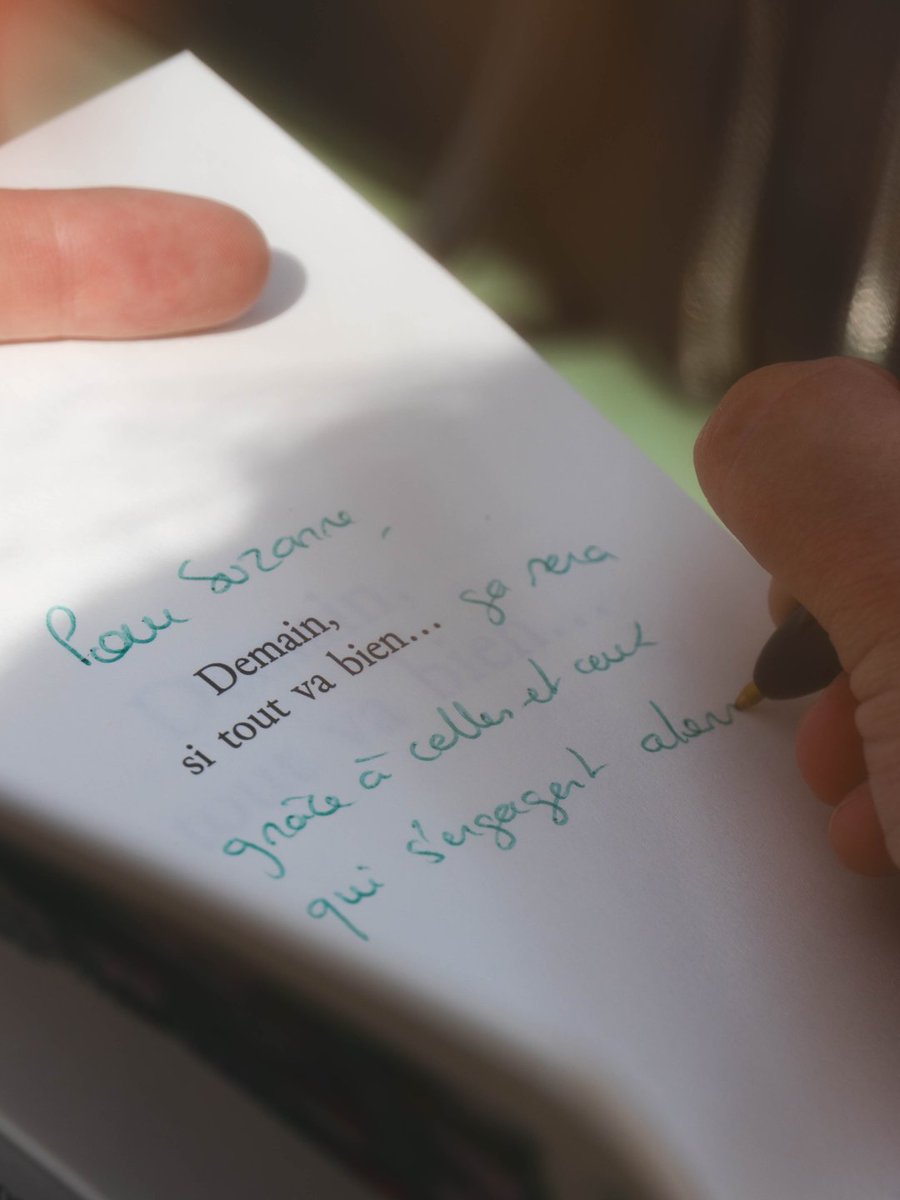
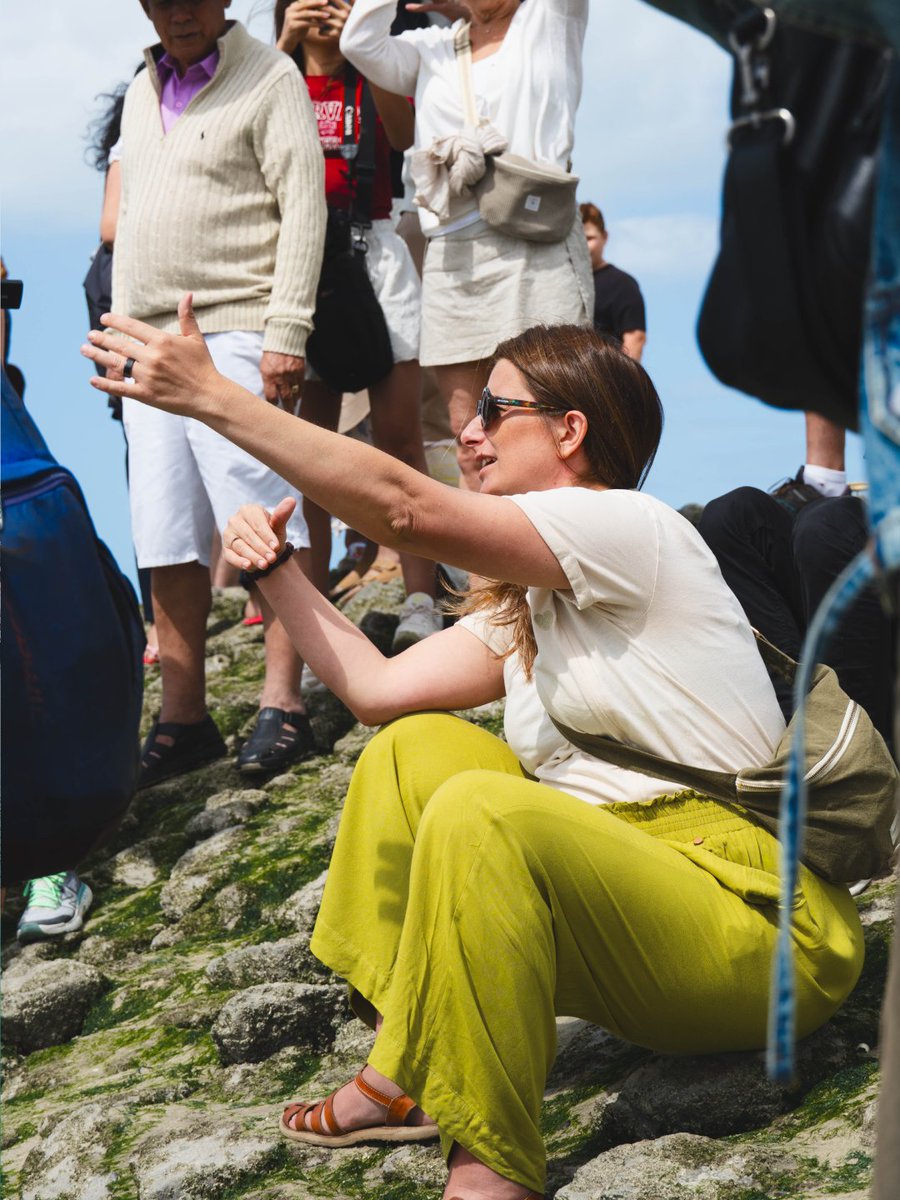
Ce soir, mercredi 27 mai, 18h : Denise Desautels et Diane Régimbald, deux grandes voix de la #poésie québécoise, dialogueront ensemble au sujet de l'#écriture chez Tschann, à Paris !
J'ai l'honneur d'animer leur échange et de vous inviter à partager ce moment avec nous. 🕊️
La France : *des milliers de morts à cause de 5 canicules, une sécheresse et des incendies historiques, une crise agricole, le chômage et la pauvreté qui explosent, une crise du logement, une dette abyssale...*
Emmanuel Macron : "vous avez vu mon gros jet ski comme il va vite ? 😎"
Au coeur d'un été apocalyptique, notre président s'offre donc un publireportage sur ses vacances dans Paris Match.
On y apprend notamment qu'il a attendu que l'incendie de Gironde soit stabilisé pour partir le 29 juillet. Quel grand seigneur.
Heureusement que les incendies n'ont pas continué, que de nouvelles canicules ne se sont pas abattues sur la France depuis ou que la sécheresse ne met pas nos agriculteurs à genoux... (si)
Maintenant, ça brûle même en Bretagne et dans le Pas-de-Calais.
Alors un vrai grand merci aux pompiers qui luttent sans que le gouvernement ne daigne leur accorder les moyens essentiels qu'ils réclament.
Eux n'ont déjà même pas droit à des tenues sans PFAS alors qu’au Canada, ces substances toxiques sont exclues de toutes les nouvelles commandes de matériel.
Pas droit non plus aux cagoules qu'ils réclament, parce qu'en France, on n'est pas capables de protéger les pompiers qui nous protègent.
Autant dire qu'ils ne risquent pas de partir en vacances faire du jet ski, eux.
Mais assez de mauvais esprit, Emmanuel Macron travaille beaucoup nous dit Paris Match.
Il prépare même ses cafés lui-même visiblement ! Incroyable révélation.
Mais il s'amuse aussi beaucoup avec ses officiers de sécurité. Ambiance "colonie de vacances entre mecs" nous dit-on.
Ça donne envie. Et j'espère qu'il n'y a pas trop de femmes pour casser l'ambiance.
Comme de vrais mecs, ils courent beaucoup et font de la boxe.
Le cliché soigneusement choisi en une de Paris Match permet en tout cas d'admirer les résultats, notre président affichant fièrement ses biceps et ses cuisses musclées.
Et puis bien sûr, il y a ce gros jet ski, parce que "Emmanuel Macron aime la vitesse" nous apprend Paris Match.
Dommage qu'il n'aime pas davantage les Français·es qui n'ont pas les moyens de partir en vacances. Son bilan serait peut-être meilleur.
Voilà en tout cas une communication pas du tout en décalage avec notre époque.
Emmanuel Macron ayant autorisé cette publication, il en est comptable. Cela signifie qu'il ne voit aucun problème à s'approprier les codes de la pétro-masculinité.
Et aucun problème avec cette photo qui est un gigantesque doigt d'honneur à l'écologie, il le sait.
Pendant un été où chacun·e a pris conscience qu’il allait falloir changer, lui décide d’incarner l’inverse.
C’est sa responsabilité. Mais c'est aussi l'image qu'il donne de notre pays qui est en jeu.
Dommage donc qu'il la revendique, mais ce n'est malheureusement pas la première fois.
Souhaitons que ce soit la dernière.
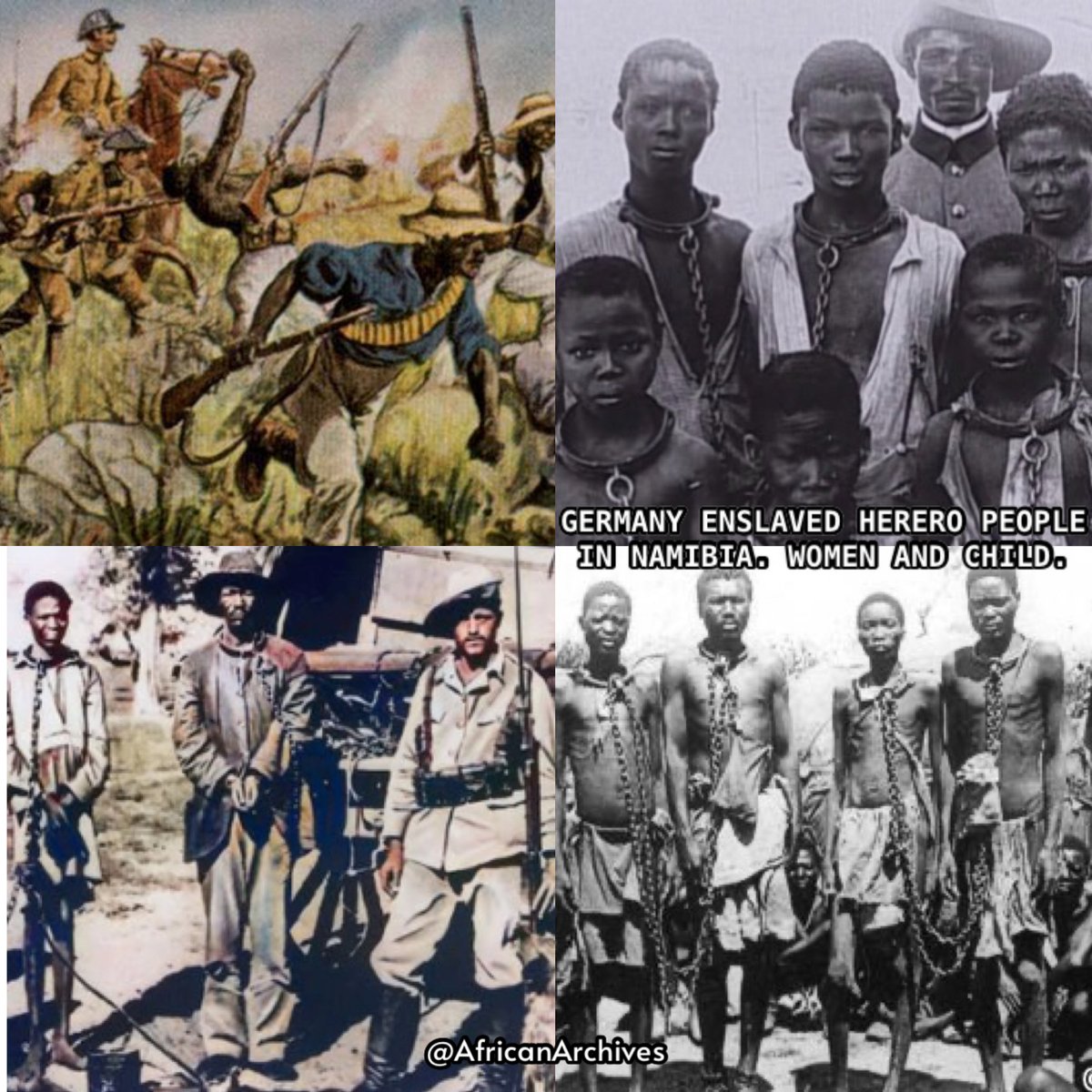
On this day in 1904, The Battle of Waterberg known as the Herero and Namaqua Genocide, occured between the Herero people and German imperialists in German Southwest Africa (present-day Namibia), following the Germans occupation to steal their land and resources.
A THREAD
Le scandale du nouveau congé de naissance, c’est ça ⤵️
L’État crée un nouveau droit.
Des jeunes parents s’en saisissent.
Des semaines plus tard, certains attendent toujours les indemnités auxquelles ils ont droit.
Ce nouveau congé, c’est pourtant l’une des rares mesures de ce gouvernement que nous avons saluées.
Depuis le 1er juillet, chaque parent peut prendre jusqu’à deux mois supplémentaires après la naissance de son enfant, indemnisés à 70 % le premier mois puis 60 % le second.
Pour beaucoup de familles, c’est un vrai progrès : plus de temps pour accueillir son enfant, créer un cocon, trouver un nouvel équilibre, vivre ces premières semaines plus sereinement.
Et qu’apprend-on cet été ?
Que des parents qui ont fait confiance à ce nouveau droit attendent toujours leurs indemnités. Certains doivent relancer l’administration, renvoyer des justificatifs, puiser dans leur épargne en attendant.
Au moment où l’État devrait les aider à sécuriser le début de leur nouvelle vie de famille, il les met en difficulté.
C’est malheureusement assez symptomatique du macronisme.
Parce que même lorsqu’une mesure va dans le bon sens, derrière, il y a des services publics qu’on a désossés à coups de suppressions de postes, de coupes budgétaires et d’externalisations.
Avec, au bout de la chaîne, un État qui n’est même plus capable de garantir correctement l’exercice d’un droit qu’il vient lui-même de créer.
Et quel signal envoie-t-on à tous les parents qui envisageaient de prendre ce congé ? Comment leur demander de faire confiance à un dispositif s’ils ne savent même pas quand ils seront indemnisés ?
Ce qui se passe dans notre pays est très grave. Ça me met en colère et, en vérité, ça me rend profondément triste de voir l’outil État se désagréger, politique publique après politique publique.
C’est le naufrage de dix années de macronisme qui ont méthodiquement affaiblit l’État, conformément à une doctrine néolibérale, tout en dépensant des fortunes auprès de cabinets de conseil privés.
À la fin, ce sont toujours les mêmes qui paient cette impuissance : ici, des jeunes parents qui devraient pouvoir profiter sereinement des premières semaines avec leur enfant.
Courage à toutes les familles concernées. 💚
Et vivement que ça change !
#Israel: UN expert concerned “parental alienation” being misused to discredit #mothers in abuse cases
https://t.co/xlCTsdF1XM
Hebrew version was uploaded also, however I note that it there is currently a problem in accessing it. I will have it rectified.
Jewell Baraka: Prostitution and paedophilia are inseparable
“I was trafficked by my father at 11, and at a brothel type warehouse in Portland, Oregon. I call it a brothel because it was a warehouse filled with temporary walls creating rows of rooms off of hallways. There were probably 50 rooms in total. The warehouse was kind of a cross between an underground, underage brothel and an Asian massage parlour type of prostitution.
On regular working nights we were escorted from the entrance to our room and then the buyers were brought in to us. It’s the guards who took each girl to their rooms for the night and took the money as they brought the men to us. So only they knew the true numbers of men, girls, and the amount of money that flowed through that warehouse. There did seem to be a rotation of girls, meaning we were not all there every night. Still there were a lot of girls involved. They had nights for new buyers where they lined us all up for these men to look and choose and on those nights we were all there. The first time I was in a line-up I was number 87.
I used to focus my gaze intently on the door to my room. All I had to do was make it from the time it opened with another buyer to the time it closed as the guard escorted him out.
Interviewer: You said that your father trafficked you at 11. That’s an especially horrible way to enter prostitution. What type of family were you raised in?
JB: I was raised in a very religious family by appearance, although as you might expect, my father was a sociopath. I say that from my own observation and experience, not from a clinical diagnosis. Of course, he was not the kind of man to go near any type of mental health clinician. I have no idea what made him that way, how he became the man that I knew.
Trafficked can be a broad term so let me clarify what I mean when I say, “my father trafficked me.” My father is the one that struck a deal with these men when I was 11 and he was the one who upheld that deal every night for the next 6 years. I did not live at the warehouse. I went to school and church in the day, but every night two men would come to pick me up. And every night my father would strip me, put an old oil smelling blanket around me, and throw me in the trunk of their car. And then he did the reverse at the end of each night. He never actually went to the warehouse or the studio, but he was certainly the one responsible for my exploitation, which is why I call him my trafficker…”
To read more, see the link in the next tweet.
Il y a deux jours, nous alertions sur la pénurie de lunettes de protection pour l'éclipse et le manque d'anticipation du gouvernement.
Sa réponse ? L’ironie et l’attaque, en nous expliquant que nous cherchons la polémique.
Ce que les macronistes appellent une polémique, nous appelons ça la santé publique.
En 1999, l'État avait financé plusieurs millions de paires de lunettes, avec un prix de vente public fixé à 5 francs (à peine 80 centimes d'euros).
Il était facile de s’en procurer, beaucoup de pharmacies et d'opticiens en distribuaient gratuitement.
Presque tout le monde a pu voir l'éclipse, en sécurité.
En 2026 ? Ruptures de stock, files d'attente, lunettes introuvables ou hors de prix.
Une campagne de prévention tardive qui n'a pas été à la hauteur de l'événement.
Et un ministre qui nous explique que tout va bien (pour changer).
Évidemment que tout le monde a envie de regarder.
Évidemment que les enfants voudront lever les yeux.
Comment leur expliquer que s’ils n’ont pas eu de lunettes, ils ne profiteront pas de ce phénomène rarissime ?
Comment les protéger du réflexe de regarder et préserver leurs yeux ? Les enfermer ?
Et puis surtout quelle tristesse : à la rentrée, il y aura ceux qui ont vu l'éclipse et ceux qui n’ont pas pu avoir de lunettes.
En plus de la différence entre celles et ceux qui auront pu partir en vacances et les autres.
La meilleure prévention, c'était d'anticiper et de garantir des lunettes disponibles et accessibles pour toutes et tous.
Comme il y a 27 ans.
Et puis, quand même, risquer de s'aveugler pour une éclipse de 10 minutes, c'est un comble dans un pays qui ferme les yeux sur un monde qui s'éteint.
Alors à chacune et chacun d'entre vous ce soir, protégez vos yeux et ceux de vos proches, surtout les enfants.
Sans lunettes certifiées, ne regardez pas le soleil.
Aucun spectacle ne vaut une lésion irréversible.
🇺🇦 En 2025, au moins 7 000 enfants ukrainiens ont été emmenés vers des camps de "russification". C’est ce qu’affirme le Centre régional des droits de l’homme dans un rapport publié fin 2025.
🇰🇵 L’ONG ukrainienne a identifié 165 camps, dont un situé en Corée du Nord, où les enfants participeraient à des programmes d’assimilation à la culture russe et à des exercices militaires.
🎤 Émilie Noël
#franceinforf #guerreukraine #enfants #coreedunord
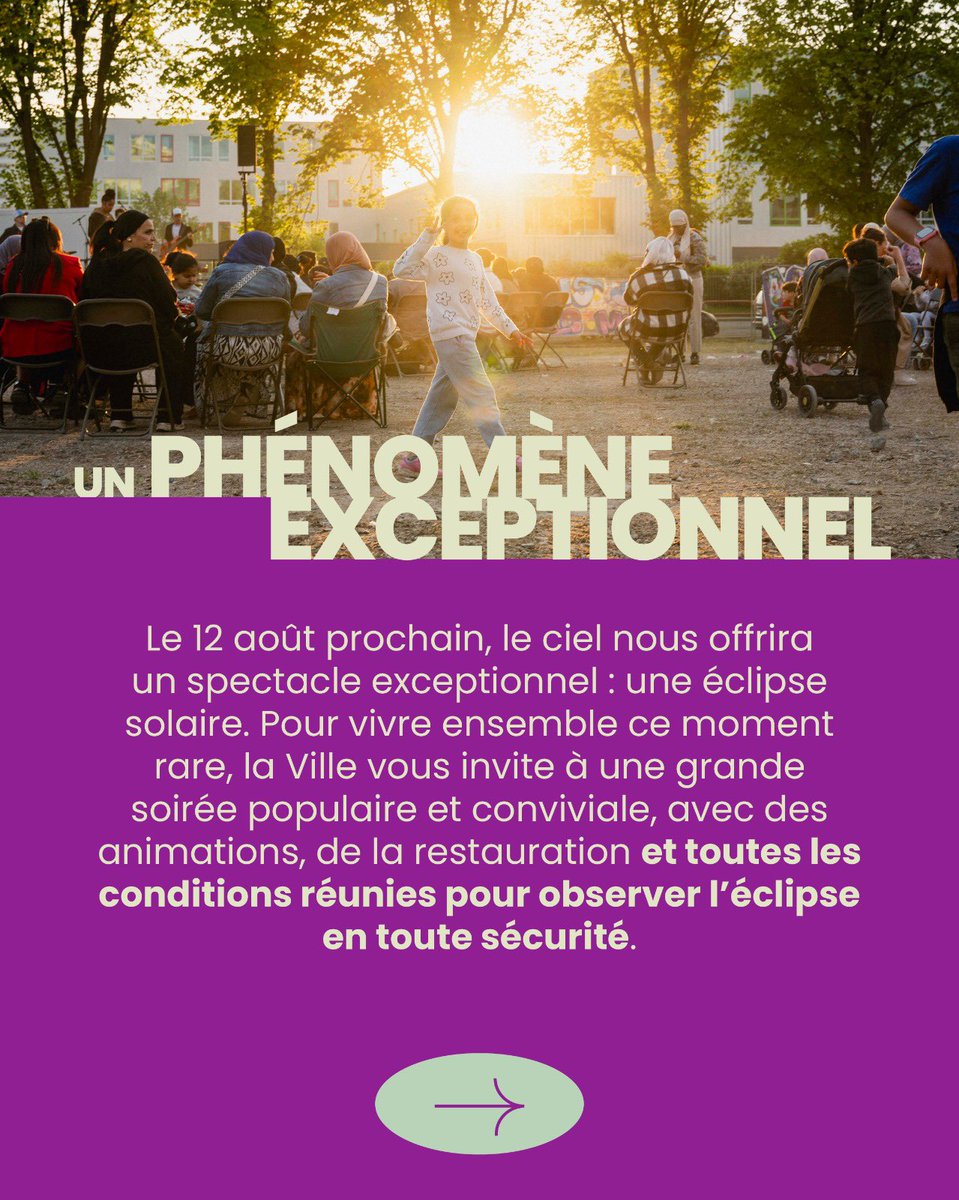
🌘 Après-demain, La Courneuve assistera à une éclipse solaire, en présence de l’astrophysicienne Fatoumata Kébé.
Pour l’occasion ce sont 5000 paires de lunettes qui sont distribuées gratuitement.
L’éducation populaire, c’est aussi des rêves et des étoiles plein les yeux. ✨
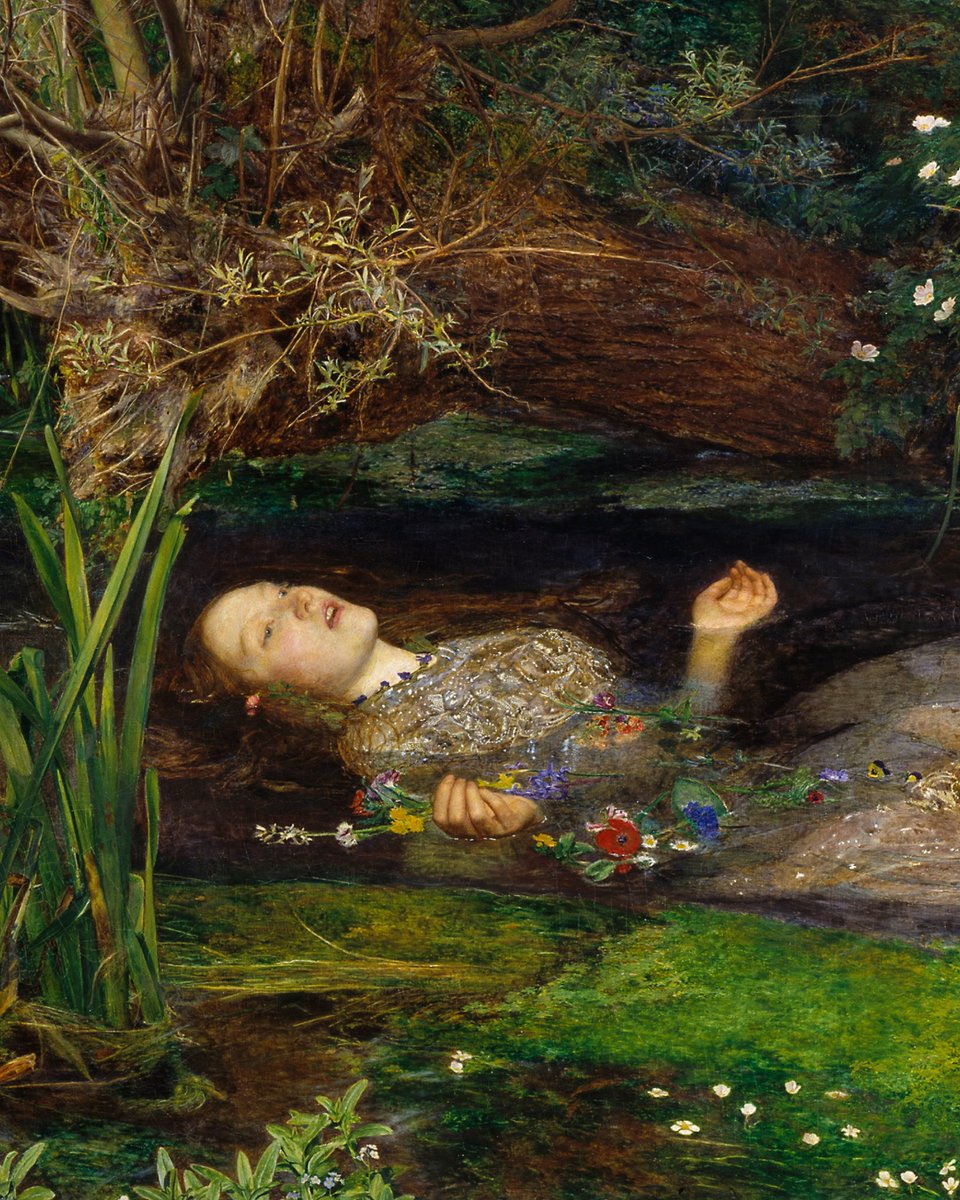
This is one of the most famous paintings in the world, and almost no one knows the haunting story of the woman lying in the water...
This is Ophelia, by John Everett Millais, finished in 1852. The scene is from Hamlet, the young woman who loses her mind after the man she loves kills her father, and drowns in a stream while singing and gathering flowers.
Millais caught the instant before she goes under, hands open, lips still parted in song, her gown pulling her down. In the play, her death is almost a throwaway. It happens offstage, and the queen simply reports it afterward:
"There is a willow grows aslant a brook... When down her weedy trophies and herself fell in the weeping brook."
A few more lines, and the story moves on. Millais took that half-second and spent the better part of a year on it.
Every flower in the water is real, painted with the obsessive botanical precision the Pre-Raphaelites were famous for, and almost every one carries a hidden meaning. The pansies floating on her dress stood for love in vain. The violets around her neck meant faithfulness. The daisy near her hand, innocence. The weeping willow leaning over her was the old symbol of forsaken love. And bright against her gown, one red poppy: the flower of sleep and death, which Shakespeare never mentioned, and which Millais added himself. He built the whole tragedy into the foliage, in a language his Victorian viewers could read like text, and which we drift right past today.
To get the water right, Millais did something extraordinary: he painted the river first, outdoors, on the banks of a stream in Surrey, sitting there for five months, recording every leaf and reed. Then, through the following winter, he painted the girl. Her name was Elizabeth Siddal. She was twenty-two, discovered working in a hat shop, and she would become the great tragic figure of this whole story.
To pose as the drowning Ophelia, Siddal lay for hours in a bathtub of water in Millais’s studio, wearing an antique silver gown he had bought for the purpose. It was winter, so he set oil lamps beneath the tub to keep the water warm. One day, absorbed in his work, Millais did not notice that the lamps had gone out. Siddal, the perfect model, said nothing and did not move, and lay there in the freezing water until the session ended. She caught a severe cold that turned to pneumonia.
She recovered, but never fully, and she never posed for Millais again. And here is the detail that turns this painting into something almost unbearable to look at: ten years later Elizabeth Siddal died of an overdose of laudanum, the opium drug that Victorians took by the spoonful. She was thirty-two.
Look again at that single red poppy Millais slipped into the picture, the flower that has always meant both sleep and death, and that opium is made from.
He painted a beautiful young woman playing a girl who drowns. He could not have known he was also depicting her fate.
Some paintings do not stay inside their frames...
Ces moments privilégiés sont l’occasion de rappeler à quel point ce littoral est précieux et fragile. Protéger notre biodiversité, ce n’est pas préserver une carte postale. C’est défendre des écosystèmes vivants, soutenir les associations qui veillent sur eux au quotidien et permettre à toutes et tous de profiter de cette nature exceptionnelle, aujourd’hui comme demain.
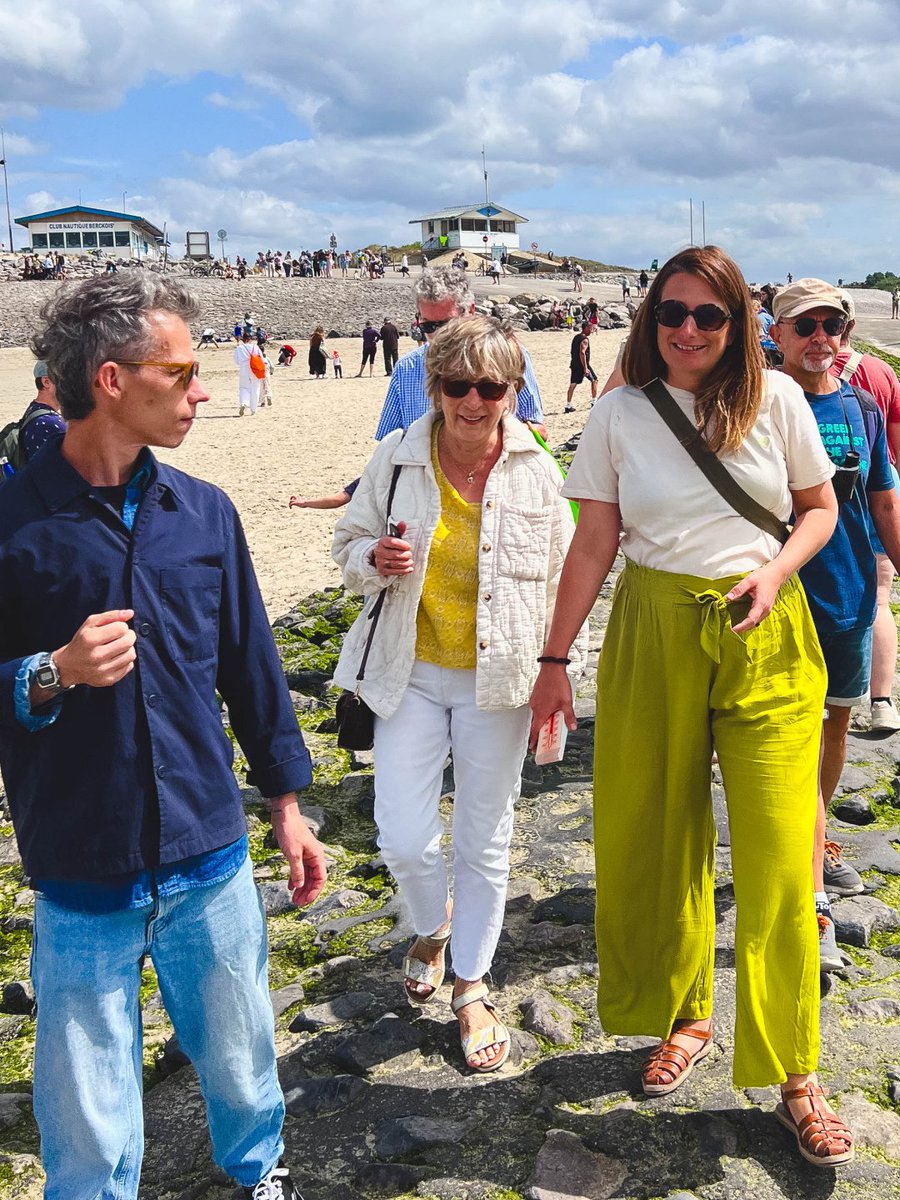
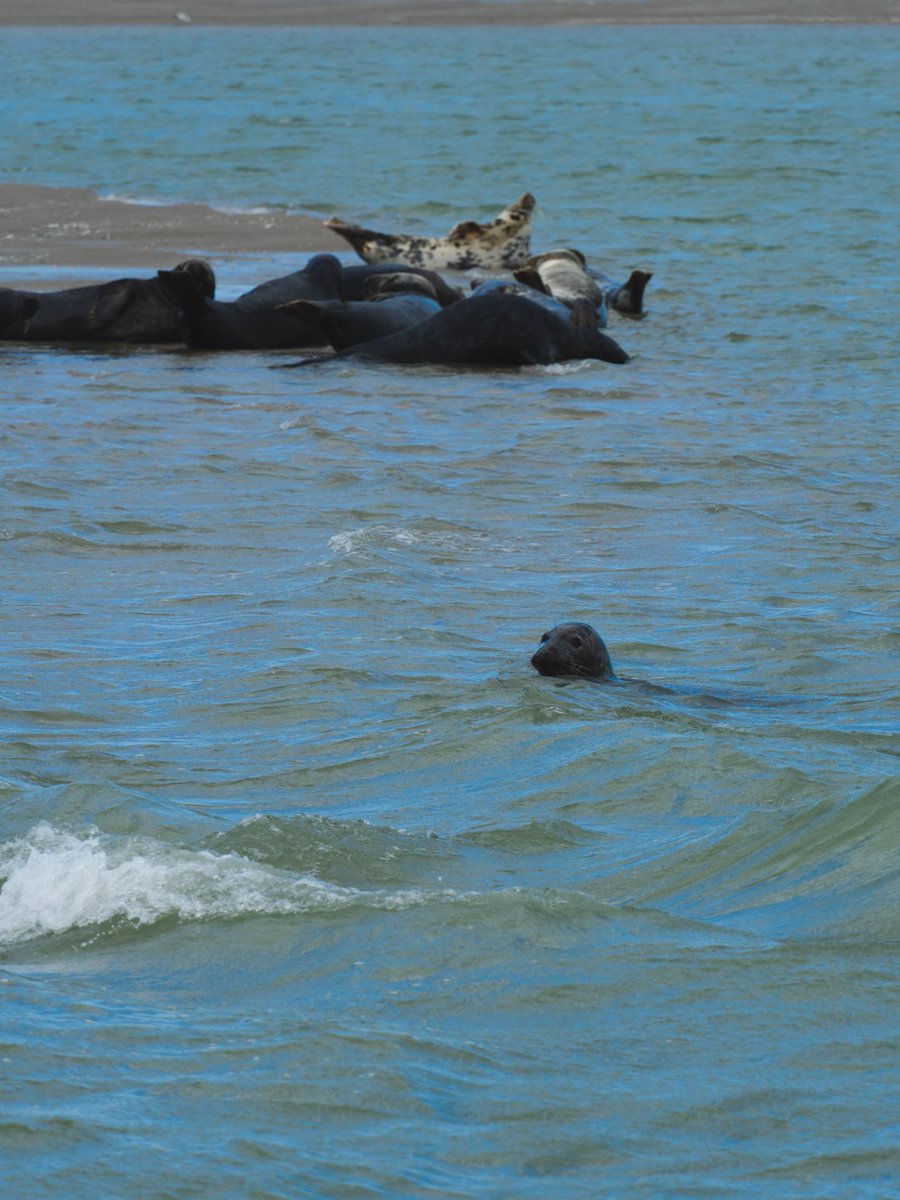
Avec les bénévoles du GDEAM, que je remercie pour leur travail formidable, nous sommes partis pour une balade nature dans la baie : un moment avec des spécialistes pour découvrir la richesse de cet écosystème, mieux comprendre sa biodiversité et apprendre à la protéger.
There’s no place like home. 💚
Cette étape de mon Tour de France avait forcément une saveur particulière : retour à Berck, sur le littoral du Pas-de-Calais, chez moi.
Rape is a grave, systematic, and widespread human rights violations in international, regional and national law, that could also amount to torture.
While victims of rape can be of any sex or age, rape continues to be committed on an wide scale against women and girls, and is therefore also a specific form of sex and gender based violence against them.
There is no doubt that allegations of rape should be investigated swiftly and impartially to determine if rape has occurred; and that victims should be provided with access to effective, trauma-informed and victim centered reporting, assistance and justice mechanisms.
However, that most certainly does NOT turn rape into a spectrum nor should it ever be spoken of in those terms.
ّInsinuations that acts of rape could fall on a spectrum, risk undermining the important progress we have made around the globe in criminalizing rape, which - as my mandate has argued- should cover rape against all persons, including marital rape and all acts of penetration of a sexual nature, with the lack of consent at its center. (which should include a rigorous analysis of the context in which consent may have been given or withheld).
My predecessor dedicated a whole stand-alone report to examining the issue of rape, which I share here again for those interested:
https://t.co/v2ieKi6oY1
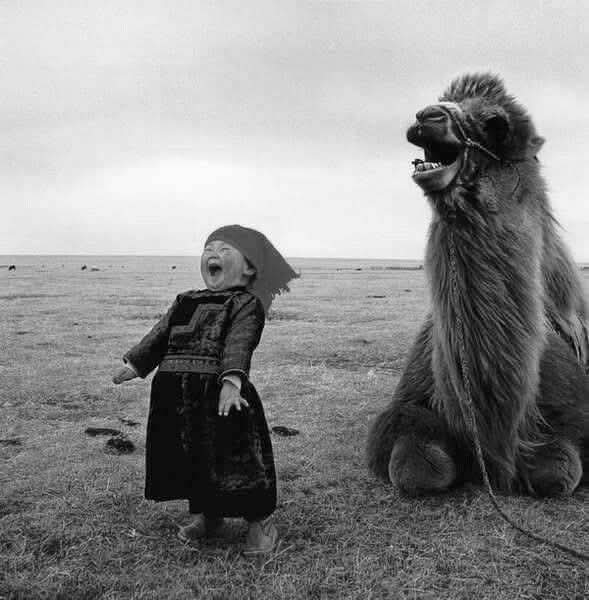
Mongolian Girl Has a Laugh with her Camel.
The little girl’s name is Butedmaa and she was just 5 when this picture was taken in 2003 by photographer Han Chengli, who titled it “Inner Mongolian Child”.