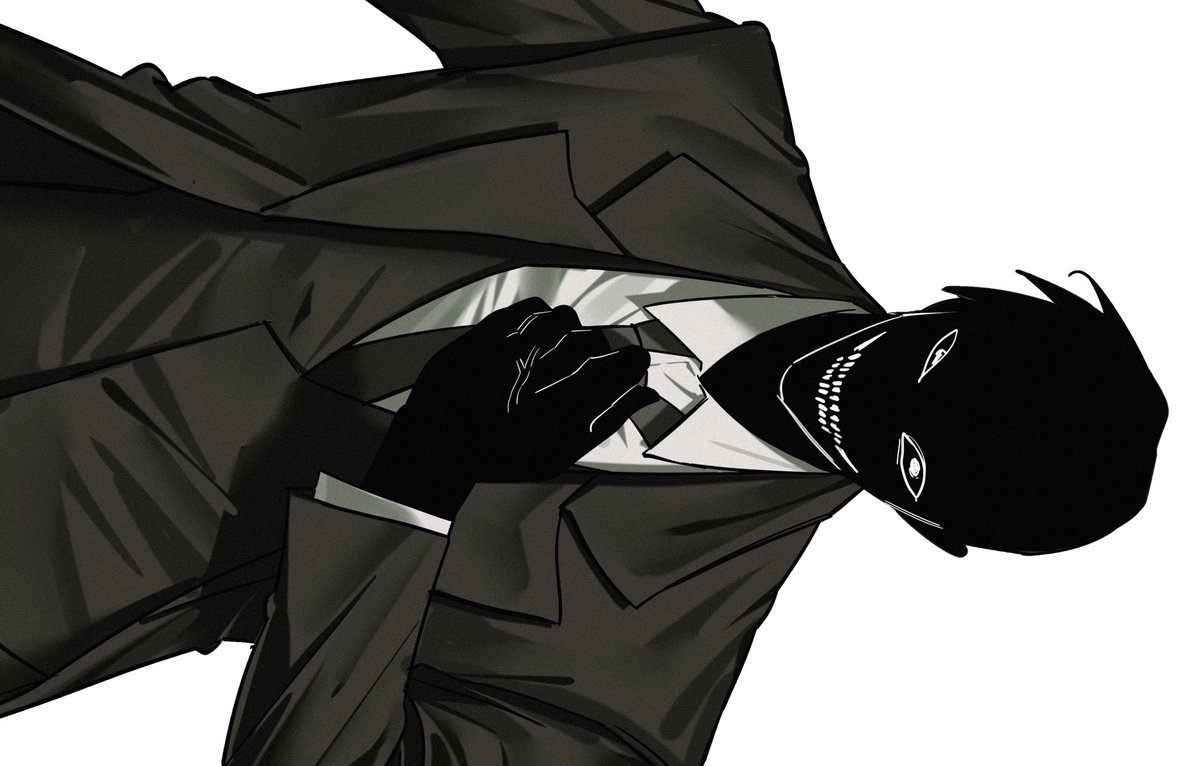
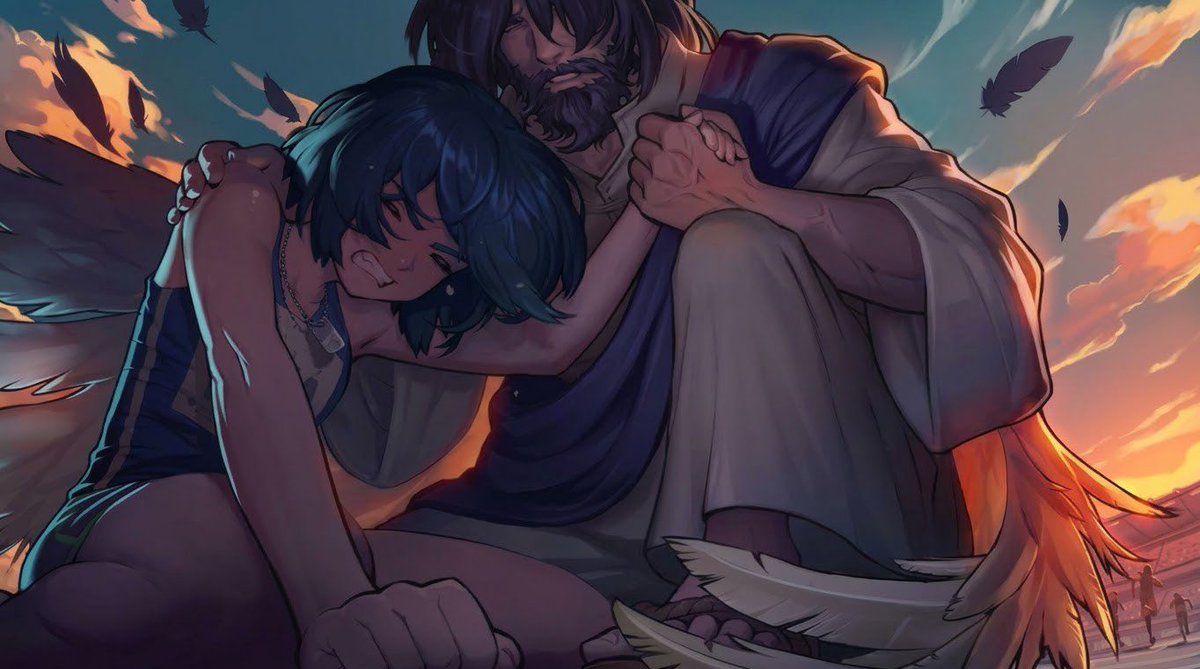
Three crosses stood on the hill outside Jerusalem that Friday. Isaiah had written seven centuries earlier that the Servant of the LORD would be “numbered with the transgressors,” and on the night before He died, Jesus quoted that verse and said it must be fulfilled in Him. The next morning, it was. The Son of God was crucified between two criminals, one on His right and one on His left.
The Gospels call these men lēstai, a word usually translated “thieves” or “robbers,” but it often meant something more violent: bandits, men who raided and killed, sometimes insurrectionists against Rome. It is the same word John uses for Barabbas, the man the crowd chose to release instead of Jesus. These were not petty pickpockets. They were men Rome considered dangerous enough to die the empire’s worst death.
And at first, both of them mocked Jesus. Matthew and Mark are clear about this. The religious leaders jeered, “He saved others; he cannot save himself.” The soldiers mocked Him. And Matthew writes that the robbers who were crucified with Him reviled Him in the same way. Both of them. Hanging in agony, fighting for every breath, these two men still found the strength to join the crowd in insulting the man between them.
But Luke records that something changed. Somewhere in those hours, as one criminal kept shouting, “Are you not the Christ? Save yourself and us!”, the other went quiet. And then he spoke up, not to Jesus, but to the man on the other cross: “Do you not fear God, since you are under the same sentence of condemnation? And we indeed justly, for we are receiving the due reward of our deeds; but this man has done nothing wrong.”
Stop and look at what this man has understood. First, he fears God. He knows he is about to stand before Him. Second, he admits his guilt without excuse: we deserve this. He does not blame Rome, his circumstances, or anyone else. Third, he declares Jesus innocent. Pilate had said it three times that day. Now a condemned criminal says it from a cross. He is the last human being to speak in Jesus’ defense before He died.
Then he turns his head toward the man in the middle and says, “Jesus, remember me when you come into your kingdom.”
Every word of that sentence matters. He calls Him simply “Jesus.” In Luke’s Gospel, others called Him Master, Teacher, Son of David. This dying criminal is the only person in Luke who addresses Him by His name alone, as if speaking to someone close to him. And that name, Yeshua, means “the LORD saves.”
Then he speaks of “your kingdom.” Look at what he could see. A man stripped, beaten, bleeding, a crown of thorns on His head, nailed to wood, dying slowly while crowds mocked Him. Above His head, Pilate had posted a sign as a cruel joke: “This is the King of the Jews.” Everyone on that hill read the sign as an insult. One man read it as the truth. Jesus’ own disciples had fled. Peter had denied knowing Him. And a bandit, dying on the next cross, looked at the most defeated-looking man in the world and saw a King who was about to come into His kingdom.
And notice how little he asks for. The other criminal demanded rescue: get us off these crosses. This man asks for something much smaller: remember me. In the Psalms, that is how sinners pray: “Remember me, O LORD, when you show favor to your people.” It is the prayer of someone who knows he has no claim on anything, and only hopes not to be forgotten.
Jesus answers him. It is one of the seven things He said from the cross, and it was not to His mother, not to His disciples, and not to His Father. It was to a criminal: “Truly, I say to you, today you will be with me in paradise.”
Today. Not someday. Not after a period of proving himself. This man would die before sunset, and Jesus promised that before the day was over, he would be with Him. In John’s Gospel we learn that, because the Sabbath was coming, the soldiers broke the legs of the two criminals to make them die faster. As we saw with the crucified man’s heel bone found in Jerusalem, Rome knew exactly how to end a crucifixion. This man’s legs were broken, and he died that afternoon, just as Jesus said. Within hours, the promise came true.
With me. Not just a place, but a Person. The thief asked to be remembered; Jesus promised him His company.
In paradise. The word paradeisos comes from an old Persian word for a walled garden. When the Hebrew Scriptures were translated into Greek, it became the word for the garden of Eden. Humanity was driven out of paradise because of sin. Now, on a cross, beside a sinner, the second Adam was opening the way back in. The first man to walk through that door was a convicted criminal.
Think about everything this man never did. He was never baptized. He never went to church. He never took communion, gave an offering, served the poor, or made amends to the people he had hurt. He had no time to change his life, and no hands free to do anything with. He brought nothing at all to Jesus except his guilt and his trust. And it was enough. Paul would later write, “By grace you have been saved through faith. And this is not your own doing; it is the gift of God, not a result of works, so that no one may boast.” The thief on the cross is that verse in human form.
But notice also that there were two men. Both were guilty. Both were dying. Both were close enough to Jesus to hear Him breathe. The same Savior was the same distance from each of them. One mocked Him to the end. The other turned to Him. The cross divides humanity in the same way to this day. Being near Jesus is not the same as turning to Him.
To the world, salvation must be earned. Good people go to heaven, bad people do not, and a lifetime of crime cannot be cancelled with one sentence at the end. But the first person Jesus personally promised paradise was a man whose crimes were serious enough to have him crucified, and whose only good deed was to trust Jesus in his last hours. That is not cheap. It cost Jesus His life, on the cross next to him. It is simply free.
If you think you have done too much, if you think it is too late, look at the man on the right of Jesus. He had no past to stand on and no future to work with. All he had left was one request, and Jesus said yes, today.
“Jesus, remember me.” He still does.
Jesus is the King who opens paradise to sinners.
Adán cayó en el paraíso rodeado de abundancia. Cristo venció en el desierto, rodeado de hambre y soledad.
No es una simple coincidencia: detrás de este episodio se encuentra una de las claves más profundas de la historia de la salvación.
Después de su bautismo, Jesús se retiró al desierto, donde ayunó durante cuarenta días y cuarenta noches.
Allí, en medio del hambre, la soledad y el agotamiento, Satanás intentó apartarlo de su misión con tres tentaciones: el placer y la satisfacción inmediata, el orgullo y la búsqueda de poder.
Pero Jesús no negoció con el tentador. No cedió un solo instante. Respondió a cada una de sus propuestas con la Palabra de Dios: "No solo de pan vivirá el hombre", "No tentarás al Señor tu Dios" y ñAl Señor tu Dios adorarás, y a él solo servirás".
Cristo no necesitaba purificarse de ningún pecado. Se sometió voluntariamente a la prueba para vencer allí donde Adán había caído.
Donde el primer hombre desobedeció, Cristo permaneció fiel. Es el nuevo Adán, que viene a restaurar lo que el pecado había destruido.
Y nosotros debemos aprender de su ejemplo. El demonio no siempre presenta el mal con su verdadero rostro: a menudo lo disfraza de placer, necesidad, oportunidad o falsa libertad.
Por eso necesitamos oración, conocimiento de la Palabra y una voluntad firme para no caer en sus engaños.
Jesús nos enseñó que podemos ser tentados sin tener que convertirnos en esclavos de la tentación.
La tentación no es la derrota. Ceder ante ella sí puede serlo.
🙏🏻✝️
Lesser demons are categorized by their horrifically disfigured and often asymmetrical body plans, formed when multiple sinners reincarnate in close proximity. Rendered utterly feral by collective agony, their only attempt at respite is to kill and eat anything that moves
Dios conoce cada batalla que libras en silencio. No te rindas; sigue caminando de su mano, porque su amor te sostiene y su bondad siempre te dará nuevas razones para tener esperanza 🙏🍂✨
And he took the cup, and gave thanks, and gave it to them, saying, Drink ye all of it; For this is my blood of the new testament, which is shed for many for the remission of sins. — (Matthew 26:27-28)
🎨 by kokecit