Beynimizi niyə eşitmirik?
●Həyacan və təşviş xəstəlik deyil, beynin mesajıdır.Lakin biz bu mesajı eşitmirik.
●Dərman qəbul etməkdənsə, davranışımızı dəyişdirmək daha effektlidir.
●Öyrənməyə açıq pasiyentlər ən ❤qrupdur.
https://t.co/5uPcQfIUeE
#TEDx
Gender affirming therapy resembles giving a gun to a suicidal person: it does not resolve the root cause, but enables irreversible harm to the body rather than treating the mind
#mentalhealth#endwokeness
“Years from now, this generation may be remembered as one of the most medically distorted in modern history. I hope that, in time, puberty blockers will be recognised as a shameful chapter in contemporary healthcare.”
#MentalHealthMatters#Stoptransgenderpropaganda
Children in care can be put into the NHS puberty-blocker trial and foster carers, grandparents or even the local council can count as “parents” for consent.
So the children with the fewest protections are being targeted first.
This is how grooming scandals happen.
🚩Family First Media Release
𝐁𝐀𝐍 𝐎𝐍 𝐇𝐀𝐑𝐌𝐅𝐔𝐋 𝐏𝐔𝐁𝐄𝐑𝐓𝐘 𝐁𝐋𝐎𝐂𝐊𝐄𝐑𝐒 𝐏𝐑𝐎𝐓𝐄𝐂𝐓𝐒 𝐂𝐇𝐈𝐋𝐃𝐑𝐄𝐍
Family First NZ is applauding the government’s decision to end the use of GnRHa hormones (usually referred to as ‘puberty blockers’) for vulnerable young people who are confused about their biological sex.
“𝐓𝐡𝐞 𝐮𝐬𝐞 𝐨𝐟 𝐩𝐮𝐛𝐞𝐫𝐭𝐲 𝐛𝐥𝐨𝐜𝐤𝐞𝐫𝐬 𝐡𝐚𝐬 𝐧𝐞𝐯𝐞𝐫 𝐛𝐞𝐞𝐧 𝐚𝐩𝐩𝐫𝐨𝐩𝐫𝐢𝐚𝐭𝐞 – 𝐢𝐭 𝐡𝐚𝐬 𝐞𝐟𝐟𝐞𝐜𝐭𝐢𝐯𝐞𝐥𝐲 𝐛𝐞𝐞𝐧 𝐭𝐡𝐞 𝐭𝐫𝐢𝐚𝐥𝐥𝐢𝐧𝐠 𝐨𝐟 𝐞𝐱𝐩𝐞𝐫𝐢𝐦𝐞𝐧𝐭𝐚𝐥 𝐝𝐫𝐮𝐠𝐬 𝐨𝐧 𝐜𝐡𝐢𝐥𝐝𝐫𝐞𝐧, 𝐚𝐧𝐝 𝐭𝐡𝐢𝐬 𝐝𝐞𝐜𝐢𝐬𝐢𝐨𝐧 𝐢𝐬 𝐥𝐨𝐧𝐠 𝐨𝐯𝐞𝐫𝐝𝐮𝐞,” says Bob McCoskrie, CEO of Family First.
This decision by the government is in line with many other countries who have either restricted or banned the experimental use of puberty blockers on children suffering gender dysphoria. This includes the United Kingdom, Finland, Norway, Sweden, and many states within the USA.
“With this decision, New Zealand is no longer an outlier when it comes to accepting scientific evidence and ensuring the protection of vulnerable children.”
New Zealand’s own Ministry of Health in its Evidence Brief clearly indicated that the use of puberty blockers must be restricted for those under 18 years of age. This Brief sits alongside a growing literature of concern around puberty blockers, including the United Kingdom’s CASS Review.
Family First has previously written to the Associate Minister of Health Matt Doocey requiring action following the findings of the Ministry of Health’s Evidence Brief. This call and previous calls sadly went unheeded. Family First welcomes therefore the Cabinet having stepped in and aligning policy with the medical literature.
“𝐓𝐡𝐢𝐬 𝐞𝐱𝐜𝐞𝐥𝐥𝐞𝐧𝐭 𝐝𝐞𝐜𝐢𝐬𝐢𝐨𝐧 𝐭𝐨𝐝𝐚𝐲 𝐦𝐞𝐚𝐧𝐬 𝐭𝐡𝐚𝐭 𝐭𝐡𝐞 𝐆𝐨𝐯𝐞𝐫𝐧𝐦𝐞𝐧𝐭 𝐢𝐬 𝐩𝐫𝐨𝐭𝐞𝐜𝐭𝐢𝐧𝐠 𝐯𝐮𝐥𝐧𝐞𝐫𝐚𝐛𝐥𝐞 𝐠𝐞𝐧𝐝𝐞𝐫 𝐝𝐲𝐬𝐦𝐨𝐫𝐩𝐡𝐢𝐜 𝐜𝐡𝐢𝐥𝐝𝐫𝐞𝐧 𝐚𝐧𝐝 𝐭𝐞𝐞𝐧𝐚𝐠𝐞𝐫𝐬 𝐚𝐠𝐚𝐢𝐧𝐬𝐭 𝐭𝐡𝐞 𝐩𝐫𝐞𝐬𝐜𝐫𝐢𝐛𝐢𝐧𝐠 𝐨𝐟 𝐩𝐮𝐛𝐞𝐫𝐭𝐲 𝐛𝐥𝐨𝐜𝐤𝐞𝐫𝐬 𝐭𝐡𝐚𝐭 𝐡𝐚𝐯𝐞 𝐧𝐨 𝐪𝐮𝐚𝐥𝐢𝐭𝐲 𝐞𝐯𝐢𝐝𝐞𝐧𝐜𝐞 𝐨𝐟 𝐬𝐚𝐟𝐞𝐭𝐲, 𝐞𝐟𝐟𝐢𝐜𝐚𝐜𝐲 𝐨𝐫 𝐫𝐞𝐯𝐞𝐫𝐬𝐢𝐛𝐢𝐥𝐢𝐭𝐲. 𝐇𝐨𝐰 𝐜𝐚𝐧 𝐚 𝐜𝐡𝐢𝐥𝐝 𝐚𝐧𝐝 𝐭𝐡𝐞𝐢𝐫 𝐩𝐚𝐫𝐞𝐧𝐭𝐬 𝐜𝐨𝐧𝐬𝐞𝐧𝐭 𝐭𝐨 𝐚 𝐭𝐫𝐞𝐚𝐭𝐦𝐞𝐧𝐭 𝐭𝐡𝐚𝐭 𝐢𝐭𝐬𝐞𝐥𝐟 𝐢𝐬 𝐧𝐨𝐭 𝐮𝐧𝐝𝐞𝐫𝐬𝐭𝐨𝐨𝐝 𝐧𝐨𝐫 𝐡𝐚𝐬 𝐬𝐮𝐟𝐟𝐢𝐜𝐢𝐞𝐧𝐭 𝐞𝐯𝐢𝐝𝐞𝐧𝐜𝐞 𝐭𝐨 𝐬𝐮𝐩𝐩𝐨𝐫𝐭 𝐢𝐭𝐬 𝐬𝐚𝐟𝐞𝐭𝐲 𝐚𝐧𝐝 𝐞𝐟𝐟𝐞𝐜𝐭𝐢𝐯𝐞𝐧𝐞𝐬𝐬,” says Mr McCoskrie.
“𝐖𝐞 𝐬𝐡𝐨𝐮𝐥𝐝 𝐡𝐞𝐚𝐥 𝐭𝐡𝐞 𝐦𝐢𝐧𝐝 – 𝐧𝐨𝐭 𝐜𝐡𝐞𝐦𝐢𝐜𝐚𝐥𝐢𝐬𝐞 𝐚𝐧𝐝 𝐜𝐮𝐭 𝐭𝐡𝐞 𝐛𝐨𝐝𝐲. 𝐓𝐡𝐞 𝐚𝐜𝐭𝐢𝐨𝐧𝐬 𝐨𝐟 𝐭𝐡𝐞 𝐆𝐨𝐯𝐞𝐫𝐧𝐦𝐞𝐧𝐭 𝐭𝐨𝐝𝐚𝐲 𝐰𝐢𝐥𝐥 𝐬𝐭𝐚𝐫𝐭 𝐭𝐡𝐚𝐭 𝐩𝐫𝐨𝐜𝐞𝐬𝐬. 𝐈𝐭 𝐢𝐬 𝐧𝐨𝐰 𝐯𝐢𝐭𝐚𝐥 𝐭𝐡𝐚𝐭 𝐚𝐩𝐩𝐫𝐨𝐩𝐫𝐢𝐚𝐭𝐞 𝐦𝐞𝐧𝐭𝐚𝐥 𝐡𝐞𝐚𝐥𝐭𝐡 𝐬𝐞𝐫𝐯𝐢𝐜𝐞𝐬 𝐚𝐫𝐞 𝐞𝐧𝐠𝐚𝐠𝐞𝐝 𝐰𝐡𝐨 𝐚𝐫𝐞 𝐧𝐨𝐭 𝐬𝐞𝐝𝐮𝐜𝐞𝐝 𝐛𝐲 𝐭𝐡𝐞 𝐥𝐢𝐞𝐬 𝐨𝐟 𝐖𝐏𝐀𝐓𝐇, 𝐏𝐀𝐓𝐇𝐀, 𝐈𝐧𝐬𝐢𝐝𝐞𝐎𝐮𝐭 𝐚𝐧𝐝 𝐨𝐭𝐡𝐞𝐫 𝐚𝐜𝐭𝐢𝐯𝐢𝐬𝐭 𝐠𝐫𝐨𝐮𝐩𝐬.”
ENDS
Notes for Editors:
Family First acknowledges that the government decision to end the use of GnRHa hormones is only for new patients presenting with gender dysphoria. Family First agrees that existing users need to be transitioned from Puberty Blockers in a medically appropriate way or at the very least, have the lack of quality evidence on safety, efficacy and reversibility explained to them by the medical professional overseeing their care – and their parents / caregivers – with a view to confirming they and their parents or guardians do provide informed consent.
Family First rejects activists’ use of the suicide trope to argue children must be given experimental hormones (puberty blockers). There is absolutely no evidence that using puberty blockers reduces suicide in vulnerable young people. The CASS Review clearly stated: “Young people facing gender-related distress had no significantly different levels of suicide risk to other young people with similar levels of complex presentations” and “No evidence that gender-affirming treatment reduces suicide risk.”
A recent Finnish study found that the suicide risk in a large group of adolescents was predicted by the psychiatric problems that often accompany gender distress, not by the gender distress itself. The Finnish study said: “Although the rate of suicide [in the Finnish study] is just over four times higher among trans young people than their peers, this is explained by their more serious psychiatric problems. When these psychiatric problems are taken into account, there is no evidence that transgender people have a higher rate of suicide.”
We encourage editors to listen to the testimony of two New Zealand ‘detransitioners’ – Issy and Zara. These are two young woman whose experiences speak directly to why GnHRa hormones (puberty blockers) and other cross-sex hormones are harmful, as too the current approach to gender dysphoria via WPATH, PATHA, and other activist groups. Their testimonies can be found on our website – https://t.co/WCxvCMxMzL
Childhood gender dysphoria should be removed as a distinct disease from ICD and considered as symptom of broader mental disorder rooted with family disfunction and treated by means of psychotherapy.
# Mentalhealth #Childhoodmentatalhealth
Even more importantly, that what is now called “childhood gender-affirming therapy” will be seen as a harmful practice that has caused irreversible consequences for too many children.
#MentalHealth
I believe that in just five years, gender dysphoria will no longer stay in the ICD as a distinct disease. Instead, it will be recognized as part of a broader spectrum of mental health challenges that approached by means of psychotherapy. ⏬️⏬️⏬️⏬️
@elonmusk Gender inconcuccurence in children always rooted with the family distess,so it is important to avoid medicalization. Love your babies and they will improve.
🚸 Pediatric Gender Dysphoria is being overdiagnosed more than ever.
Most children with early GD do not persist into adulthood.Persistence rates: only ~10–27%.
Refs: Steensma 2013 [PubMed:23702447], Singh 2021 [Front Psychiatry 12:632784]
Does childhood gender dysphoria exist?
I am raising funds to support a research exploring whether pediatric gender dysphoria is a genuine clinical condition or a symptom of known mental disorder rooted in deeper family dysfunction and social stressors.
https://t.co/CzjmJ8zKnq






![bobmccoskrienz's tweet photo. 🚩Family First Media Release
𝐁𝐀𝐍 𝐎𝐍 𝐇𝐀𝐑𝐌𝐅𝐔𝐋 𝐏𝐔𝐁𝐄𝐑𝐓𝐘 𝐁𝐋𝐎𝐂𝐊𝐄𝐑𝐒 𝐏𝐑𝐎𝐓𝐄𝐂𝐓𝐒 𝐂𝐇𝐈𝐋𝐃𝐑𝐄𝐍
Family First NZ is applauding the government’s decision to end the use of GnRHa hormones (usually referred to as ‘puberty blockers’) for vulnerable young people who are confused about their biological sex.
“𝐓𝐡𝐞 𝐮𝐬𝐞 𝐨𝐟 𝐩𝐮𝐛𝐞𝐫𝐭𝐲 𝐛𝐥𝐨𝐜𝐤𝐞𝐫𝐬 𝐡𝐚𝐬 𝐧𝐞𝐯𝐞𝐫 𝐛𝐞𝐞𝐧 𝐚𝐩𝐩𝐫𝐨𝐩𝐫𝐢𝐚𝐭𝐞 – 𝐢𝐭 𝐡𝐚𝐬 𝐞𝐟𝐟𝐞𝐜𝐭𝐢𝐯𝐞𝐥𝐲 𝐛𝐞𝐞𝐧 𝐭𝐡𝐞 𝐭𝐫𝐢𝐚𝐥𝐥𝐢𝐧𝐠 𝐨𝐟 𝐞𝐱𝐩𝐞𝐫𝐢𝐦𝐞𝐧𝐭𝐚𝐥 𝐝𝐫𝐮𝐠𝐬 𝐨𝐧 𝐜𝐡𝐢𝐥𝐝𝐫𝐞𝐧, 𝐚𝐧𝐝 𝐭𝐡𝐢𝐬 𝐝𝐞𝐜𝐢𝐬𝐢𝐨𝐧 𝐢𝐬 𝐥𝐨𝐧𝐠 𝐨𝐯𝐞𝐫𝐝𝐮𝐞,” says Bob McCoskrie, CEO of Family First.
This decision by the government is in line with many other countries who have either restricted or banned the experimental use of puberty blockers on children suffering gender dysphoria. This includes the United Kingdom, Finland, Norway, Sweden, and many states within the USA.
“With this decision, New Zealand is no longer an outlier when it comes to accepting scientific evidence and ensuring the protection of vulnerable children.”
New Zealand’s own Ministry of Health in its Evidence Brief clearly indicated that the use of puberty blockers must be restricted for those under 18 years of age. This Brief sits alongside a growing literature of concern around puberty blockers, including the United Kingdom’s CASS Review.
Family First has previously written to the Associate Minister of Health Matt Doocey requiring action following the findings of the Ministry of Health’s Evidence Brief. This call and previous calls sadly went unheeded. Family First welcomes therefore the Cabinet having stepped in and aligning policy with the medical literature.
“𝐓𝐡𝐢𝐬 𝐞𝐱𝐜𝐞𝐥𝐥𝐞𝐧𝐭 𝐝𝐞𝐜𝐢𝐬𝐢𝐨𝐧 𝐭𝐨𝐝𝐚𝐲 𝐦𝐞𝐚𝐧𝐬 𝐭𝐡𝐚𝐭 𝐭𝐡𝐞 𝐆𝐨𝐯𝐞𝐫𝐧𝐦𝐞𝐧𝐭 𝐢𝐬 𝐩𝐫𝐨𝐭𝐞𝐜𝐭𝐢𝐧𝐠 𝐯𝐮𝐥𝐧𝐞𝐫𝐚𝐛𝐥𝐞 𝐠𝐞𝐧𝐝𝐞𝐫 𝐝𝐲𝐬𝐦𝐨𝐫𝐩𝐡𝐢𝐜 𝐜𝐡𝐢𝐥𝐝𝐫𝐞𝐧 𝐚𝐧𝐝 𝐭𝐞𝐞𝐧𝐚𝐠𝐞𝐫𝐬 𝐚𝐠𝐚𝐢𝐧𝐬𝐭 𝐭𝐡𝐞 𝐩𝐫𝐞𝐬𝐜𝐫𝐢𝐛𝐢𝐧𝐠 𝐨𝐟 𝐩𝐮𝐛𝐞𝐫𝐭𝐲 𝐛𝐥𝐨𝐜𝐤𝐞𝐫𝐬 𝐭𝐡𝐚𝐭 𝐡𝐚𝐯𝐞 𝐧𝐨 𝐪𝐮𝐚𝐥𝐢𝐭𝐲 𝐞𝐯𝐢𝐝𝐞𝐧𝐜𝐞 𝐨𝐟 𝐬𝐚𝐟𝐞𝐭𝐲, 𝐞𝐟𝐟𝐢𝐜𝐚𝐜𝐲 𝐨𝐫 𝐫𝐞𝐯𝐞𝐫𝐬𝐢𝐛𝐢𝐥𝐢𝐭𝐲. 𝐇𝐨𝐰 𝐜𝐚𝐧 𝐚 𝐜𝐡𝐢𝐥𝐝 𝐚𝐧𝐝 𝐭𝐡𝐞𝐢𝐫 𝐩𝐚𝐫𝐞𝐧𝐭𝐬 𝐜𝐨𝐧𝐬𝐞𝐧𝐭 𝐭𝐨 𝐚 𝐭𝐫𝐞𝐚𝐭𝐦𝐞𝐧𝐭 𝐭𝐡𝐚𝐭 𝐢𝐭𝐬𝐞𝐥𝐟 𝐢𝐬 𝐧𝐨𝐭 𝐮𝐧𝐝𝐞𝐫𝐬𝐭𝐨𝐨𝐝 𝐧𝐨𝐫 𝐡𝐚𝐬 𝐬𝐮𝐟𝐟𝐢𝐜𝐢𝐞𝐧𝐭 𝐞𝐯𝐢𝐝𝐞𝐧𝐜𝐞 𝐭𝐨 𝐬𝐮𝐩𝐩𝐨𝐫𝐭 𝐢𝐭𝐬 𝐬𝐚𝐟𝐞𝐭𝐲 𝐚𝐧𝐝 𝐞𝐟𝐟𝐞𝐜𝐭𝐢𝐯𝐞𝐧𝐞𝐬𝐬,” says Mr McCoskrie.
“𝐖𝐞 𝐬𝐡𝐨𝐮𝐥𝐝 𝐡𝐞𝐚𝐥 𝐭𝐡𝐞 𝐦𝐢𝐧𝐝 – 𝐧𝐨𝐭 𝐜𝐡𝐞𝐦𝐢𝐜𝐚𝐥𝐢𝐬𝐞 𝐚𝐧𝐝 𝐜𝐮𝐭 𝐭𝐡𝐞 𝐛𝐨𝐝𝐲. 𝐓𝐡𝐞 𝐚𝐜𝐭𝐢𝐨𝐧𝐬 𝐨𝐟 𝐭𝐡𝐞 𝐆𝐨𝐯𝐞𝐫𝐧𝐦𝐞𝐧𝐭 𝐭𝐨𝐝𝐚𝐲 𝐰𝐢𝐥𝐥 𝐬𝐭𝐚𝐫𝐭 𝐭𝐡𝐚𝐭 𝐩𝐫𝐨𝐜𝐞𝐬𝐬. 𝐈𝐭 𝐢𝐬 𝐧𝐨𝐰 𝐯𝐢𝐭𝐚𝐥 𝐭𝐡𝐚𝐭 𝐚𝐩𝐩𝐫𝐨𝐩𝐫𝐢𝐚𝐭𝐞 𝐦𝐞𝐧𝐭𝐚𝐥 𝐡𝐞𝐚𝐥𝐭𝐡 𝐬𝐞𝐫𝐯𝐢𝐜𝐞𝐬 𝐚𝐫𝐞 𝐞𝐧𝐠𝐚𝐠𝐞𝐝 𝐰𝐡𝐨 𝐚𝐫𝐞 𝐧𝐨𝐭 𝐬𝐞𝐝𝐮𝐜𝐞𝐝 𝐛𝐲 𝐭𝐡𝐞 𝐥𝐢𝐞𝐬 𝐨𝐟 𝐖𝐏𝐀𝐓𝐇, 𝐏𝐀𝐓𝐇𝐀, 𝐈𝐧𝐬𝐢𝐝𝐞𝐎𝐮𝐭 𝐚𝐧𝐝 𝐨𝐭𝐡𝐞𝐫 𝐚𝐜𝐭𝐢𝐯𝐢𝐬𝐭 𝐠𝐫𝐨𝐮𝐩𝐬.”
ENDS
Notes for Editors:
Family First acknowledges that the government decision to end the use of GnRHa hormones is only for new patients presenting with gender dysphoria. Family First agrees that existing users need to be transitioned from Puberty Blockers in a medically appropriate way or at the very least, have the lack of quality evidence on safety, efficacy and reversibility explained to them by the medical professional overseeing their care – and their parents / caregivers – with a view to confirming they and their parents or guardians do provide informed consent.
Family First rejects activists’ use of the suicide trope to argue children must be given experimental hormones (puberty blockers). There is absolutely no evidence that using puberty blockers reduces suicide in vulnerable young people. The CASS Review clearly stated: “Young people facing gender-related distress had no significantly different levels of suicide risk to other young people with similar levels of complex presentations” and “No evidence that gender-affirming treatment reduces suicide risk.”
A recent Finnish study found that the suicide risk in a large group of adolescents was predicted by the psychiatric problems that often accompany gender distress, not by the gender distress itself. The Finnish study said: “Although the rate of suicide [in the Finnish study] is just over four times higher among trans young people than their peers, this is explained by their more serious psychiatric problems. When these psychiatric problems are taken into account, there is no evidence that transgender people have a higher rate of suicide.”
We encourage editors to listen to the testimony of two New Zealand ‘detransitioners’ – Issy and Zara. These are two young woman whose experiences speak directly to why GnHRa hormones (puberty blockers) and other cross-sex hormones are harmful, as too the current approach to gender dysphoria via WPATH, PATHA, and other activist groups. Their testimonies can be found on our website – https://t.co/WCxvCMxMzL](https://pbs.twimg.com/media/G6Fkdzta8AAx1qv.jpg)
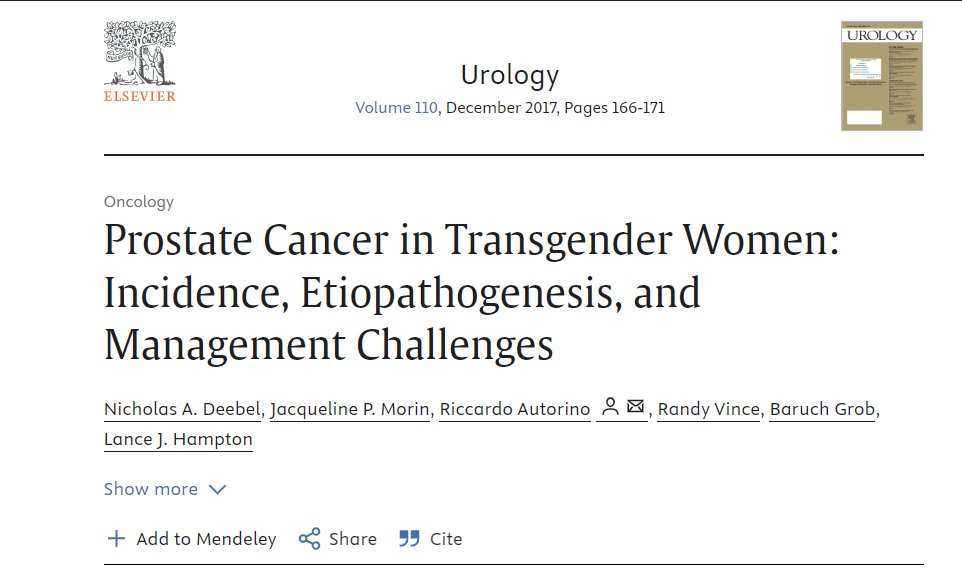
![tagizadeleyla's tweet photo. 🚸 Pediatric Gender Dysphoria is being overdiagnosed more than ever.
Most children with early GD do not persist into adulthood.Persistence rates: only ~10–27%.
Refs: Steensma 2013 [PubMed:23702447], Singh 2021 [Front Psychiatry 12:632784] https://t.co/eA9fty8O1W](https://pbs.twimg.com/media/G2QNPANWcAAPMDN.jpg)




