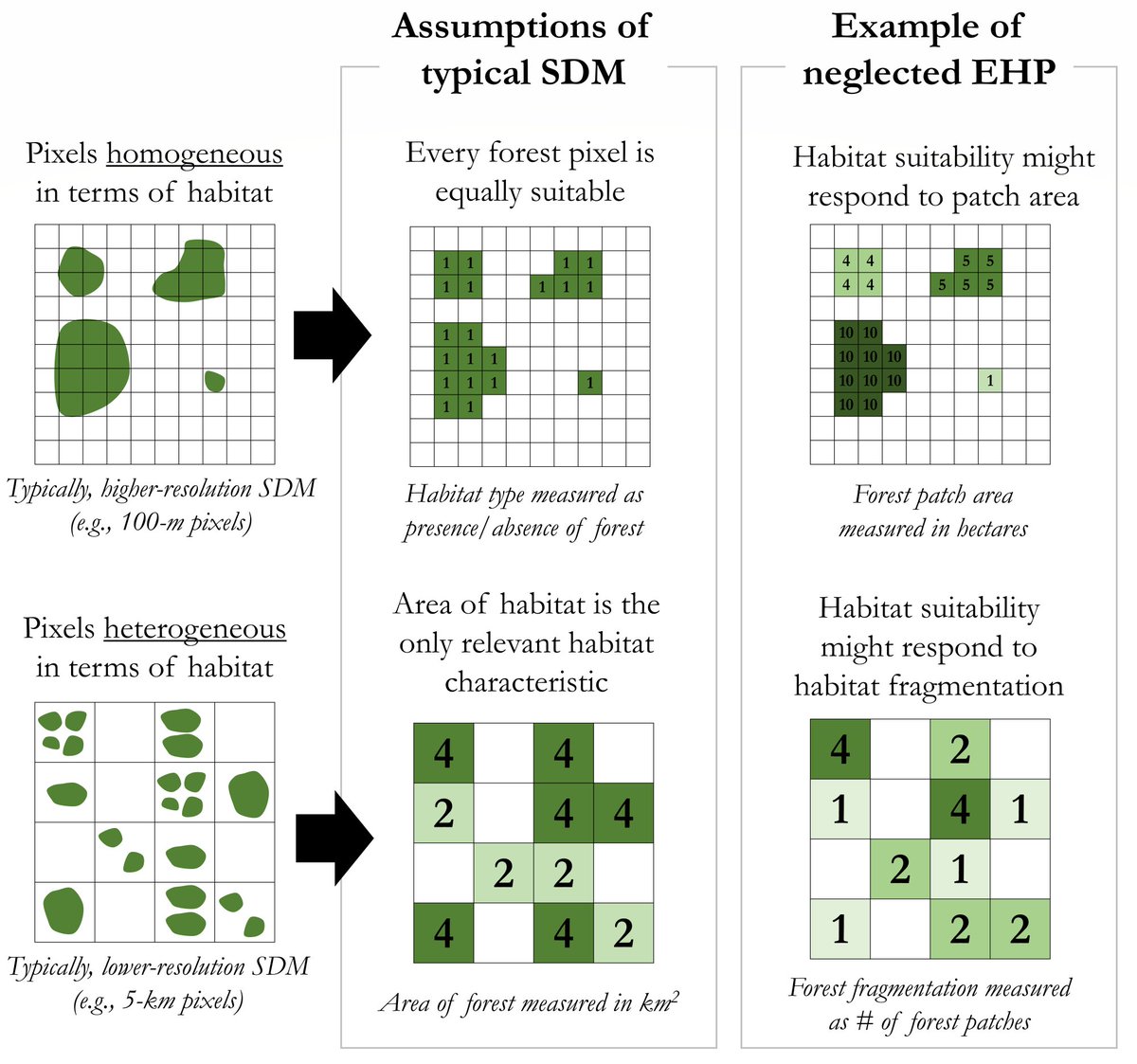
Our Grime review "Incorporating effects of habitat patches into species distribution models" is out in @JEcology
https://t.co/RifdvlftGg. w/ Antoine Guisan @ecospat_ch Lenore Fahrig @GLELCarleton@R_you_cereal @AleMoranOrdonez @CarmenGaln63377 et al. 1/n
I'll be on this upcoming panel of experts to highlight actions for conserving biodiversity in our region. Join us! It is free, but you need to RSVP. https://t.co/MQTyUpVIc1
Exciting news! 📣Join us at the TWS Annual Meeting for a workshop on wildlife ectoparasites and vector-borne diseases 🦌🐻🐦Perfect for wildlife professionals looking to enhance their ectoparasite knowledge and skills. Registration is open now! https://t.co/4qgNaBd27B
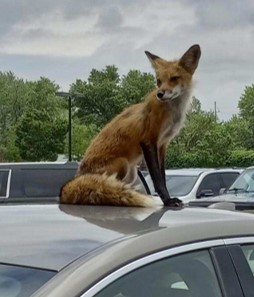
👀 I'm looking for researchers studying urban red foxes🦊 in Asia & North Africa who may be interested in a global collaboration. Please RT or reply with any names of folks I should email. Thanks! (pic for more looks)
Researchers from CAHNR are bringing low-cost testing to CT residents to make sure the 300,000 private wells in the state are free from contamination.
https://t.co/pCYXHjZ3Uw @CTIWR@UConnExtension @UConnNRE
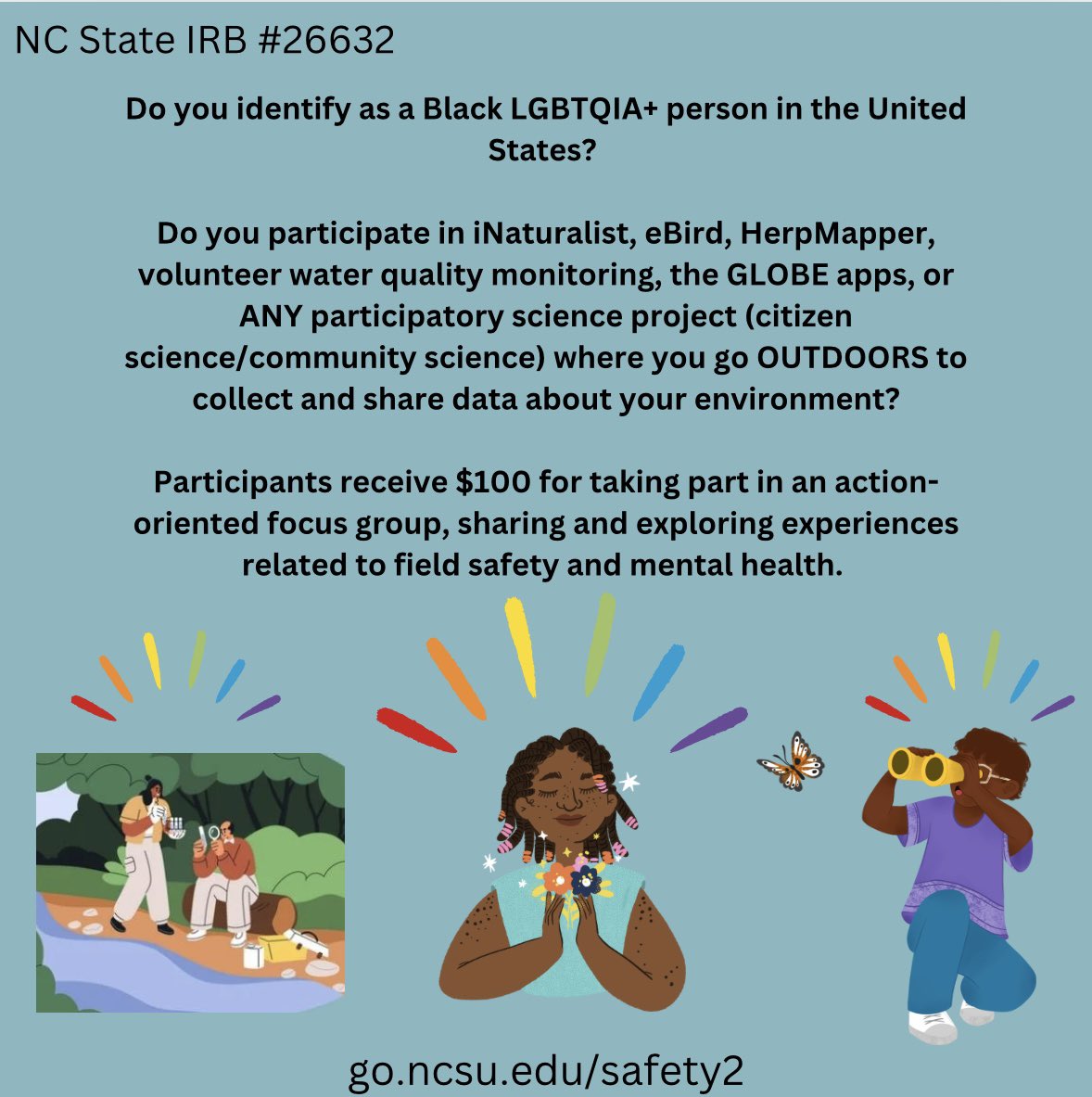
‼️A New Study from @NCStateCNR Researchers‼️:
Do you identify as a Black LGBTQIA+ person in the United States? Do you participate in iNaturalist, eBird, HerpMapper, volunteer water quality monitoring, the GLOBE apps, or ANY participatory science project (citizen science/community science) where you go OUTDOORS to collect and share data about your environment?
If so, are you interested in exploring your experiences in the participatory sciences? Do you want to share your experiences with others like you to help create safe and improved measures for protecting and affirming Black LGBTQIA+ individuals in the field? Are you interested in learning a technique that could empower actionable change in participatory science projects or other social justice initiatives? Researchers from North Carolina State University are inviting Black LGBTQIA+ individuals engaged in the participatory sciences to write about, discuss, analyze, and co-produce understandings of their individual experiences and how that links to the collective.
•
Visit the 🔗 (https://t.co/JHe0KvhS8R) in the ad to learn more and sign up.
Did You Know #UConn offers a free online Rain Garden certificate? Rain gardens are a cost effective, beautiful way to reduce runoff, filter pollutants, and provide food and shelter for butterflies, song birds, and other wildlife
https://t.co/qAUoSjLj6V @UConnExtension@CTIWR
Colorado has seen its first wolf pup since the species was reintroduced in the state in December. The pup is part of what’ now known as the Copper Creek Pack. https://t.co/aIHD4wRPLv
Excited to share our new paper on boreal mammal spatial networks in industrializing landscapes!
https://t.co/yeYo09QuXx
We explored how disturbance effects emerge through direct responses and species interactions.
Thanks to @wildco_lab at @UBC , @cole_burton, and collaborators
Private landowners manage forests in CT but only 11% have forest management plans. Assisting landowners in writing a plan is a strategy for enhancing decisions & forest management. https://t.co/yHtl03bQ0R
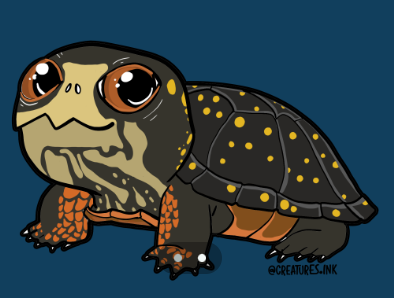
Do you love turtles? You will if you click the link to this story map that contains photos and illustrations of all 57 species of turtles in the US! #WildTurtleWeek
https://t.co/TnZHZQjZGB
Abstract submissions are NOW OPEN for IUWC 2025! Abstracts will be accepted through Oct 1 and acceptance letters sent in early Nov. Our conference theme is “Urban Reflections: What We’ve Learned About Nature, Our Communities and Ourselves." Submit here: https://t.co/p8E0TEWw7F
Did you know that one of the country's largest trout hatcheries is right here in Connecticut? Join Tessa Getchis, for a visit to the Quinebaug Valley State Fish Hatchery, operated by @CTDEEPNews, in Plainfield.
https://t.co/1IqLTXEhQU
@UConnCAHNR@SeaGrant