$XAUUSD
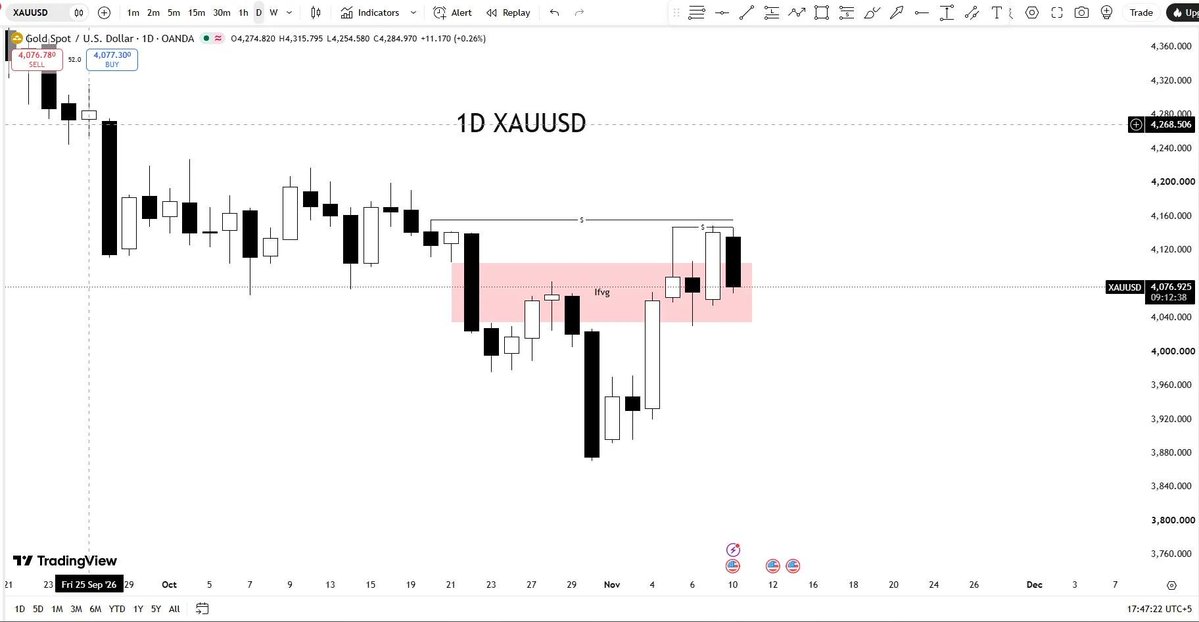
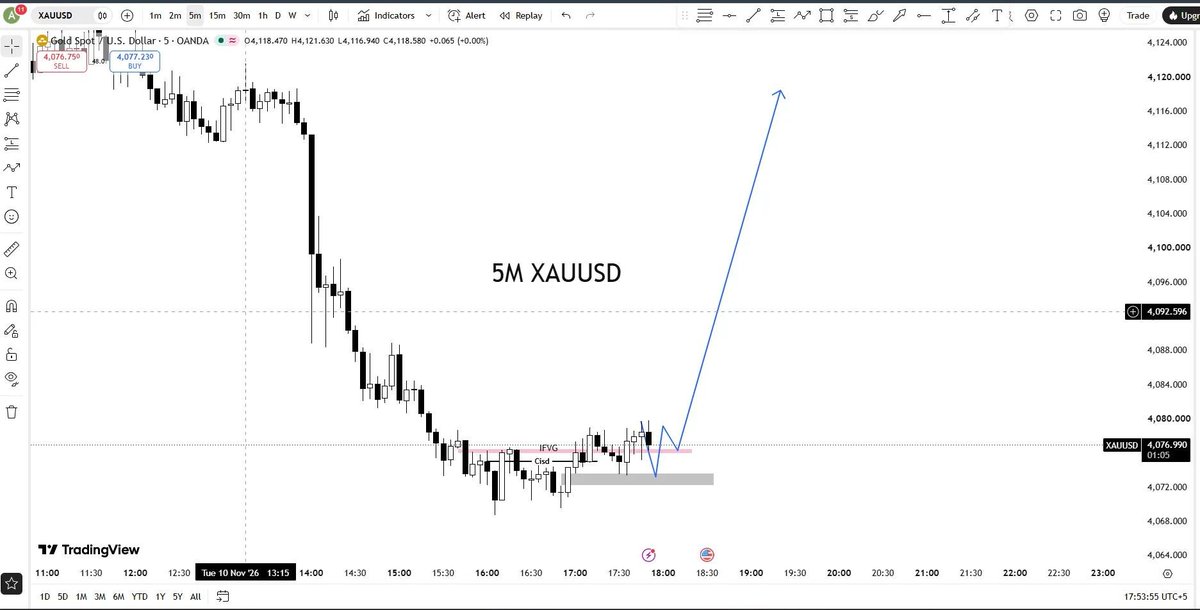
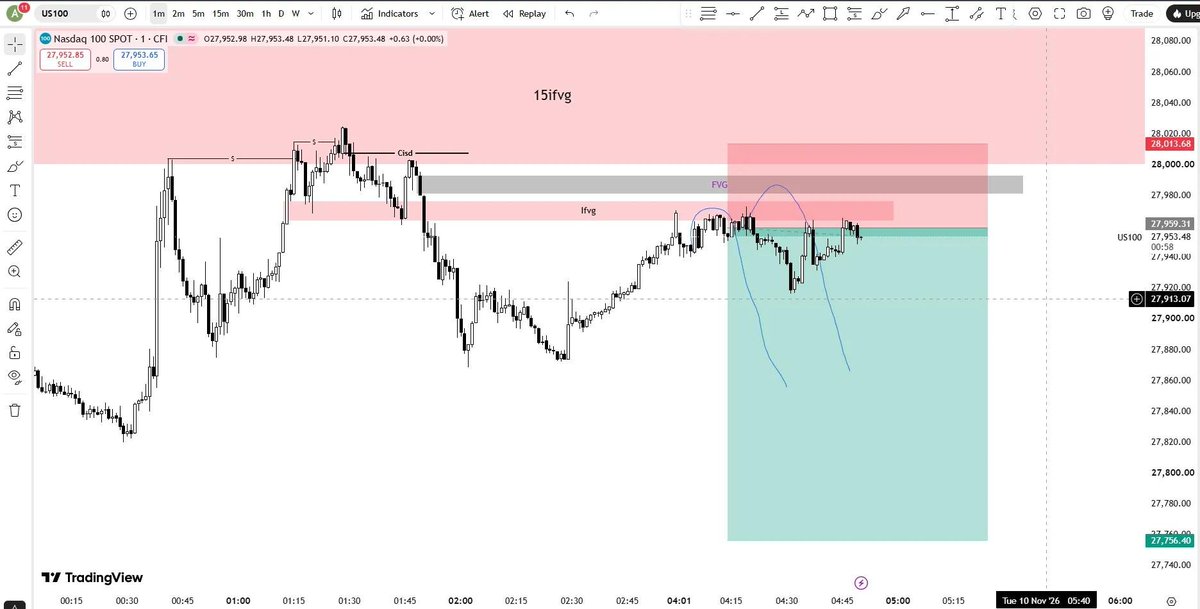
CPI News Analysis
- 1D: We have equal highs, followed by price inverting the FVG.
- 1H : Price failed to close below the
FVG. Instead, it formed a rejection candle and closed back inside the FVG.
- 5M : Clear CISD, a small IFVG, and a clean retracement.
hi my goal currently is to bring @Bitbase_Ex as #1 exchange in the space. very competent and innovative team who is here to stay.
BITBASE points 6 months accumulation phase (don't miss out on this)
Exclusive with code CFO50
-50% cashback
-VIP 5 for 365 days (no volume requirement)
-20% deposit match
-Up to 1.4k bonus potential on volume every 30 days
never had any paid service always provided everything for free for years would appreciate your support :)
The prop firm model is designed to extract as much money as possible from retail traders. But technically, that doesn’t make the model wrong.
For someone with very limited capital who wants to make a career out of trading, prop firms can be a ladder towards that goal. Obviously, there are rules, restrictions and risks involved, but ROI matters too.
Let’s take someone who has $500 to put into trading.
With that same $500, you could potentially purchase a $100K evaluation account from a prop firm. Let’s assume an 8% Phase 1 target, a 5% Phase 2 target and a 10% overall drawdown.
You’re essentially required to generate $13K in profit to pass, which is 130% of your total drawdown allowance.
Once funded, you have a $10K maximum loss buffer to work with. Obviously, that doesn’t mean risking $10K in one trade, but it gives you considerably more room to operate than a $500 personal account.
Now imagine generating $2K in profit over 14 days. Even after an 80% profit split, that’s $1,600 in rewards against an initial $500 evaluation fee.
Compare that with trading your own $500. Even if you generate the same 130% return, you’re making $650 in profit, leaving you with $1,150.
Now ask yourself: where do you have more room to manage risk and generate meaningful returns?
My point is simple: prop firms can be a much better starting point for someone who has the skills but doesn’t have the capital.
I see so many influencers saying, “You can start trading with $100” or “You only need $1,000 to start.”
Technically, they’re not wrong. But let’s be realistic. If you’re trading your own capital, a sustainable goal might be 4–5% monthly. On a $500 account, that’s just $20–$25 a month.
So why completely dismiss prop firms?
They have their flaws, and you need to understand their rules, business models and payout risks. But if you know what you’re doing and can consistently navigate those rules, the ROI potential relative to your initial investment can be significantly better.
Prop firms aren’t for everyone, but for a skilled trader without sufficient capital, they can be a very useful stepping stone.