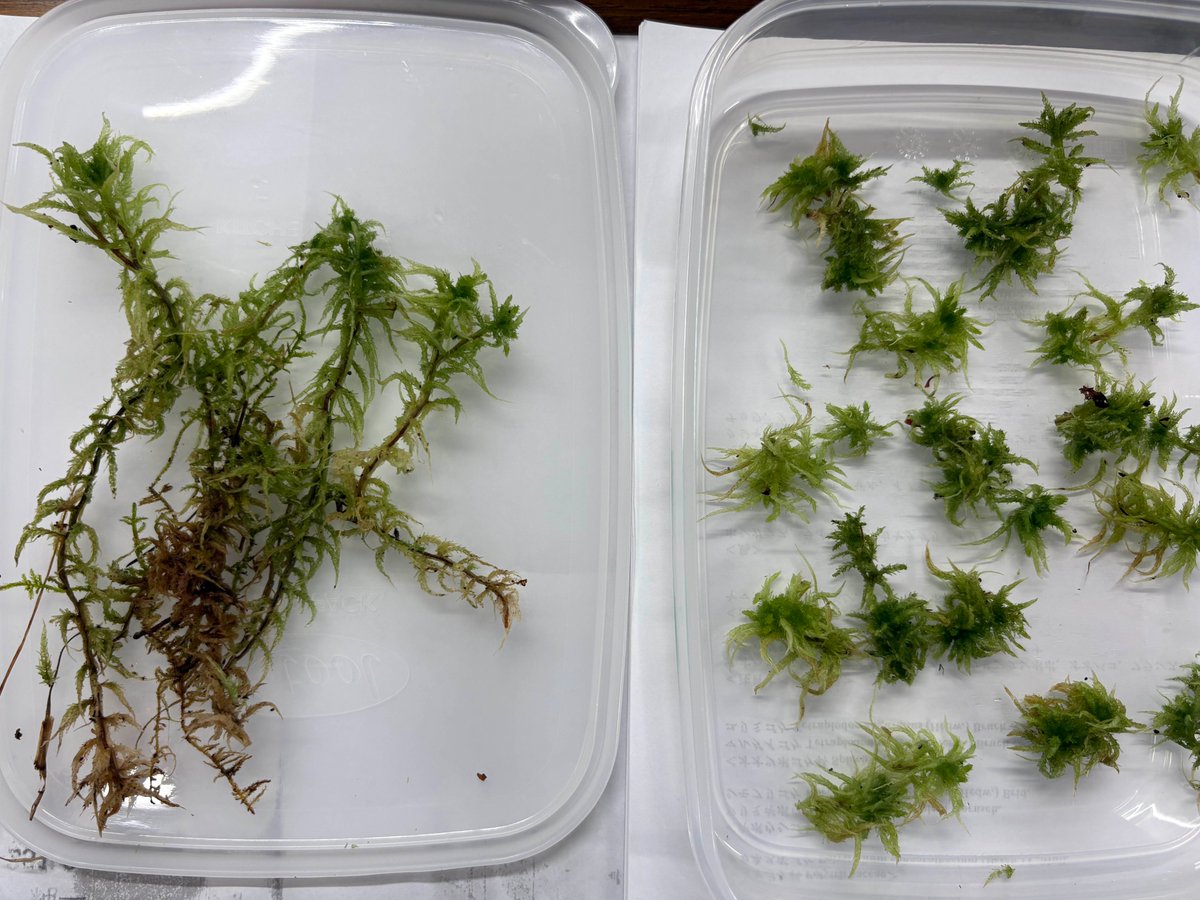
Cavicularia densa is a liverwort species endemic to East Asia, belonging to the family Blasiaceae. It is much larger than its close relative, Blasia pusilla, which is widely distributed in the Northern Hemisphere.
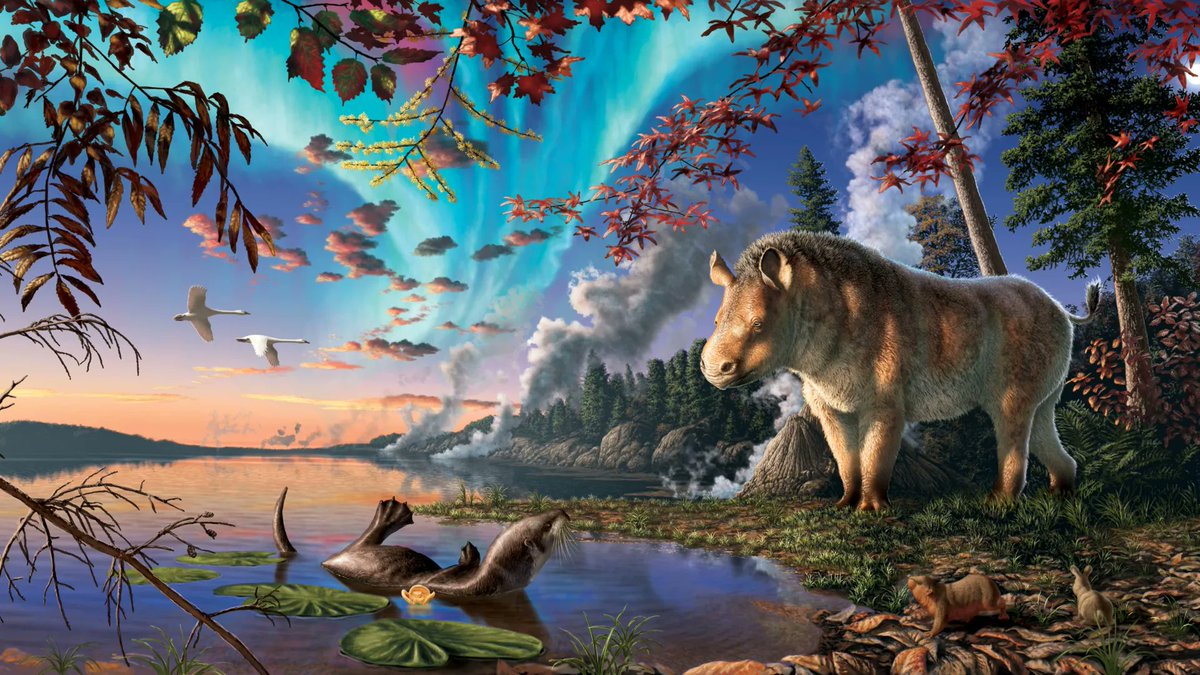
Scientists have uncovered a new species of rhinoceros in the Canadian High Arctic, revealing that rhinos once lived far farther north than expected.
https://t.co/Tc02c8dQYi
#fossils#paleontology
Here's how to safely eat wild "mosses". I recommend Sphagnum. Collect only the densely packed small tip branches, wash thoroughly, and boil them in boiling water with baking soda for 20 minutes. Then rinse thoroughly in cold water, squeeze out, and use in a variety of dishes.
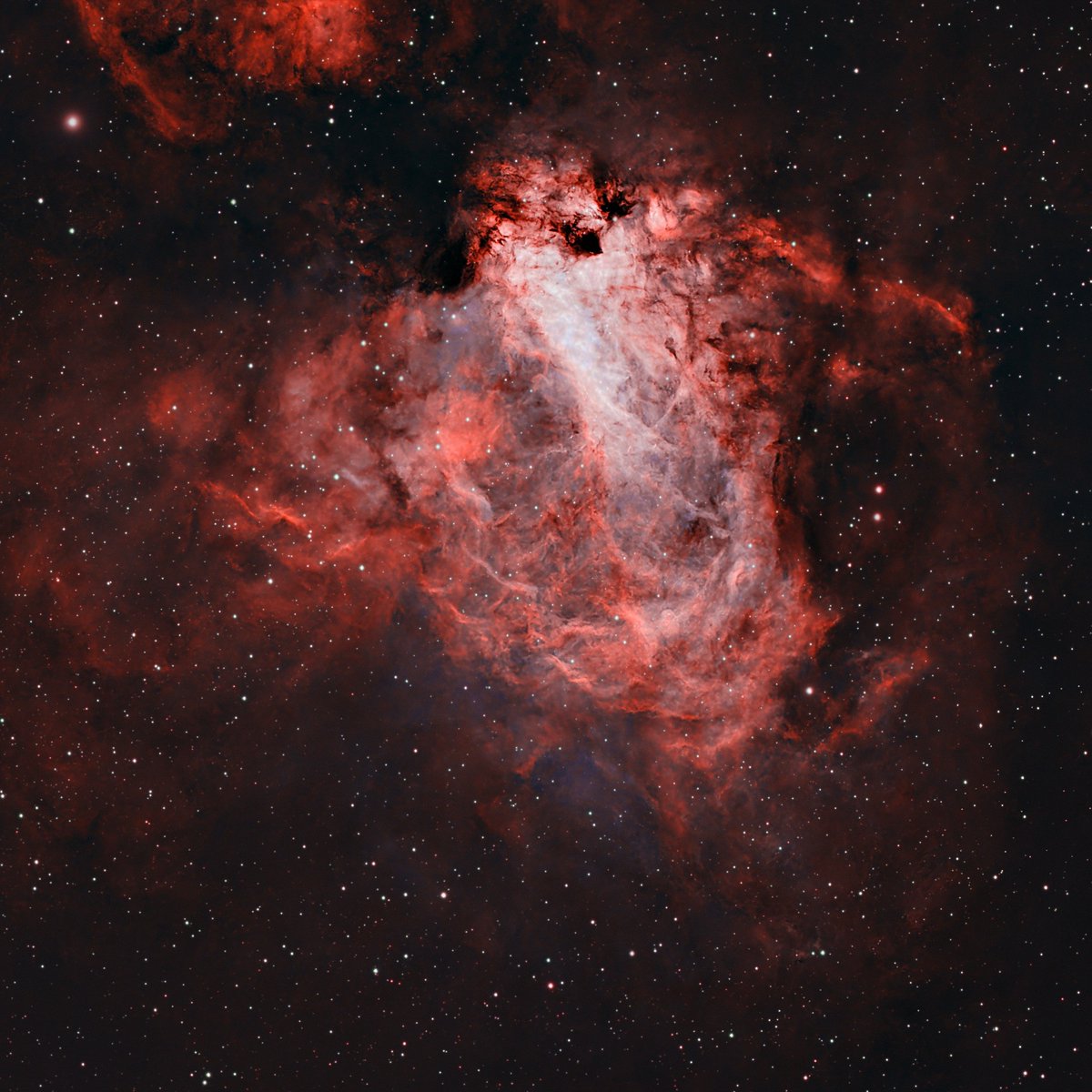
The majestic Swan Nebula (M17) 🦢 — a stellar nursery located about 5500 light-years away in the constellation Sagittarius.
Captured by Oscar Martell, 6 hours of data recorded.
Setup:
🔭 Askar 103APO + 1x Flattener
📸 ASI2600MC Pro
#ZWO#ASI2600MC#AM5#ASIAIR#M17
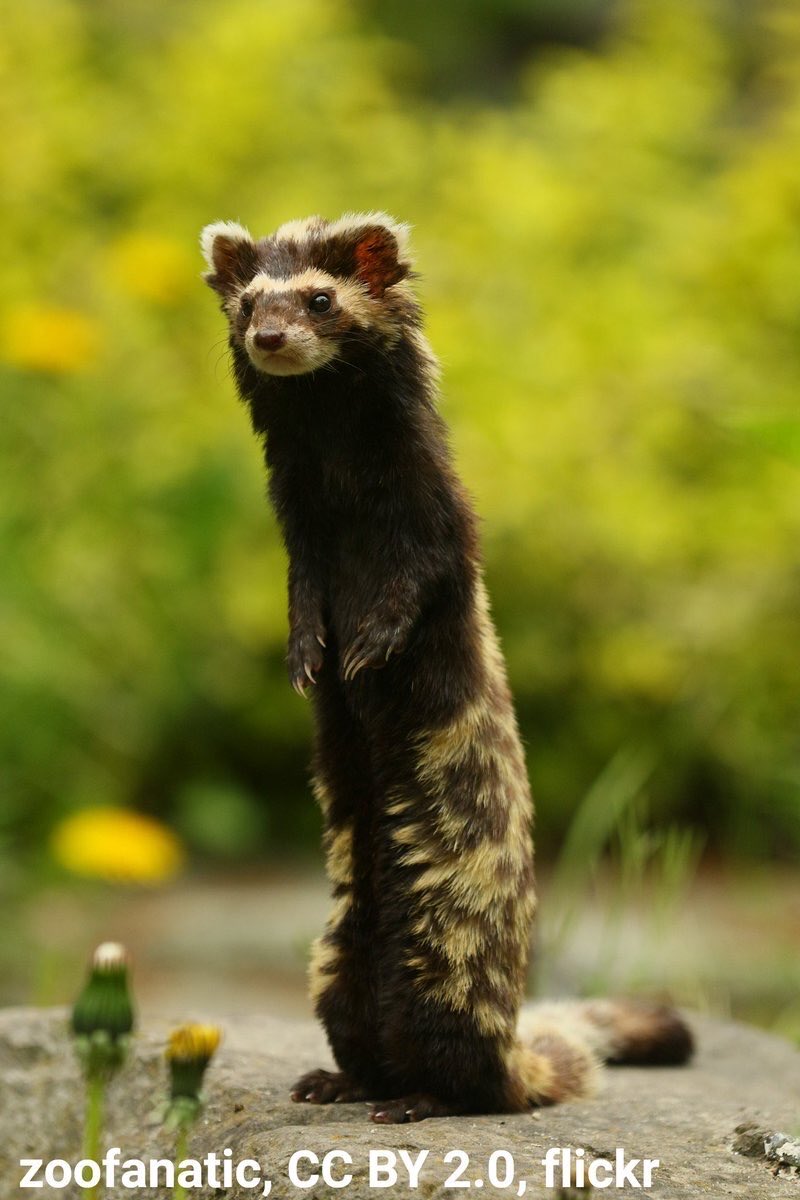
Meet the marbled polecat! Growing ~25.8 in (65.5 cm) long, this mustelid’s short legs & low-slung body allow it to pursue prey like rodents, lizards, & insects—even underground. When threatened, it might arch its back, raise its tail, & release a strong odor from its anal glands.
#Sunlight-recharged, glow-in-the-dark succulents can illuminate spaces for up to two hours, offering a low-cost, sustainable approach to plant-based lighting for indoor and outdoor environments. @cellpressnews https://t.co/jvq6LvUOc6 https://t.co/u1FrPtY8W7