सरकार - 2020 मे हमने गाड़ियों पर एथेनॉल का सफल टेस्ट किया
एथेनॉल- भारत मे बनना और बिकना 2025 मे शरू हुआ
गड़िया --एथेनॉल कंपैटिबल कार 2023 मे आनी शरू हुई
फिर सरकार 2020 मे एथेनॉल कहा से लाई
और कॉनसी गाड़ियों पर टेस्ट किया ....?
We are TAXPAYERS, not your damn subjects!
The vehicle is ours, 15 years of advance road tax is paid by us, GST and Cess are paid by us. Brutal Central and State fuel taxes are paid by us....
So who the hell gave the government the right to tamper with our vehicle's parts and also destroy its mileage without our CONSENT!!!
This is an absolute insult to the hard-earned money of honest citizens! Taxation is a contract; we pay the state to power the economy, not to be financially penalized!
Hardeep Puri ji sir and Nitin Gadkari ji sir : Drop this feudal "Monarch vs. Masses" arrogance and stop plundering the common man's pocket & destroying their vehicles!
#EthanolScam
BETA BADHAO YOJNA
GD अग्रवाल स्वच्छ गंगा की मांग उठा रहे थे। उन्होंने अन्न-जल भी त्याग दिया था।
लेकिन सरकार ढीठ बनी रही, आखिर में फिर प्राण त्याग दिए।
GD अग्रवाल ने साफ़ कहा- नरेंद्र मोदी से उन्हें आशा थी, लेकिन उन्होंने भी धोखा दिया।
सुनिए वे क्या कहते थे 👇🏼
पत्रकार:- आपने कहा प्रधानमंत्री चम्पत राय को बचाने की कोशिश कर रहे
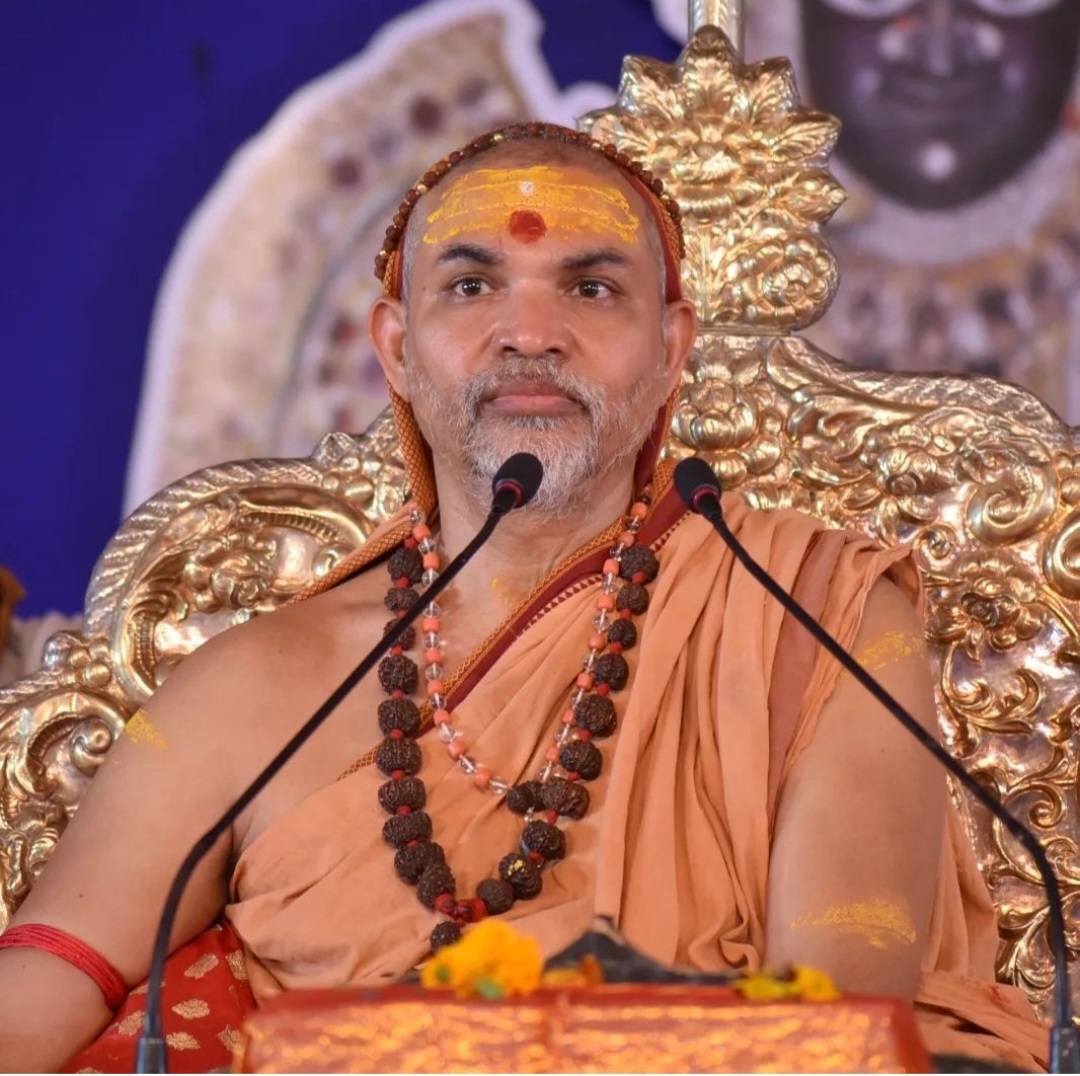
शंकराचार्य जी:- सिर्फ चम्पत राय नही पूरे ट्रस्ट को बचाने की कोशिश कर रहे
कोषाध्यक्ष का नाम आप लोग क्यो नही लेते जबकि कोष मे ही गडबड़ी हुई, तो सबसे पहले कोषाध्यक्ष को आना चाहिए सामने
लेकिन चम्पत राय को बलि का बकरा बना रहे हो और कोषाध्यक्ष आपके सामने प्रेस कॉन्फ्रेंस कर रहा है
पत्रकार:- 3 करोड रूपये कोषाध्यक्ष के हिसाब से चोरी हुए
शंकराचार्य जी:- उनकी नजर मे 3 करोड कुछ होता ही नही है
और सबसे बडा सवाल आपलोग को पूछना चाहिए की ये 3 करोड का आकडा आपको कहां से मिला !!
मुसलमानों की सुन्दर घोषणा के बाद किसी भाजपाई को खुशी हुई?
किस bjp नेता ने खुशी मनाई ?
बल्कि ये दुखी हुए कि यदि गौहत्या बन्द हुई तो हमको राजनीति का मौका कहां मिलेगा ?
#Shankaracharya#Jyotirmath#GavishtiYatra
Shri Nitin Gadkari ji just said:
“Don’t want E20? Buy pure petrol… but it’s expensive.”
So Team Bharat will BUST THESE MYTHS with facts! 🔥
*Fact 1: Petrol costs just ₹52/litre Ethanol costs ~₹72/litre!
*Fact 2: To make Ethanol “affordable” for blending, the government's "BETA BADHAO YOJNA" gives heavy subsidies to distilleries!
*Fact 3: Indian Ethanol is diverted to petrol thus → forcing INDIA to import industrial Ethanol from the USA!
*Fact 4: Nepal & Bhutan buy pure petrol from India… and sell it cheaper to their citizens!
Isn’t this mind-boggling?
This is nothing short of an #EthanolScam
#BetaBadhaoYojna #E20 #NitinGadkari #PetrolPrice #SugarDaddy
🚨 ब्रेकिंग न्यूज़ 🚨
राम जन्मभूमि तीर्थ क्षेत्र ट्रस्ट के कोषाध्यक्ष गोविंद गिरी महाराज ने अविमुक्तेश्वरानंद के बयानों पर तीखी प्रतिक्रिया दी है।
गोविंद गिरी जी ने कहा कि अविमुक्तेश्वरानंद को ज्योतिष्पीठ का शंकराचार्य मानना उचित नहीं है। उनका आरोप है कि राम मंदिर आंदोलन और मंदिर निर्माण की पूरी प्रक्रिया के दौरान उन्होंने कभी समर्थन नहीं किया, बल्कि लगातार विरोध का रुख अपनाया।
उन्होंने यह भी कहा कि अविमुक्तेश्वरानंद प्रधानमंत्री नरेंद्र मोदी के प्रखर आलोचक रहे हैं और जब प्रधानमंत्री पहली बार चुनावी मैदान में उतरे थे, तब भी उनके विरोध में प्रचार किया गया था।
गोविंद गिरी के इस बयान के बाद धार्मिक और राजनीतिक हलकों में नई चर्चा शुरू हो गई है। #RamMandir #Ayodhya #GovindGiri #BreakingNews
“हमारा मंदिर कॉरिडोर हो गया और इनका कार्यालय तीर्थ हो गया। भाजपा के लोग नकली हिंदू हैं। ये ढोंगी, पाखंडी कालनेमि हैं जिन्होंने रूप हिंदू का धारण किया हुआ है लेकिन काम सब उसके विपरीत है। जो मूर्ति वहां आई, वह रामलला विराजमान की नहीं है, भाजपा के पसंद की मूर्ति है।
हमसे पूछा गया कि मंदिर क्यों नहीं गए? हमने कहा, मंदिर बन जाए तो जाएं। वह तो इनका कार्यालय है। वहां जितने भ्रष्टाचार और कदाचार हुए, सबके पीछे नरेंद्र मोदी हैं। अब ये कुछ घटना करके जनता का ध्यान भटकाएंगे ताकि ये मामला रफा-दफा किया जा सके।”
~ शंकराचार्य स्वामी अविमुक्तेश्वरानंद सरस्वती
What exactly are the security forces doing? Houses are being burnt in broad daylight while residents sit helplessly in relief camps. When people are forced out of their homes, protecting their property is the duty of the forces. No excuses.
Kanto Sabal lies right next to the 57 Mountain Division, with both central and state forces stationed here. Yet homes continue to burn. If the forces cannot protect property under their very nose, the failure is theirs and the blame cannot be shifted onto the people.
Responsibility must be fixed on the officer in charge of security in this area, without delay. Elements trying to sabotage the peace process are operating freely, and this cannot be tolerated. The culprits must be identified and arrested immediately.
500 साल से हिंदुओं ने राम मंदिर के लिए संघर्ष किया। संघी केवर 40 साल पहले अपनी पार्टी को सत्ता दिलाने के लिए राम मंदिर आंदोलन से जुड़े, पहले शिला लूटी, फिर कारसेवकों पर गोली चलाने वाले नेता को पद्मविभूषण दिया, गोली चलाने वाले नौकरशाह को राम मंदिर ट्रस्ट में बैठाया और अब मंदिर लूट लिया। संघी चोर हैं।
नरेंद्र मोदी ने बताया कि वो 30 साल पहले न्यूजीलैंड गए थे, तब उनको गिफ्ट में मफलर, एक कैप और एक दस्ताना मिला था. उस वक्त उन्हें कोई जानता नहीं था.
मोदी ने इससे पहले ये भी बताया है कि वो 35 साल तक भीख मांगकर खाए हैं. उससे पहले 17 साल की उम्र तक चाय बेची है.
सोचिए... कांग्रेस की सरकार में भीख मांगकर खाने वाले भी इतने अमीर थे कि न्यूजीलैंड घूम रहे थे.
है ना कमाल की बात
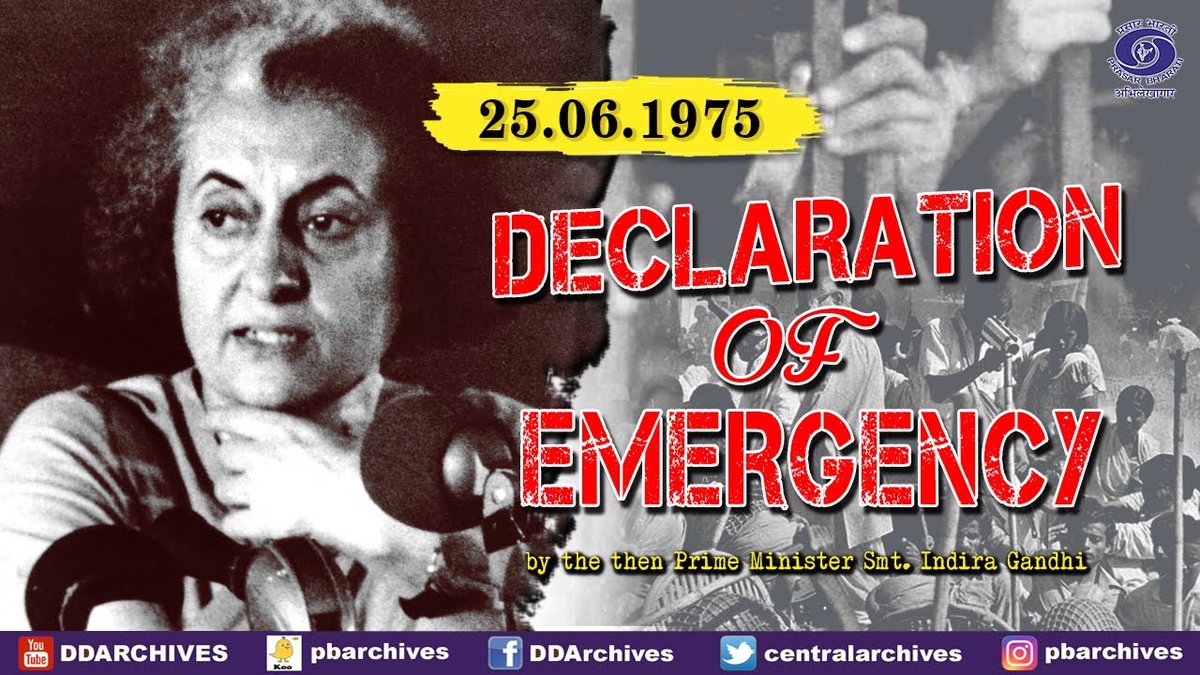
INDIRA GANDHI'S EMERGENCY SAVED INDIA
Honouring Indira Gandhi’s Courageous Legacy:
On this historic 50th anniversary of the Emergency, June 25, 2025, we pay tribute to Indira Gandhi’s fearless leadership in invoking Article 352 of the Indian Constitution to shield India from a perilous cascade of chaos and conspiracy. Her resolute action in 1975, often misunderstood as a blemish on democracy, was a bold and necessary stand to safeguard the nation’s unity, sovereignty, and democratic core. As a steadfast admirer of her strength, determination, and unyielding patriotism, having long defended her legacy—not for ideological allegiance but for her unwavering commitment to India’s survival—this article delves into the historical context, constitutional framework, motivations, and consequences of the Emergency. By peeling back layers of propaganda and selective narratives, it argues that Indira Gandhi’s decisive leadership during one of India’s most critical moments merits celebration, not condemnation, as a testament to her enduring legacy.
The Constitutional Framework - Power, Propriety, and Purpose:
The Indian Constitution anticipates extraordinary circumstances that may endanger the nation’s existence. Part XVIII, encompassing Articles 352 to 360, provides the government with Emergency Powers to address threats to India’s sovereignty, unity, and integrity. Article 352 (as it existed prior to amendment by 44th Constitutional Amendment in 1978), in particular, allows the President to proclaim a National Emergency if the security of India or any part thereof is threatened by war, external aggression, or internal disturbance. These provisions are not mere decorative clauses but robust tools designed to empower the state to act decisively in times of crisis.
The proclamation of the Emergency in 1975 was, on its face, entirely constitutional. It adhered to the legal framework outlined in Article 352, with President Fakhruddin Ali Ahmed issuing the proclamation based on the advice of the Council of Ministers led by Indira Gandhi. The process was transparent, parliamentary approval was sought as required, and the Emergency was formally declared to address what the government described as a grave threat to India’s internal security. Legally, the government was well within its rights to invoke these powers.
However, legality alone does not suffice when evaluating the use of such extraordinary measures. The propriety of the Emergency—its alignment with legitimate purposes and the broader spirit of constitutional governance—must also be scrutinised. Propriety demands that emergency powers be exercised not for personal or partisan gain but to protect the nation’s core interests. Critics argue that the Emergency was a pretext for Indira Gandhi to consolidate power, particularly in light of personal political setbacks. Supporters, however, contend that the decision was driven by a genuine need to counter a multifaceted crisis that threatened to unravel the fabric of the Indian state. To assess this, we must delve into the historical context that precipitated the Emergency.
The Historical Context - A Nation on the Brink:
The early 1970s were a turbulent period in India’s history, marked by a confluence of internal and external challenges that tested the resilience of its democratic institutions. To understand the Emergency, one must first appreciate the complex and volatile environment in which it was declared.
The Aftermath of 1971 - Triumph and Retribution:
Indira Gandhi’s leadership reached its zenith in 1971 with India’s decisive role in the liberation of Bangladesh. The Indo-Pak War of 1971, culminating in the creation of Bangladesh, was a geopolitical triumph that not only showcased India’s military prowess but also reshaped South Asia by dismembering Pakistan. This victory, however, came at a significant cost. Pakistan, humiliated by its defeat, intensified its covert operations against India. The Inter-Services Intelligence (ISI) adopted a strategy of “Bleed India by a Thousand Cuts,” aiming to destabilise the country through proxy warfare, insurgencies, and internal subversion.
Simultaneously, the United States, a Cold War ally of Pakistan, viewed India’s actions with hostility. The Nixon administration, which had tilted heavily toward Pakistan during the 1971 war, was reportedly incensed by India’s defiance and its growing alignment with the Soviet Union. Declassified documents and historical accounts suggest that the Central Intelligence Agency (CIA) may have activated political and social networks within India to weaken Indira Gandhi’s government. While direct evidence of CIA involvement remains elusive, the geopolitical context lends credence to the perception that India faced external pressures aimed at undermining its stability.
Internal Disturbances - A Cascade of Crises:
Between 1971 and 1975, India grappled with a series of internal disturbances that exacerbated its vulnerabilities. The country faced rampant inflation, food shortages, and unemployment, fueling widespread discontent. These economic challenges were compounded by a wave of political and social unrest that appeared, to the government, as orchestrated efforts to paralyse the state.
The JP Movement and Total Revolution: The Jayaprakash Narayan-led JP Movement emerged as a significant challenge to Indira Gandhi’s government. Narayan, a revered freedom fighter educated in the United States, called for “Sampoorna Kranti” (Total Revolution) to overhaul the political system. Supported by opposition parties such as the Bharatiya Lok Dal and the Bharatiya Jan Sangh (the precursor to the Bharatiya Janata Party - BJP, the political arm of the Rashtriya Swayamsevak Sangh - RSS), the movement mobilised students, labour unions, and disaffected groups across the country. While framed as a grassroots uprising against corruption and mis-governance, the movement’s rhetoric and actions—such as calls for civil disobedience—contributed to widespread chaos.
Student and Labor Unrest: In Gujarat, the Navnirman Andolan, a student-led agitation in 1974, protested against corruption and economic mismanagement. The movement forced the resignation of Congress Chief Minister Chimanbhai Patel and led to the imposition of President’s Rule, signalling the fragility of state-level governance. Meanwhile, labour strikes, particularly the 1974 railway strike orchestrated by George Fernandes as President of the All India Railwaymen’s Federation (AIRF), brought the economy to a standstill. The railway strike, lasting 20 days, disrupted supply chains and paralysed transportation, amplifying economic distress. Notably, Jayaprakash Narayan had previously led the AIRF, suggesting a network of coordinated opposition to the government.
Judicial Activism and the Allahabad Verdict: The judiciary, emboldened by landmark cases like Keshavananda Bharati (1973), which established the Basic Structure Doctrine, began asserting its independence by limiting Parliament’s power to amend the Constitution. This judicial activism created tensions with the executive, as opposition parties leveraged court rulings to challenge the government’s authority. The tipping point came on June 12, 1975, when Justice Jagmohanlal Sinha of the Allahabad High Court invalidated Indira Gandhi’s 1971 election victory in Raebareli, citing electoral malpractices. The verdict barred her from holding office for six years, plunging the country into a constitutional crisis. Although the Supreme Court granted a conditional stay on June 24, 1975—and later quashed the verdict entirely on November 7, 1976—the political damage was irreparable.
Threats of Mutiny and Armed Rebellion: The JP Movement escalated its rhetoric in the wake of the Allahabad verdict, with Jayaprakash Narayan openly calling on the military and police to disobey government orders. This incitement to mutiny was unprecedented and posed a direct threat to the state’s authority. The 1973 revolt by the Provincial Armed Constabulary in Uttar Pradesh, which required army intervention to quell, further underscored the vulnerability of India’s internal security apparatus. These developments created a palpable sense of anarchy, with the government perceiving a coordinated assault on its legitimacy.
The External-Internal Nexus:
The Indira Gandhi government believed that these internal disturbances were not merely organic expressions of dissent but part of a broader conspiracy involving foreign actors. The CIA and ISI, it was alleged, were exploiting India’s domestic fault lines to destabilise the country in retaliation for its role in Bangladesh’s creation. While hard evidence of foreign involvement remains elusive, the geopolitical context—Pakistan’s hostility, U.S. antagonism, and India’s strategic alignment with the Soviet Union—lent plausibility to these concerns. The government viewed the JP Movement, labour strikes, and judicial challenges as interconnected elements of a plot to weaken India from within.
The Emergency - A Necessary Response to an Existential Crisis:
Faced with this cascade of crises—economic paralysis, political instability, judicial overreach, and threats of armed disaffection—the Indira Gandhi government argued that decisive action was imperative to safeguard India’s unity and democracy. On June 25, 1975, invoking Article 352, the government declared a National Emergency, citing a “grave crisis” threatening the nation’s security. The proclamation was not an impulsive power grab but a calculated response to a multifaceted assault on the state, which the government believed was orchestrated by both domestic and foreign actors.
The Emergency empowered the government to take extraordinary measures, including the suspension of certain fundamental rights, preventive detention of opposition leaders, and censorship of the press. These steps, while controversial, were aimed at restoring order and preventing further destabilisation. The government argued that the nation’s survival was at stake, and the temporary curtailment of freedoms was a necessary sacrifice to protect the broader democratic framework.
Key Measures and Their Rationale:
Preventive Detention: Under the Maintenance of Internal Security Act (MISA), thousands of opposition leaders, activists, and trouble-makers were detained. The government justified these detentions as necessary to neutralise individuals inciting violence and subversion. Figures like Jayaprakash Narayan and Morarji Desai were among those arrested, as the government believed their actions were fueling anarchy.
Press Censorship: The imposition of press censorship was one of the most criticised aspects of the Emergency. Newspapers were required to submit content for pre-publication review, and critical voices were silenced. The government argued that several media outlets were acting as force-multipliers for subversive elements, with unchecked reports amplifying unrest and spreading propaganda that undermined national stability.
Economic and Administrative Reforms: The Emergency also provided an opportunity to implement reforms aimed at addressing economic challenges. Indira Gandhi’s 20-Point Programme, announced in July 1975, focused on poverty alleviation, rural development, and economic stabilisation. Measures such as price controls, anti-hoarding laws, and land reforms were introduced to restore public confidence and mitigate economic distress.
Discipline and Governance: The Emergency emphasised discipline in public life, with campaigns to improve bureaucratic efficiency, reduce corruption, and enhance public services. While these efforts yielded mixed results, they reflected the government’s intent to use the Emergency as a tool for systemic improvement.
The End of the Emergency - A Testament to Democratic Resilience:
The Emergency lasted 21 months, a relatively brief period in the context of India’s history. On March 21, 1977, Indira Gandhi voluntarily revoked the Emergency and announced general elections, a decision that challenges accusations of dictatorial intent. Had she sought to entrench herself as an authoritarian ruler, she could have prolonged the Emergency indefinitely or manipulated the constitutional framework to subvert democracy. Instead, her decision to call elections reflects a deep commitment to democratic principles and confidence in the judgment of the Indian electorate.
The 1977 elections, however, resulted in a decisive defeat for Indira Gandhi and the Congress Party. The Janata Party, a coalition of opposition groups formed under the mentorship of Jayaprakash Narayan, capitalised on public resentment over the Emergency to secure a landslide victory. This outcome underscored the resilience of India’s democracy, as the electorate exercised its power to hold the government accountable. Indira Gandhi’s willingness to accept defeat and step down further demonstrates her respect for democratic norms, belying claims of authoritarianism.
The Alleged Excesses -Separating Fact from Fiction:
Critics of the Emergency often cite police brutality, forced sterilisations, and censorship as evidence of its authoritarian character. These allegations, while not entirely baseless, require careful scrutiny to distinguish fact from exaggeration.
Police Brutality and Detentions: Reports of police highhandedness and arbitrary detentions during the Emergency are well-documented. Yet, such excesses were not unique to this period Police highhandedness and bureaucratic overreach have been persistent features of Indian governance—before, during, and after the Emergency—regardless of the party in power. The scale of detentions—estimated at over 100,000—has been criticised, but the government argued that these measures targeted individuals actively undermining the state. While abuses undoubtedly occurred, they must be viewed in the context of a broader governance continuum rather than as isolated sins of the Emergency.
Forced Sterilisations: The Emergency’s population control program, particularly the sterilisation campaign led by Sanjay Gandhi, Indira Gandhi’s son, is often cited as a egregious example of overreach. Reports of coercive sterilisations, particularly in rural areas, fueled public outrage. While these incidents were regrettable, they were not a central plank of the Emergency’s agenda but rather an overzealous implementation of a broader population control policy. The backlash against sterilisations was amplified by opposition parties to discredit the government.
Censorship and Media Suppression: Press censorship remains one of the most enduring criticisms of the Emergency. While the restrictions on media freedom were significant, they were justified by the government as necessary to prevent the dissemination of inflammatory content that could exacerbate unrest. The Indian media, even before the Emergency, was not immune to biases and sensationalism, and the government argued that temporary controls were essential to maintain national stability.
Much of the outrage over these alleged excesses was amplified by political opponents and sections of the media, veering into what can be described as “false atrocity propaganda.” The adage “give the dog a bad name and hang it” captures the strategy of those who sought to vilify Indira Gandhi and her government. While abuses of power during the Emergency should not be dismissed, they must be contextualised within the broader challenges of governance and the extraordinary circumstances of the time.
In times of crisis, governments rely on emergency measures to restore stability, a practice accepted at both local and national levels. When law and order spiral out of control, district authorities invoke Section 144 of the Criminal Procedure Code (now Section 163 Bharatiya Nagarik Suraksha Sanhita), imposing curfews that restrict freedoms, empower police to detain agitators, and curb chaos until normalcy returns. These measures, though restrictive, are rarely questioned as essential for public safety. Similarly, the National Emergency of 1975, proclaimed under Article 352 of the Indian Constitution, served as a constitutional curfew on a national scale, designed to quell anarchy, protect unity, and safeguard India’s sovereignty. Yet, while local curfews are met with understanding, the Emergency—executed through impeccable constitutional means—faces relentless condemnation. This glaring inconsistency reveals a selective outrage that ignores the Emergency’s role as a vital shield against national disintegration, exposing the hypocrisy of those who decry it while endorsing analogous measures locally.
The Legacy of the Emergency: A Vilified Necessity
The Emergency of 1975 remains a deeply divisive issue in India’s collective memory. Critics view it as a black spot on Indian democracy, a period when fundamental rights were trampled, and authoritarianism prevailed. Supporters, however, argue that it was a necessary response to an existential crisis that threatened to plunge India into anarchy. The truth, as always, lies in the grey areas between these extremes.
The Emergency was not an act of personal aggrandisement but a constitutional mechanism deployed to protect India’s unity and sovereignty. The crises of the early 1970s—economic distress, political instability, judicial challenges, and external pressures—created a perfect storm that demanded decisive action. Indira Gandhi’s government, faced with the spectre of national disintegration, chose to wield the tools provided by the Constitution to restore order and safeguard democracy.
The voluntary revocation of the Emergency and the subsequent elections of 1977 underscore Indira Gandhi’s commitment to democratic principles. Her decision to face the electorate, despite the risk of defeat, reflects a patriotism and confidence in India’s democratic institutions that her critics often overlook. The excesses of the Emergency, while regrettable, were not unique to this period and must be viewed in the context of India’s broader governance challenges.
A Mischievous Resolution in 2024 - Rewriting History for Political Gain:
On June 26, 2024, the Speaker of the Lok Sabha, Om Birla, introduced a resolution condemning the Emergency of 1975, nearly five decades after the event. This move, driven by the RSS-BJP-Modi government, reeks of petty political motives and an attempt to rewrite history for partisan gain. Had the Indira Gandhi government not acted decisively in 1975, India could have descended into anarchy, witnessed the collapse of its democracy, or faced territorial dismemberment. The concerted animosity of Pakistan and the United States, determined to punish India for its role in Bangladesh’s creation, posed a real and present danger to the nation’s survival.
The Churchillian adage, “When the war of the giants is over, the wars of the pygmies will begin,” aptly captures the sinister intent behind this resolution. By raking up the Emergency, the RSS-BJP-Modi government aims to divert public attention from its own governance failures. This resolution is not merely a historical misjudgement but an anti-national act that undermines India’s resilience and the sacrifices made to protect its unity. I denounce the anti-India motives of those who endorsed this resolution, which strikes at the heart of India’s democratic legacy.
Conclusion - Reclaiming the Narrative:
The Emergency of 1975 was neither a black spot nor an unmitigated triumph but a complex and necessary response to an unprecedented crisis. Indira Gandhi, a leader of unparalleled resolve, navigated India through one of its darkest hours, using the constitutional tools at her disposal to protect the nation’s sovereignty and integrity. Though regrettable, the excesses of the Emergency were not its defining feature but rather a reflection of the challenges inherent in governing a diverse nation using colonial administrative systems.
As India reflects on its democratic journey, it is imperative to move beyond polarised narratives and recognise the Emergency for what it was: a bold and constitutionally valid act to safeguard the nation. Indira Gandhi’s legacy, far from being tarnished, should be celebrated for its courage, patriotism, and unwavering commitment to India’s unity and democracy.
देर रात मुगलसराय में प्राचीन काली माता मंदिर पर बुलडोजर चला दिया गया
बनारस में सैकड़ों प्राचीन कालीन मंदिरों जिनका वर्णन पुराणों में को गिरा दिया गया
एक तरफ़ बीजेपी वाले मंदिरों को तोड़ रहे है दूसरी तरफ़ मंदिरों को लूट है
मंदिरों को तोड़ने और उन्हें लूटने में बीजेपी वालों ने बाहरी आक्रांताओं को पीछे छोड़ दिया
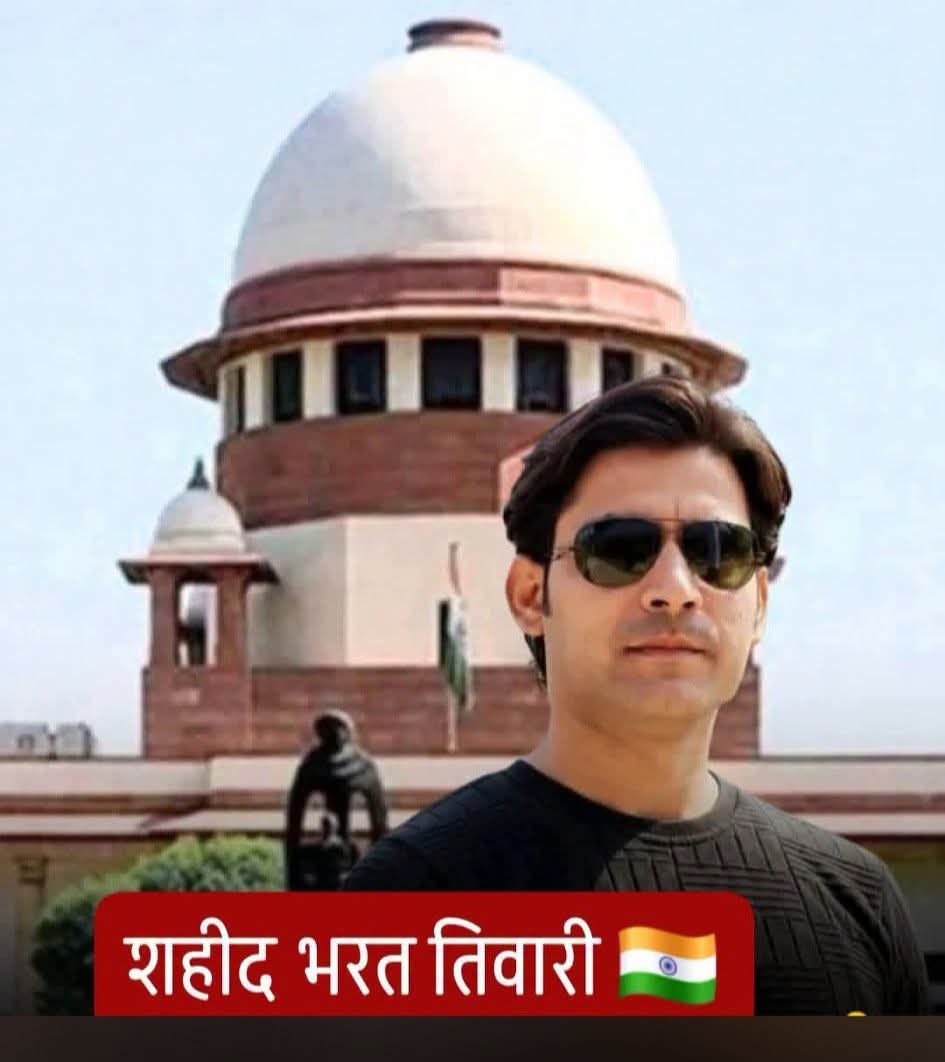
भरत तिवारी जी ने live में कहा था की,
मेरे ना रहने पर मेरा फ़ोन मेरे घर वालो के अलावा किसी और के हाँथ नहीं लगना चाहिए उसमें कई भ्रष्ट नेता, अधिकारीयों के खिलाफ सख्त सुबूत हैं....उन्होंने लाइव में 1400 करोंड रूपये के घो*टा*ले का भी ज़िक्र किया था....
परंतु लॉ प्रोसीज़र बताते हुए BiharPolice ने
वीर शहीद भरत तिवारी जी कि हत्*या करने के बाद
उनका फ़ोन अपनी कस्टडी में रख लिया है.....
अब कुछ प्रभावशाली व्यक्ति आरोप लगा रहे हैं भरत तिवारी अपना फोन 8 बार लाइव हुए थे बिहार पुलिस ने
उन आठ लाइव वीडियो में से
दो लाइव विडिओ को,, फेसबुक से डिलीट कर दिया
है,जिसमें भरत जी ने 1400 करोड़ के घोटाले पर बात करते हुए दिख रहे हैं...
बिहार पुलिस के द्वारा भरत तिवारी जी के छोटे भाई को धमकाया गया
कि सारी नौटंकी ख़त्म करो नहीं तो तुम्हरा और तुम्हरें पूरे परिवार का भी एनका*उंटर किया जायेगा ☺️🙂
दुःख कि बात यह है
कि अभी तक भरत तिवारी जी का स्मार्टफोन उनके
परिजनों को नहीं सौपा गया है....
हत्*या करने वाले ऑफिसर कि पोस्टिंग कर दी गई है
जबकी उसे ससपेंड करके 302 के तहत अंदर
कर देना चाहिए था......
अब इससे बड़ा जंगलराज़ और क्या हो सकता है...
आप स्वयं अकालन करें
और अपनी राय दें 🙏 ..... ✍️🚩
हिंदू धर्म तुम्हारी बपौती नहीं है। विपक्ष ने हिंदुओं के पक्ष में मंदिर लुटेरों को घेरा, इसलिए हिंदुओं के फर्जी ठेकेदार बिलबिला उठे हैं! मंदिर लुटेरे हिंदू नहीं, अब्बासी हैं!
अगर आप गन्ने के जूस वाला पेट्रोल नहीं डलवाना चाहते तो आपको 170 रुपये प्रति लीटर देना पड़ेगा।
मेरे पास इस समस्या का एक आसान उपाय है। सरकार को एक आदेश जारी करना चाहिए कि देश में जिसके भी पास कार है, उसे जब्त करके बेच दिया जाए और सारा पैसा बीजेपी के खाते में जमा करा दिया जाए। बीजेपी और अमीर हो जाएगी और देश में कार, पेट्रोल, डीजल वगैरह का सब झंझट खतम हो जाएगा।
वे विध्वंसक आइडिया आपको पसंद आया हो तो तुरंत इसे मोदी जी तक पहुंचाएं और उन्हें अमीर बनाने के नुस्खे सुझाएं। पुण्य मिलेगा।
Fatwa of RSS-BJP ...
Ramlala temple at Ayodhya is not the private property of BJP and RSS. Who are they to allow or not to allow anyone from having Darshan of Ramlala? Why is it necessary for everyone to visit the temple when they want? Pepole can go anytime at their convenience. Not only Champat Rai Bansal, but those who personally constituted the trust, personally apponted the trustees, personally laid the foundation of the temple, personally did Praan Pratishtha of Ramlala Pratima. personally hoisted the Dharm Dhwaja and kept the affairs of the trust out of the perview of RTI must also be brought under the scope of investigation on donation theft case.