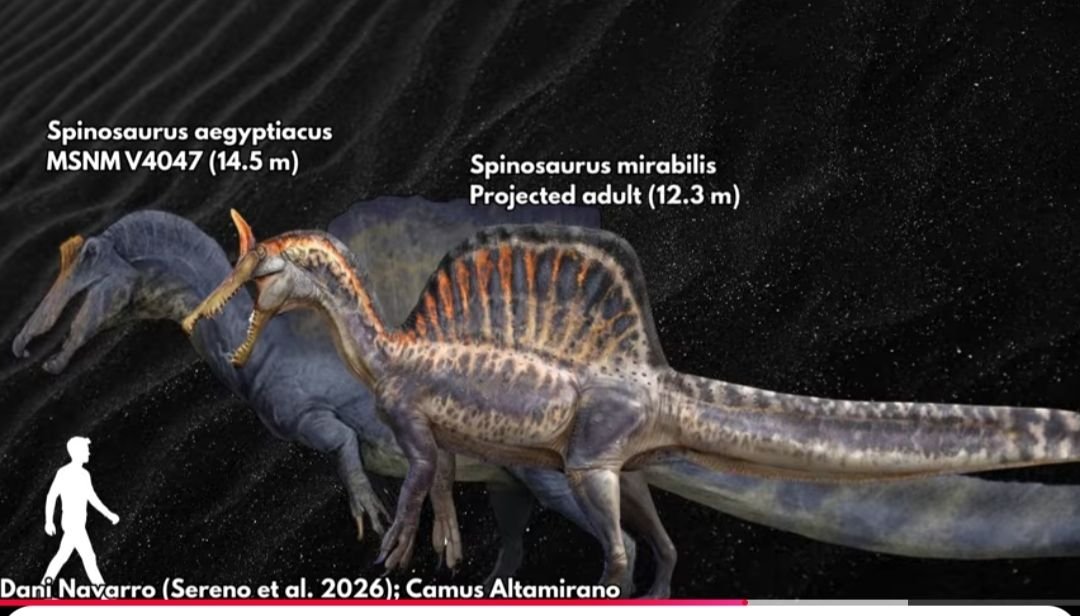
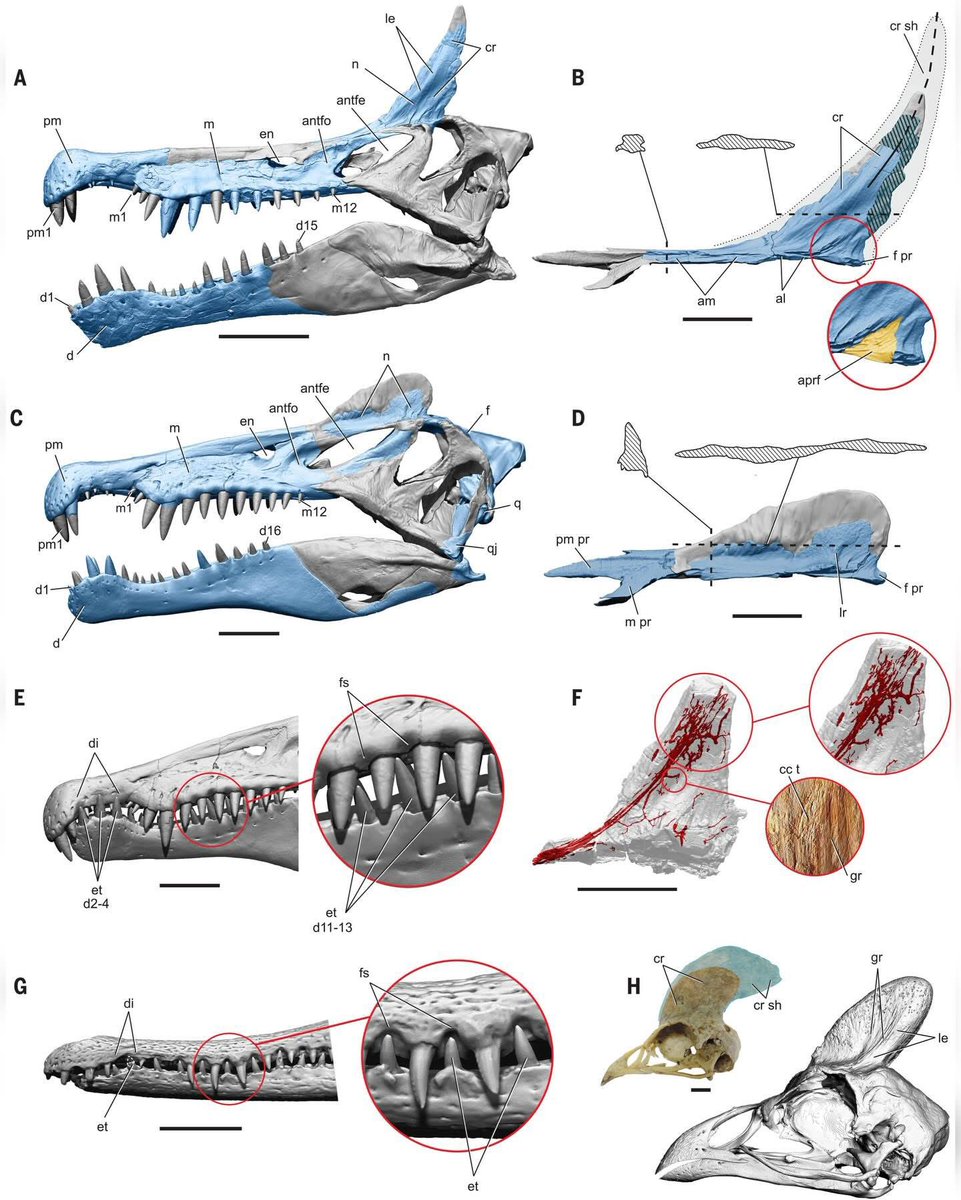
Watching a new vid by Vividen on the new Spinosaurus, it's fascinating how much BIGGER the more aquatic Aegypticus is to Mirabilis.
Kinda reminds of Polar Bears vs Brown Bears, where the more aquatic species is much larger than the terrestrial one, despite being closely related.
Make his finest asset yours
Follow & Repost with #XboxCheekyControllerSweepstakes for a chance to win a custom Xbox Series X console & 2 Cheeky Controllers designed by Deadpool.
Ages 18+. Ends 8/11/24. Rules: https://t.co/MI0oKWl1Xf
@Marvel Studios' Deadpool and Wolverine, in theaters July 26
Around 30 people perished from immediate blast trauma and acute radiation syndrome (ARS) in the seconds to months following the Chernobyl disaster in April 1986.
Eight months after the nuclear accident, workers made a startling discovery.
Upon entering a corridor beneath the damaged No. 4 reactor, they found a black, lava-like substance flowing from the reactor core, resembling a man-made volcano.
Among these hardened masses, one stood out and was nicknamed "Elephant's Foot" due to its resemblance to the foot of a large mammal.
The Elephant's Foot is a solid mass of melted nuclear fuel mixed with concrete, sand, and core sealing material.
At the time of its discovery, the Elephant's Foot was emitting approximately 8,000 to 10,000 roentgens, or 80 to 100 grays, per hour, delivering a lethal dose of radiation (4.5 grays) within just five minutes.