Salt does NOT cause high blood
pressure.
Elevated INSULIN causes salt
RETENTION leading to elevated
blood pressure.
What elevates insulin? Refined
carbs and sugar.
Don’t blame salt for what the
sugar did.
Since skeletal muscle is a primary regulator of both carbohydrates and fats, your muscle-health measurements will impact the metabolism of your diet.
PMID: 28676863
Society has gotten soft, fat and lazy!
Drugs, even if they help in the short term, are not the solution and in fact will only contribute to making the overall problem worse!
The right food is medicine
The wrong food is a drug
If you experience more than 2 of the symptoms listed in the illustration every winter, there is a good chance you suffer from a vitamin d deficiency. Many people experience these common symptoms of vitamin D deficiency that automatically vanish when springtime and summer sunny days start to appear. If you notice a pattern of winter blues that vanish with sunny days, you are likely to suffer with this common problem. Vitamin D deficiency can manifest in various ways, affecting both physical and mental health. Here are some common symptoms associated with inadequate levels of vitamin D: The good news is you can avoid these seasonal mood and illness disorders by ramping up your vitamin D intake when the fall and winter sunny days become scarce.
1. Depression and Mood Swings: Vitamin D receptors are present in areas of the brain involved in mood regulation. Low levels of vitamin D have been linked to an increased risk of depression, anxiety, and mood disorders.
2. Fatigue and Weakness: Feeling tired and weak even after adequate rest is a common symptom of vitamin D deficiency. This fatigue can affect daily activities and reduce overall productivity.
3. Muscle Pain: Deficiency in vitamin D can cause muscle aches and pains, which may be generalized or localized in specific areas. This can contribute to reduced mobility and flexibility.
4. Frequent Illnesses and Infections: Vitamin D plays a crucial role in supporting the immune system. Deficiency may increase susceptibility to infections, leading to frequent colds, flu, and other respiratory illnesses.
5. Bone and Back Pain: Vitamin D plays a crucial role in calcium absorption, which is essential for maintaining bone health. Insufficient vitamin D can lead to soft and brittle bones, resulting in bone pain and an increased risk of fractures. Chronic lower back pain, especially in women, might also be indicative of low vitamin D levels.
6. Increased Risk of Chronic Diseases: Low levels of vitamin D have been associated with an increased risk of various chronic diseases, including cardiovascular diseases, diabetes, certain cancers, and autoimmune disorders.
7. Impaired Wound Healing: Vitamin D is involved in the production of compounds that aid in wound healing. Inadequate levels may slow down the healing process of wounds and injuries.
8. Hair Loss: While more research is needed, some studies suggest a potential link between vitamin D deficiency and hair loss, particularly in women.
It's important to note that these symptoms can vary in severity and may be influenced by other factors. If you suspect you have a vitamin D deficiency, it's essential to consult with a healthcare professional for proper diagnosis and treatment. They may recommend a blood test to measure your vitamin D levels and prescribe supplementation if necessary, along with dietary changes and increased sun exposure.
When was the last time you mentally felt worse leaving the gym than you did before you went?
Not all mental health illnesses are an easy fix but too many people take a drug they don’t know the side effects to before getting working routine, eating a clean diet, getting proper sleep etc.
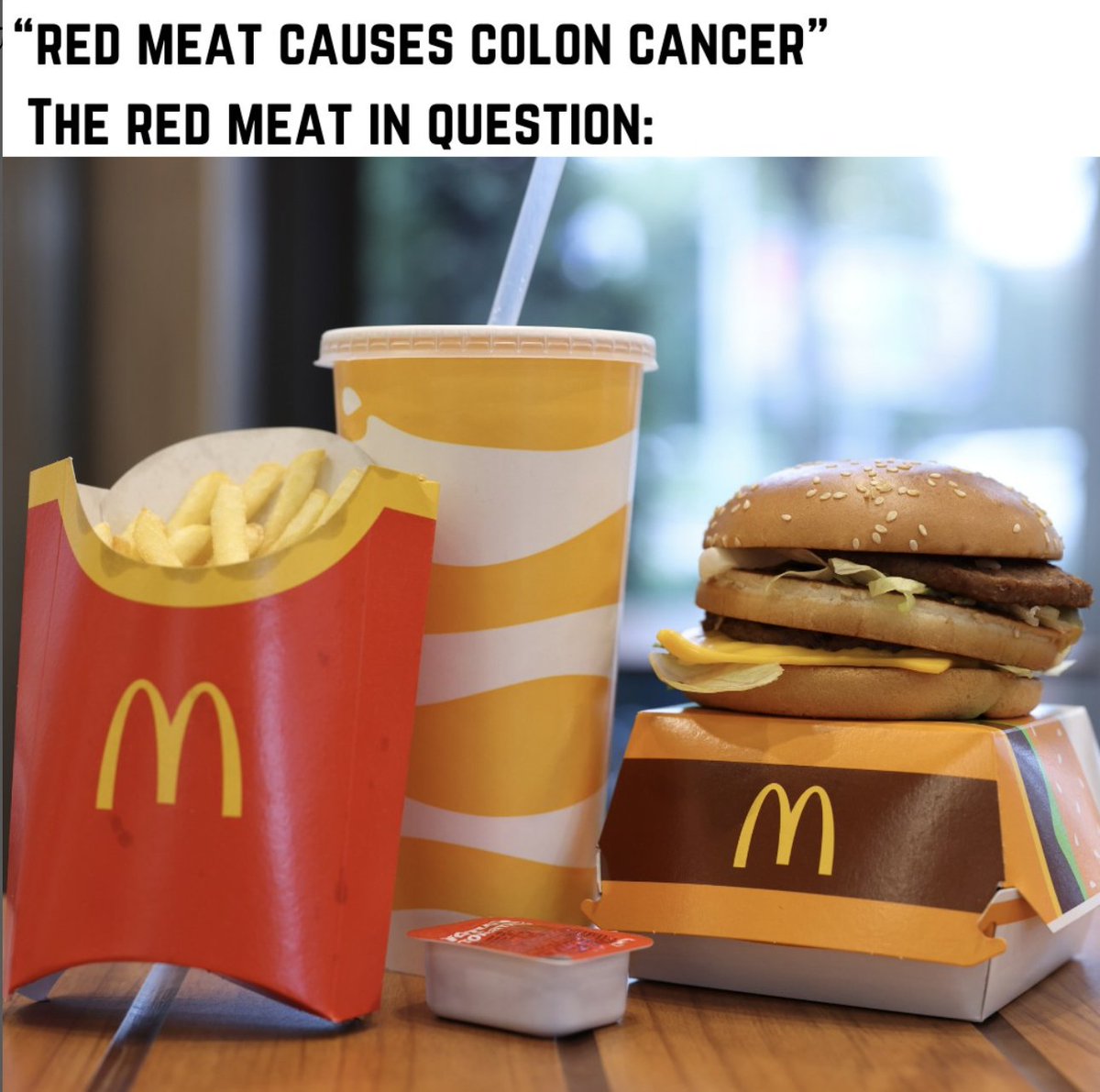
Propel think you’re crazy if you eat:
- Steak, Eggs & Salt
No one bats an eye when you eat:
- Oreos, Doritos & Pringles
You’re either feeding illness or health.
Choose wisely.
“If you only have 30% that day but you give all 30%, you gave 100%”
This is the best way to describe true consistency. You’re not gonna be at 100% at the start of every day, but that doesn’t mean you should give 0%.
Too many people struggle to keep off weight they lose because of the goal they set.
“My goal is to lose 30 pounds” means you will do whatever to lose it even if it’s unhealthy/unsustainable.
Instead, tell yourself “I’m going to start weight training 3x/week and eat only single ingredient foods”.
You can keep that goal for the rest of your life and crush any other goals along the way.
Building skeletal muscle is not just to look good.
You want to help blood sugar regulation and insulin sensitivity? BUILD MUSCLE
You want to defend against rapid aging? BUILD MUSCLE
You want to lose excess toxic body fat? BUILD MUSCLE
You want to improve brain health and help avoid Alzheimer’s, Dementia etc. BUILD MUSCLE
Scared of injury so you are going to stop moving?
INSTEAD move more and build good bone and muscle health to protect from injury
Worried about getting fat so you’re going to get nutrient deficient instead?
INSTEAD eat foods that allow your body to absorb nutrients better
Worried about getting sick so you’re going to take pills to kill your immune system?
INSTEAD stop eating and drinking things that are only hurting your immune system. Don’t complain you’re always sick and then go live a lifestyle that kills immune systems.
“95% of adults over 30 will never sprint for the rest of there lives.”
Active or not, if you don’t have some form of sprinting in your workout at some capacity your missing out on major fat burning benefits.
Sprinting has been shown to be great for visceral fat burning, especially compared to long distance running.
https://t.co/nuEQRL7sNj
A healthy diet shouldn’t compromise your well being just for the sake of losing weight.
You shouldn’t be hungry all the time.
You shouldn’t struggle to keep the weight off if you lost a few pounds.
You shouldn’t have lower energy/drive.
You shouldn’t be weaker.