Happy Pride!
The struggle for LGBTQ liberation has long involved contentious politics, radicalism, anti-authoritarianism, & anarchism.
This @Thinc_Exworkers piece looks really interesting on this topic.
These topics have been a longstanding theme in my own work too. 🧵
This looks like a great collection and an important contribution to a libertarian understanding of individual autonomy, freedom, and flourishing. Congrats @NathanPGoodman, @NovakMikayla, @JordanLofthouse, and all your contributors.
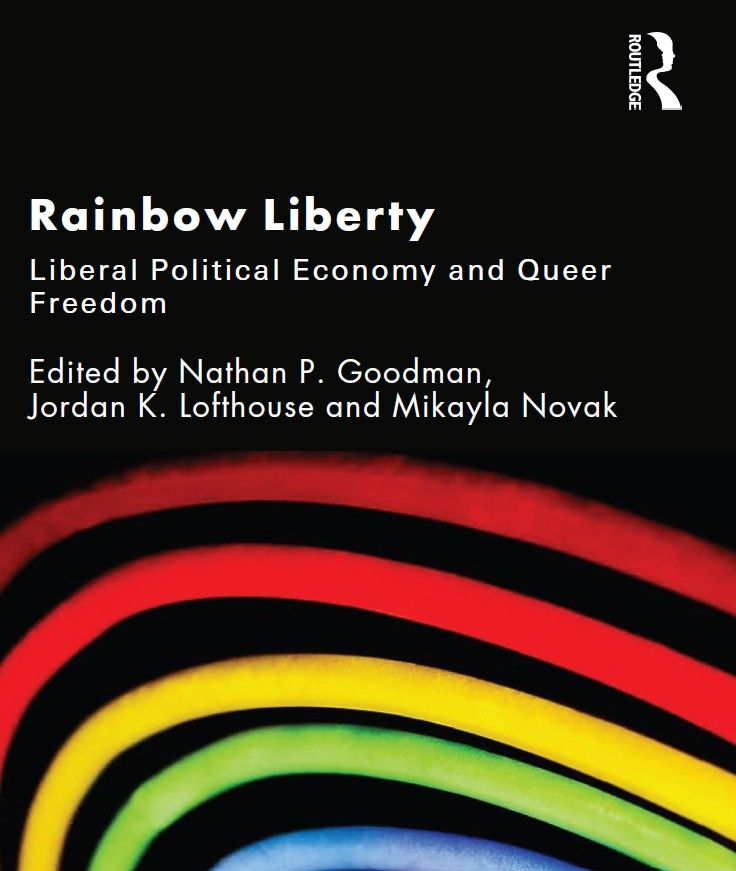
My @HayekProgram colleagues @NovakMikayla, @JordanLofthouse & I have an edited volume coming out next fall on LGBTQ rights and classical liberal political economy.
The book is called "Rainbow Liberty: Liberal Political Economy and Queer Freedom."
A 🧵
The Economics and Business Department at Hampden-Sydney College @HSC1776 is hiring two positions! Dm me with any questions.
One position in Quantitative and Applied Economics:
https://t.co/4eEu0K25Fd
One position in Accounting:
https://t.co/qExPvtJ8Qd
We just prevailed in our case against Trump's massive IEEPA tariffs, in the Federal Circuit! All challenged IEEPA tariffs ruled illegal, but scope of injunction yet to be determined. Will have more to say later. Here is a link to the ruling (7-4 decision by the en banc court): https://t.co/AdFurDeq8g
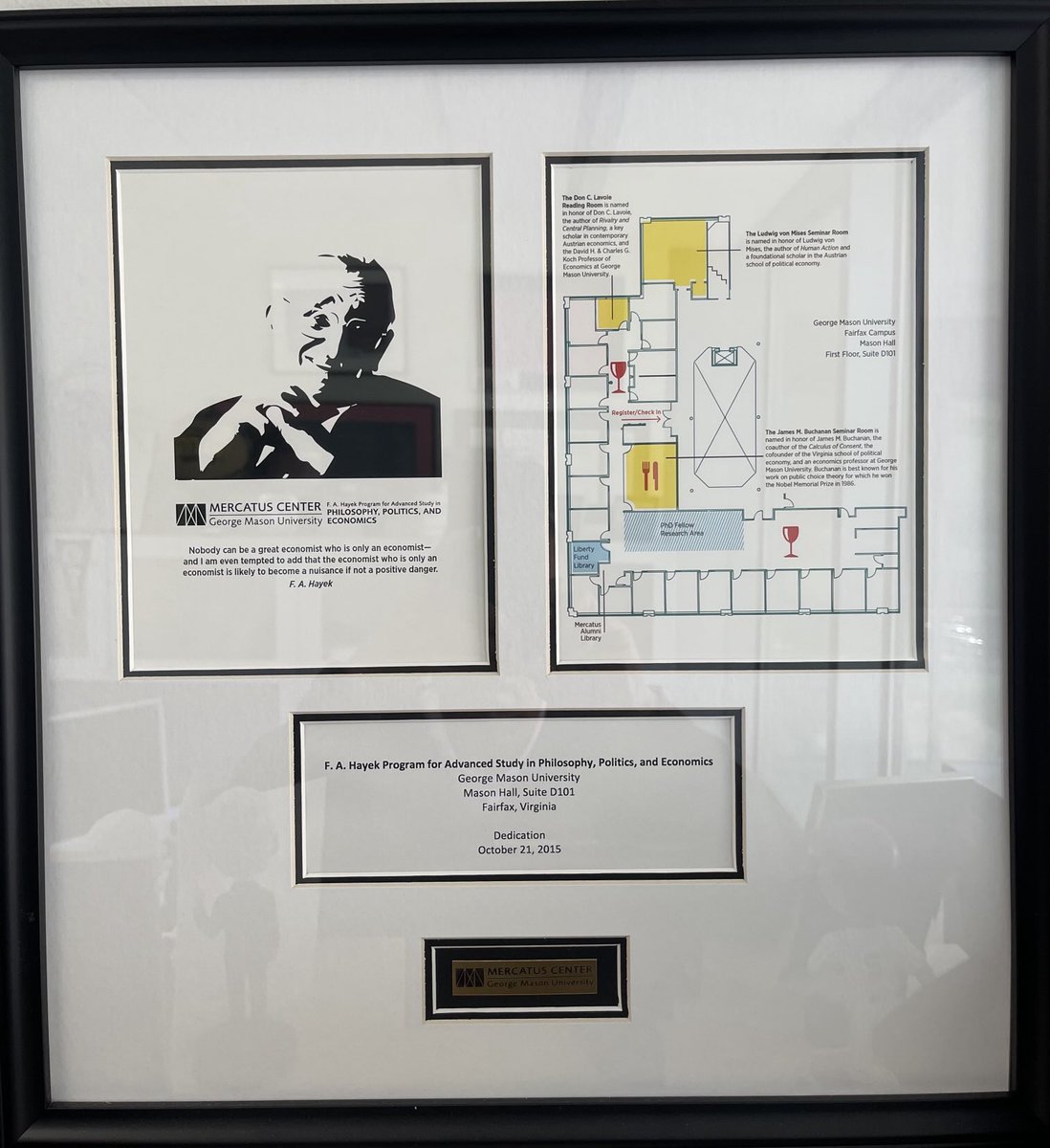
A decade in our new office space at GMU this term. I will be compiling a document listing all the books, articles and student programs we have accomplished in that time … I think it will be useful and also an invitation to others to join us in our inquiry into political economy.
Teaching intro econ? Econlib’s “Opportunity Cost” guide distills the concept with vivid examples—from foregone income to forgone leisure—so students think like economists. #OpportunityCost#EconTeaching#HigherEd https://t.co/XxqGi6Pzgd
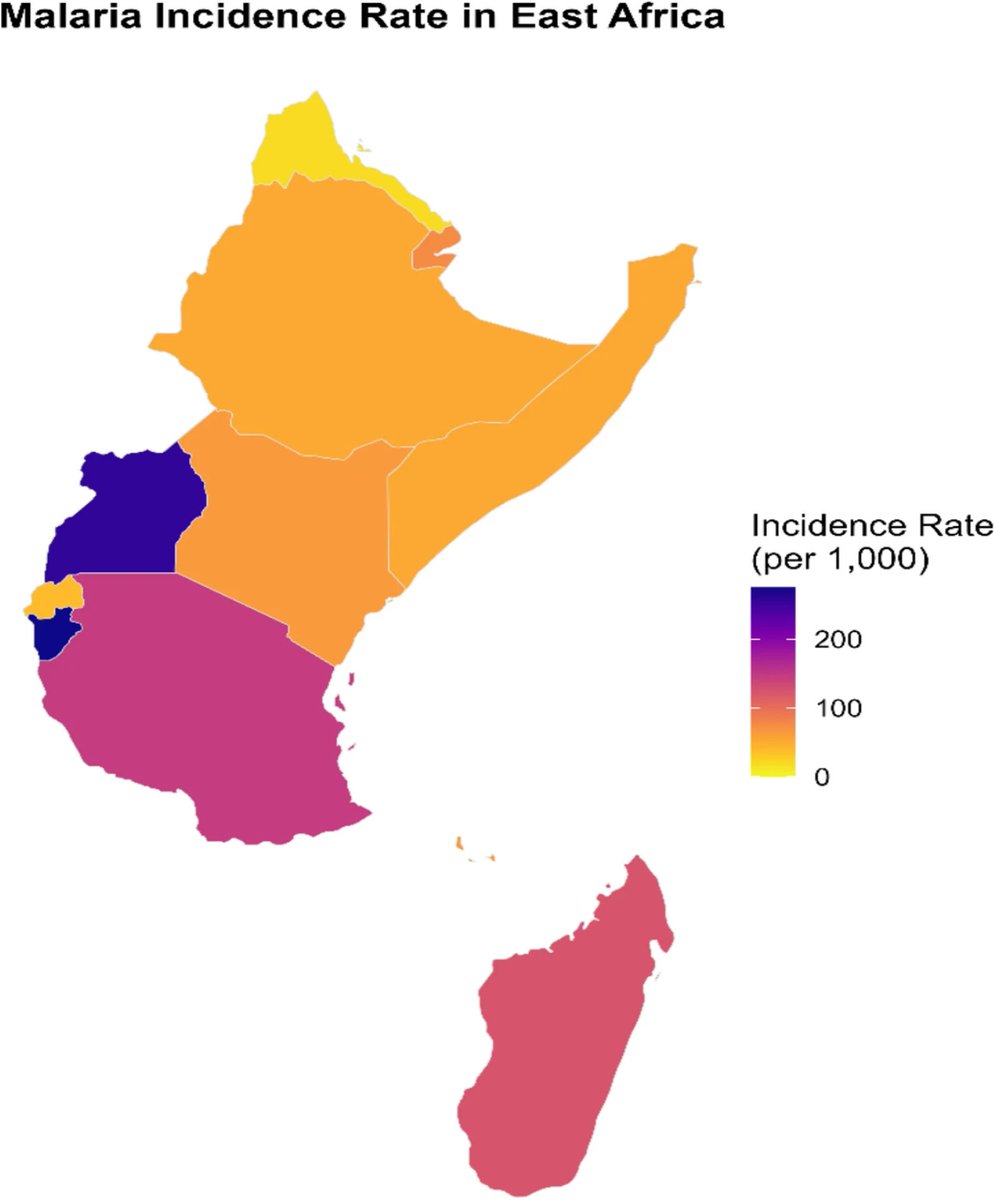
Have you ever wondered which mosquito transmits #malaria? Find out below!
As World Mosquito Day is August 20th, we are commemorating the day by posting facts about mosquitoes each day this week.
For more information, visit our website: https://t.co/m6j0S8lC0X
#WorldMosquitoDay #MosquitoMinutes #EndMalaria
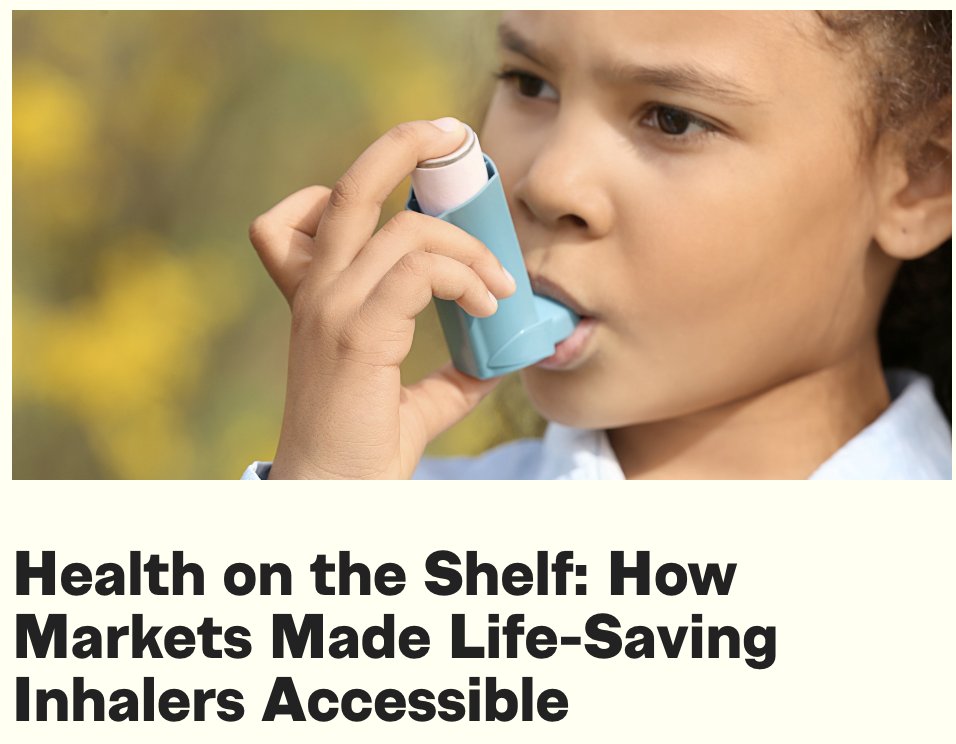
2/ Next, Byron Carson shows how a 1955 conversation between a father and his asthmatic daughter sparked the modern inhaler, with markets transforming that innovation into today's accessible life-saving devices: https://t.co/kjtjYwh9Fw
🧵1/3 In 1955, George Maison's daughter Susie asked her father: "Why can't I take my asthma medicine like my hairspray - from an aerosol can?"
Her father, president of Riker Laboratories, developed the first pressurized metered-dose inhaler by 1956.
Individual innovation was just the beginning.
In the Middle Ages, people dreamed of rivers of wine and skies that rained cheese.
Today, we can get strawberries in January and music on demand. Is this the real Land of Cockaigne?
Read @TCarsonIII's take and tell us what you think 👇
https://t.co/85dr9eK7Rw
#EconomicFreedom
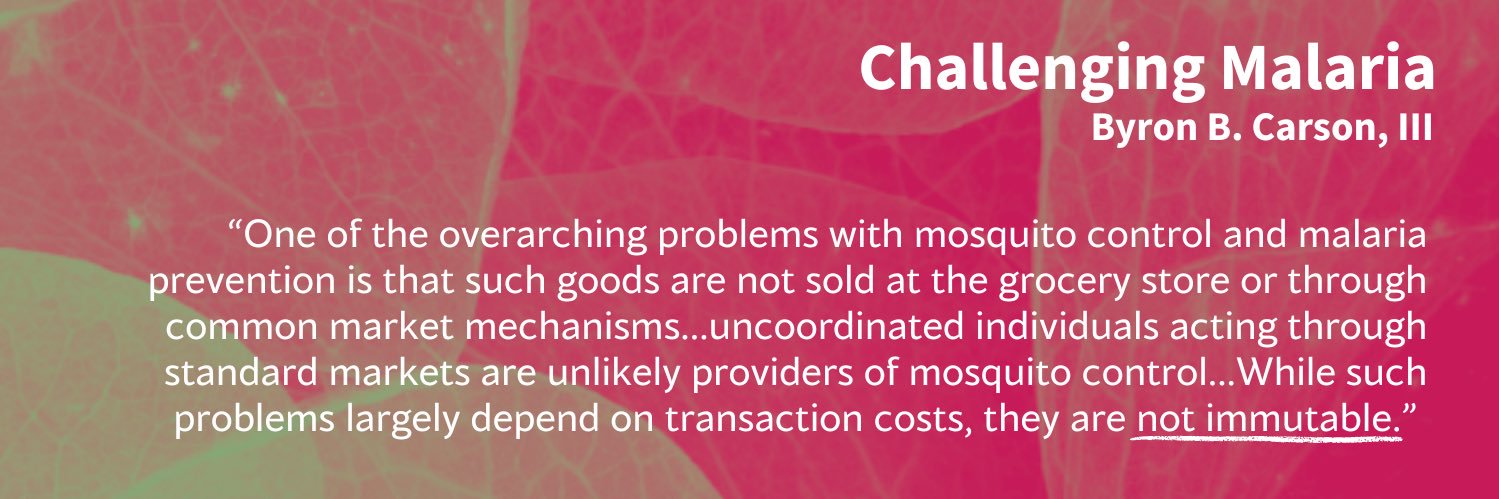
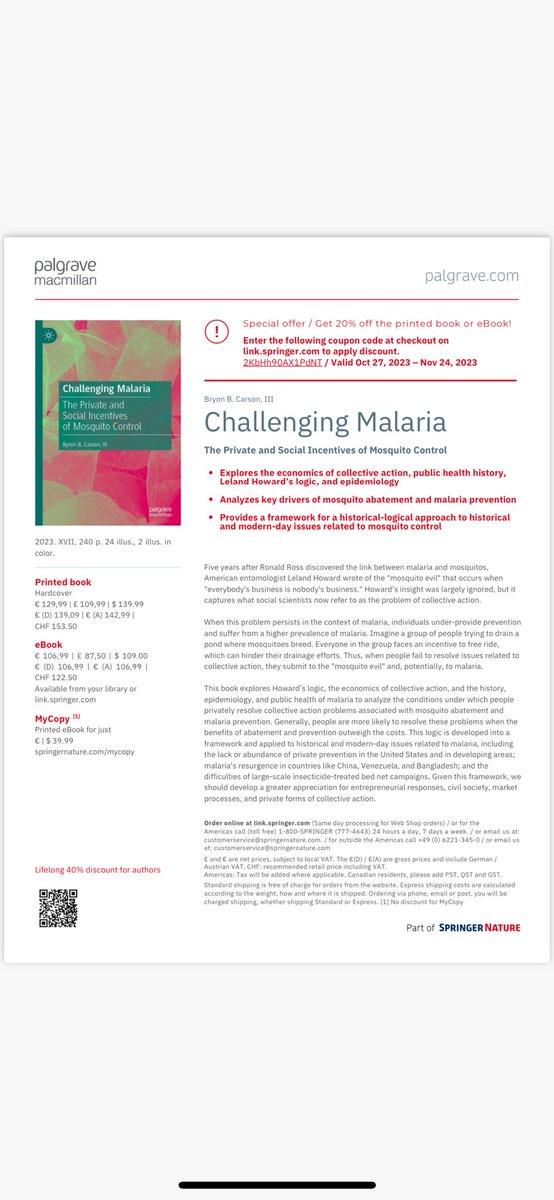
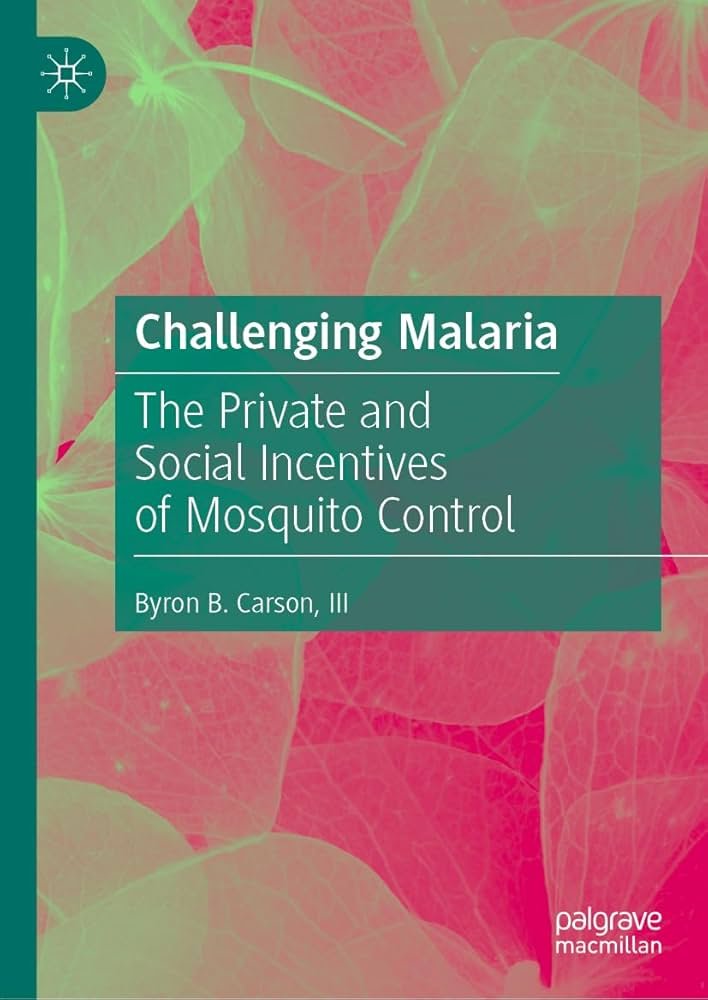
Last week, I finished reading Challenging Malaria by @TCarsonIII. Its a great book that navigates the fuzzy boundaries between markets, civil society and states in the provision of public health.
The common reflex of economists is to think of goods/services as boxes. Either something is a public good or it isnt. But the reality is that no good is purely private or purely public. Contexts and institutions determine what type it is -- in weak property rights environments, more services and goods behave like public goods (and the opposite in strong property rights environments). The malaria example -- with huge emphasis on not-frequently told stories of malaria control in the USA before the 1940s -- illustrates this.
The other common reflex is to think of solutions as being clearly delineated between states, markets and civil society. This isnt the case. The frontier is hard to situation. Carson's work points that out and indicates that the solutions in America to malaria control had localized effective private responses and other localized insufficient private responses (or even impossible ones).
Just in navigating the messy world of fuzzy frontiers between types of goods and types of solutions, Carson's work is mostly a call to intellectual humility for everyone who talks about public health.
https://t.co/QKyBArkv6J