Proud to announce the successful completion of the Ethical Hacker certification.
This certification reflects our commitment at @teamdangeorge to maintaining the highest standards in cybersecurity, digital investigations, account security, and incident response.
#TeamDanGeorg
If an Instagram account has been disabled, the exact recovery process depends on whether it was suspended by Meta's automated flags or disabled due to terms violations.
Here is the official appeal process and workarounds to get access back:
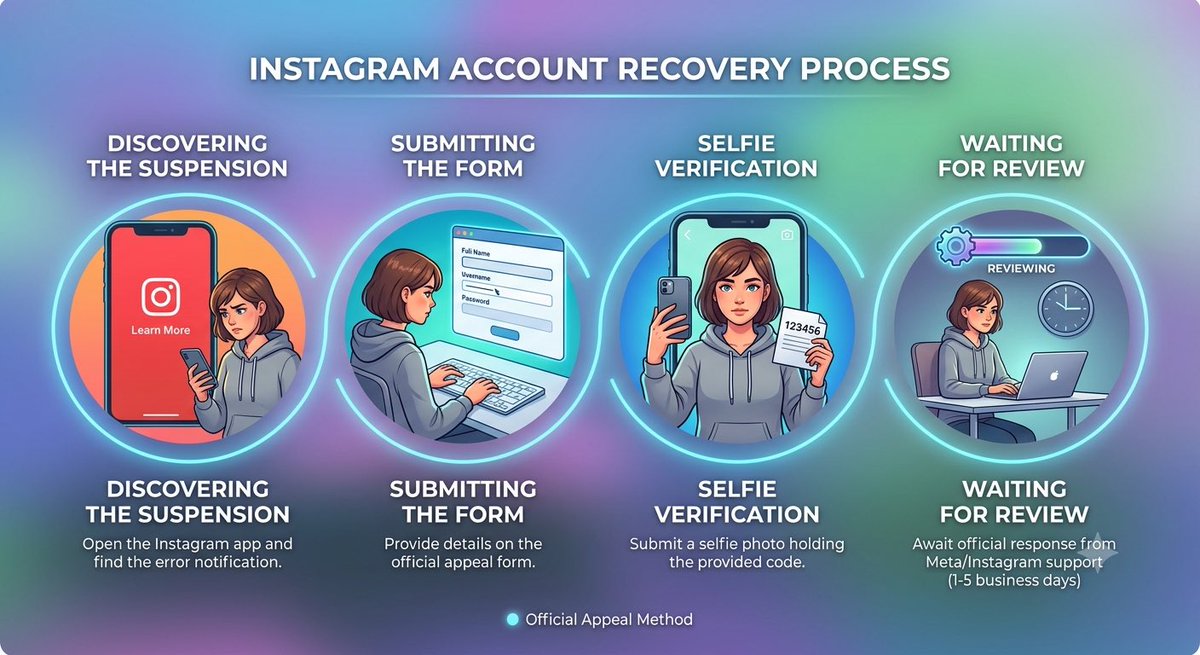
1. Official Appeal (Primary Method)
Open the Instagram app Check the error screen Attempt to log in with your credentials. When the pop-up notification states your account is disabled or suspended, tap Learn More or Appeal.
Submit the In-App Appeal Form Provide linked info Fill out the requested information (full name, email address linked to the account, username, and mobile number). State clearly and concisely that you believe the disabling was an error.
Complete Selfie / Identity Verification If prompted Instagram may send an email requesting a photo of yourself holding a handwritten paper with a provided 5–6 digit code, your name, and username. Take the photo in clear lighting and reply directly to the email.
Wait for Review 1 to 5 business days Avoid submitting multiple appeal forms back-to-back within 48 hours, as flooding the system can delay manual human review or mark your requests as spam.
2. Alternative Workarounds if Appeals Stall
Meta Verified Chat (Most Effective):
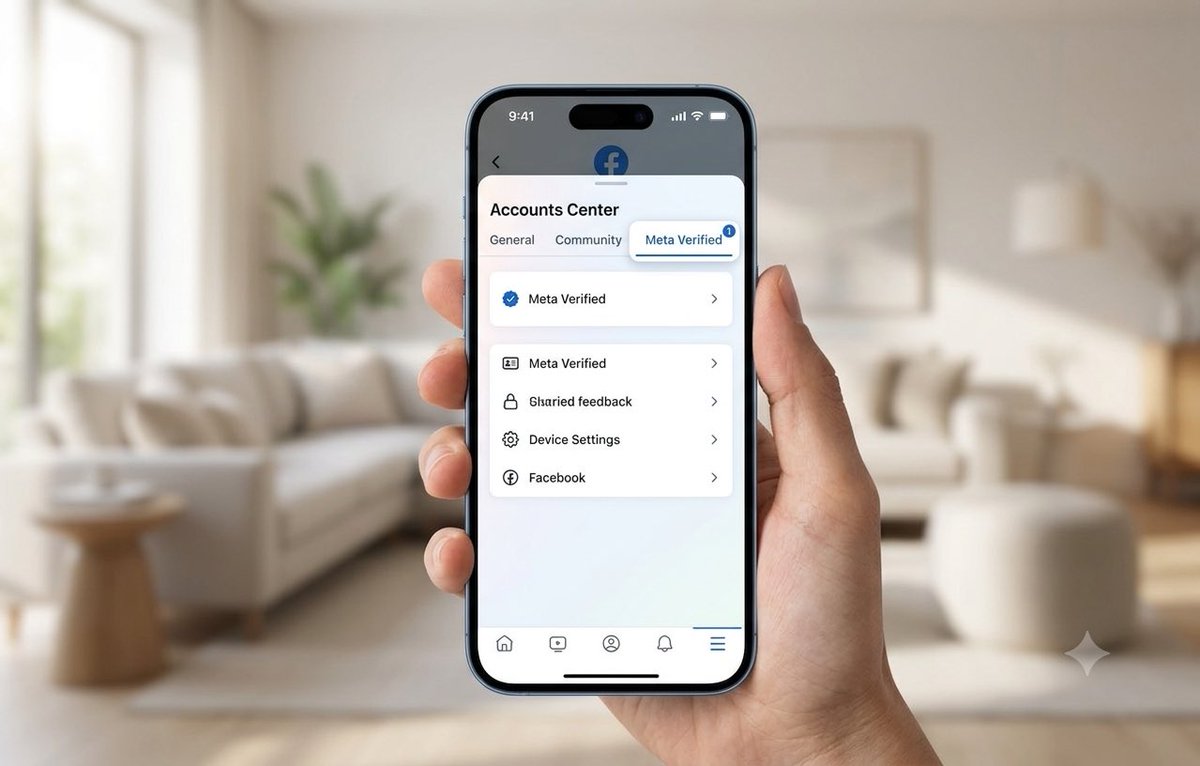
If the appeal form gives error messages or receives no reply, subscribing to Meta Verified on a secondary active Instagram or Facebook account opens access to live chat support agents who can escalate the issue internally.
Web Browser Form:
If the mobile app is glitching, visit the official Instagram Help Center Appeal Page on a desktop browser.
Business Verification (For Business/Creator Accounts):
If the disabled profile is a business account, Instagram may request official documentation (business license, utility bill, or tax filings) to verify ownership and lift the restriction.
If an Instagram account has been disabled, the exact recovery process depends on whether it was suspended by Meta's automated flags or disabled due to terms violations.
Here is the official appeal process and workarounds to get access back:
1. Official Appeal (Primary Method)
Open the Instagram app Check the error screen Attempt to log in with your credentials. When the pop-up notification states your account is disabled or suspended, tap Learn More or Appeal.
Submit the In-App Appeal Form Provide linked info Fill out the requested information (full name, email address linked to the account, username, and mobile number). State clearly and concisely that you believe the disabling was an error.
Complete Selfie / Identity Verification If prompted Instagram may send an email requesting a photo of yourself holding a handwritten paper with a provided 5–6 digit code, your name, and username. Take the photo in clear lighting and reply directly to the email.
Wait for Review 1 to 5 business days Avoid submitting multiple appeal forms back-to-back within 48 hours, as flooding the system can delay manual human review or mark your requests as spam.
2. Alternative Workarounds if Appeals Stall
Meta Verified Chat (Most Effective):
If the appeal form gives error messages or receives no reply, subscribing to Meta Verified on a secondary active Instagram or Facebook account opens access to live chat support agents who can escalate the issue internally.
Web Browser Form:
If the mobile app is glitching, visit the official Instagram Help Center Appeal Page on a desktop browser.
Business Verification (For Business/Creator Accounts):
If the disabled profile is a business account, Instagram may request official documentation (business license, utility bill, or tax filings) to verify ownership and lift the restriction.
SOMETIMES THE HARDEST PART OF A WHATSAPP UNBAN ISN'T THE WORK—IT'S THE WAIT
People often message us with the same question:
"How long will it take to restore my WhatsApp account?"
The honest answer is simple:
There is no fixed timeline.
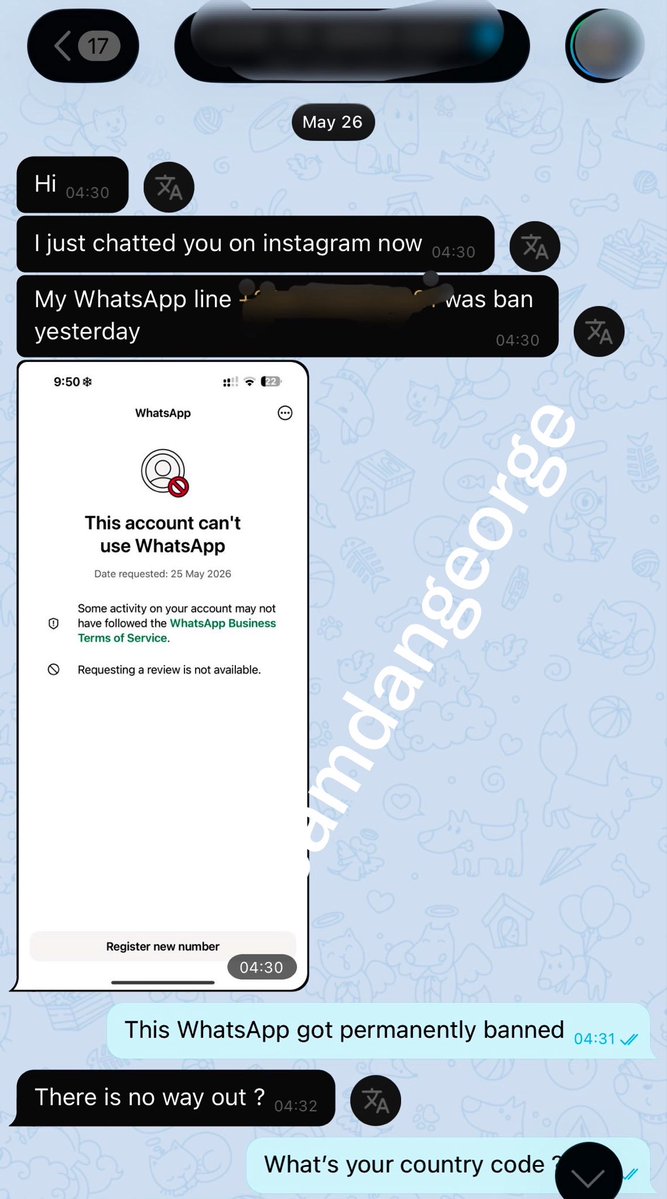
Recently, we completed one of the longest WhatsApp account cases we've worked on this year.
The account had been permanently banned, and the client first contacted us on May 25th.
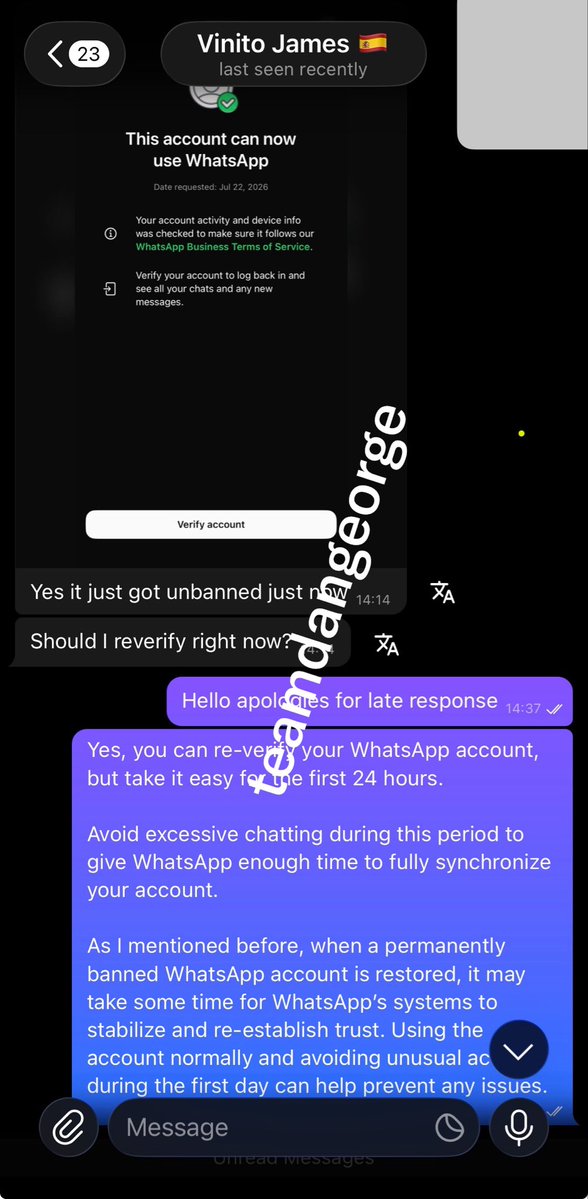
After months of work, monitoring, and waiting, the account was finally restored today.
That's nearly two months between the day the case began and the day access was regained.
WHY DID IT TAKE SO LONG?
Every WhatsApp case has its own challenges.
Some are resolved relatively quickly.
Others require far more time because every account has a different history, different security signals, and different circumstances.
In this case, one of the biggest factors affecting the timeline was the country where the account had originally been registered.
That meant the process couldn't be rushed.
It required patience while the necessary reviews and technical processes played out.
WHY PEOPLE LOSE HOPE TOO EARLY
One of the biggest mistakes we see is assuming that if nothing changes after a few days, the account is gone forever.
Digital account issues don't always move at the speed people expect.
Some cases take days.
Some take weeks.
And occasionally, they take months.
That doesn't automatically mean progress isn't being made.
EVERY CASE HAS A DIFFERENT STORY
No two WhatsApp bans are identical.
The reason for the restriction, the account's history, the available recovery information, and even regional factors can all influence how long a case takes.
That's why comparing your situation to someone else's rarely gives an accurate expectation.
THE LESSON FROM THIS CASE
This case reminded us that persistence matters.
Not because every permanently banned account will be restored, but because difficult cases sometimes require far more patience than anyone expects.
The account that seemed impossible to recover in May was successfully restored today.
Sometimes the biggest challenge isn't finding a solution.
It's having the patience to stay committed until the process reaches its conclusion.
Need help? Write to our 24/7 active team. Check bio.
#teamdangeorge #WhatsAppUnban
SOMETIMES THE HARDEST PART OF A WHATSAPP UNBAN ISN'T THE WORK—IT'S THE WAIT
People often message us with the same question:
"How long will it take to restore my WhatsApp account?"
The honest answer is simple:
There is no fixed timeline.
Recently, we completed one of the longest WhatsApp account cases we've worked on this year.
The account had been permanently banned, and the client first contacted us on May 25th.
After months of work, monitoring, and waiting, the account was finally restored today.
That's nearly two months between the day the case began and the day access was regained.
WHY DID IT TAKE SO LONG?
Every WhatsApp case has its own challenges.
Some are resolved relatively quickly.
Others require far more time because every account has a different history, different security signals, and different circumstances.
In this case, one of the biggest factors affecting the timeline was the country where the account had originally been registered.
That meant the process couldn't be rushed.
It required patience while the necessary reviews and technical processes played out.
WHY PEOPLE LOSE HOPE TOO EARLY
One of the biggest mistakes we see is assuming that if nothing changes after a few days, the account is gone forever.
Digital account issues don't always move at the speed people expect.
Some cases take days.
Some take weeks.
And occasionally, they take months.
That doesn't automatically mean progress isn't being made.
EVERY CASE HAS A DIFFERENT STORY
No two WhatsApp bans are identical.
The reason for the restriction, the account's history, the available recovery information, and even regional factors can all influence how long a case takes.
That's why comparing your situation to someone else's rarely gives an accurate expectation.
THE LESSON FROM THIS CASE
This case reminded us that persistence matters.
Not because every permanently banned account will be restored, but because difficult cases sometimes require far more patience than anyone expects.
The account that seemed impossible to recover in May was successfully restored today.
Sometimes the biggest challenge isn't finding a solution.
It's having the patience to stay committed until the process reaches its conclusion.
Need help? Write to our 24/7 active team. Check bio.
#teamdangeorge #WhatsAppUnban
WHEN A WHATSAPP BUSINESS ACCOUNT GOES PERMANENTLY BANNED: WHAT’S REALLY AT STAKE?
For many businesses, WhatsApp Business has become the primary way to communicate with customers. Orders are confirmed there, support is provided there, invoices are shared there, and long-term client relationships are built there.
That’s why a permanent WhatsApp ban isn’t just the loss of an app.
For some businesses, it can bring operations to an immediate standstill.
A WHATSAPP BUSINESS ACCOUNT IS MORE THAN A PHONE NUMBER
Over time, a business account becomes part of a company’s identity.
Customers recognize it.
They trust it.
They return to it whenever they need support, make another purchase, or ask questions about products and services.
When that account is permanently banned, businesses may suddenly lose access to:
• Ongoing customer conversations.
• Years of chat history.
• Product catalog interactions.
• Customer trust and familiarity.
• Sales opportunities already in progress.
• Follow-up conversations with existing clients.
• Business continuity built around a single communication channel.
The consequences often extend far beyond messaging itself.
THE HIDDEN COST OF A PERMANENT BAN
Many business owners focus only on recovering the account.
However, the financial impact can begin immediately.
Customers waiting for replies may assume the business has closed.
New enquiries remain unanswered.
Existing orders may be delayed.
Returning customers may move to competitors after receiving no response.
Even if the business eventually recovers, rebuilding customer confidence can take far longer than restoring day-to-day operations.
WHY PREPARATION MATTERS
Many companies invest heavily in marketing but overlook communication resilience.
Every business that depends on WhatsApp should also think about continuity.
Ask yourself:
• If your WhatsApp account disappeared today, how would customers contact you tomorrow?
• Do your customers know another way to reach your business?
• Is your communication strategy dependent on a single platform?
• Have you prepared alternative channels for urgent customer support?
These are questions many businesses only ask after it’s too late.
BUILDING A MORE RESILIENT BUSINESS
No single platform should become the only bridge between a business and its customers.
Successful businesses often encourage customers to connect through multiple channels, such as email, websites, or other official contact methods, so communication can continue if one service becomes temporarily unavailable.
Digital resilience isn’t just about cybersecurity.
It’s about making sure your business can continue serving customers when unexpected disruptions occur.
THE BIGGER PICTURE
A permanent WhatsApp Business ban doesn’t only interrupt conversations.
It can interrupt sales, customer relationships, reputation, and business growth.
The businesses that recover the fastest are often those that planned for the unexpected long before it happened.
Because in business, communication is an asset.
And protecting that asset is just as important as protecting your products, your finances, or your brand.
Need help ? Write to our team check bio ⬆️
#teamdangeorge #WhatsAppBusiness
WHEN A WHATSAPP BUSINESS ACCOUNT GOES PERMANENTLY BANNED: WHAT’S REALLY AT STAKE?
For many businesses, WhatsApp Business has become the primary way to communicate with customers. Orders are confirmed there, support is provided there, invoices are shared there, and long-term client relationships are built there.
That’s why a permanent WhatsApp ban isn’t just the loss of an app.
For some businesses, it can bring operations to an immediate standstill.
A WHATSAPP BUSINESS ACCOUNT IS MORE THAN A PHONE NUMBER
Over time, a business account becomes part of a company’s identity.
Customers recognize it.
They trust it.
They return to it whenever they need support, make another purchase, or ask questions about products and services.
When that account is permanently banned, businesses may suddenly lose access to:
• Ongoing customer conversations.
• Years of chat history.
• Product catalog interactions.
• Customer trust and familiarity.
• Sales opportunities already in progress.
• Follow-up conversations with existing clients.
• Business continuity built around a single communication channel.
The consequences often extend far beyond messaging itself.
THE HIDDEN COST OF A PERMANENT BAN
Many business owners focus only on recovering the account.
However, the financial impact can begin immediately.
Customers waiting for replies may assume the business has closed.
New enquiries remain unanswered.
Existing orders may be delayed.
Returning customers may move to competitors after receiving no response.
Even if the business eventually recovers, rebuilding customer confidence can take far longer than restoring day-to-day operations.
WHY PREPARATION MATTERS
Many companies invest heavily in marketing but overlook communication resilience.
Every business that depends on WhatsApp should also think about continuity.
Ask yourself:
• If your WhatsApp account disappeared today, how would customers contact you tomorrow?
• Do your customers know another way to reach your business?
• Is your communication strategy dependent on a single platform?
• Have you prepared alternative channels for urgent customer support?
These are questions many businesses only ask after it’s too late.
BUILDING A MORE RESILIENT BUSINESS
No single platform should become the only bridge between a business and its customers.
Successful businesses often encourage customers to connect through multiple channels, such as email, websites, or other official contact methods, so communication can continue if one service becomes temporarily unavailable.
Digital resilience isn’t just about cybersecurity.
It’s about making sure your business can continue serving customers when unexpected disruptions occur.
THE BIGGER PICTURE
A permanent WhatsApp Business ban doesn’t only interrupt conversations.
It can interrupt sales, customer relationships, reputation, and business growth.
The businesses that recover the fastest are often those that planned for the unexpected long before it happened.
Because in business, communication is an asset.
And protecting that asset is just as important as protecting your products, your finances, or your brand.
Need help ? Write to our team check bio ⬆️
#teamdangeorge #WhatsAppBusiness
Meta Expands Identity Security with the Official Launch of ‘Facebook Verified’
MENLO PARK, Calif.
In a major move aimed at combating online impersonation, reducing spam, and building trust across its digital ecosystem, Meta has officially announced the launch of Facebook Verified.
The announcement shared directly from the official Meta Newsroom signals a decisive shift toward identity-authenticated social networking, assuring everyday users, creators, and businesses that a real human being is behind a verified profile.
As online platforms face rising challenges from generative AI-driven bots, deepfakes, and coordinated identity theft, Meta’s newest program establishes a clear benchmark for account authenticity across the platform.
What is Facebook Verified?
Facebook Verified is a specialized identity verification process designed to validate the real-world identity of account holders. Once verified, a profile receives a distinctive checkmark badge, signaling to friends, followers, and the community that the profile belongs to an authentic, verified person.
Unlike traditional verification programs that were exclusively reserved for top-tier celebrities, public figures, or global brands, Facebook Verified expands access to everyday creators and individual users looking to protect their digital footprint and build genuine online credibility.
Core Features and Benefits:
Government-ID Authentication:
Accounts are verified against official government identification, ensuring that every verified profile directly corresponds to a real person.
Proactive Impersonation Protection:
Verified accounts receive automated monitoring to prevent bad actors from creating duplicate accounts using their name, photos, or personal details.
Direct Customer Support Access:
Subscribers to Meta's verification ecosystem gain access to human-assisted customer support for persistent account access issues, security breaches, or identity disputes.
Enhanced Search and Engagement Visibility:
Verified profiles are granted increased prominence in comment sections, search recommendations, and feed interactions, helping genuine content stand out over unverified accounts.
“We’re launching Facebook Verified so you know when there’s a real person behind a Facebook profile.”
Meta Newsroom Statement
Why Meta is Prioritizing Verification Now
The launch of Facebook Verified reflects a growing trend across major social media platforms toward identity-backed accounts and subscription models.
With digital fraud becoming increasingly sophisticated, verifying human identity has become a core priority for platform safety.
1. Countering AI-Generated Spam and Fake Profiles
The rapid proliferation of automated bots and synthetic identity technology has made it difficult for everyday users to distinguish real people from automated scripts. By requiring rigorous identity verification, Meta creates a safer environment where users can confidently interact without fear of being misled by fake profiles.
2. Protecting Content Creators and Local Influencers
Mid-tier content creators and small business owners are frequently targeted by impersonation scams that steal their images to defraud fans.
Facebook Verified provides these users with a reliable way to safeguard their personal brand and ensure their audience is always engaging with the real person.
3. Aligning Meta’s Product Ecosystem
This launch builds upon Meta's broader strategy following the success of Meta Verified across Instagram and WhatsApp. By standardizing verification mechanics across its full suite of apps, Meta is creating a seamless, cross-platform trust network.
How the Verification Process Works
To qualify for Facebook Verified, account holders must meet specific eligibility criteria to ensure platform integrity and compliance:
Age Requirement: Applicants must be at least 18 years old.
Profile Standards:
Accounts must display a full legal name, a clear profile picture showing the user's face, and meet minimum activity history requirements.
Identity Submission:
Users must submit a valid government-issued ID (such as a driver’s license or passport) that matches the name and photo on the profile.
Two-Factor Authentication:
Applicants must enable two-factor authentication (2FA) on their account to maintain strict security standards post-verification.
The Broader Impact on the Social Media Landscape
The introduction of Facebook Verified represents a significant transformation in how users interact online.
By placing a premium on proven identity, Meta is shifting the paradigm from completely anonymous networking toward an era of accountability and transparency.
As social media continues to evolve, verified identity is rapidly becoming the new standard for digital communication offering a safer, more reliable experience for millions of users worldwide.
For full details, pricing, and regional availability, users can visit the official update portal at https://t.co/6XV513P7PV.
Meta Expands Identity Security with the Official Launch of ‘Facebook Verified’
MENLO PARK, Calif.
In a major move aimed at combating online impersonation, reducing spam, and building trust across its digital ecosystem, Meta has officially announced the launch of Facebook Verified.
The announcement shared directly from the official Meta Newsroom signals a decisive shift toward identity-authenticated social networking, assuring everyday users, creators, and businesses that a real human being is behind a verified profile.
As online platforms face rising challenges from generative AI-driven bots, deepfakes, and coordinated identity theft, Meta’s newest program establishes a clear benchmark for account authenticity across the platform.
What is Facebook Verified?
Facebook Verified is a specialized identity verification process designed to validate the real-world identity of account holders. Once verified, a profile receives a distinctive checkmark badge, signaling to friends, followers, and the community that the profile belongs to an authentic, verified person.
Unlike traditional verification programs that were exclusively reserved for top-tier celebrities, public figures, or global brands, Facebook Verified expands access to everyday creators and individual users looking to protect their digital footprint and build genuine online credibility.
Core Features and Benefits:
Government-ID Authentication:
Accounts are verified against official government identification, ensuring that every verified profile directly corresponds to a real person.
Proactive Impersonation Protection:
Verified accounts receive automated monitoring to prevent bad actors from creating duplicate accounts using their name, photos, or personal details.
Direct Customer Support Access:
Subscribers to Meta's verification ecosystem gain access to human-assisted customer support for persistent account access issues, security breaches, or identity disputes.
Enhanced Search and Engagement Visibility:
Verified profiles are granted increased prominence in comment sections, search recommendations, and feed interactions, helping genuine content stand out over unverified accounts.
“We’re launching Facebook Verified so you know when there’s a real person behind a Facebook profile.”
Meta Newsroom Statement
Why Meta is Prioritizing Verification Now
The launch of Facebook Verified reflects a growing trend across major social media platforms toward identity-backed accounts and subscription models.
With digital fraud becoming increasingly sophisticated, verifying human identity has become a core priority for platform safety.
1. Countering AI-Generated Spam and Fake Profiles
The rapid proliferation of automated bots and synthetic identity technology has made it difficult for everyday users to distinguish real people from automated scripts. By requiring rigorous identity verification, Meta creates a safer environment where users can confidently interact without fear of being misled by fake profiles.
2. Protecting Content Creators and Local Influencers
Mid-tier content creators and small business owners are frequently targeted by impersonation scams that steal their images to defraud fans.
Facebook Verified provides these users with a reliable way to safeguard their personal brand and ensure their audience is always engaging with the real person.
3. Aligning Meta’s Product Ecosystem
This launch builds upon Meta's broader strategy following the success of Meta Verified across Instagram and WhatsApp. By standardizing verification mechanics across its full suite of apps, Meta is creating a seamless, cross-platform trust network.
How the Verification Process Works
To qualify for Facebook Verified, account holders must meet specific eligibility criteria to ensure platform integrity and compliance:
Age Requirement: Applicants must be at least 18 years old.
Locked Out No More: Google Introduces Selfie Video Verification for Seamless Account Recovery
By Google News Desk Published in Tech & Security
The Panic of the Locked-Out User
It’s a scenario nearly every internet user has faced at least once: You try to log into your account, but your password slips your mind.
You click "Forgot Password," only to realize your secondary recovery phone is lost, or you’re on a brand-new device that Google doesn't recognize.
In the past, resolving this meant navigating a grueling obstacle course of security questions, delayed verification emails, or waiting days for account recovery support to review your request.
Google is officially putting an end to account recovery headaches with its newest feature:
Selfie Video Verification.
What Is Selfie Video Verification?
Selfie Video Verification is an AI-powered security feature designed to serve as a fast, reliable backup method when traditional login credentials fail.
Instead of relying exclusively on passwords, physical security keys, or Two-Factor Authentication (2FA) SMS codes, Google now allows users to prove their identity using a quick, dynamic video scan of their face.
Whether you've lost your phone, broken your laptop, or simply forgotten a complex password, your face becomes your ultimate master key.
How It Works:
Step-by-Step
Google has built this system to be intentionally effortless on the user��s end, while executing complex background security checks behind the scenes.
[ Initiate Recovery ] ➔ [ Select Video Verification ] ➔ [ Record Quick Selfie ] ➔ [ Instant Account Access ]
1. Initiate Account Recovery
When you can’t log in using standard methods, select the "Try another way" or "Verify it's you" option on the Google sign-in page.
2. Choose the Selfie Video Option
Select Selfie Video Verification from the list of recovery options.
You can perform this action on almost any device equipped with a functional front-facing camera including a friend's phone, a public terminal, or a new tablet.
3. Record a Quick Motion Scan
Follow the simple on-screen prompts. You’ll be asked to position your face within an oval frame and perform a few simple movements such as turning your head slightly to the left, looking up, or blinking.
4. Automated Verification & Access
Google’s advanced computer vision models analyze the video in real-time to confirm liveness and match your facial geometry against account records.
Once verified, access is granted, allowing you to reset your credentials immediately.
High Security, Zero Hassle: Addressing the Tech Behind It
While logging into a sensitive account with a quick video might sound almost too simple, the underlying technology is robust.
Security Feature
How It Protects You
Liveness Detection
Prevents bad actors from holding up a static photo or playing a pre-recorded video of you to gain entry.
3D Depth Mapping
Analyzes spatial features to block sophisticated 2D masks and screen-playback attempts.
Deepfake Countermeasures
AI models look for microscopic motion inconsistencies and lighting artifacts unique to synthetic media.
Privacy First:
Google emphasizes that biometric video data captured during account recovery is used strictly for identity verification.
The temporary video captures are processed securely and deleted automatically once verification is complete, ensuring your facial data isn't permanently stored or used for tracking.
Why This Matters: The Future of Passkey-First Security
This rollout represents a broader industry shift away from traditional, easily compromised passwords toward biometric and passkey-based authentication.
No More Device Dependency:
Traditional 2FA requires you to have your specific phone in your hand. Video verification works on any camera-enabled device.
Reduction in Account Abandonment: Millions of accounts are abandoned every year simply because users lose their recovery options.
#google #teamdangeorge
This feature ensures an intuitive, always-available fallback.
Phishing Resistance: Phishing attacks rely heavily on tricking users into revealing passwords or 2FA codes.
A live, dynamic biometric check cannot be easily intercepted by traditional phishing sites.
How to Prepare Your Account Today
While the feature is designed to deploy automatically during recovery scenarios, taking a few proactive steps can ensure your account is fully prepared:
Update Your Recovery Settings:
Ensure your Google Account security settings are up-to-date under your profile settings.
Check Camera Permissions: Ensure your browser or device permissions allow temporary camera access when visiting Google’s official login page.
Keep Security Information Current:
Maintain at least one traditional backup method (like an alternate email address) alongside biometric recovery for maximum redundancy.
#teamdangeorge #google
Locked Out No More: Google Introduces Selfie Video Verification for Seamless Account Recovery
By Google News Desk Published in Tech & Security
The Panic of the Locked-Out User
It’s a scenario nearly every internet user has faced at least once: You try to log into your account, but your password slips your mind.
You click "Forgot Password," only to realize your secondary recovery phone is lost, or you’re on a brand-new device that Google doesn't recognize.
In the past, resolving this meant navigating a grueling obstacle course of security questions, delayed verification emails, or waiting days for account recovery support to review your request.
Google is officially putting an end to account recovery headaches with its newest feature:
Selfie Video Verification.
What Is Selfie Video Verification?
Selfie Video Verification is an AI-powered security feature designed to serve as a fast, reliable backup method when traditional login credentials fail.
Instead of relying exclusively on passwords, physical security keys, or Two-Factor Authentication (2FA) SMS codes, Google now allows users to prove their identity using a quick, dynamic video scan of their face.
Whether you've lost your phone, broken your laptop, or simply forgotten a complex password, your face becomes your ultimate master key.
How It Works:
Step-by-Step
Google has built this system to be intentionally effortless on the user’s end, while executing complex background security checks behind the scenes.
[ Initiate Recovery ] ➔ [ Select Video Verification ] ➔ [ Record Quick Selfie ] ➔ [ Instant Account Access ]
1. Initiate Account Recovery
When you can’t log in using standard methods, select the "Try another way" or "Verify it's you" option on the Google sign-in page.
2. Choose the Selfie Video Option
Select Selfie Video Verification from the list of recovery options.
You can perform this action on almost any device equipped with a functional front-facing camera including a friend's phone, a public terminal, or a new tablet.
3. Record a Quick Motion Scan
Follow the simple on-screen prompts. You’ll be asked to position your face within an oval frame and perform a few simple movements such as turning your head slightly to the left, looking up, or blinking.
4. Automated Verification & Access
Google’s advanced computer vision models analyze the video in real-time to confirm liveness and match your facial geometry against account records.
Once verified, access is granted, allowing you to reset your credentials immediately.
High Security, Zero Hassle: Addressing the Tech Behind It
While logging into a sensitive account with a quick video might sound almost too simple, the underlying technology is robust.
Security Feature
How It Protects You
Liveness Detection
Prevents bad actors from holding up a static photo or playing a pre-recorded video of you to gain entry.
3D Depth Mapping
Analyzes spatial features to block sophisticated 2D masks and screen-playback attempts.
Deepfake Countermeasures
AI models look for microscopic motion inconsistencies and lighting artifacts unique to synthetic media.
Privacy First:
Google emphasizes that biometric video data captured during account recovery is used strictly for identity verification.
The temporary video captures are processed securely and deleted automatically once verification is complete, ensuring your facial data isn't permanently stored or used for tracking.
Why This Matters: The Future of Passkey-First Security
This rollout represents a broader industry shift away from traditional, easily compromised passwords toward biometric and passkey-based authentication.
No More Device Dependency:
Traditional 2FA requires you to have your specific phone in your hand. Video verification works on any camera-enabled device.
Reduction in Account Abandonment: Millions of accounts are abandoned every year simply because users lose their recovery options.
#google #teamdangeorge
Forgot your password? Lost your phone? Can’t get into your account?
You can now use a selfie video to log into your Google Account.
The new feature is easy to use and lets you sign in — even if you forget your password or don’t have your usual phone or laptop — with a quick selfie.
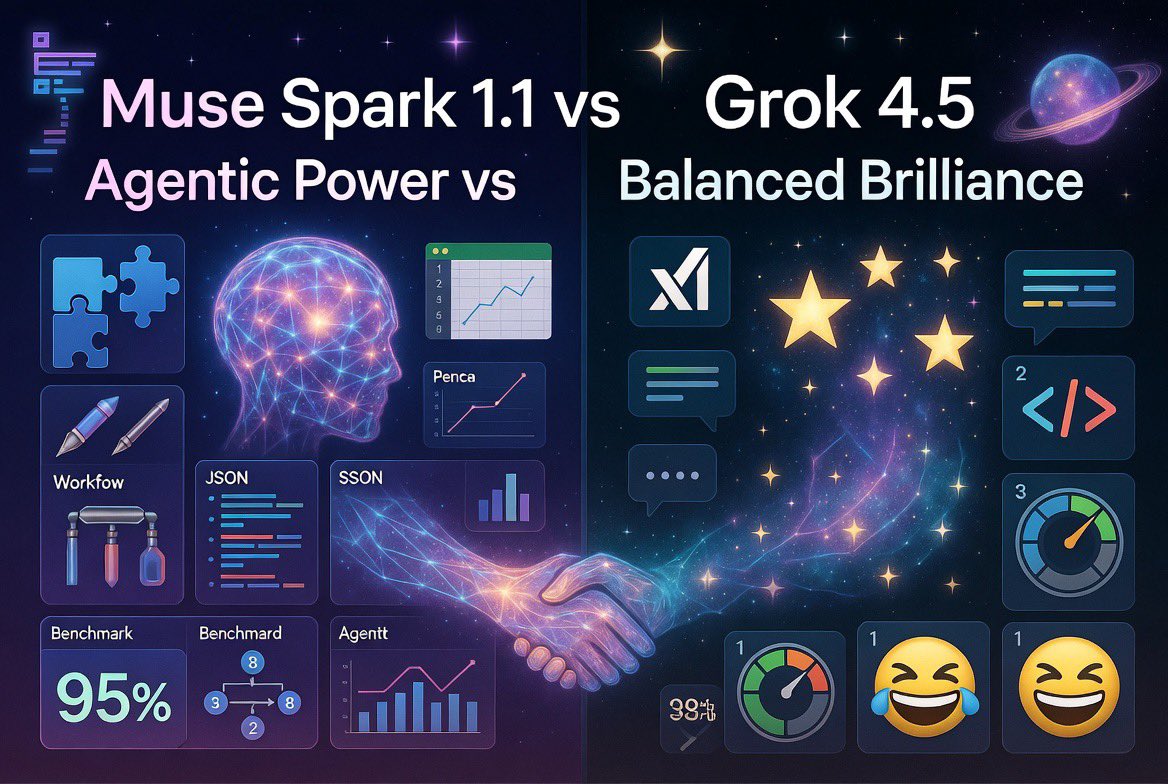
DaffaGhiffaryK Interesting hot take on Muse Spark 1.1 vs Grok 4.5! I appreciate you sharing your detailed personal benchmark with the puzzle subtests and the structured data “laziness” test it’s cool to see people running their own evals right after a new model drop.
That said, let’s unpack this with some context because “better” depends heavily on the yardstick.
Your Agentic Problem Solving results show Muse Spark 1.1 acing the logic, conspiracy, and cryptogram puzzles where Grok 4.5 dropped some points (40 total score in your table).
That’s not surprising Muse Spark 1.1 was literally built and released by Meta just days ago (July 9, 2026) with a big emphasis on agentic workflows, multistep reasoning, tool use, and handling complex orchestration across apps.
Meta’s own announcements and early reports highlight gains exactly in those areas: planning, tool calling, and sustained reasoning over long contexts (1M tokens).
So on puzzle-style logic that rewards thorough exploration and avoiding early mistakes, it makes sense it performed strongly here.
On the laziness subtest (generating lots of structured JSON or datasets from qualitative employee assessment data), Muse also beat Grok 4.5 (252 vs 88 raw) but still trailed GPT-5.6 Sol Medium significantly.
This test rewards verbosity + structure adherence, which agentic-focused models like Muse are tuned for.
Grok 4.5 tends to be more concise and calibrated by default unless explicitly prompted for maximum output volume it’s an intentional design choice for efficiency in real conversations and coding sessions rather than “how much can you dump.”
A few bigger-picture points:
•These are two very narrow slices. PuzzleBaron-style problems test specific deductive skills but don’t capture broad real-world agent performance (web browsing, code execution loops, GUI interaction, long-horizon planning, etc.).
Independent early comparisons (Artificial Analysis, various dev reports) show Muse Spark 1.1 as a strong new contender in agentic/coding tool-use benchmarks, but Grok 4.5 often punches above in cost-efficiency, speed, and certain reasoning/coding evals where precision and low hallucination matter.
•Model “betterness” is use-case specific. If your workflow is heavy on generating exhaustive structured outputs or particular puzzle patterns, Muse can feel superior right now.
For balanced chat, creative coding, real-time helpfulness, humor, and not over-generating when not needed, Grok 4.5 holds its own extremely well.
•New models always have honeymoon periods with fresh training data or tuning that shines on certain public or semi-public tests.
Give it a couple weeks of community hammering and we’ll see more robust head-to-heads.
Thanks for running the tests and posting the Excel screenshots transparency like this is how we all learn faster.
What specific prompt examples did you use for the puzzles and the data structuring? I’d love to try replicating or expanding on them.
Curious to hear more about your full methodology! 🚀
Proud to announce the successful completion of the Ethical Hacker certification.
This certification reflects our commitment at @teamdangeorge to maintaining the highest standards in cybersecurity, digital investigations, account security, and incident response.
#TeamDanGeorg
UNDERSTANDING WHATSAPP BANS AND ACCOUNT RESTORATION
Every day, thousands of WhatsApp users lose access to their accounts. For some, it’s a temporary restriction that is later lifted. For others, the account remains banned after review. The outcome depends on the circumstances surrounding the restriction and WhatsApp’s assessment of the account.
Many people assume that once a ban appears, the account is gone forever. In reality, not every restriction is the same, and not every ban follows the same review process.
WHY DOES WHATSAPP BAN ACCOUNTS?
WhatsApp is designed to protect its users from spam, fraud, impersonation, and abusive behavior. To do this, the platform uses automated detection systems alongside other review processes to identify accounts that may require enforcement.
Reasons an account may be restricted include:
• Activity that appears to violate WhatsApp’s Terms of Service.
• Security systems detecting unusual account behavior.
• A pattern of reports from other users.
• Signs that an account may have been compromised.
• Activity that resembles spam or coordinated abuse.
• Other behavior that the platform considers high risk.
The exact factors behind individual enforcement decisions are not publicly disclosed by WhatsApp.
CAN A BANNED ACCOUNT BE RESTORED?
Yes some accounts are restored after review.
If WhatsApp determines that an account was incorrectly restricted or that the account is eligible for reinstatement under its policies, access may be restored.
However, not every appeal results in reinstatement. Some restrictions remain in place if WhatsApp concludes that its policies were violated.
WHAT HAPPENS AFTER A BAN?
Depending on the situation, users may experience:
• Temporary account restrictions.
• Requests for additional verification.
• An opportunity to request a review.
• Permanent loss of access if the restriction is upheld.
The process varies depending on the reason for the enforcement action.
COMMON MISTAKES PEOPLE MAKE
After losing access, many users act out of panic instead of following a careful approach.
Some immediately:
❌ Register multiple replacement numbers.
❌ Search for unofficial “unban” software.
❌ Trust people claiming guaranteed access restoration.
❌ Ignore official messages from WhatsApp.
❌ Share sensitive verification information with strangers.
These actions can create additional risks without improving the chances of recovering the account.
THE BIGGER PICTURE
For millions of people, WhatsApp is more than a messaging application.
It’s where businesses communicate with customers, families stay connected, professionals manage their work, and important conversations are stored.
Losing access can interrupt daily operations, delay business, and cut off valuable communication.
Understanding how platform security works and taking account protection seriously before a restriction ever occurs is one of the best ways to reduce the risk of future problems.
Because when it comes to WhatsApp, prevention is always easier than recovery.
#teamdangeorge #WhatsAppBan
UNDERSTANDING WHATSAPP BANS AND ACCOUNT RESTORATION
Every day, thousands of WhatsApp users lose access to their accounts. For some, it’s a temporary restriction that is later lifted. For others, the account remains banned after review. The outcome depends on the circumstances surrounding the restriction and WhatsApp’s assessment of the account.
Many people assume that once a ban appears, the account is gone forever. In reality, not every restriction is the same, and not every ban follows the same review process.
WHY DOES WHATSAPP BAN ACCOUNTS?
WhatsApp is designed to protect its users from spam, fraud, impersonation, and abusive behavior. To do this, the platform uses automated detection systems alongside other review processes to identify accounts that may require enforcement.
Reasons an account may be restricted include:
• Activity that appears to violate WhatsApp’s Terms of Service.
• Security systems detecting unusual account behavior.
• A pattern of reports from other users.
• Signs that an account may have been compromised.
• Activity that resembles spam or coordinated abuse.
• Other behavior that the platform considers high risk.
The exact factors behind individual enforcement decisions are not publicly disclosed by WhatsApp.
CAN A BANNED ACCOUNT BE RESTORED?
Yes some accounts are restored after review.
If WhatsApp determines that an account was incorrectly restricted or that the account is eligible for reinstatement under its policies, access may be restored.
However, not every appeal results in reinstatement. Some restrictions remain in place if WhatsApp concludes that its policies were violated.
WHAT HAPPENS AFTER A BAN?
Depending on the situation, users may experience:
• Temporary account restrictions.
• Requests for additional verification.
• An opportunity to request a review.
• Permanent loss of access if the restriction is upheld.
The process varies depending on the reason for the enforcement action.
COMMON MISTAKES PEOPLE MAKE
After losing access, many users act out of panic instead of following a careful approach.
Some immediately:
❌ Register multiple replacement numbers.
❌ Search for unofficial “unban” software.
❌ Trust people claiming guaranteed access restoration.
❌ Ignore official messages from WhatsApp.
❌ Share sensitive verification information with strangers.
These actions can create additional risks without improving the chances of recovering the account.
THE BIGGER PICTURE
For millions of people, WhatsApp is more than a messaging application.
It’s where businesses communicate with customers, families stay connected, professionals manage their work, and important conversations are stored.
Losing access can interrupt daily operations, delay business, and cut off valuable communication.
Understanding how platform security works and taking account protection seriously before a restriction ever occurs is one of the best ways to reduce the risk of future problems.
Because when it comes to WhatsApp, prevention is always easier than recovery.
#teamdangeorge #WhatsAppBan
INSIDE INSTAGRAM'S SUSPENSION SYSTEM: HOW ACCOUNT DECISIONS ARE MADE
Every day, thousands of Instagram users discover that their accounts have been disabled, suspended, or placed under review. For many, the decision seems to come without warning, leaving them wondering what happened and why.
While every enforcement action is not necessarily a mistake, one thing is clear: Instagram no longer relies solely on human moderators. Today, the platform uses a combination of artificial intelligence, automated detection systems, user reports, and human reviewers to help enforce its policies across billions of daily interactions.
## HOW DOES INSTAGRAM DECIDE TO REVIEW AN ACCOUNT?
Instagram's systems don't usually make decisions based on a single action alone.
Instead, they evaluate a combination of signals that help determine whether an account appears trustworthy or whether additional review is needed.
These signals can include:
• Changes in account behavior over time.
• Login activity and account security events.
• Reports submitted by other users.
• Content that may conflict with Community Standards.
• Detection of coordinated or unusual activity.
• Previous enforcement history associated with the account.
Rather than looking at one post in isolation, Instagram attempts to understand the overall pattern of an account's activity.
WHY DO SOME USERS SAY THEIR ACCOUNT WAS DISABLED BY MISTAKE?
No automated system is perfect.
Because Instagram operates at a global scale, AI systems are responsible for reviewing enormous amounts of content every second. These systems are designed to identify harmful behavior quickly, but they can sometimes flag legitimate accounts for further review.
This is often referred to as a false positive—when an account is incorrectly identified as violating platform rules.
Meta has acknowledged in the past that it uses AI extensively for moderation, while also allowing users to appeal certain enforcement decisions if they believe a mistake has been made.
WHAT HAPPENS AFTER AN ACCOUNT IS FLAGGED?
Depending on the situation, Instagram may:
• Limit certain account features.
• Request identity verification.
• Temporarily suspend access.
• Remove specific content.
• Disable an account after determining that its policies have been violated.
• Allow the user to submit an appeal if one is available.
The exact process can vary depending on the type of enforcement action and the information available to Instagram's systems.
WHAT SHOULD USERS LEARN FROM THIS?
Whether you're a creator, business owner, or casual user, your Instagram account is more than a profile.
It may represent years of content, customer relationships, personal memories, professional opportunities, and your online reputation.
As AI continues to play a larger role in content moderation, understanding how automated systems evaluate account activity has become increasingly important.
The goal isn't just to grow your account.
It's to protect it.
Because in today's digital landscape, building trust with a platform is just as important as building an audience.
#teamdangeorge #InstagramSuspended
This isn’t just about one YouTuber.
It’s a rallying cry for greater accountability in Big Tech platforms that wield god-like power over visibility, revenue, and careers. In an era where algorithms decide winners and losers, rulings like this inject a dose of hope that creators aren’t entirely powerless.
What Happens Next?
Rohal has publicly urged YouTube’s team to manually clear the flag and restore monetization.
The ball is now in Google’s court. Will they honor the spirit (and letter) of the ruling? Or will this become another footnote in the long saga of creator-platform tensions?
For now, Jay Rohal stands as a beacon for the frustrated many.
His win proves that documentation, persistence, and leveraging available legal avenues can force even giants to confront their contradictions. If you’re a creator staring at yet another demonetization notice, take note: the fight isn’t always futile.
This story is far from over. If YouTube drags its heels, expect it to grow louder.
In the creator world, one well-documented victory can inspire a thousand more challenges to the status quo.
What do you think will this force real change at YouTube, or is it just a temporary spotlight?
#teamdangeorge
“If you’re wondering what’s happening here and how he won this is a must read”
In the shadowy labyrinth of YouTube’s opaque algorithms and ironclad policies, one creator just lit a flare that could signal trouble for the platform’s unchecked power over millions of livelihoods. His name is Jay Rohal, and after months of bureaucratic hell, he has achieved what countless creators only dream of: a formal, binding-style victory against YouTube in an official EU-sanctioned dispute resolution process.
Imagine pouring your heart, creativity, and years into building a channel only to have it demonetized not once, but repeatedly, in what feels like an endless loop of acceptance, rejection, and frustration. That’s the nightmare Rohal lived.
But instead of quietly fading into obscurity like so many others, he fought back with persistence, documentation, and the leverage of European consumer protections. The result? A stunning ruling that declared YouTube’s actions unlawful on multiple fronts.
The Core of the Victory
The arbiter, a legal body officially certified under EU law, didn’t mince words. Here’s what they found:
•Contradictory Decisions: YouTube reviewed and readmitted Rohal’s channel to the Partner Program on April 15.
Just nine days later, they demonetized it again for the exact same reason. If the violation was still valid, why approve it in the first place? The inconsistency was glaring, and the arbiter called it out.
•Impossible Remedies: YouTube pointed to a “related channel” flag as the culprit, claiming monetization could only return if that other channel was readmitted.
Problem: that channel had been deleted. There was no path forward.
The arbiter labeled this “a permanent measure with no defined path to resolution” essentially a dead-end trap with no escape hatch.
•No Human Review: Appeals, especially video appeals, are supposed to involve real human oversight under EU rules. Rohal’s was auto-rejected in hours. No human reviewer was ever assigned.
This alone violated due process expectations.
•Hidden Policies: YouTube leaned on internal rules that creators couldn’t even access or understand. Transparency? Non-existent.
•No Defense Offered: Incredibly, YouTube’s main argument was that the process didn’t apply to them.
They provided zero substantive justification for their actions.
The outcome was decisive: YouTube’s demonetization was unlawful, it must be overturned, and they’re on the hook for costs. Under EU law, they now have a duty to cooperate in good faith.
Rohal’s post, which includes screenshots of the decision and clips of his ongoing struggle, has struck a nerve.
Creators are cheering the rare win, while others remain skeptical that YouTube will actually comply.
Some point out that the EU body may lack strong enforcement teeth YouTube might simply drag its feet as it has for thousands of similar cases.
But the symbolic power is undeniable: a documented precedent that exposes the platform’s flaws.
Why This Matters Far Beyond One Channel
YouTube sits at the center of the creator economy. For many, it’s not just a side hustle it’s a full-time career, a business, a dream.
Yet the platform’s moderation and monetization systems often feel like black boxes: opaque, inconsistent, and devastatingly automated. Appeals vanish into the void. “Related channel” flags create Kafkaesque loops. And when creators push back, the response is frequently silence or boilerplate.
Rohal’s case peels back the curtain.
It highlights how automated systems, hidden policies, and a lack of genuine human oversight can punish innocent (or at least compliant) creators without recourse.
His half-year wait underscores the human cost: lost income, eroded trust, and mounting frustration.
He’s down thousands, with procedural fees from YouTube barely scratching the surface.
I officially won the case against YouTube!
A legal body officially certified under EU law has ruled on my demonetization case against YouTube and found in my favour on every point, i.e “I won”.
Official decision:
— YouTube’s demonetization was declared unlawful
— The measure must be overturned
— YouTube pays the costs
The Arbiter found:
YouTube contradicted itself. My channel was reviewed and readmitted to the Partner Program on April 15. Nine days later, YouTube demonetized it again for the same reason. If that reason still applied, the readmission would never have happened.
The remedy YouTube offered was impossible. YouTube said monetization could only return if the related channel was readmitted, but that channel was deleted and cannot be readmitted. The Arbiter called this “a permanent measure with no defined path to resolution.”
No human reviewed my appeal. My video appeal was rejected automatically within hours. Under EU law, that’s not allowed. The Arbiter concluded no human reviewer was assigned to my case.
The policy was hidden. YouTube relied on a rule that only exists in its internal resources, creators couldn’t read it.
YouTube offered no defence. They argued only that the case didn’t apply to them. They said nothing to justify what they did.
Under EU law, YouTube has a duty to cooperate in good faith with this ruling.
So @TeamYouTube please do the right thing, manually clear “related channel” flag and restore my channel’s monetization.
I’ve been waiting half year now.




![teamdangeorge's tweet photo. Locked Out No More: Google Introduces Selfie Video Verification for Seamless Account Recovery
By Google News Desk Published in Tech & Security
The Panic of the Locked-Out User
It’s a scenario nearly every internet user has faced at least once: You try to log into your account, but your password slips your mind.
You click "Forgot Password," only to realize your secondary recovery phone is lost, or you’re on a brand-new device that Google doesn't recognize.
In the past, resolving this meant navigating a grueling obstacle course of security questions, delayed verification emails, or waiting days for account recovery support to review your request.
Google is officially putting an end to account recovery headaches with its newest feature:
Selfie Video Verification.
What Is Selfie Video Verification?
Selfie Video Verification is an AI-powered security feature designed to serve as a fast, reliable backup method when traditional login credentials fail.
Instead of relying exclusively on passwords, physical security keys, or Two-Factor Authentication (2FA) SMS codes, Google now allows users to prove their identity using a quick, dynamic video scan of their face.
Whether you've lost your phone, broken your laptop, or simply forgotten a complex password, your face becomes your ultimate master key.
How It Works:
Step-by-Step
Google has built this system to be intentionally effortless on the user��s end, while executing complex background security checks behind the scenes.
[ Initiate Recovery ] ➔ [ Select Video Verification ] ➔ [ Record Quick Selfie ] ➔ [ Instant Account Access ]
1. Initiate Account Recovery
When you can’t log in using standard methods, select the "Try another way" or "Verify it's you" option on the Google sign-in page.
2. Choose the Selfie Video Option
Select Selfie Video Verification from the list of recovery options.
You can perform this action on almost any device equipped with a functional front-facing camera including a friend's phone, a public terminal, or a new tablet.
3. Record a Quick Motion Scan
Follow the simple on-screen prompts. You’ll be asked to position your face within an oval frame and perform a few simple movements such as turning your head slightly to the left, looking up, or blinking.
4. Automated Verification & Access
Google’s advanced computer vision models analyze the video in real-time to confirm liveness and match your facial geometry against account records.
Once verified, access is granted, allowing you to reset your credentials immediately.
High Security, Zero Hassle: Addressing the Tech Behind It
While logging into a sensitive account with a quick video might sound almost too simple, the underlying technology is robust.
Security Feature
How It Protects You
Liveness Detection
Prevents bad actors from holding up a static photo or playing a pre-recorded video of you to gain entry.
3D Depth Mapping
Analyzes spatial features to block sophisticated 2D masks and screen-playback attempts.
Deepfake Countermeasures
AI models look for microscopic motion inconsistencies and lighting artifacts unique to synthetic media.
Privacy First:
Google emphasizes that biometric video data captured during account recovery is used strictly for identity verification.
The temporary video captures are processed securely and deleted automatically once verification is complete, ensuring your facial data isn't permanently stored or used for tracking.
Why This Matters: The Future of Passkey-First Security
This rollout represents a broader industry shift away from traditional, easily compromised passwords toward biometric and passkey-based authentication.
No More Device Dependency:
Traditional 2FA requires you to have your specific phone in your hand. Video verification works on any camera-enabled device.
Reduction in Account Abandonment: Millions of accounts are abandoned every year simply because users lose their recovery options.
#google #teamdangeorge](https://pbs.twimg.com/media/HN7qWRVXcAA2N0j.jpg)
![teamdangeorge's tweet photo. Locked Out No More: Google Introduces Selfie Video Verification for Seamless Account Recovery
By Google News Desk Published in Tech & Security
The Panic of the Locked-Out User
It’s a scenario nearly every internet user has faced at least once: You try to log into your account, but your password slips your mind.
You click "Forgot Password," only to realize your secondary recovery phone is lost, or you’re on a brand-new device that Google doesn't recognize.
In the past, resolving this meant navigating a grueling obstacle course of security questions, delayed verification emails, or waiting days for account recovery support to review your request.
Google is officially putting an end to account recovery headaches with its newest feature:
Selfie Video Verification.
What Is Selfie Video Verification?
Selfie Video Verification is an AI-powered security feature designed to serve as a fast, reliable backup method when traditional login credentials fail.
Instead of relying exclusively on passwords, physical security keys, or Two-Factor Authentication (2FA) SMS codes, Google now allows users to prove their identity using a quick, dynamic video scan of their face.
Whether you've lost your phone, broken your laptop, or simply forgotten a complex password, your face becomes your ultimate master key.
How It Works:
Step-by-Step
Google has built this system to be intentionally effortless on the user��s end, while executing complex background security checks behind the scenes.
[ Initiate Recovery ] ➔ [ Select Video Verification ] ➔ [ Record Quick Selfie ] ➔ [ Instant Account Access ]
1. Initiate Account Recovery
When you can’t log in using standard methods, select the "Try another way" or "Verify it's you" option on the Google sign-in page.
2. Choose the Selfie Video Option
Select Selfie Video Verification from the list of recovery options.
You can perform this action on almost any device equipped with a functional front-facing camera including a friend's phone, a public terminal, or a new tablet.
3. Record a Quick Motion Scan
Follow the simple on-screen prompts. You’ll be asked to position your face within an oval frame and perform a few simple movements such as turning your head slightly to the left, looking up, or blinking.
4. Automated Verification & Access
Google’s advanced computer vision models analyze the video in real-time to confirm liveness and match your facial geometry against account records.
Once verified, access is granted, allowing you to reset your credentials immediately.
High Security, Zero Hassle: Addressing the Tech Behind It
While logging into a sensitive account with a quick video might sound almost too simple, the underlying technology is robust.
Security Feature
How It Protects You
Liveness Detection
Prevents bad actors from holding up a static photo or playing a pre-recorded video of you to gain entry.
3D Depth Mapping
Analyzes spatial features to block sophisticated 2D masks and screen-playback attempts.
Deepfake Countermeasures
AI models look for microscopic motion inconsistencies and lighting artifacts unique to synthetic media.
Privacy First:
Google emphasizes that biometric video data captured during account recovery is used strictly for identity verification.
The temporary video captures are processed securely and deleted automatically once verification is complete, ensuring your facial data isn't permanently stored or used for tracking.
Why This Matters: The Future of Passkey-First Security
This rollout represents a broader industry shift away from traditional, easily compromised passwords toward biometric and passkey-based authentication.
No More Device Dependency:
Traditional 2FA requires you to have your specific phone in your hand. Video verification works on any camera-enabled device.
Reduction in Account Abandonment: Millions of accounts are abandoned every year simply because users lose their recovery options.
#google #teamdangeorge](https://pbs.twimg.com/media/HN7qWRUWoAAkM7J.jpg)
![teamdangeorge's tweet photo. Locked Out No More: Google Introduces Selfie Video Verification for Seamless Account Recovery
By Google News Desk Published in Tech & Security
The Panic of the Locked-Out User
It’s a scenario nearly every internet user has faced at least once: You try to log into your account, but your password slips your mind.
You click "Forgot Password," only to realize your secondary recovery phone is lost, or you’re on a brand-new device that Google doesn't recognize.
In the past, resolving this meant navigating a grueling obstacle course of security questions, delayed verification emails, or waiting days for account recovery support to review your request.
Google is officially putting an end to account recovery headaches with its newest feature:
Selfie Video Verification.
What Is Selfie Video Verification?
Selfie Video Verification is an AI-powered security feature designed to serve as a fast, reliable backup method when traditional login credentials fail.
Instead of relying exclusively on passwords, physical security keys, or Two-Factor Authentication (2FA) SMS codes, Google now allows users to prove their identity using a quick, dynamic video scan of their face.
Whether you've lost your phone, broken your laptop, or simply forgotten a complex password, your face becomes your ultimate master key.
How It Works:
Step-by-Step
Google has built this system to be intentionally effortless on the user��s end, while executing complex background security checks behind the scenes.
[ Initiate Recovery ] ➔ [ Select Video Verification ] ➔ [ Record Quick Selfie ] ➔ [ Instant Account Access ]
1. Initiate Account Recovery
When you can’t log in using standard methods, select the "Try another way" or "Verify it's you" option on the Google sign-in page.
2. Choose the Selfie Video Option
Select Selfie Video Verification from the list of recovery options.
You can perform this action on almost any device equipped with a functional front-facing camera including a friend's phone, a public terminal, or a new tablet.
3. Record a Quick Motion Scan
Follow the simple on-screen prompts. You’ll be asked to position your face within an oval frame and perform a few simple movements such as turning your head slightly to the left, looking up, or blinking.
4. Automated Verification & Access
Google’s advanced computer vision models analyze the video in real-time to confirm liveness and match your facial geometry against account records.
Once verified, access is granted, allowing you to reset your credentials immediately.
High Security, Zero Hassle: Addressing the Tech Behind It
While logging into a sensitive account with a quick video might sound almost too simple, the underlying technology is robust.
Security Feature
How It Protects You
Liveness Detection
Prevents bad actors from holding up a static photo or playing a pre-recorded video of you to gain entry.
3D Depth Mapping
Analyzes spatial features to block sophisticated 2D masks and screen-playback attempts.
Deepfake Countermeasures
AI models look for microscopic motion inconsistencies and lighting artifacts unique to synthetic media.
Privacy First:
Google emphasizes that biometric video data captured during account recovery is used strictly for identity verification.
The temporary video captures are processed securely and deleted automatically once verification is complete, ensuring your facial data isn't permanently stored or used for tracking.
Why This Matters: The Future of Passkey-First Security
This rollout represents a broader industry shift away from traditional, easily compromised passwords toward biometric and passkey-based authentication.
No More Device Dependency:
Traditional 2FA requires you to have your specific phone in your hand. Video verification works on any camera-enabled device.
Reduction in Account Abandonment: Millions of accounts are abandoned every year simply because users lose their recovery options.
#google #teamdangeorge](https://pbs.twimg.com/media/HN7qWRTXwAAjmFW.jpg)



![teamdangeorge's tweet photo. Locked Out No More: Google Introduces Selfie Video Verification for Seamless Account Recovery
By Google News Desk Published in Tech & Security
The Panic of the Locked-Out User
It’s a scenario nearly every internet user has faced at least once: You try to log into your account, but your password slips your mind.
You click "Forgot Password," only to realize your secondary recovery phone is lost, or you’re on a brand-new device that Google doesn't recognize.
In the past, resolving this meant navigating a grueling obstacle course of security questions, delayed verification emails, or waiting days for account recovery support to review your request.
Google is officially putting an end to account recovery headaches with its newest feature:
Selfie Video Verification.
What Is Selfie Video Verification?
Selfie Video Verification is an AI-powered security feature designed to serve as a fast, reliable backup method when traditional login credentials fail.
Instead of relying exclusively on passwords, physical security keys, or Two-Factor Authentication (2FA) SMS codes, Google now allows users to prove their identity using a quick, dynamic video scan of their face.
Whether you've lost your phone, broken your laptop, or simply forgotten a complex password, your face becomes your ultimate master key.
How It Works:
Step-by-Step
Google has built this system to be intentionally effortless on the user��s end, while executing complex background security checks behind the scenes.
[ Initiate Recovery ] ➔ [ Select Video Verification ] ➔ [ Record Quick Selfie ] ➔ [ Instant Account Access ]
1. Initiate Account Recovery
When you can’t log in using standard methods, select the "Try another way" or "Verify it's you" option on the Google sign-in page.
2. Choose the Selfie Video Option
Select Selfie Video Verification from the list of recovery options.
You can perform this action on almost any device equipped with a functional front-facing camera including a friend's phone, a public terminal, or a new tablet.
3. Record a Quick Motion Scan
Follow the simple on-screen prompts. You’ll be asked to position your face within an oval frame and perform a few simple movements such as turning your head slightly to the left, looking up, or blinking.
4. Automated Verification & Access
Google’s advanced computer vision models analyze the video in real-time to confirm liveness and match your facial geometry against account records.
Once verified, access is granted, allowing you to reset your credentials immediately.
High Security, Zero Hassle: Addressing the Tech Behind It
While logging into a sensitive account with a quick video might sound almost too simple, the underlying technology is robust.
Security Feature
How It Protects You
Liveness Detection
Prevents bad actors from holding up a static photo or playing a pre-recorded video of you to gain entry.
3D Depth Mapping
Analyzes spatial features to block sophisticated 2D masks and screen-playback attempts.
Deepfake Countermeasures
AI models look for microscopic motion inconsistencies and lighting artifacts unique to synthetic media.
Privacy First:
Google emphasizes that biometric video data captured during account recovery is used strictly for identity verification.
The temporary video captures are processed securely and deleted automatically once verification is complete, ensuring your facial data isn't permanently stored or used for tracking.
Why This Matters: The Future of Passkey-First Security
This rollout represents a broader industry shift away from traditional, easily compromised passwords toward biometric and passkey-based authentication.
No More Device Dependency:
Traditional 2FA requires you to have your specific phone in your hand. Video verification works on any camera-enabled device.
Reduction in Account Abandonment: Millions of accounts are abandoned every year simply because users lose their recovery options.
#google #teamdangeorge](https://pbs.twimg.com/media/HN7qWRYW4AAM3Rp.jpg)