Kiosks are everywhere... But how often are they actually exploited? Is this an underrepresented attack surface? And does app control even make sense in a kiosk environment? This Thursday, @CroodSolutions and @Shammahwoods join us to get into it.
Register to join: https://t.co/6feNkfHsDv
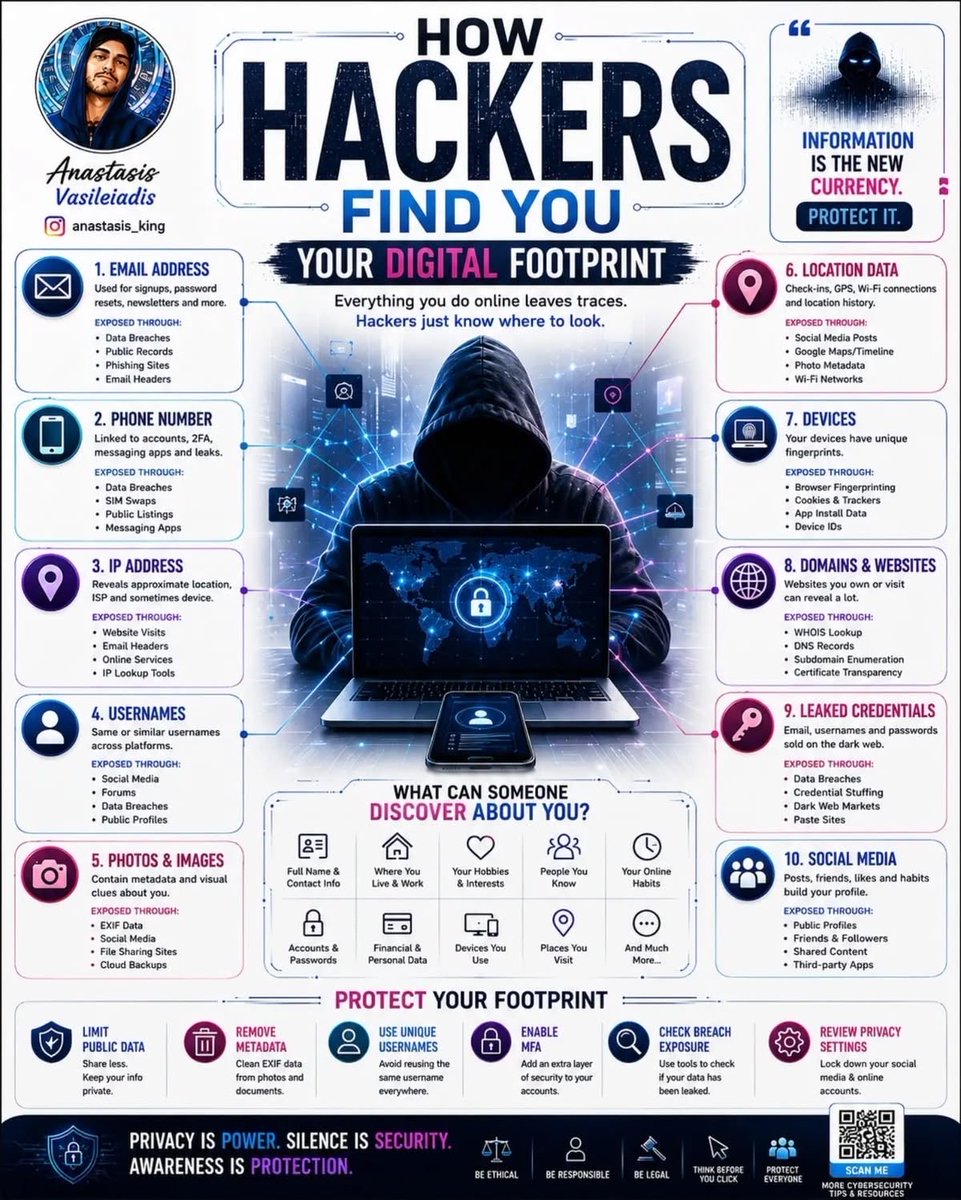
DNS is the layer an operator reads before they touch the app. https://t.co/wA8QhsIVSR scans from the outside, no zone file and no creds, the same vantage as recon: SPF/DMARC, DNSSEC, lame NS, takeover, suspicious TXT, DDNS, parked domains, registrant exposure.
Built by Esteban Borges (@tuitesteban), Octopus at @Huntio and founder of @dnsaudit. Hunt Intelligence hunts C2 and netblocks, and the scanner asks the question he already asks of a domain: who owns it, is the delegation alive, what is dangling.
Three intelligence reads. Lame delegation is a hijack primitive: parent still delegates, child NS stopped answering. Mail policy is campaign prep: DMARC at p=none and MX on a parked domain mean the brand is spoofable before the first lure. TXT and DDNS are pivots, not verdicts: v1.2 claimed 56 TXT patterns and 275 DDNS suffixes. Correlate with age, TLD, and registrar lock. Do not auto-block.
v1.3 adds a Domain Exposure Engine, 26 checks and a separate score: expiry, redemption, transfer, age, DNSSEC, WHOIS privacy. WhoisXML API puts ownership next to the finding. JSON and pip install dnsaudit feed SOAR. It does not replace passive DNS or a sandbox. On their numbers, ~20.9k of ~23.6k scanned domains had a critical finding.
https://t.co/58yqw9Ot5S
Attackers are encrypting payloads to sneak malware past Linux defenses. Spoiler: it doesn't work.Sandfly Founder, @CraigHRowland breaks down the Linux malware trends we're seeing on @DestLinuxPod 👇
@TeamNAIT@medsci_yb3r we did a thing = took initiative.
A "DEMONSTRATION" (passive collection).
Let us know if Officer Alex Wheadon of the RCMP contacts you.
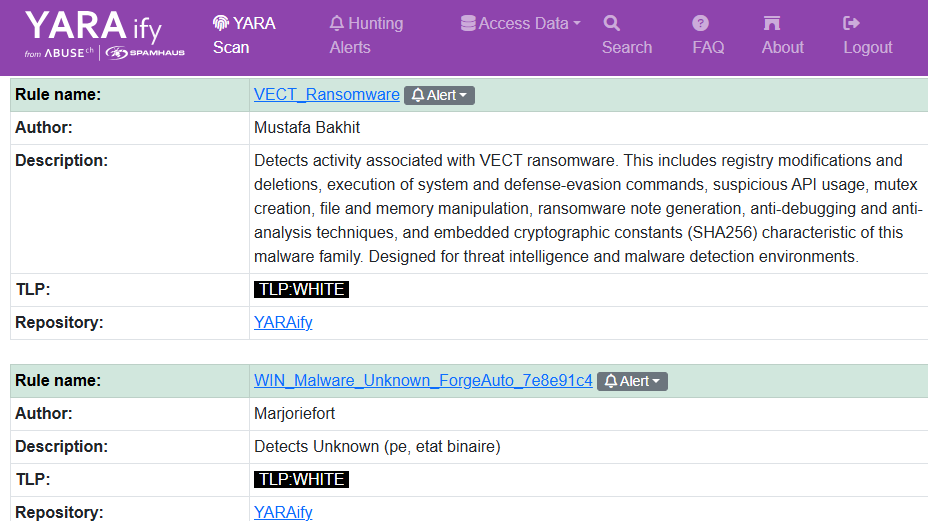
In the above image #YARA scan of #VECT Ransomware.
Case no. 2026972763
@MondoABx@Furnace_roofho@gilmcgowan




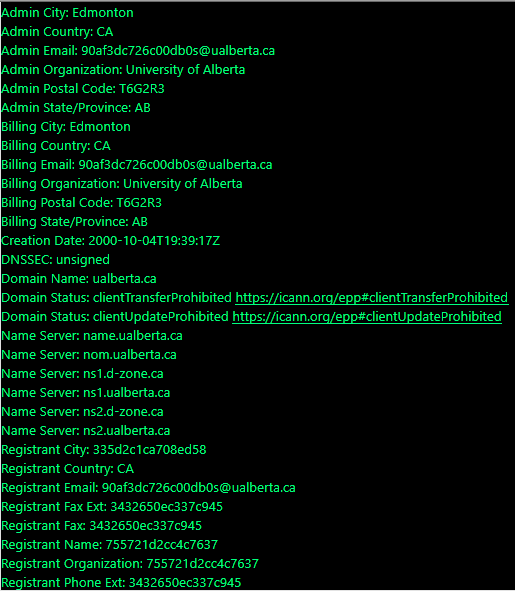
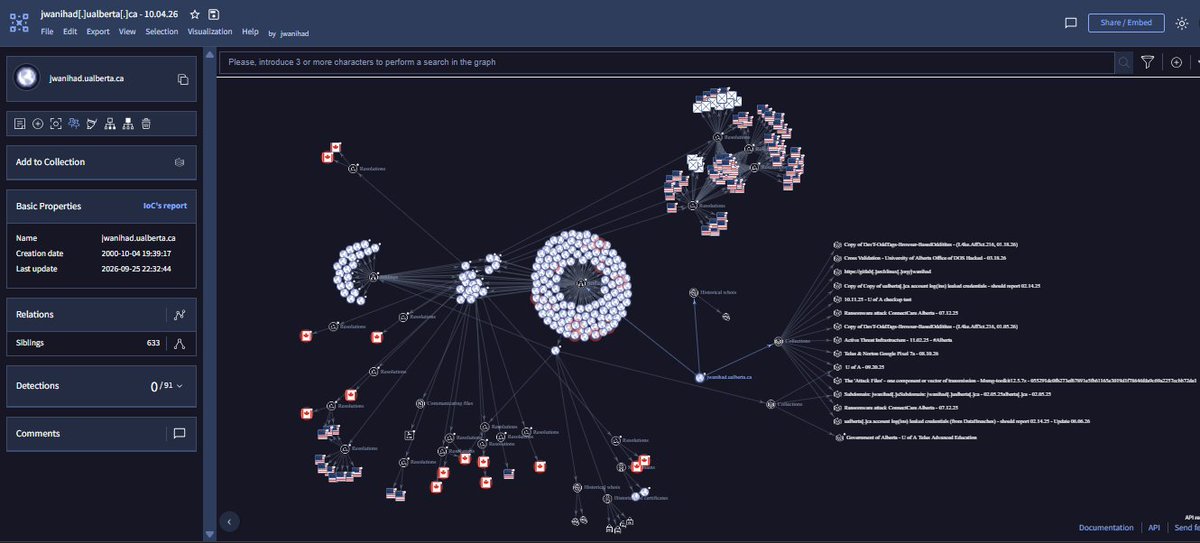

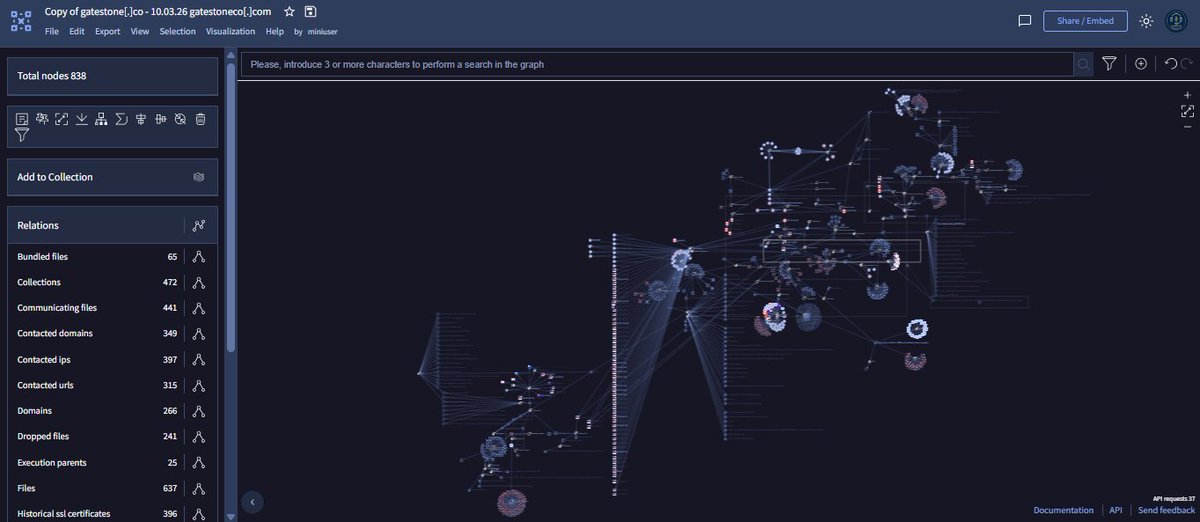
![userlolxxl's tweet photo. @UCPGoA23 @YourAlberta @medsci_yb3r @TeamNAIT @LevelBlueCyber @virustotal @TELUS @Rogers @Bell @FreedomMobile did a minor update "Copy of gatestone[.]co - 10.03.26 gatestoneco[.]com"https://t.co/0ncZ47pRfq @skocherhan as we discussed how can be reserved IP employed in malware transitions - read collection by "casmic6022" 👇https://t.co/OxNDO4wrkr & "Localghost" https://t.co/3teNFk1kQT https://t.co/jbIF397eQX](https://pbs.twimg.com/media/HTu2obvWMAAEEU-.jpg)
![userlolxxl's tweet photo. @UCPGoA23 @YourAlberta @medsci_yb3r @TeamNAIT @LevelBlueCyber @virustotal @TELUS @Rogers @Bell @FreedomMobile did a minor update "Copy of gatestone[.]co - 10.03.26 gatestoneco[.]com"https://t.co/0ncZ47pRfq @skocherhan as we discussed how can be reserved IP employed in malware transitions - read collection by "casmic6022" 👇https://t.co/OxNDO4wrkr & "Localghost" https://t.co/3teNFk1kQT https://t.co/jbIF397eQX](https://pbs.twimg.com/media/HTu2W0fXIAAfzw1.jpg)
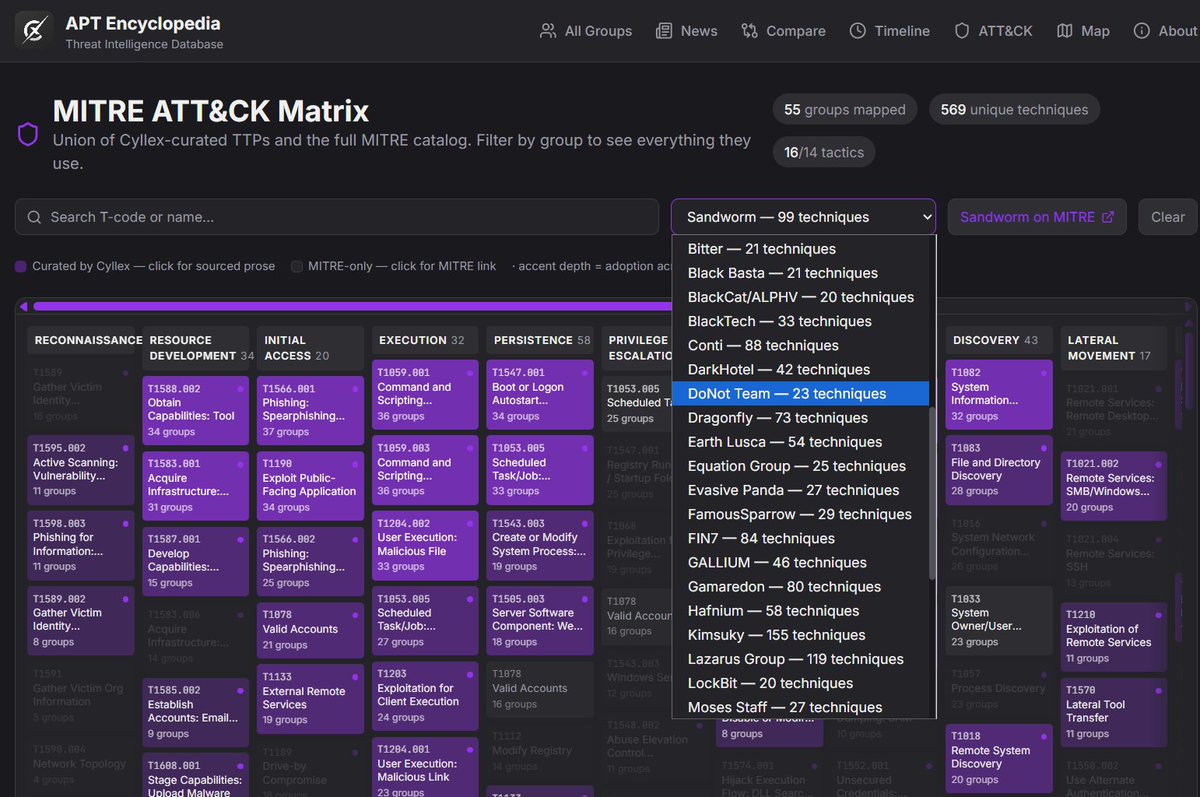
![userlolxxl's tweet photo. @UCPGoA23 @YourAlberta @medsci_yb3r @TeamNAIT @LevelBlueCyber @virustotal @TELUS @Rogers @Bell @FreedomMobile did a minor update "Copy of gatestone[.]co - 10.03.26 gatestoneco[.]com"https://t.co/0ncZ47pRfq @skocherhan as we discussed how can be reserved IP employed in malware transitions - read collection by "casmic6022" 👇https://t.co/OxNDO4wrkr & "Localghost" https://t.co/3teNFk1kQT https://t.co/jbIF397eQX](https://pbs.twimg.com/media/HTu1jFUXUAALvZW.jpg)





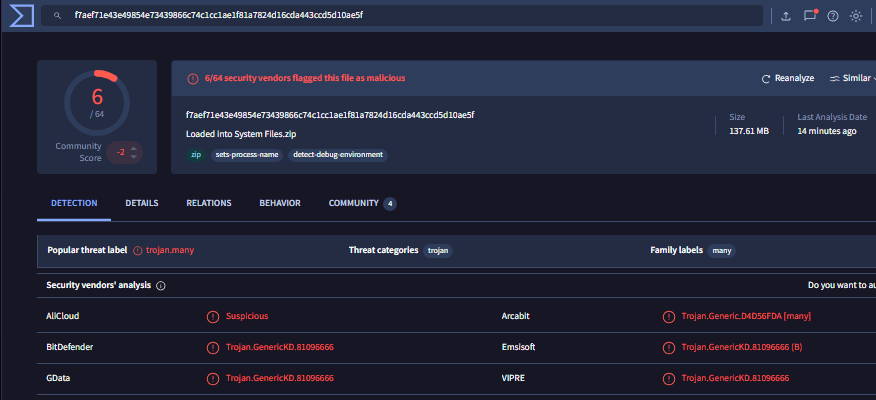
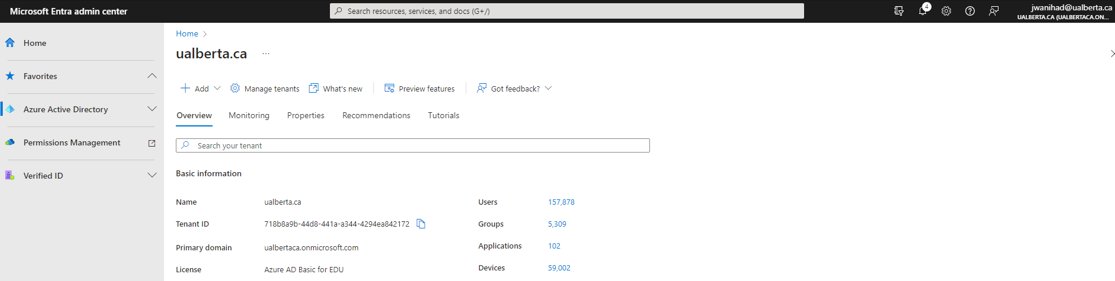
![UCPGoA23's tweet photo. @userlolxxl @skocherhan @usetraceix @ADanielHill @MalbearLabs @three_cube @UK_Daniel_Card @magicswordio @LevelBlueCyber @medsci_yb3r @TeamNAIT @CBCEdmonton @TheBreakdownAB @albertaradios @cspotweet @CreesOnCBC @YourAlberta @Treaty8FNA @cybercentre_ca By @medsci_yb3r:
ualbertaca[.]onmicrosoft[.]com
Tenant ID: 718b8a9b-44d8-441a-a344-4294ea842172
https://t.co/jI0abwTQhI
https://t.co/Pj9xsQvdcD
https://t.co/T5anPVyPXe
https://t.co/ETUUy1lMSy
https://t.co/I2GpvVNZR2
https://t.co/j5FLFdvKMD
https://t.co/PY3gYsKFXR https://t.co/0SvgIFNq34](https://pbs.twimg.com/media/HT18IRNaUAAjfkU.png)
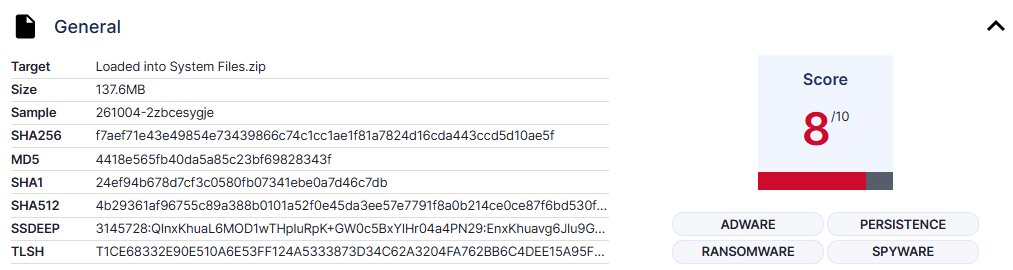
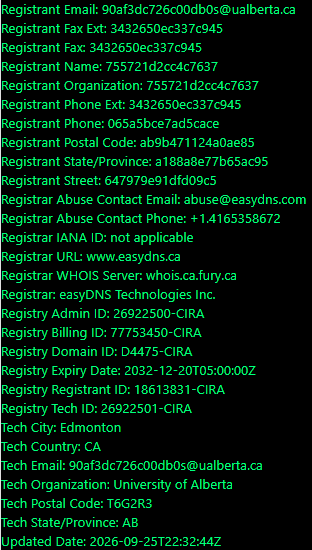
![userlolxxl's tweet photo. @UCPGoA23 @YourAlberta @medsci_yb3r @TeamNAIT @LevelBlueCyber @virustotal @TELUS @Rogers @Bell @FreedomMobile did a minor update "Copy of gatestone[.]co - 10.03.26 gatestoneco[.]com"https://t.co/0ncZ47pRfq @skocherhan as we discussed how can be reserved IP employed in malware transitions - read collection by "casmic6022" 👇https://t.co/OxNDO4wrkr & "Localghost" https://t.co/3teNFk1kQT https://t.co/jbIF397eQX](https://pbs.twimg.com/media/HTu3Y12WsAA2VXJ.jpg)