A tool used to trace digital evidence in one country could help investigators elsewhere too.
@UNODC_Cyber's Transfer of Technology Initiative will help #GlobENetwork's member authorities share specialized investigative tools across borders.
#UnitedAgainstCorruption
States need to act now to set clear international regulations on autonomous weapons systems.
"A failure to act quickly and decisively will cost lives. It will leave future generations to inherit a world in which the absence of clear and specific prohibitions and restrictions on these weapons opens the door to practices that would erode the protections international humanitarian law is meant to guarantee."
In a joint appeal, the Secretary-General of the @UN, @antonioguterres and the President of the @ICRC, Mirjana Spoljaric, renew their call for States to urgently adopt a legally binding instrument to regulate autonomous weapon systems with clear prohibitions and restrictions.
Read more 👉🏽 https://t.co/xFQ1Y7zYar
Corruption does not stop at borders and neither can law enforcement.
The #GlobENetwork brings anti-corruption authorities together to build trusted connections and share information securely, so investigators can follow the money across countries 📰https://t.co/WzQnpFqCDT
𝗘𝗔𝗖𝗔 𝗦𝗧𝗥𝗘𝗡𝗚𝗧𝗛𝗘𝗡𝗦 𝗞𝗘𝗡𝗬𝗔'𝗦 𝗖𝗔𝗣𝗔𝗖𝗜𝗧𝗬 𝗧𝗢 𝗜𝗡𝗩𝗘𝗦𝗧𝗜𝗚𝗔𝗧𝗘 𝗜𝗟𝗟𝗜𝗖𝗜𝗧 𝗙𝗜𝗡𝗔𝗡𝗖𝗜𝗔𝗟 𝗙𝗟𝗢𝗪𝗦
The Kenya Ethics and Anti-Corruption Academy (EACA) is strengthening Kenya’s capacity to detect, trace and recover illicit financial proceeds through specialized training on financial investigations and virtual assets.
From 24–28 August 2026, EACA, in partnership with the United Nations Office on Drugs and Crime (UNODC), through the EU-funded PLEAD II Programme and the Illicit Finance Fusion Centre for Africa, is hosting an advanced training in Nairobi bringing together investigators, prosecutors, financial intelligence analysts and regulators.
The training underscores EACA’s growing role as a center of excellence for specialized capacity building in the fight against corruption and financial crime, particularly as criminals increasingly exploit digital technologies to conceal and move illicit proceeds.
Participants are being equipped with practical skills covering the entire financial investigation chain—from detecting suspicious transactions and tracing assets on the blockchain, to corroborating evidence, preserving digital evidence, freezing and seizing assets, facilitating international cooperation and presenting evidence effectively before courts.
With money stolen from public coffers increasingly capable of moving seamlessly between bank accounts, mobile money platforms and digital wallets, the ability of investigators to follow the money is critical to safeguarding public resources.
Through programmes such as this, EACA continues to build the specialized skills and expertise required by Kenya’s justice and law-enforcement institutions to pursue illicit proceeds, strengthen cases, recover criminal assets and ultimately enhance accountability in the management of public resources.
@UNODCEastAfrica
When money meant for public services is stolen, it could move through a bank account, mobile money, and increasingly, a digital wallet. The money may change form but the responsibility to find it has not.
From 24 - 28 August 2026,@UNODC's EU🇪🇺-Funded #PLEADYetu Programme and the Illicit Finance Fusion Centre for Africa, has partnered with @EACCKenya’s Ethics and Anti-Corruption Academy (EACA), to bring together Kenyan investigators, prosecutors, financial intelligence analysts and regulators in Nairobi 🇰🇪 for advanced training on financial investigations and virtual assets.
The training follows the financial investigation chain from detection and blockchain tracing to corroboration, evidence preservation, freezing and seizure international cooperation and successfully presentation in court.
Kenyan institutions will be strengthened to trace illicit proceeds, build stronger cases, recover criminal assets and protect public resources.
@UNODC_FinCrime@UNODCEastAfrica@EUinKenya@EACCKenya@USEmbassyKenya 🇺🇸
#SDG16 #UnitedAgainstCorruption #PLEADYetu #EUinKenya
The data points to safety as more than a policing issue. Residents also identified street lighting (38.6%) and community dialogue (26.1%) as priorities. Prevention, therefore, requires attention to economic, infrastructure, and community-level factors.
What would make people feel safer? Baseline data from Mathare & Kayole shows 63.6% of respondents identified employment opportunities as a key factor over the next 2 years, above police presence (51.1%) and police accountability (41.6%).
Today, DPGSK mourns Rosemary Koech-Kimwatu, our founding and first Vice President. Her wisdom, diplomacy and dedication helped build our Society and strengthen Kenya’s privacy community. We extend our heartfelt condolences to her family and friends. Rest in eternal peace,Chemu
NCRC has commenced data collection for a study on the Effectiveness of the Court-Annexed Alternative Justice System (AJS) in the Management of Misdemeanours in Kenya.
The exercise covers 8 counties. It seeks to strengthen AJS mechanisms and improve justice access accross Kenya.
𝗖𝗢𝗥𝗥𝗨𝗣𝗧𝗜𝗢𝗡 𝗙𝗜𝗚𝗛𝗧 𝗚𝗘𝗧𝗦 𝗔𝗡 𝗨𝗣𝗚𝗥𝗔𝗗𝗘: 𝗘𝗔𝗖𝗖, 𝗙𝗕𝗜 𝗟𝗔𝗨𝗡𝗖𝗛 𝗜𝗦𝗜𝗢𝗟𝗢 𝗜𝗡𝗧𝗘𝗥𝗩𝗜𝗘𝗪 𝗙𝗔𝗖𝗜𝗟𝗜𝗧𝗬
The Ethics and Anti-Corruption Commission (EACC) has opened modern interview facilities at its Upper Eastern Regional Office in Isiolo on 7th August 2026, marking the latest milestone in its long-running partnership with the FBI to combat corruption.
Speaking on behalf of EACC Chief Executive Officer Abdi Mohamud, Director of Investigations John Lolkoloi thanked FBI representatives Andreas Aguirre and Samuel Newlin-Haus for their continued support in strengthening the Commission's investigative capacity.
Mr. Lolkoloi said the EACC-FBI collaboration has bolstered the Commission through specialized training, technical support, modern investigative tools and intelligence sharing. The refurbished facilities, he noted, give investigators a secure, technology-enabled space that upholds professionalism and international best practices while protecting the rights of investigators, witnesses and persons of interest.
He added that corruption, money laundering and illicit financial flows are transnational crimes demanding strong international cooperation. The EACC, he said, remains committed to working with the FBI to strengthen investigations, build capacity in areas like artificial intelligence and digital forensics, and enhance asset recovery and intelligence sharing.
On his part, FBI representative, Andreas Aguirre emphasized that success in combating corruption cannot be achieved in isolation, underscoring the importance of strong partnerships and inter-agency collaboration. He noted that winning the fight against corruption requires institutions to work hand in hand, leveraging their collective expertise and resources.
Mr. Aguirre commended the EACC leadership for its unwavering commitment to strengthening the longstanding partnership between the two institutions, describing the collaboration as one of mutual benefit that continues to enhance the capacity of both agencies in addressing complex corruption and financial crime cases.
The launch was also attended by EACC-FBI Liaison Officer Mulki Umar, Upper Eastern Regional Deputy Manager Dr. Agosta Mecca, Central Regional Deputy Manager Grace Omweri, and other EACC officers underscoring the Commission's commitment to deepening its partnership with the FBI in the fight against corruption and economic crime.
The upgraded facilities feature modern recording and documentation systems designed to improve the quality, efficiency and integrity of investigative interviews. They will serve investigators handling corruption and economic crime cases across Isiolo, Meru and Marsabit counties, reinforcing public confidence in the Commission's work.
The EACC thanked the FBI for its continued support and reaffirmed its commitment to sustaining the partnership in promoting integrity, accountability and good governance.
Every traffic file in Kenya's courts represents a person.
"Behind every traffic statistic is a human life — a victim, a family, a motorist, a pedestrian, or a passenger whose life may be permanently affected. The answer, however, cannot simply be more prosecutions."
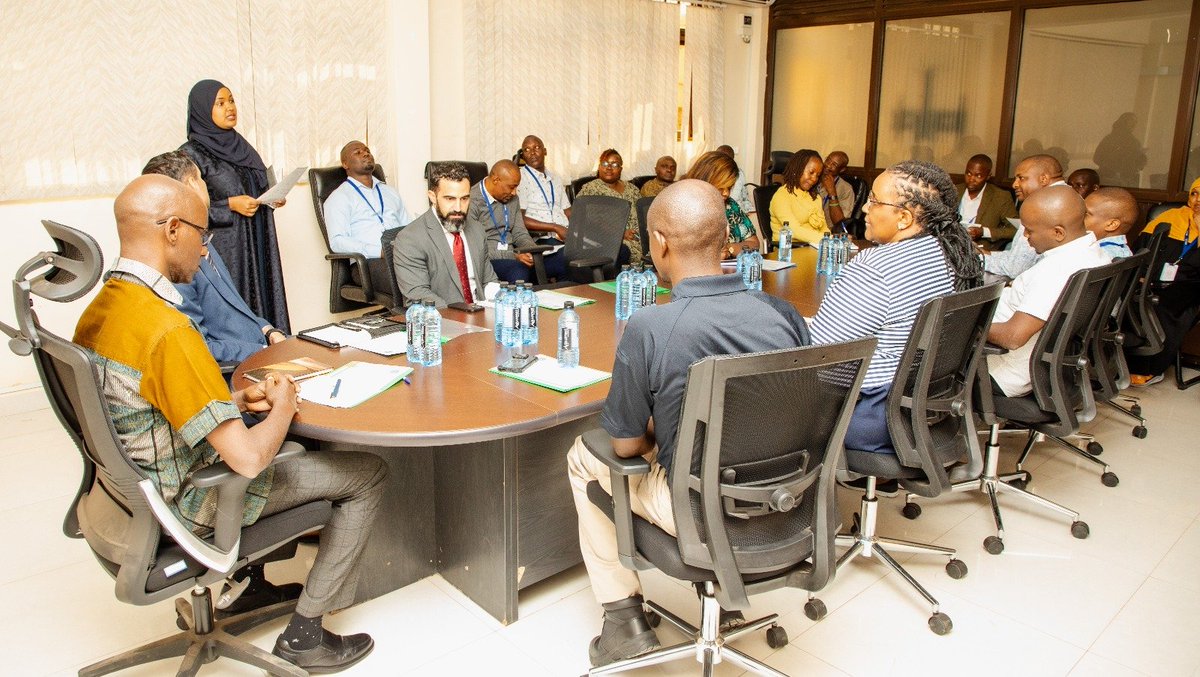
That was the message to prosecutors gathered in Nairobi to interrogate Kenya's draft Guidelines for the Prosecution of Traffic Offences, delivered on behalf of the Director of Public Prosecutions.
With traffic matters filling close to a third of the criminal caseload, the case for change is one of proportion: measured responses to minor infractions, and undivided attention on the offences that take lives.
Supported by @UNODC under the EU-funded PLEAD II programme.
Stay with us as this reform advances. Repost to put road safety on the national agenda.
#TrafficReform #RoadSafety #PLEADYetu
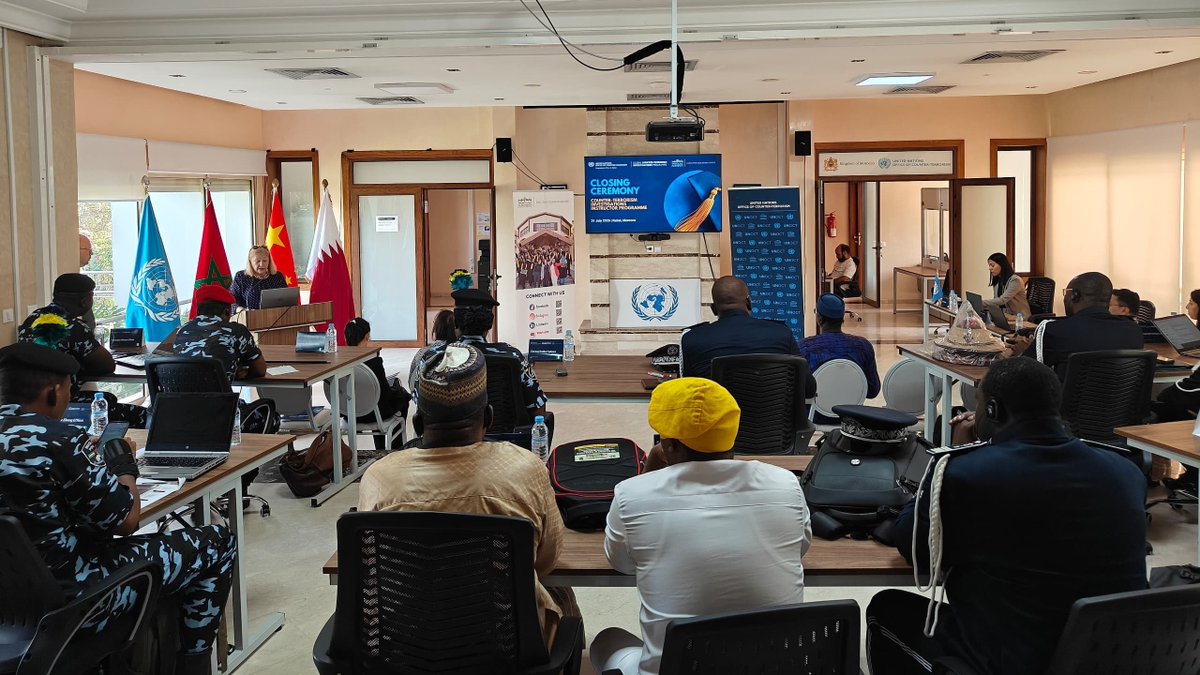
🎓 Congratulations to 22 faculty members from 🇳🇬 #Nigeria 🇧🇫 #BurkinaFaso & 🇰🇪 #Kenya who graduated from a 3-week Instructor Programme to teach counter-terrorism investigations in their national police academies
by @UN_OCT & @AlAkhawayn university
#UNiteToCounterTerrorism
𝗘𝗔𝗖𝗖 𝗖𝗘𝗢 𝗖𝗔𝗟𝗟𝗦 𝗙𝗢𝗥 𝗗𝗜𝗚𝗜𝗧𝗔𝗟 𝗧𝗥𝗔𝗡𝗦𝗙𝗢𝗥𝗠𝗔𝗧𝗜𝗢𝗡 𝗧𝗢 𝗦𝗧𝗥𝗘𝗡𝗚𝗧𝗛𝗘𝗡 𝗧𝗛𝗘 𝗙𝗜𝗚𝗛𝗧 𝗔𝗚𝗔𝗜𝗡𝗦𝗧 𝗖𝗢𝗥𝗥𝗨𝗣𝗧𝗜𝗢𝗡
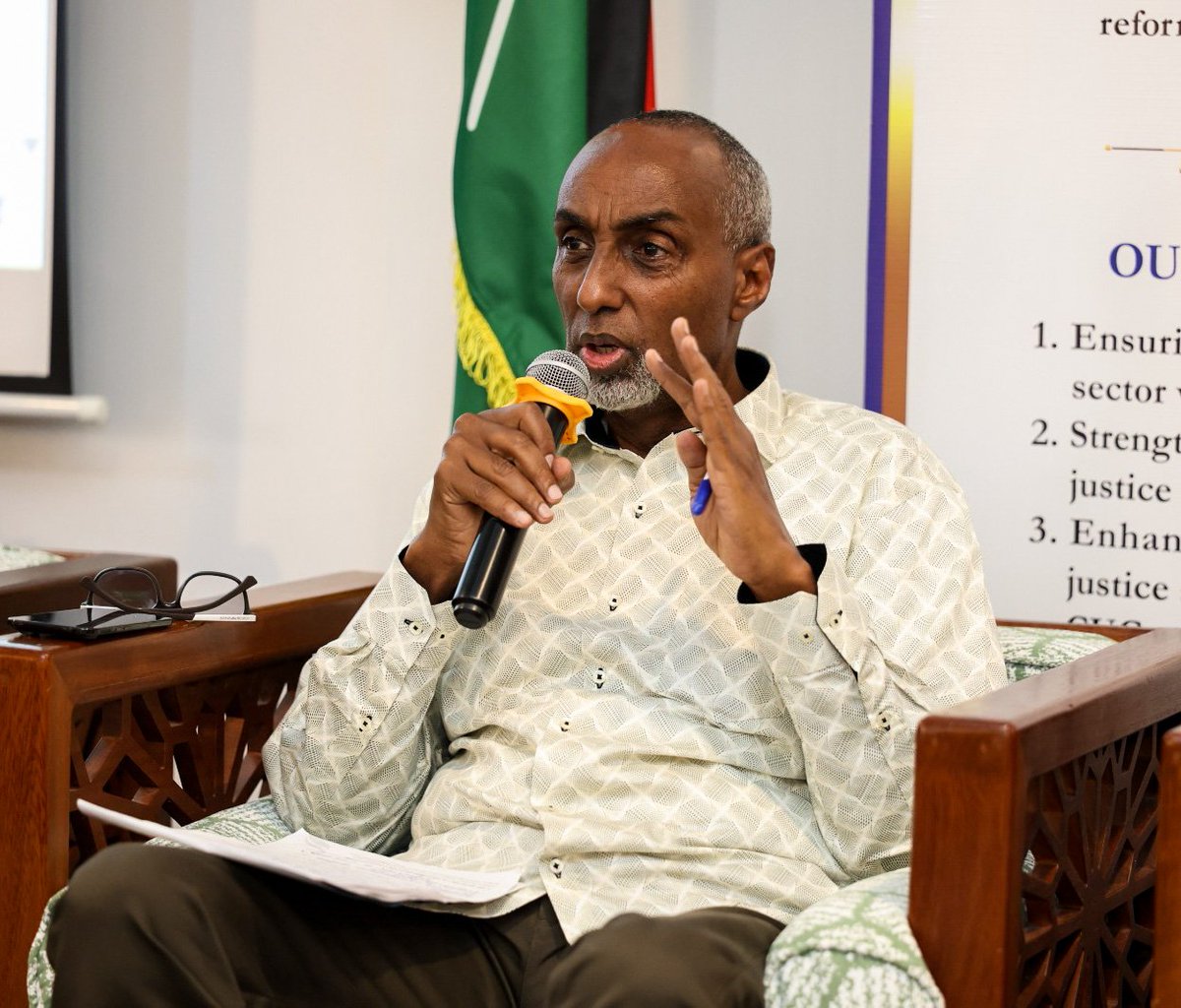
The Chief Executive Officer of the Ethics and Anti-Corruption Commission (EACC), Mr. Abdi Mohamud, has urged justice sector institutions to embrace digital transformation as a strategic tool for promoting transparency, accountability and the fight against corruption. He made the remarks during a high-level panel discussion during the 38th NCAJ Council Meeting held in Mombasa, Kenya.
"Technology is now the biggest enabler for corruption prevention, law enforcement and transparency. For justice sector agencies, secure digital systems should no longer be optional, but a key component of our day-to-day functions," Mr. Mohamud said.”
He said digital transformation offers a unique opportunity to deepen inter-agency collaboration in preventing, detecting, investigating, prosecuting and adjudicating corruption cases, while improving service delivery. He urged justice sector actors to integrate their information systems for secure, real-time exchange of intelligence and evidence, coordinated investigations and prosecutions, and stronger electronic evidence management.
Mr. Mohamud also called for wider adoption of data analytics and artificial intelligence to detect conflicts of interest, flag procurement red flags, analyse suspicious payment patterns, and map beneficial ownership networks linked to corruption. He stressed that this must be matched by continued investment in capacity building in digital investigations, forensics, AI, cybersecurity and digital ethics alongside robust governance frameworks to protect privacy and ensure technology complements, not replaces, professional judgement and due process.
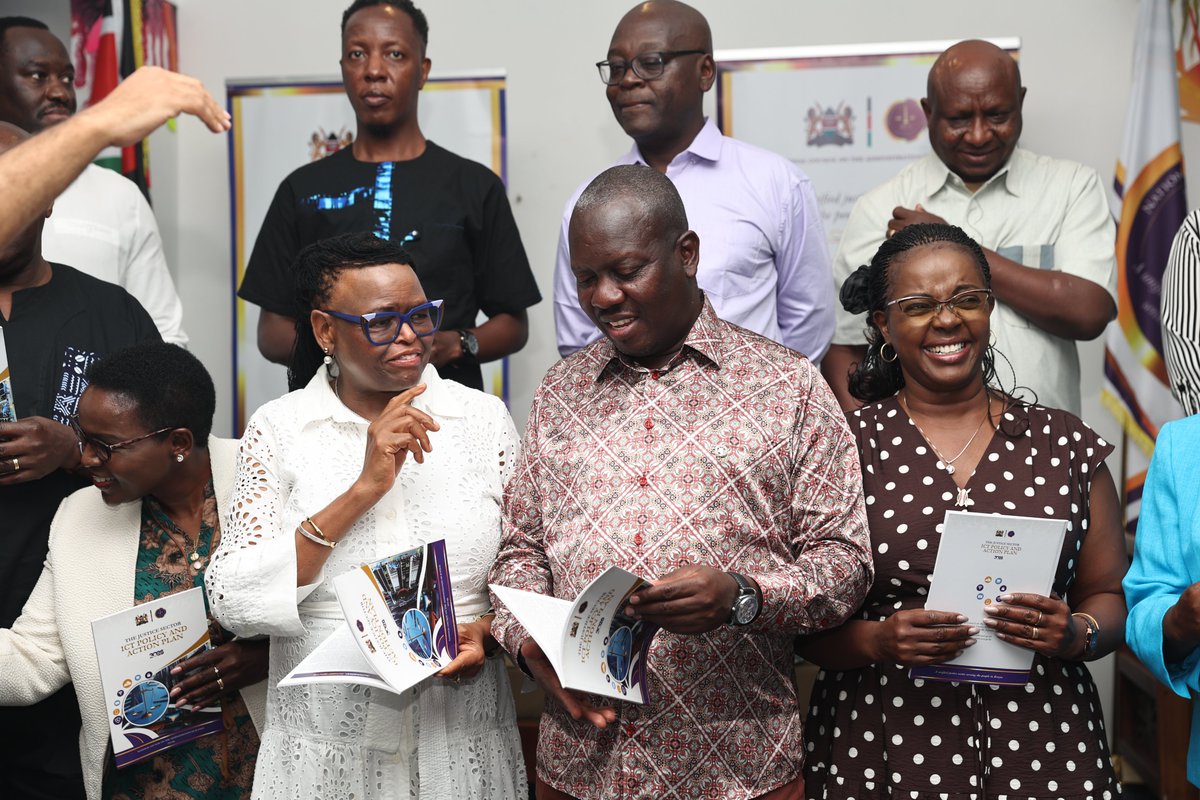
Launching the reform instruments, among them the Justice Sector ICT Policy and Action Plan, Chief Justice Martha Koome underscored the importance of collaboration among justice sector institutions, noting that the public experiences the justice system as one interconnected chain, not separate institutions and that weaknesses in one link undermine confidence in the whole system.
"Together, through the NCAJ, we must continue to strengthen public confidence in the rule of law, deepen access to justice and build a justice system that is truly people-centred," she said.
The launch marks a significant milestone in the digitization of Kenya's justice system, reaffirming the sector's commitment to technology, institutional collaboration and people centred justice.
Through the National Police Service eLearning Programme, officers are enhancing their skills in areas including criminal investigations, trauma handling, child protection, and change management, helping build a more responsive, rights-based, and community-focused police service.
Hear from officers, trainers, partners, and young Kenyans on the impact of this initiative on access to justice.
Implemented by UNODC with the National Police Service and funded by the European Union under the #PLEADYetu initiative.
▶️ Watch: https://t.co/KvMfSczFo0
#PLEADYetu #AccessToJustice #ContinuousElearning #CrimePrevention #CriminalJustice #CapacityBuilding
The new PRI-UNODC research, supported by the UK Ministry of Justice @MoJGovUK, shows why non-custodial measures matter for Africa. In Kenya,
@UNODC supports alternatives to imprisonment, stronger probation systems, rehabilitation and coordinated justice responses.
Read more 👇
https://t.co/Z2Csyr76SR
Ahead of World Day Against Trafficking in Persons, @UNODCEastAfrica and @HAARTKenya invite you to a conversation on trafficking for online fraud and its impact. Join us and our group of experts tomorrow, July 28 at 7pm EAT. #EndHumanTrafficking
DPP Calls for Embrace of Technology to Strengthen Criminal Justice System
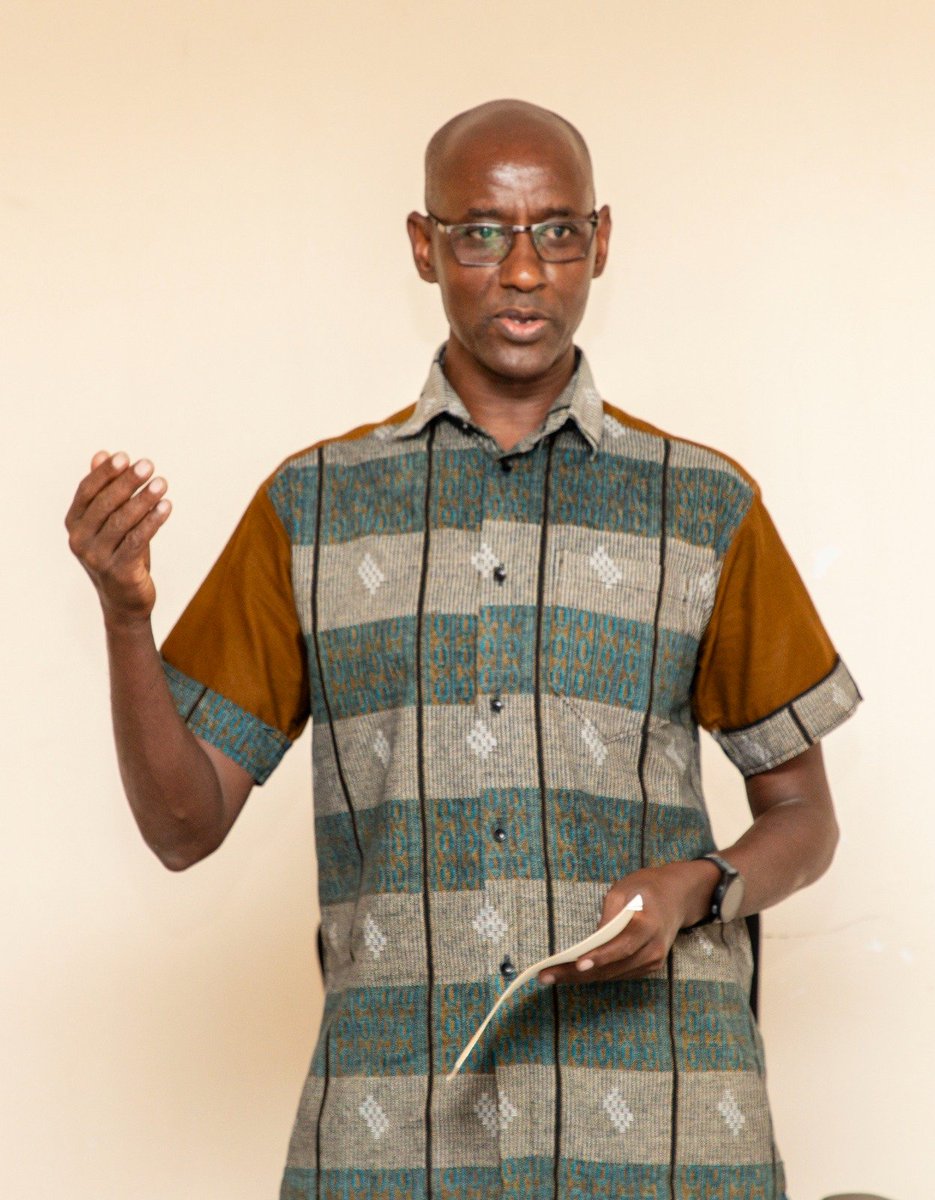
The Director of Public Prosecutions Renson Ingonga, CBS, OGW has called on justice sector stakeholders to embrace technology as a critical tool for improving the efficiency, transparency, and effectiveness of criminal case management across the country.
Speaking during the 38th National Council on the Administration of Justice (NCAJ) meeting in Mombasa, the DPP said the integration of digital solutions into the justice system is essential in addressing case backlogs, enhancing coordination among institutions, and ensuring timely delivery of justice.
"Technology is no longer optional in the administration of justice. It is a necessity that will enable institutions within the justice sector to improve efficiency, accountability, and access to justice for all Kenyans," he said.
#HakiNaUsawa