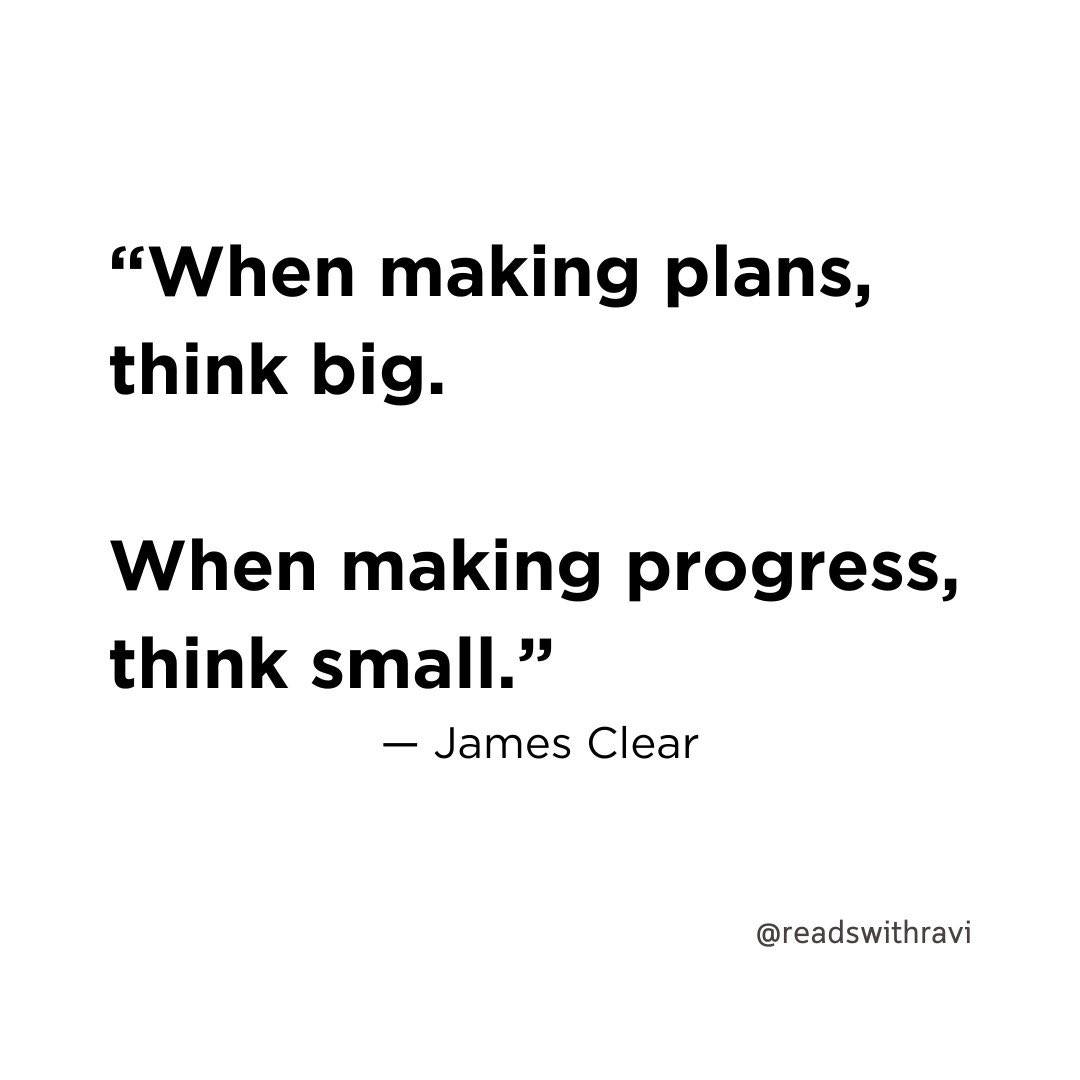
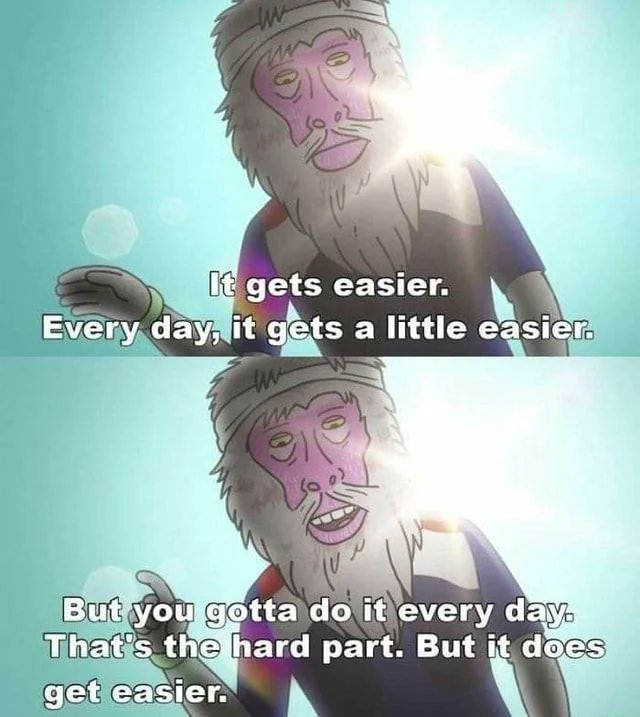
People underestimate what they can achieve just by following a consistent, boring process every day.
- I cracked IIT on my first attempt:
That meant studying every day with no visible progress in tests for weeks.
Waking up daily, sitting again with the same books, and continuing under insane competition and uncertainty. But still keeping at it bit by bit.
- I reached Expert on CodeForces:
That meant getting overwhelmed by hundreds of algorithms. Forgetting concepts, returning to the same problems, and drawing a complete blank.
Restarting from Arrays multiple times. Constant self-doubt. But continuing anyway and eventually cracking it.
- I cleared tech interviews at companies like Microsoft, Databricks and Atlassian:
That means months of applying with no interviews. Juggling preparation with a full-time job. Going through 6-7 rounds for a single offer.
Failing interviews, recovering, and restarting prep again. Making slow progress, but eventually getting the offer.
- I built high-scale systems at an HFT:
That means spending months understanding fundamentals, learning the domain, and working under tight deadlines.
Slowly turning vague problems and edge cases into something you’re genuinely proud of, while creating a huge revenue impact for the company.
Basically, the same recipe for almost every meaningful goal.
Put your head down and follow the process long enough.
You’ll eventually get where you want to be.
Every day, 1000s of Job Posts are posted on X.
Yet you can't find them because X search SUCK!
So,
I built an app that finds all those leads for you.
- Scrapes all job posts
- Qualifies with AI
- Export in Excel
I'll be launching it for FREE on my 22nd bday (9th April)
This will be my gift to all of you guys for always being there for me💙
If you want the first access,
Repost this post ♻️
Here's the demo:
3. The Knowledge Trap
Situation: You buy another course because you think you need to learn one more framework or language before you can finally build the product or apply for the senior role.
System: Stop consuming endless tutorials. Pick a complex problem you do not know how to solve and learn the exact syntax required to fix it in real-time while you build.
Why it works: Just-in-time learning actually sticks. You build functional competence and ship real projects instead of collecting useless theoretical certificates that no one checks.
One of my friends just proved this to me.
Before marriage, he was taking real risks. He would work after office, study on weekends, switch stacks, interview aggressively, and say yes to uncomfortable opportunities.
Back then he was making around 9 LPA. Then he pushed it to 16 LPA. Then to 28 LPA.
That growth did not happen by accident. It happened because he was building his life on purpose.
Now he is married, earns around 36 LPA, and life is more stable. But the risk appetite is gone.
He is not lazy by any means. But his responsibilities are real now.
EMI. Family planning. Parents. School fees in future. Need for certainty.
Now every career move is filtered through safety first.
That is why I keep telling software engineers: the best time to take career risk is when your downside is still small.
Learn the hard stack. Switch jobs. Move to product. Build in public. Try remote. Take the startup role. Ask for more ownership. Work on that scary distributed systems problem. Do all of it early.
Because later, even if your salary is higher, your freedom to experiment can become much lower.
The longer you wait to build the life you want, the more likely you are to inherit a life designed by default.
And default life is usually: decent salary, low excitement, high regret.
Build early. Take risks while your life is still light. A lot of engineers think they have time.
Most do. But not as much as they think.