As was obvious yesterday, the UN climate summit is heading into another episode of overtime red-eye drama.
This also means a massive dose of hyperbole about the significance of whatever gets agreed at the end. Failing to include a sentence about phasing out fossil fuels means condemning the world to catastrophic global warming and conversely any such sentence becomes a "deal to end fossil fuels".
Obviously, in reality, the world's entire energy future won't be turned on its head by a bunch of sleep deprived diplomats in one night, one way or the other. Faced with that kind of exaggeration, it's easy to roll your eyes and dismiss the summit entirely, especially if you're not there.
So does the outcome actually matter and in what way?
I've been emphasizing the deal to triple renewable energy globally as by far the most important potential outcome from the meeting. This kind of a commitment would open up space to massively increase financing for renewables in developing countries, and the policy changes needed on the national level to make projects viable even when financing is available.
I've played down both the odds and the significance of fossil fuel phase-out language, because it was clear that oil and gas interests would have oversize say in this summit. To be acceptable to all countries, such language inevitably gets watered down so as to lose most meaning.
That said, the significance of any declaration or commitment is ultimately measured in how it manages to shift national energy policies and investment decisions. Many campaigners and advocates who are working tirelessly on that level see the fossil fuel phase-out as something that would make a difference in their work. Even having the conversation take place on this level and having the opponents of targeting a phase-out or even a phase-down outed moves things forward.
While the eventual aim of increasing clean energy is to phase out the vast majority of fossil fuel use, right now accelerating the growth of clean energy seems more important than arguing about the eventual end state. Once global clean energy production is growing at a rate consistent with the tripling, it will become obvious that fossil fuels are on their way out, and that is for the better not just for the climate but also for the economy.
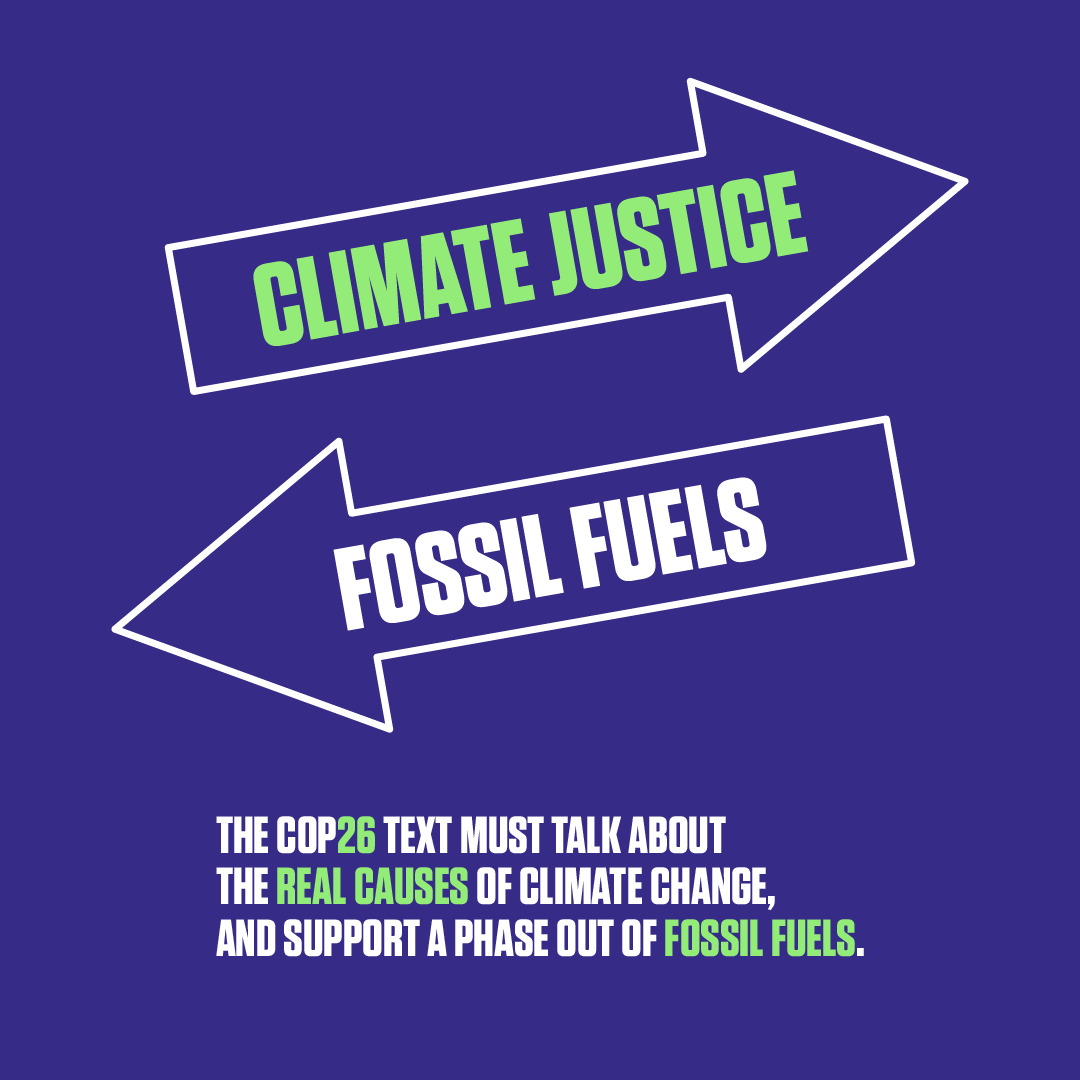
The #COP26 decision must address fossil fuels. We have to talk about real causes in order to support real solutions.
Trying to stop climate change without mentioning ending ALL fossil fuels is like trying to stop the pandemic without mentioning the virus.
China commissioned 76% of all new coal plants in 2020, which is so much more than other countries that you’ll have to read two more tweets to get to the bottom of this smokestack. Read more in Boom and Bust 2021: https://t.co/O3JvhDw4qh #EndCoal
Commissioning of new plants fell to 50.3 GW in 2020, a decline of 34% from 2019, as projects in development struggled to obtain financing and many projects were delayed due to the Covid-19 pandemic. #EndCoal
In India coal power capacity rose by just 0.7 GW in 2020, net of 1.3 GW of retirements, after rising by 7.0 GW in 2019. At the height of the country’s coal plant building from 2010 to 2017, the country increased its coal fleet by an average of 17.3 GW a year. #EndCoal
Have you seen this study by @Sunil_S_Dahiya/ @CREACleanAir?
Nearly 218 people die in #Delhi annually from exposure to toxic fumes from the 12 thermal power plants located in the vicinity of the national capital!
@soumya_pillai/@htTweets reports: https://t.co/KQyUlIz3lR
With @ClimateEnvoy John Kerry warning of pipeline stranded asset risk, our latest #PipelineBubble research puts that risk at $1 trillion globally. We also looked at who's been financing the Permian Basin oil & gas buildout 👇🏽
More details via @BankTrack: https://t.co/kYt3fEBb4w
A federal moratorium on evictions "wasn't good enough to begin with," says tenant rights activist @taraghuveer of @KCTenants. But allowing it to expire on Dec. 31 would leave "millions of families vulnerable to eviction within the first 20 days of the next year."
A new report shows how oil giants, fossil-fueled utilities and their financiers have lavished money on secretive police foundations. https://t.co/U6u9sf7aj0 via @HuffPostPol
Great piece by @SteveAHorn on the challenge ahead: another 75+ pipelines in the US can move ahead now that the Supreme Court has reaffirmed the Obama Administration's fast-track program: https://t.co/ZFHWKuSKJR
Claims that BC #LNG will lead to global GHG reductions by displacing coal-fired electricity in Asia over the next 20 years do not add up, shows new @ccpa_bc report by earth scientist David Hughes. https://t.co/yI4VPLWhvZ #ClimateCrisis#cdnpoli#bcpoli
Japan’s big bet on LNG looks increasingly risky. Blog by @greigaitken for @GlobalEnergyMon on Japan's massive and increasingly risky support for LNG terminals, tankers and pipelines overseas. https://t.co/lhDXU8k8Yl
Gas Bubble: new GEM report shows that "perfect storm" of overbuilding LNG terminals, low gas prices, pandemic
disruptions, protest actions, and growing political opposition is occurring: https://t.co/J6BOS68CII #gasbubble
Finally, thanks to @GlobalEnergyMon for the great coal plant data, without which none of this would be possible.
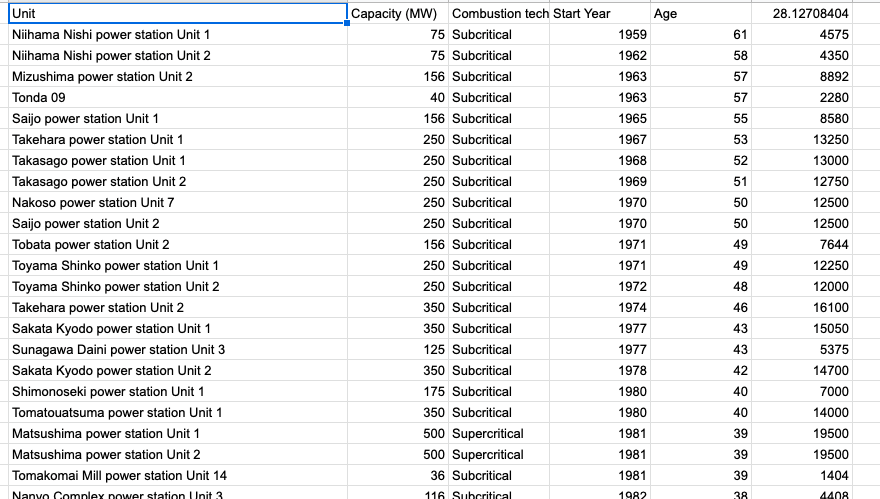
And if you want to know which coal units are on that list of 114 that might close, according to my analysis, I'm happy to share the spreadsheet 🤓
Shameful. As India chokes on deadly air pollution, NTPC (govt owned) and Adani (owns govt) sought extension of deadlines to curb coal plant emissions | ET EnergyWorld https://t.co/ybtIFfH703