📢 ¡Cupos limitados! Curso de #PLACA2026
🌎 Aprende los conceptos clave vinculados al #monitoreo y #evaluación de las medidas de adaptación al #CambioClimático
Inscríbete ahora ➡️ https://t.co/dqKFLX1KPJ
🎓 Curso gratuito en @FAOCampus
Cambio Climático: Desafíos en Áreas Silvestres Protegidas 🌎
El curso nos invita a reconocer los elementos clave a nivel teórico y práctico vinculados con el cambio climático
¡Matricúlate! ➡️ https://t.co/PmVay3Aq7F
🌱 Read a new @FAO, @UNFCCC & @theGEF publication on how synergies between #GFRA & Biennial Transparency Reports can streamline reporting for #ClimateAction.
Branching out: synergies in forest assessments and climate transparency reporting
👉 https://t.co/5a7tDElrO1
#FRA2025
📢 New from @FAO at the #GeoField Convening 🌳🛰️
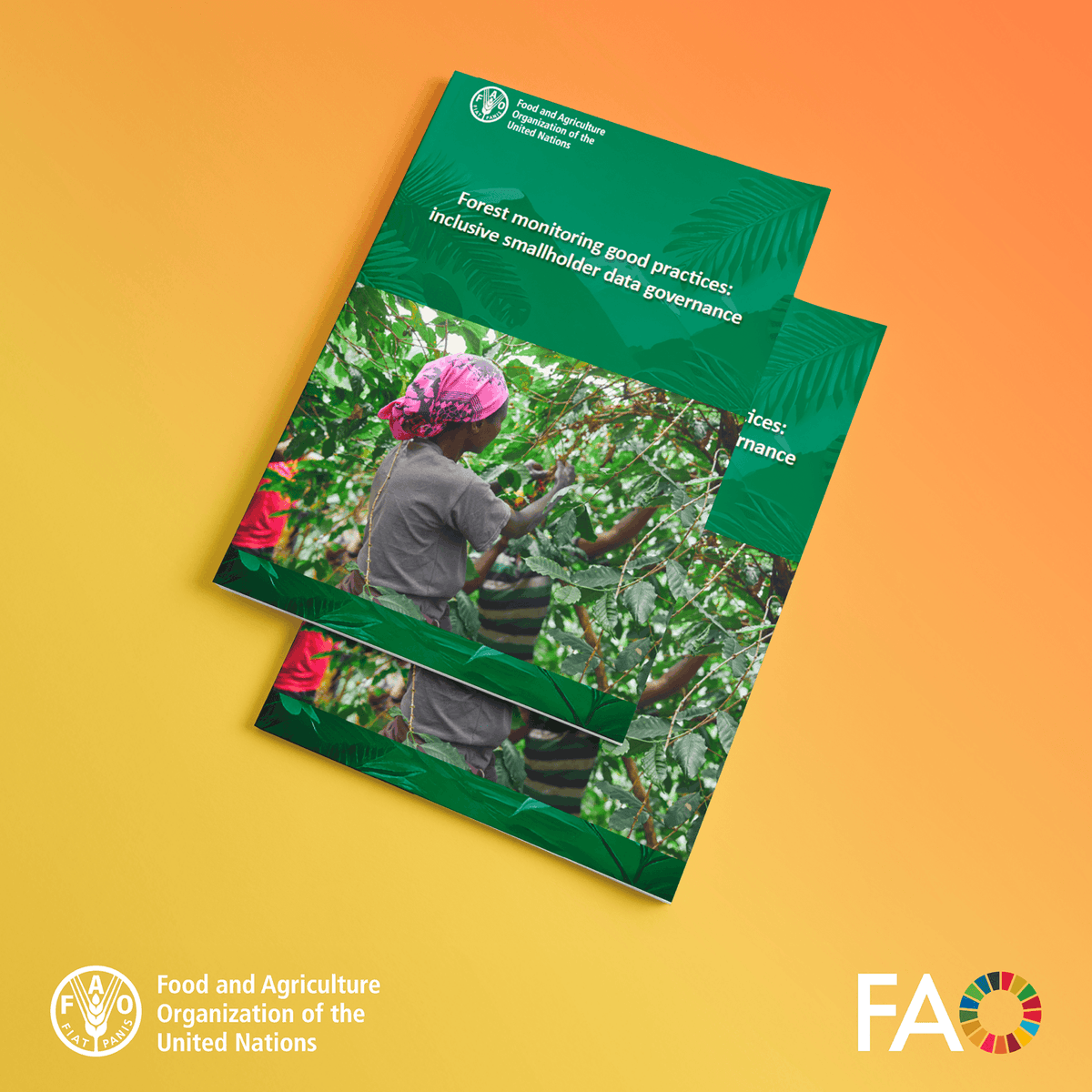
Two publications on forest monitoring good practices:
✔️ Mapping tree crop commodities
✔️ Inclusive smallholder data governance
Read more 👉 https://t.co/UsJjlxHFGg
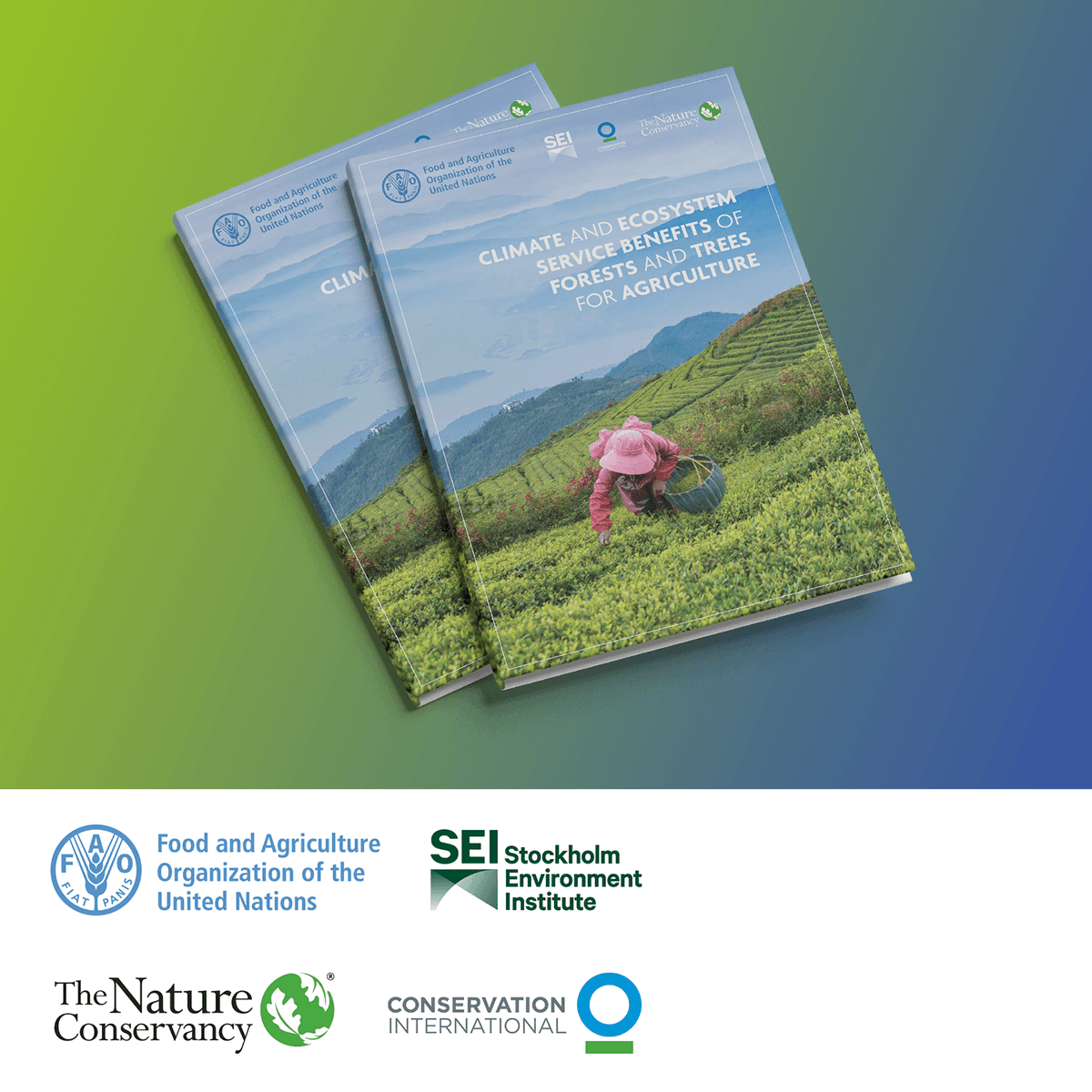
Read a report from @FAO@nature_org@SEIresearch & @ConservationOrg on how services provided by forests and trees can strengthen #agrifood systems
➡️ Climate and ecosystem service benefits of forests and trees in agriculture
🔗https://t.co/8Uw3oQ6Yv8
Did you know wild and overlooked foods can boost nutrition and resilience?
@FAO’s new publication reveals their hidden benefits and offers tips for better data collection.
Read more 👉 https://t.co/FPHkpsU8nI
#BiodiversityDay@UGent@DOST_FNRI
🌳 ¿Qué frena la acción forestal y los medios de vida rurales?
No es falta de compromisos, sino brechas de coordinación.
Cuando las políticas no se alinean, los pequeños productores enfrentan menos acceso a recursos y mercados.
👉 https://t.co/STrEljUoDL
🌏🌱 What agrifood actions are most frequently included in countries’ National #Biodiversity Strategies and Action Plans?
Read the latest @FAO analysis to find out 👇
🔗 https://t.co/gdC9ZrFYpt
#BiodiversityDay#KMGBF
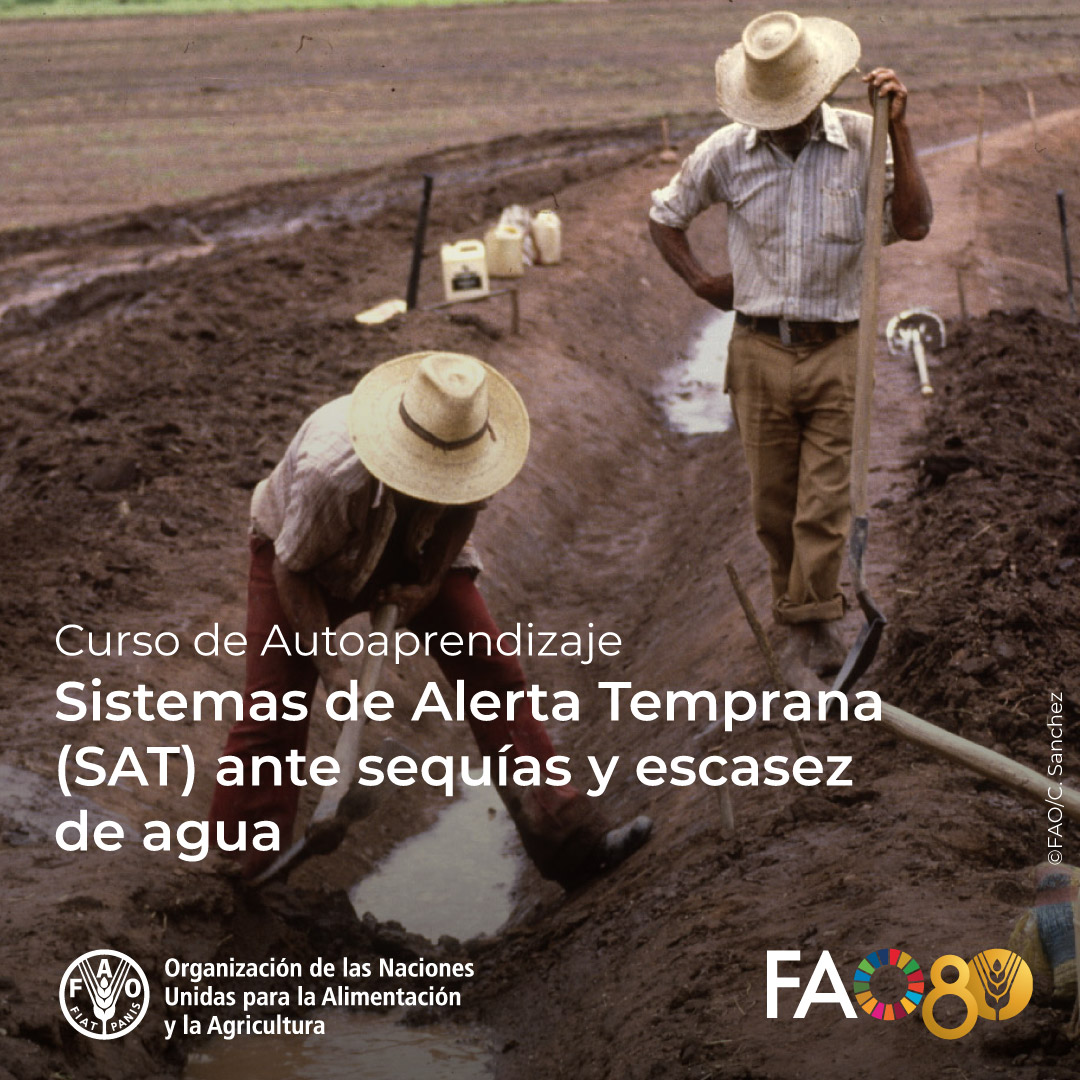
¡Curso gratuito en @FAOCampus!
🌾Sistemas de Alerta Temprana (SAT) ante Sequías y Escasez de Agua
¿Cómo anticiparse a sequías y escasez de agua?
📚 A tu ritmo y con certificado
Inscríbete:👉https://t.co/4pUIcp6gV7
#FAOCampus#Sequías#Agua
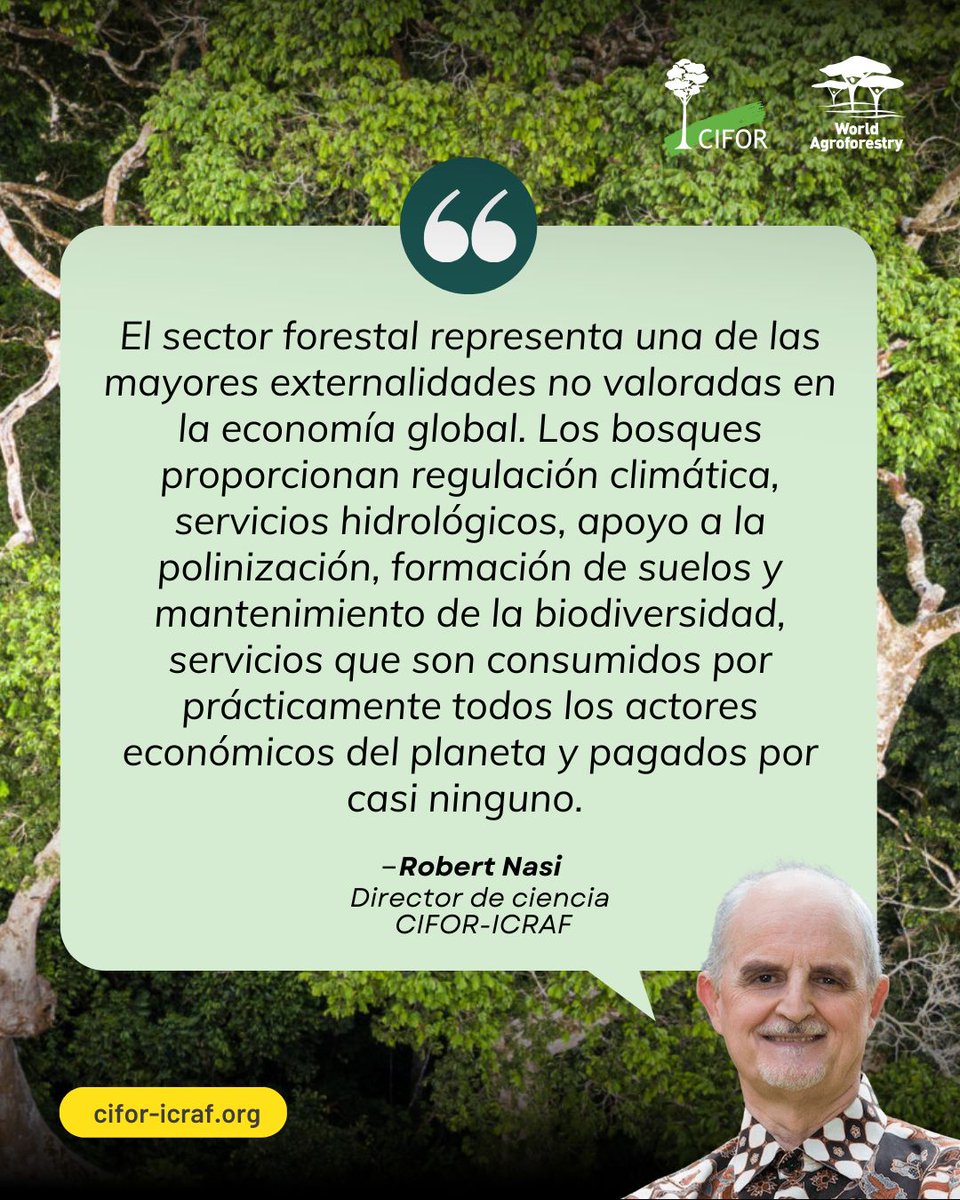
🌳 “Los bosques son la infraestructura oculta de la estabilidad planetaria”.
Robert Nasi analiza cómo bosques y agroforestería pueden ayudar frente a la policrisis global, regulando clima, agua y biodiversidad mientras sostienen medios de vida.
👉 https://t.co/j9r9tQ3Xlh
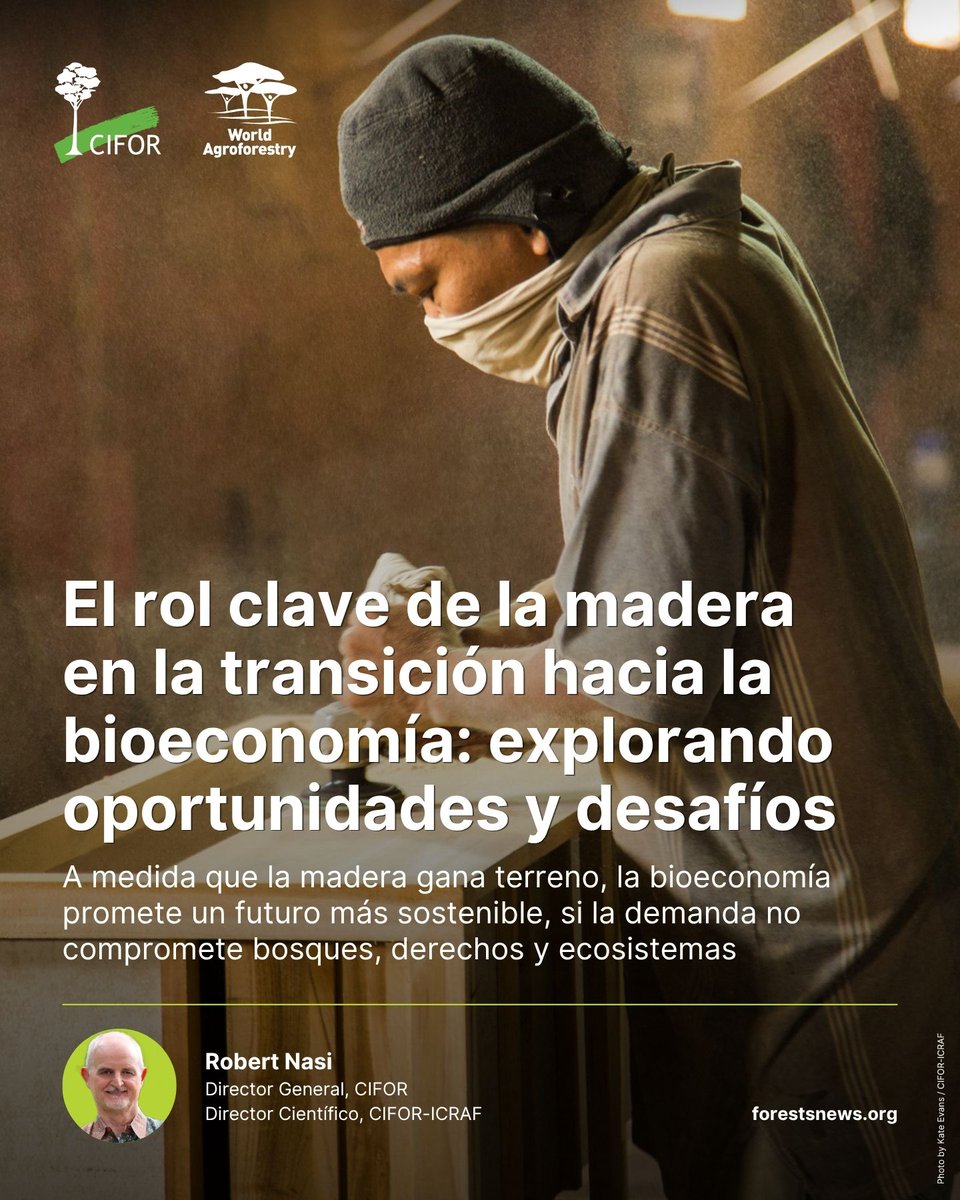
La madera gana protagonismo en la bioeconomía global 🌳🌎
Su uso crece en construcción, textiles y energía. Pero surge una pregunta clave: ¿cómo aumentar la oferta sin comprometer bosques y derechos?
🔍 Un análisis explora riesgos y oportunidades 👉 https://t.co/IEuMxxzb6l
🤔 ¿Sabes cómo está impactando el #CambioClimático al sector agrícola?
Existen herramientas clave para impulsar la adaptación en América Latina y el Caribe 📚
Inscríbete al curso de #PLACA2026 y conoce cuáles son 👉 https://t.co/pbfqhEq1OZ
A forest can lose some tree cover and still get greener. Global data shows that small losses can improve ecosystem performance before the damage starts.
A new paper tracked 30m tree cover loss inside forests worldwide, then asked how the larger ecosystem responded at 0.05° resolution from 2000 to 2012. The surprising result was a measurable safety margin: a threshold below which limited tree cover loss was still associated with higher greenness, stronger canopy structure, better biodiversity proxies, and stronger photosynthetic function.
The mechanism is edge effects.
When a forest loses a small amount of tree cover, fragmentation can sometimes reduce competition for light, water, and nutrients. More edge can also increase light exposure and, in some cases, improve local conditions enough to lift vegetation performance.
That effect has limits tho. Once losses pass the threshold, the pattern flips. More edge then means more heat stress, higher vapour pressure deficit, lower soil moisture, lower absorbed radiation, and declining forest condition.
The size of that safety margin varies sharply by biome.
Tropical forests had the largest average margin at 7.7%. Temperate forests sat at 3.7%. Boreal forests were barely above 1.0%.
That lines up with resilience. Forests with larger safety margins also tended to show stronger resistance to disturbance. Tropical and temperate forests had more room to absorb small shocks. Boreal forests had much less.
One of the most striking numbers in the paper is that 28.6% of the studied forests showed a positive greenness response to limited tree cover loss. In other words, the old story that every small forest loss immediately degrades ecosystem condition is too simple.
The second striking number is more sobering.
About 35.7% of the world’s remaining fragmented forests have already exceeded their safety margin. They’ve moved past the zone where limited loss can be buffered and into the zone where ecosystem attributes start to decline.
The regional breakdown is even sharper. Tropical Asia had the largest degraded share among the tropical regions in the study, with 43.8% of forests beyond the threshold. Amazon forests retained the largest remaining quota in undegraded areas. Congo forests showed the lowest degradation of the three.
What makes this paper important is that it turns a vague ecological idea into something operational. It doesn’t just say fragmentation can help or harm. It estimates how much loss a forest can absorb before the balance turns negative.
That has direct policy value.
For degraded forests, the study gives a way to estimate the minimum tree cover that needs to be restored. For forests still below the threshold, it gives us an early warning against pushing harvesting or land conversion too far. That matters because over-restoration also has costs, including water stress and maladaptation.
So all in all forest loss isn't a binary story. Small-scale loss can be buffered for a while, especially in the tropics. But the buffer is finite, it varies by biome, and more than a third of fragmented forests may already be past it.
Link to paper: https://t.co/A579fHcrnS
With threats including #deforestation and pollution, 50% of the world's mangrove ecosystems are at risk of collapse.
The assessment from @redlisteco shows nearly 20% of the assessed #mangroves are classed as either Endangered or Critically Endangered.
https://t.co/CdFjHU7MmX
Read a report from @FAO@nature_org@SEIresearch & @ConservationOrg on how services provided by forests and trees can strengthen #agrifood systems
➡️ Climate and ecosystem service benefits of forests and trees in agriculture
🔗https://t.co/8Uw3oQ6Yv8
El libro Agroecosistemas forestales y recursos agroalimentarios explica cómo estos sistemas contribuyen a conservar la biodiversidad y al bienestar de comunidades rurales, integrando conocimientos científicos🔬 y saberes locales🏘️.
📖Descárgalo aquí: https://t.co/cDBgoNDrHS
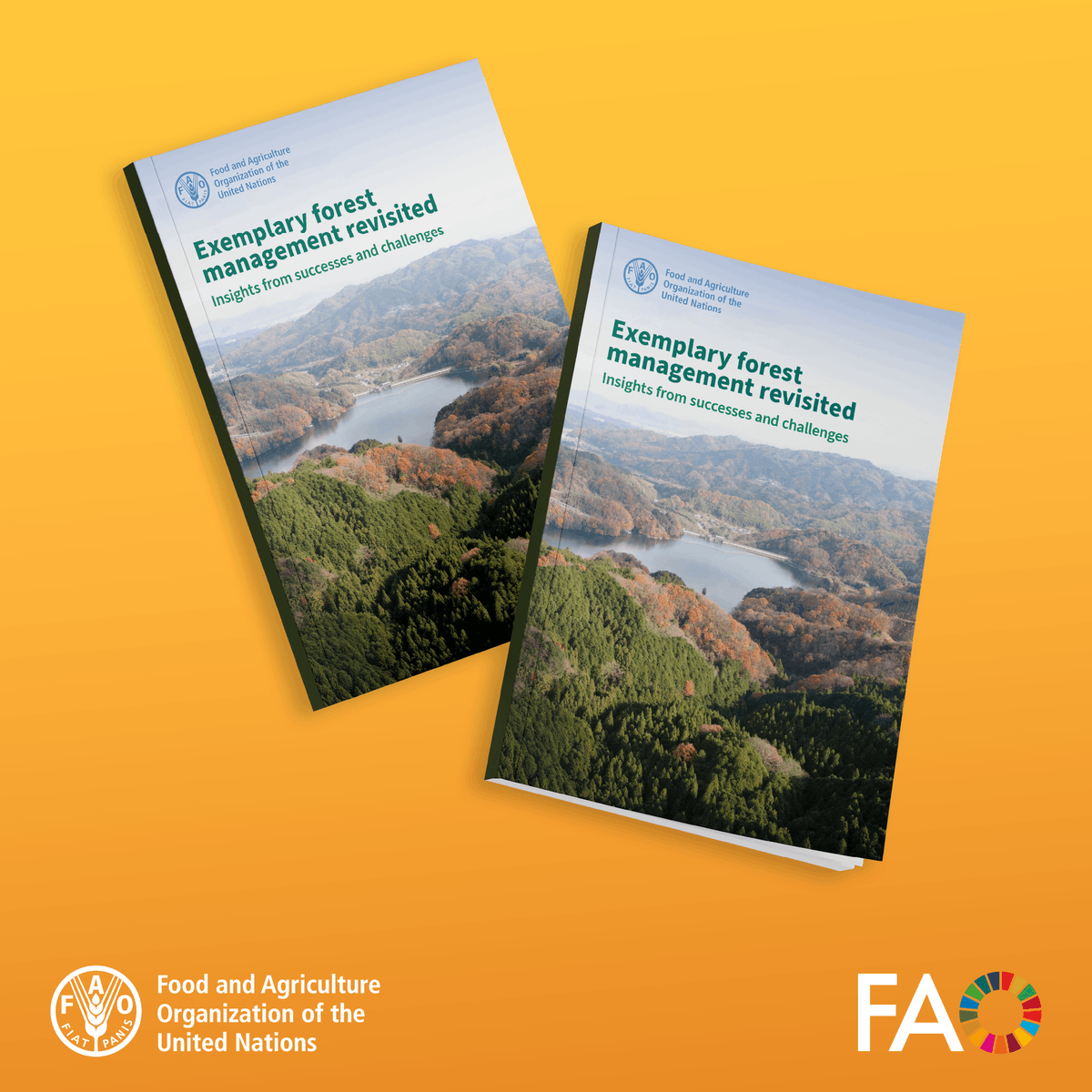
🌳 What makes forest management truly sustainable over time?
@FAO revisits 25 standout cases from its “In Search of Excellence” initiative to draw lessons for the future of forest governance.
➡️ Exemplary forest management revisited: https://t.co/ddFwnvaxre
Money can grow on trees👀💰🌳
A new model is emerging — one that harnesses the power of AI to pinpoint exactly where trees are regrowing and directs finance to the restoration projects that will most likely deliver the most benefits.
Learn more here: https://t.co/wZpJn17Blv