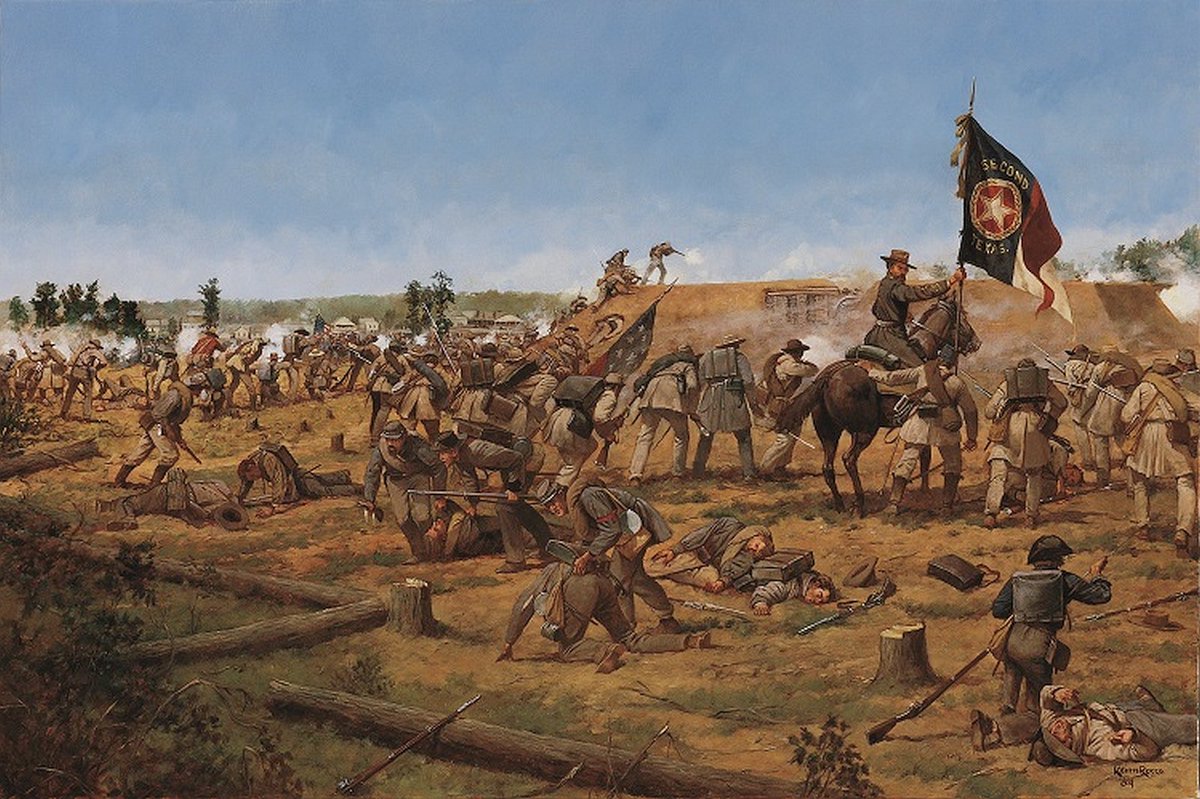
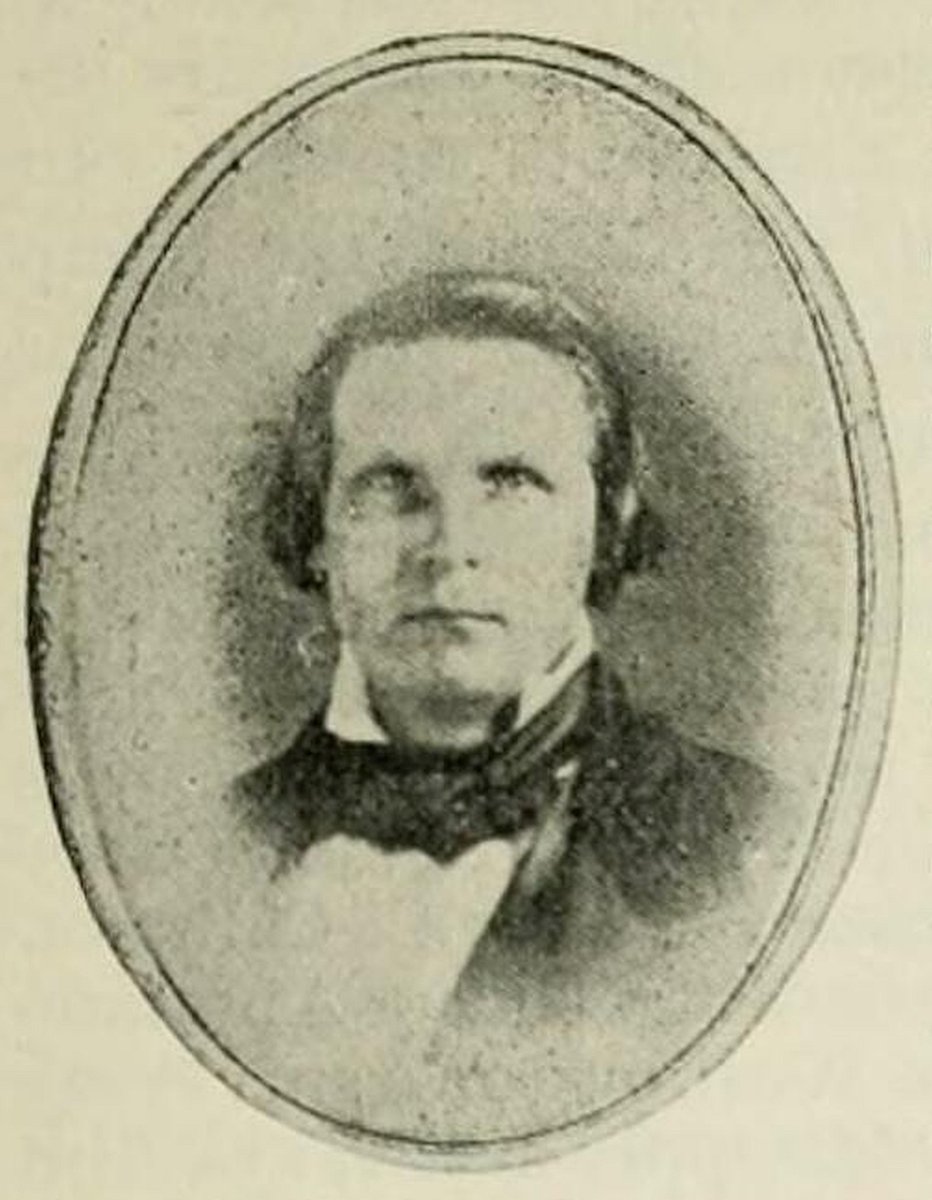
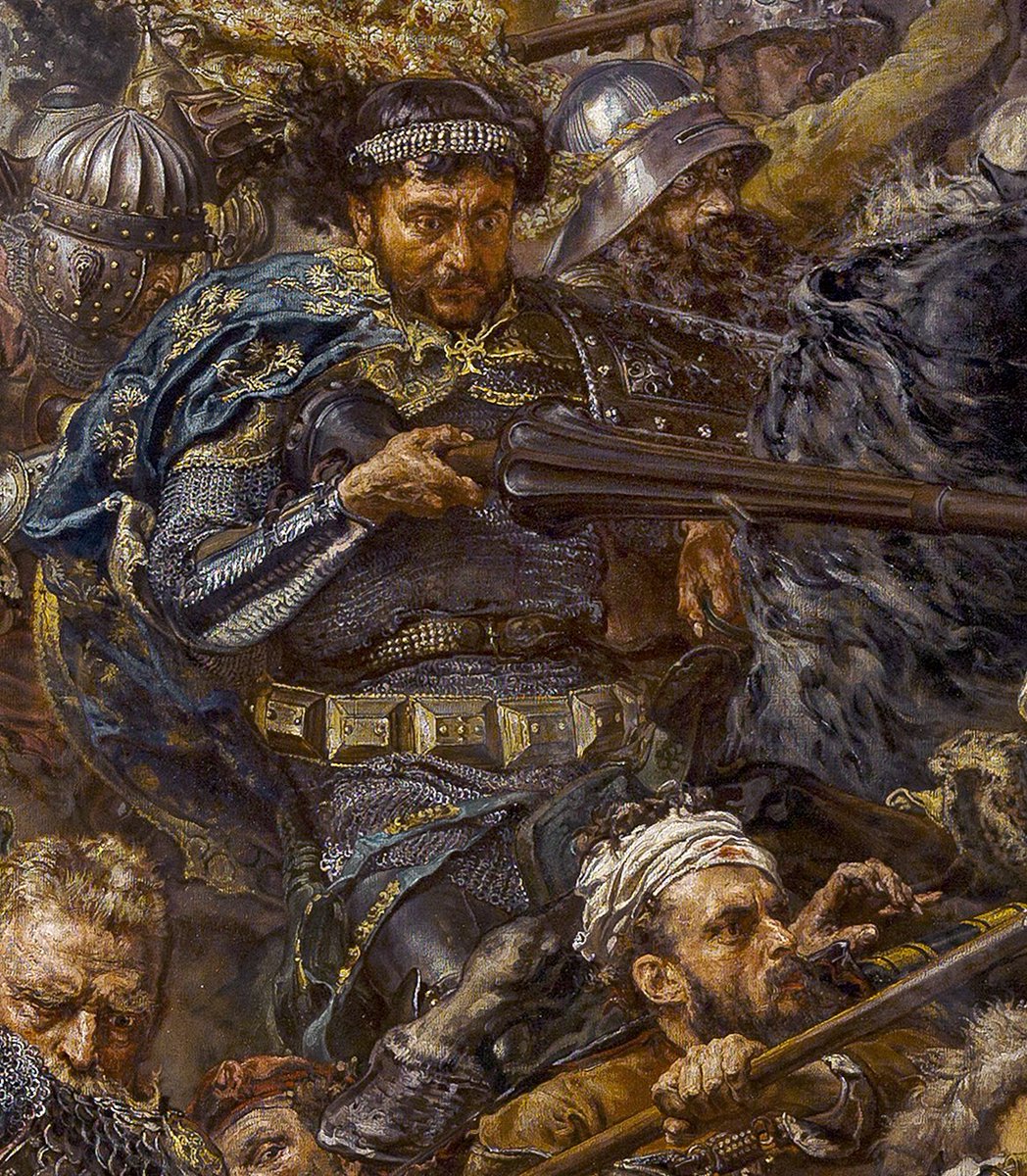
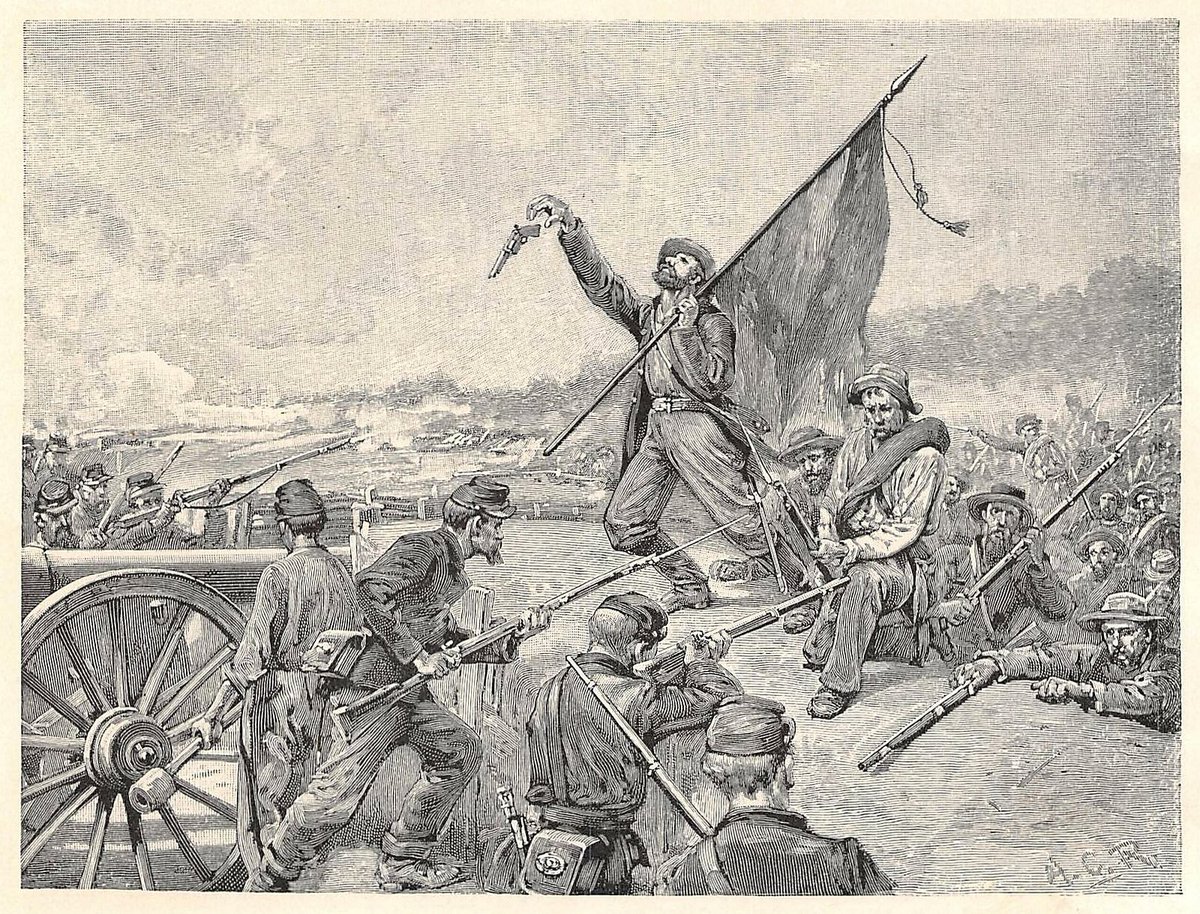
3/4 Graphics continued: 8) Colonel William P. Rogers - commanding 2nd Texas Infantry - KIA'd at Battery Robinett; 9) Painting - Keith Rocco - Battery Robinett; 10) Fight at the Tishomingo Hotel at the Corinth Crossroads; 11) Colonel Rogers on the parapet of Battery Robinett
1/4 THE CROSSING (a thread 🧵)
Corinth, Mississippi, October 3-4, 1862
The heat came first.
It was October, and the thermometer at Corinth took no notice of the calendar. By midmorning on the third it stood in the nineties, and twenty-two thousand Confederates who had marched forty-two miles on poor rations and worse water were finding out what that meant. Men fell out of the column and lay where they dropped. Many units had run out of water before the first shot was fired. They had come a long way to take a town that had nothing in it worth taking except a place where two railroads crossed.
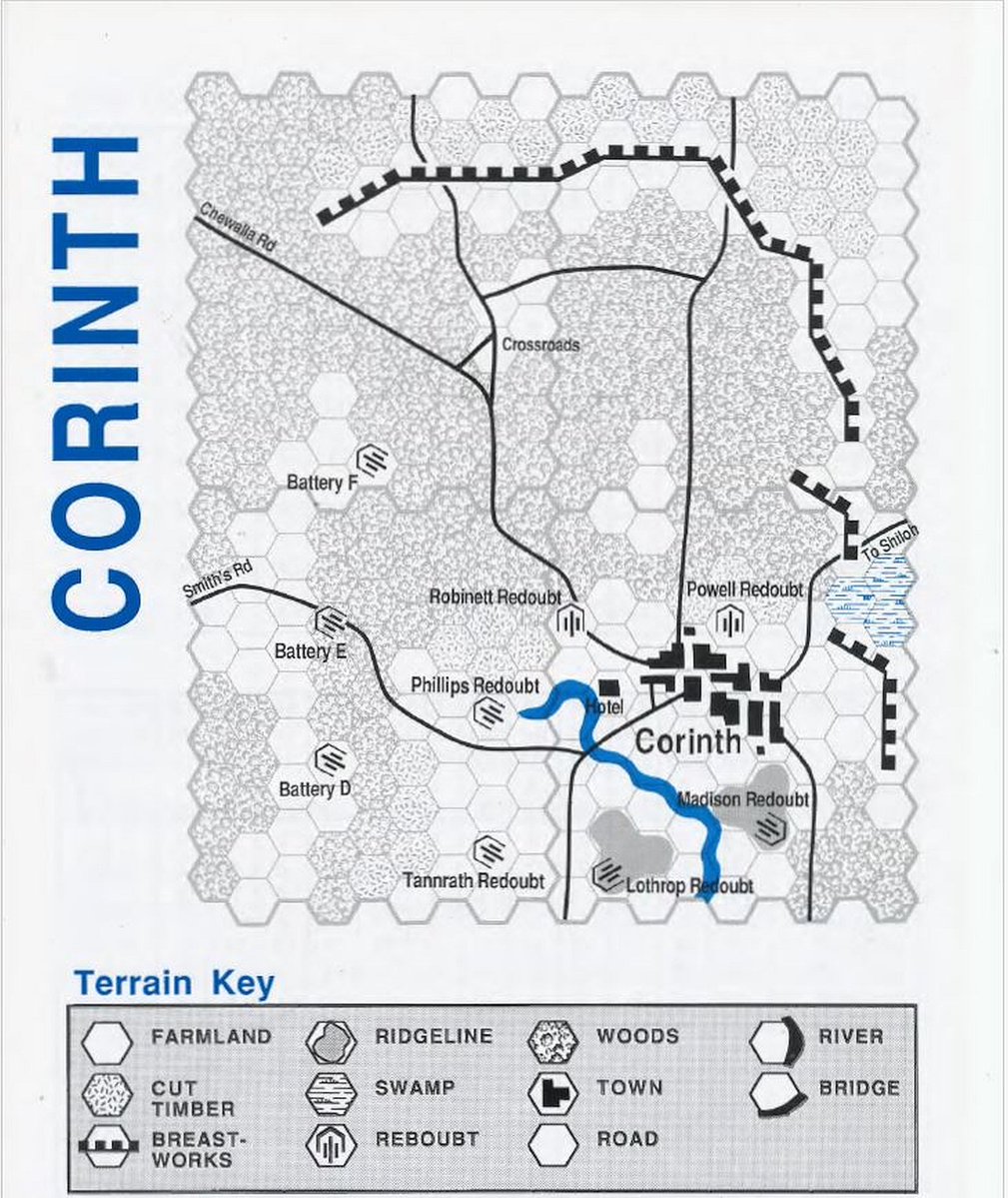
That was enough. The Memphis & Charleston met the Mobile & Ohio at Corinth, and men who counted such things rated the junction above any city in the West except New Orleans and Vicksburg. Beauregard had given it up in May without a fight. The Federals had spent the summer and early autumn making certain no one would take it back cheaply: an outer line, which was simply the old Confederate works dug in the spring, and an inner line nearer the town, anchored by redoubts that already had names. Robinett. Williams. Phillips.
To see why Mississippi mattered that fall you have to look at what was happening everywhere else. In August Braxton Bragg had taken his army out of Tupelo (it was the Army of Mississippi then; by November it would be the Army of Tennessee) and marched it through Tennessee and into Kentucky, hoping to draw the Federals out of north Alabama and Middle Tennessee and perhaps bring a border state over to the South.
In the East, Lee was across the Potomac. The people who drew these maps in Richmond believed that three armies moving together might undo a year of bad news, and might even turn the Northern elections in November. By the time the Mississippi columns started north, Lee had been stopped at Sharpsburg, and Bragg's Kentucky business was not going the way the maps had promised. Hopes were running thin. Corinth, which could be reached on foot, began to look like what was left of the plan.
Ulysses Grant understood the other side of it. With Bragg moving on Louisville and Cincinnati, the pressure to send men to Buell was heavy. Yet to strip West Tennessee was to give back everything won in the spring. So he spread what he had along the railroads: Sherman at Memphis, detachments guarding the lines, and Rosecrans at Corinth with about twenty-three thousand.
The man who meant to take it from him was Earl Van Dorn, who commanded the District of Mississippi and who was vain and ambitious in about equal parts, with the memory of Pea Ridge still to live down. He had been thinking about Corinth for some time. He believed that if he held that junction the Federals would have to give up northern Mississippi and western Tennessee, and that this, indirectly, would help Bragg.
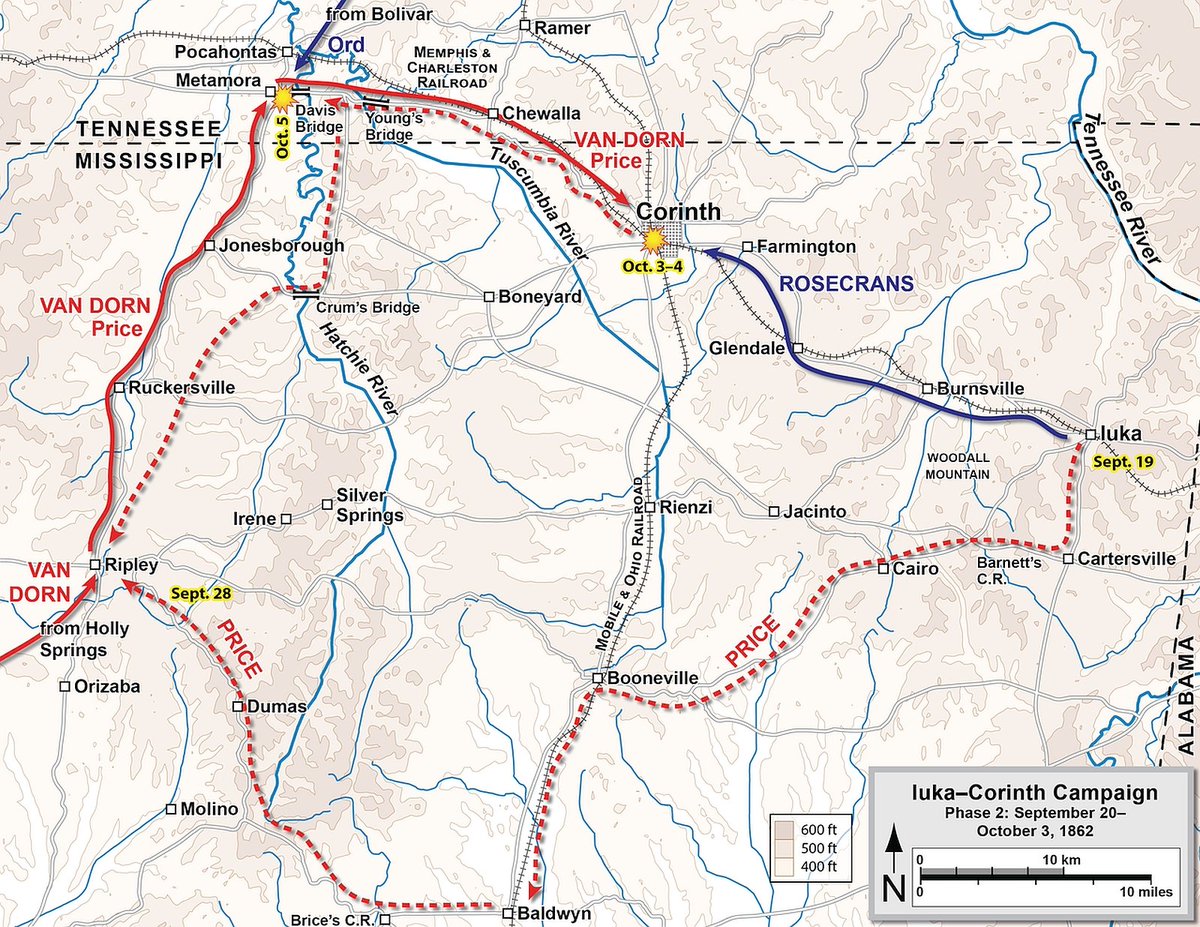
Sterling Price had not been thinking about Corinth at all, or not in that way. Price was the old Missouri politician turned general, with sixteen thousand men in his Army of the West, and he had just been to Iuka. On September 19 he had run into Rosecrans there, fought a battle that settled nothing, and retreated to regroup. After that Van Dorn took overall command, and on September 28 the two armies joined at Ripley, about twenty-two thousand men in all. Price had a plan of his own. He wanted to march into West Tennessee and threaten Grant's communications, which might have forced the Federals out of Corinth without anyone having to attack it. Van Dorn ranked him and said no. Their relations, already poor, did not improve with the weather.
The Federal in the town was William Rosecrans, whom the soldiers called "Old Rosy," a meticulous planner and a trained engineer, and he had spent five months improving the ground he now stood on. He had three divisions, under Stanley, Hamilton, and Davies. By October 2 he knew the Confederates were coming.
The Confederates moved out on the twenty-ninth of September along the Pocahontas Road, hoping to come at Corinth from the northwest and catch it asleep. The country was rough and the heat was worse. A good many men who started the march did not finish it, and none of them who did finish it were in the shape to fight a battle. Van Dorn's plan called for a demonstration against the Union right and the main blow against the left. It was a bold plan and a hard one, and it required a perfect morning.
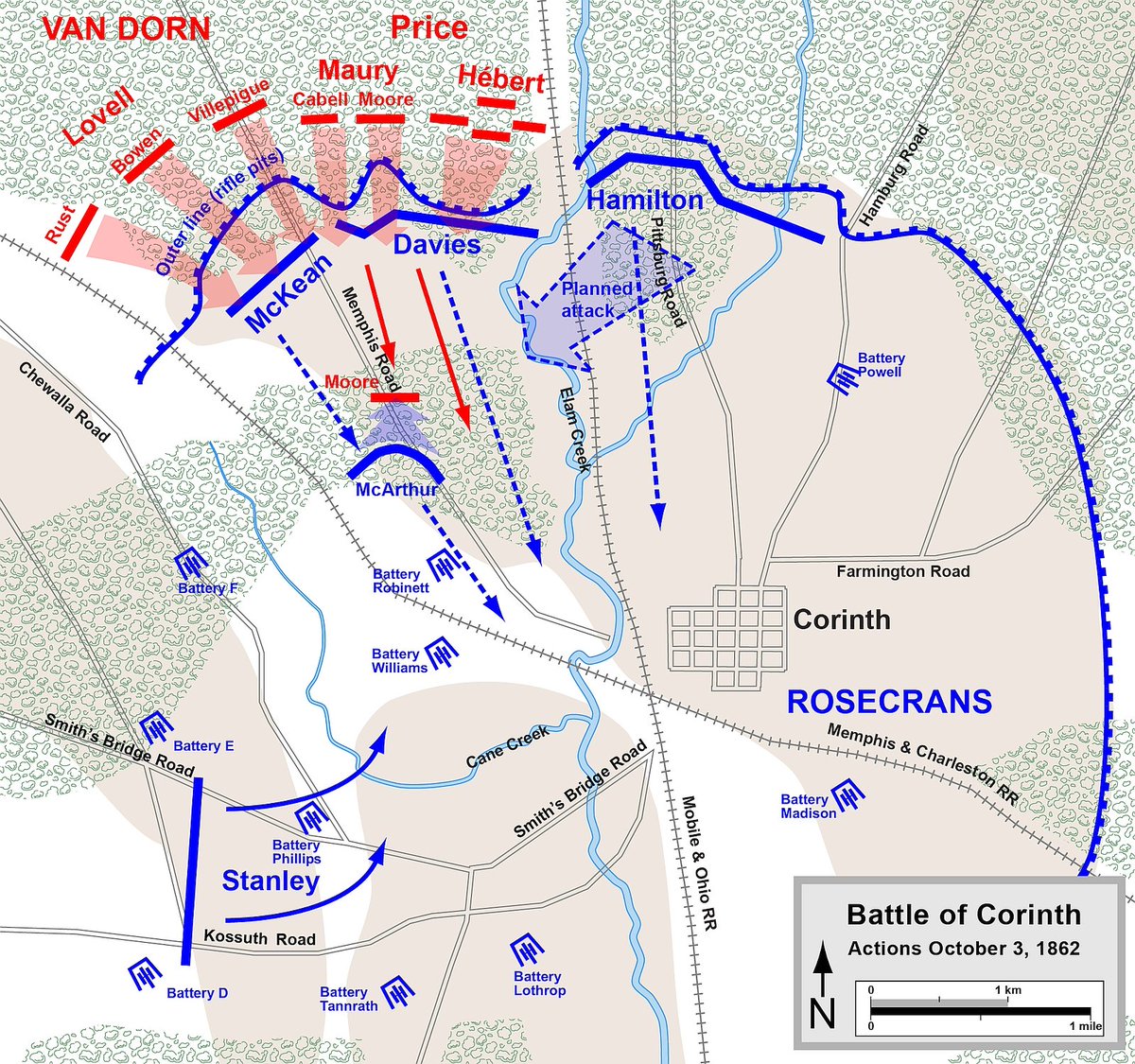
The battle opened at ten o'clock on the third, when the Confederates ran into Federal troops posted in the old outer works some three miles from the town. Van Dorn had formed his army in three wings. Lovell's division was on the left, Maury's in the center, and Hébert's on the right under Price's eye.
At first it went well, and that was part of the trouble. Lovell lost his way in the timber and arrived late, but he arrived, and he drove back Oliver's brigade. In the center Maury pushed against McArthur's division and found more resistance than he expected. On the right, Hébert's men went forward, and among them were the Missourians who had fought at Wilson's Creek and Pea Ridge and who advanced as veterans do, without much talk.
By half past one the outer line was cracking. Rosecrans, watching from the town, did what a less careful engineer might have refused to do, which was to give it up. He pulled his army back to the inner works rather than risk it in the open. The withdrawal was made under fire, regiment by regiment, brigade by brigade, and every yard was contested. It told more about what Rosecrans had built over those months than about any one afternoon.
Look at it now from the other side of the field. The road was open, the town three miles ahead, and the Federals were going back. The Confederates followed slowly, because slowly was all they had left. Men who had marched through the heat and fought through the morning in it had drained their canteens and were falling from exhaustion where they stood. Van Dorn halted them and let the army reform. Perhaps he had no choice. The afternoon went by anyway, and the afternoon was the Confederacy's best chance.
A battle can be lost in the hours when nothing is done. This one was.
That night Rosecrans had a shorter line, the batteries he had picked the ground for, and a night to wait. Van Dorn had an army that needed water more than it needed orders.
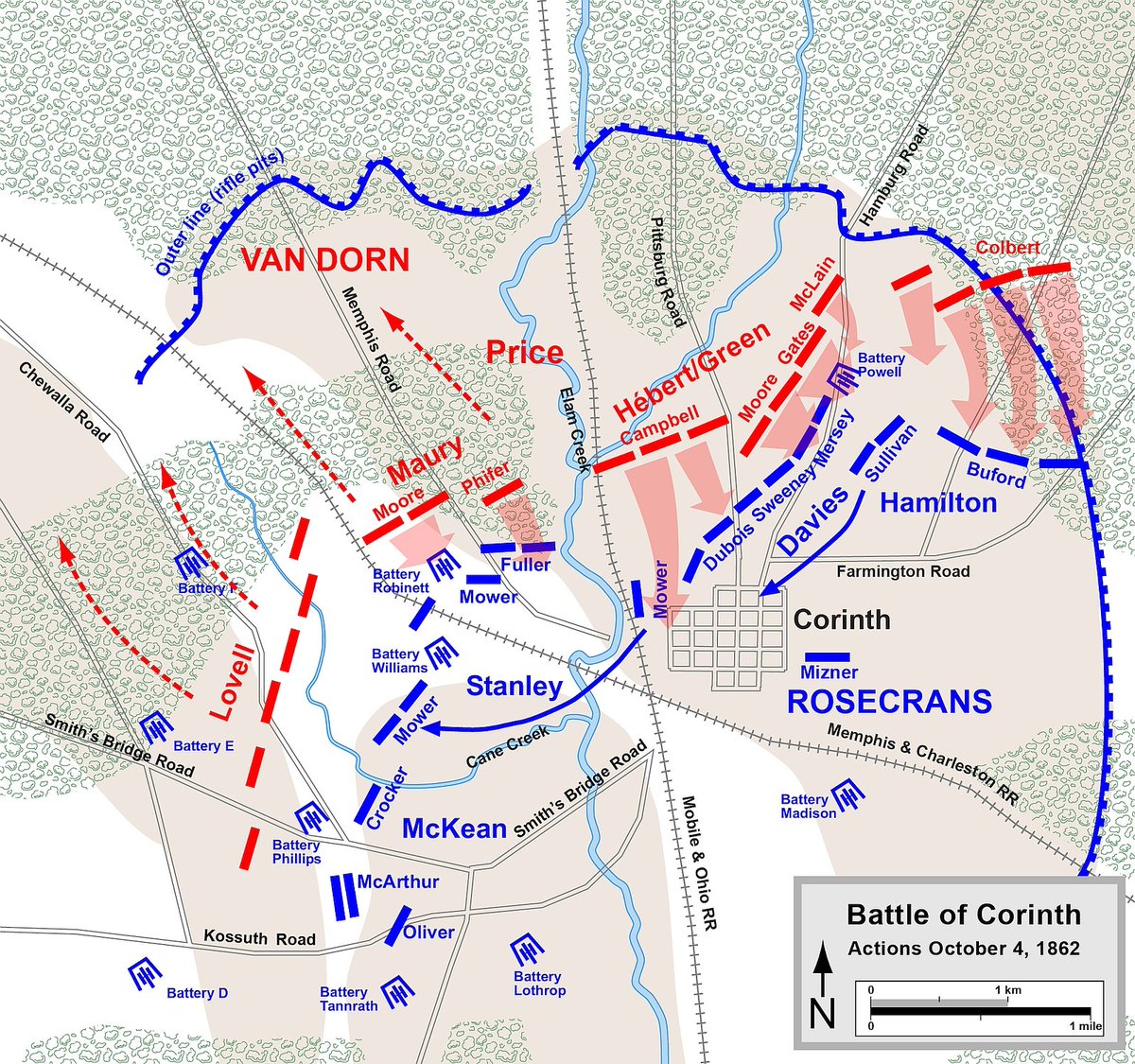
The plan for the fourth called for a simultaneous assault on the inner line at daylight. Hébert's division would go first, with Lovell and Maury following at once. It fell apart before the sun was up. Hébert was seriously ill, perhaps from the water, and his orders were never delivered properly. His brigade commanders, Martin Green and W. Bruce Colbert, did not know when to attack or what they were to attack. When Green's Missouri Brigade finally went forward at ten o'clock, four hours late, it went alone.
Six hundred yards of open ground lay between them and the Federal works, and every foot of it was covered by the guns of Battery Powell and Battery Robinett. The Missourians crossed it anyway. They actually took Powell and turned its guns on the retreating Federals, and for a little while it looked as though Van Dorn's battle might be won after all. But no one came up behind them. The Federal reserves counterattacked, and the Missourians went back across the same ground with frightful losses, in some regiments approaching one man in two.
Robinett was a lunette on the inner line mounting three 20-pounder Parrott rifles, held by Ohio infantry of Colonel John Fuller's brigade, the 27th Ohio among them. It was one of several works on that line, and it happened to be the one in the way.
The man chosen to take it was Colonel William P. Rogers of the 2nd Texas Infantry, a former U.S. Army officer who, before the war, had counted Ulysses Grant among his friends. It was an odd thing to carry into a battle against Grant's army, and no one on either side was in a position to do anything about it.
It was about eleven o'clock. Green had been thrown back, and Maury's division finally went in with Rogers's Texans at the head of it, Ross's brigade and part of Phifer's coming on beside them. Rogers was mounted and conspicuous in a place where being conspicuous was an invitation. He rode into the same fire that had just gutted the Missourians, canister from the Parrotts and rifles from the parapet, and he did not get down.
Keith Rocco has painted that moment, and the painting does what words cannot, which is to show how many men there were and how few of them were going to arrive. One Federal officer who watched it would write that it was the most gallant charge he had witnessed during the war. He was on the other side, and he said it anyway.
Down in the town, in that same hour, another fight was taking place that is easier to forget. Some of the Confederates who had gone through Powell had not stopped there. They kept going, into the streets, toward the one thing the whole march had been about. The railroad crossing was in front of them, and the Tishomingo Hotel stood beside it. For a time Southern soldiers fought within sight of the place where the Memphis & Charleston crossed the Mobile & Ohio.
They were isolated, and nobody was coming. The Federals closed around them, and by the end of the morning hundreds of Confederates in the town had been taken prisoner. They had marched forty-two miles to stand on that crossing, and some of them did stand on it, and then they were captured.
Back at Robinett the Texans had reached the works. The color guard had been shot down almost to a man. The regiment would lose seven color-bearers in that charge, each of them a man from somewhere, who had taken the flag from a fallen friend and carried it a few yards before someone shot him. Rogers was yards from the parapet, close enough that a man could have thrown his hat onto it.
He did not reach the other side. Rogers fell dead on the slope, riddled with bullets, within sight of the guns that had killed him.
And still the Texans went on. Remnants of the 2nd Texas penetrated Robinett itself, and for a few desperate minutes men fought hand to hand on the parapet and inside the work. Colonel Fuller's Ohio brigade came forward with the bayonet. The survivors were driven out.
About five hundred men had begun the charge. Fewer than a hundred came back unhurt.
The rest of the army had done almost nothing to help him. While Maury's division was being cut to pieces at Robinett, Lovell's on the left made only a token demonstration. Van Dorn, posted where he could not see the field, had lost the thread of the battle. Price, who might have coordinated the assault, had been given a subordinate's role and could only watch as what he had feared came to pass.
By noon Van Dorn knew it was hopeless. His army had lost about 4,233 men against the Federals' 2,520, and many of them were prisoners taken when isolated units were surrounded in the town. That afternoon the retreat began, covered by Lovell's division, which was the freshest he had.
Rosecrans did not go after him, at least not at once. His cavalry was scattered and his infantry spent, and he believed, wrongly, that Van Dorn had been reinforced. It was October 5 before he sent anyone, and by then the best of the chance was gone. Grant, who reached Corinth on the fourth, was angry about it, and the anger would stay with him. It would count for something when the question of Rosecrans's next command came up. There would be a fight at a bridge on the Hatchie River, and it will come in its turn.
The 2nd Texas and the Missouri Brigade had been broken, and Price's Missourians, devastated at Corinth, would never fully recover. Perryville followed on October 8, and between Corinth and Perryville the Confederacy's autumn of offensives was over. Within weeks Grant would begin the first movements toward Vicksburg. Van Dorn lost his army and went to the cavalry, where he did well, until an aggrieved husband murdered him in 1863. Price served on, and never forgot what he believed had been done with his men. Rosecrans went east, where he won at Stones River and then lost an army at Chickamauga.
Courage was the one thing the Confederacy never ran short of. At Corinth it was nearly the only thing anyone spent.
Rosecrans, who had won the field, said something afterward about the dead colonel at Robinett. He did not have to say it.
There is a monument to Rogers on the battlefield now.
It is quiet there, and in October it is no longer ninety degrees. The railroads still cross at Corinth. Rogers never got to them.
******************************************
Graphics: 1) The Iuka-Corinth Campaign Map; 2) Tactical Map - October 3; 3) Tactical Map - October 4; 4) Simplified layout of Corinth Defenses Map
I love stories of brave knights choosing honorable death in battle over shameful retreat.
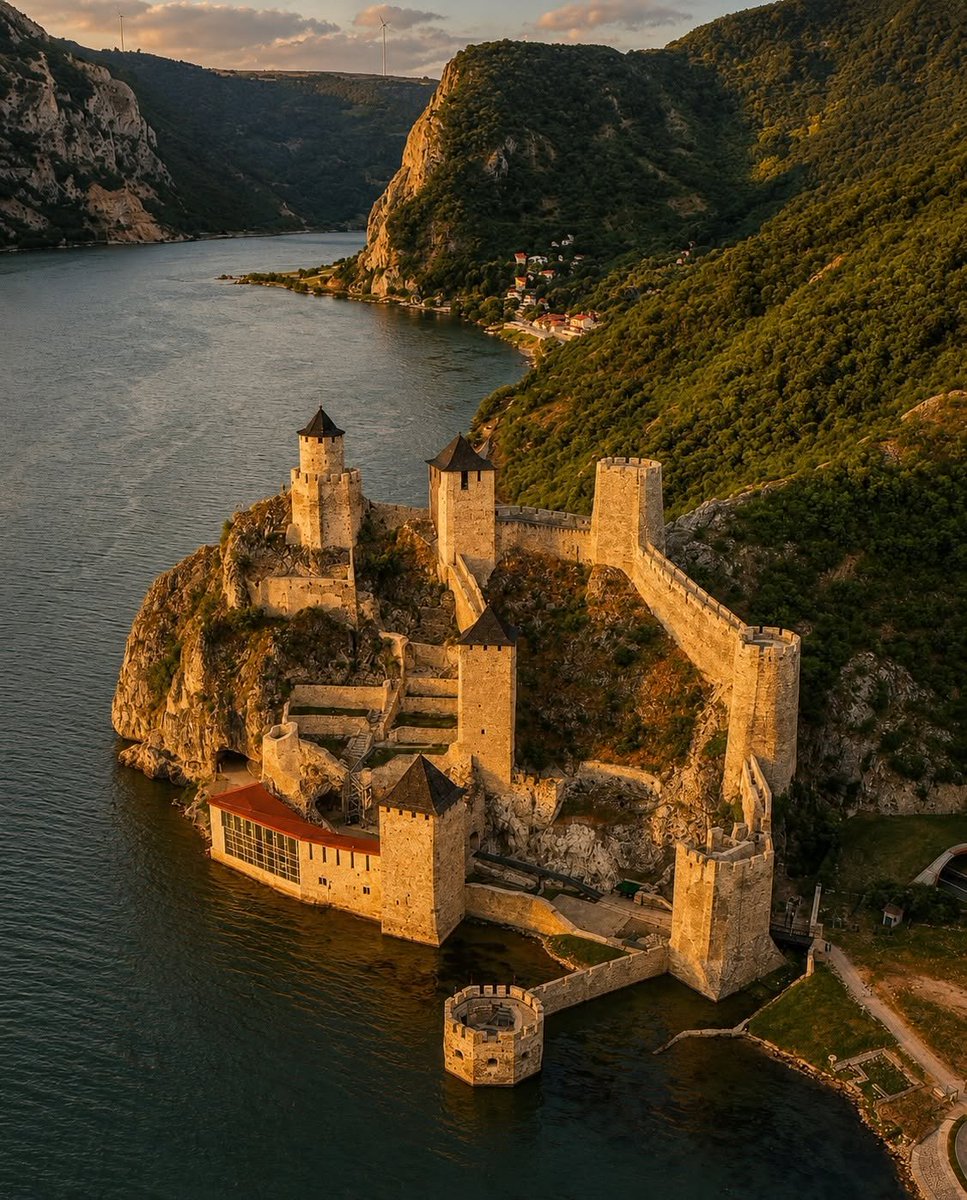
One of such knights was Polish nobleman Zawisza the Black who died fighting the Ottomans during the siege of Danube fortress of Golubac in modern-day Serbia.
In this difficult siege conducted by King of Hungary Sigismund of Luxembourg in 1428, the combined Christian army retreated due to news of a large Ottoman army arriving to save their fortress.
The Christian army was retreating to their side of the Danube, but there were not enough boats to transport the entire army in time. A small rearguard that included many notable knights, including the said Zawisza the Black of Garbów who commanded a Polish cavalry contingent, was left behind fighting the Ottomans.
Zawisza was an illustrious knight and a great warrior. He was a veteran of the Battle of Grunwald in 1410 and also distinguished himself in tournaments. In 1415, he accompanied King Sigismund to Perpignan where he won in single combat against a renowned previously undefeated knight John of Aragon. This combat took place in front of Sigismund and King Ferdinand I of Aragon.
Because Sigismund valued Zawisza so much, he sent a boat just to save this knight. But Zawisza REFUSED to retreat and stayed with the rearguard, preferring to die in battle than participating in a shameful flight. He sent the boat back, saying, "There is no boat big enough to lift my honor."
The reputation of this brave and chivalrous knight was such that "you can rely on him as on Zawisza" became a proverb in Poland.
This did not happen quickly - it was a war of attrition that happened over time. In 1988, I moved to France from South Africa. I was 17-years-old and went to see the world & work as an “au pair”. In truth, I was a slightly glorified servant who spent some of my time on my hands & knees cleaning up the pee of a spoiled French child who preferred to piss all over the bathroom floor & walls rather than use the toilet. At the time, French people would often bemoan the influx of Arabs to their country, mostly from Algeria. I thought they were racist & felt very uncomfortable. Fast forward to today & you see that over the last 48 years since I was living in Paris, the city has been partially conquered, parallel Muslim societies have been allowed to fester & proliferate & these are no go areas for the law where police officers dare not go for risk of being murdered like colleagues that have gone before them. What I did not see then was what we are witnessing today: the leftist-Islamist alliance. These are both proxy forces for the globalists who are pulling the puppet strings & funding the invasion & conquest of western civilization.
The thing about being older is that you’ve been around long enough to know things. It is harder to deceive those who have witnessed first hand. That’s one of the many reasons they target the young - newly indoctrinated, no life experience to speak of & all the enthusiasm of a young puppy with none of the wisdom of an old dog.
When you’ve been around long enough to watch immigration turn from a humanitarian gesture to a weapon of invasion & conquest, you know the truth. No one can con you or shame you into going along becaue you know what matters & you no longer care what they say about you.
I’m not going down with the ship. And I’m not sending my children to drown in the depths of oblivion either. We’re here, we are true, we are lawful and we are strong. But above all…we are faithful.
We get it one life to live. Make it count.
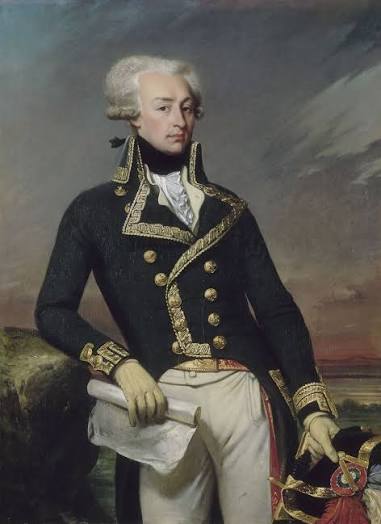
When Lafayette was buried in Paris, his son covered the coffin with American dirt carried from Bunker Hill.
He had wanted even more than that. On his farewell tour of America in 1824, Lafayette collected earth from every state he visited, planning to be buried in all of it.
But the steamboat carrying it sank in the Ohio River, so he gathered soil from Bunker Hill instead and brought it safely home to France.
He died in Paris in 1834. His son spread the American dirt over his grave exactly as he had wished.
That son's name was Georges Washington de Lafayette.
Decades earlier, while Lafayette sat in a foreign prison during the French Revolution, George Washington had taken in the boy and kept him safe in America.
An American flag flies over his grave to this day. It never came down, not even when the Nazis held Paris.
No one from another nation ever belonged to America the way Lafayette did.
This is quite a tangled argument. In a rational world, extraordinary claims require extraordinary evidence. And so, it's not "semantics" to point out that the physical evidence doesn't at all match the claim being made.
Thinking they have a "gotcha" by saying look it might not be the initial volume of graves reported.The fact they attach so completely to semantics to claim that nothing bad happened at all IS racist and does cause harm to everyone who's a survivor and a descendant of a survivor.
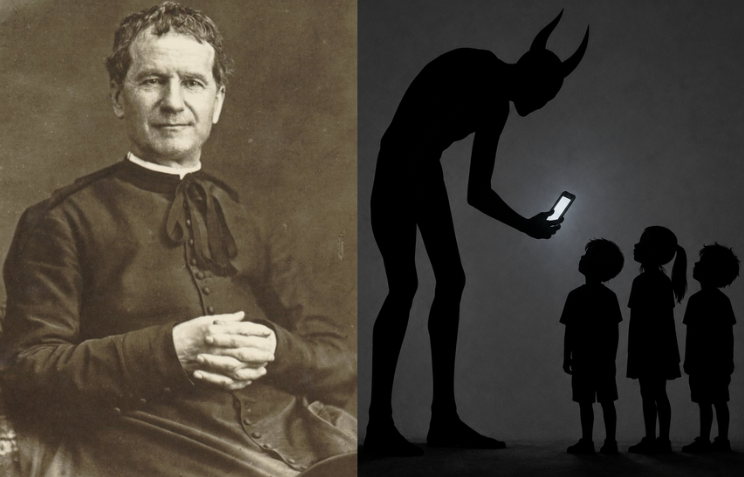
En el año 1865, San Juan Bosco soñó que había un hombre alto, de color negro y con cuernos, que tenía en su mano "una linterna mágica" con la cual entretenía a los jóvenes
A través de esa "linterna mágica", los jóvenes podían ver cosas divertidas, partidos de fútbol que se habían perdido, pueblos lejanos, libros, familiares, amigos, vacaciones que habían tenido, dinero que les debían, y hasta "escenas pecaminosas", entre otras cosas
Don Bosco relató que este dispositivo los entretenía tanto que alejaba a estos jóvenes de los sacramentos, especialmente de la comunión
Este texto se encuentra bien documentado y disponible para el que quiera leerlo, en G. B. Lemoyne, Memorie Biografiche di San Giovanni Bosco, vol. VIII, p. 110.
@AsianDawn4 Awesome! 'Ere, Oi wanted ketamine, ennit? Then the bloody rozzers are in me hotel room takin me to the gaol! An' alls I wanted was a bit of ketamine!
I thought this was A.I.-generated. No way a person is this fucking stupid. An English chick flies to Japan, tries to buy ketamine, and gets arrested. She manages to slip out of her cuffs to get a vape and then spends five months in a Japanese prison. She says she's the victim....🤦♂️
After 9/11/2001, the unified message of all media companies was "America deserved this. America hates minorities, Americans hate muslims, American culture is toxic, if not evil."
And so our immigration policies were changed to import millions who were hostile to American values.
Something in me is bothered when I read the phrase "such and such is no joke".
There are many things that have been labeled "no joke" by those casting about for an emphatic phrase: Flooding, catastrophic events, etc. But what if the shark's pants fell down? What then?
Indians are categorically different from every other non-white immigrant group. Other non-white immigrant groups are undesirable in their own ways, but all of them are individuals acting in their own best interests, coming here "for a better life." But not Indians
Indians are an invasive army. The Indian government pursues a deliberate policy of mass emigration and invasion of foreign countries. It's their #1 policy priority. You can look this up and should. Indians are all part of extensive state, professional, and informal networks that work together to fraudulently game the immigration and hiring systems of their target "host" countries. Once they worm their way in, they work together to take control of companies and governments, and use them as apparatuses to bring in more Indians, as a feedback loop
There are 1.5 billion Indians. And only 2% of them have ever left India. They are the largest ethnic group in the world and the most rabidly ethnocentric and hostile. They are psychopathic and physiologically incapable of feeling empathy toward others. They have zero compunctions about lying, cheating, or stealing; in fact these things are encouraged in their culture as admirable. They are hideously ugly, smell bad, and have disgustingly poor hygiene. They have zero desirable qualities
They are like something out of Warhammer 40k or LotR Mordor or a video game antagonist like The Flood in Halo. A category of life forms so evil in every way that they seem like a fictional insert into our universe. They are the biggest existential threat to the human species and it's not even close
Anyone who claims that Indian immigration is acceptable in any way is a hostile actor. There's no excuse for holding this position in 2026. Everyone knows the score. They have to be stopped by any means necessary
BREAKING: Rochester General Hospital in New York hired 82 resident doctors.
80 are foreign workers on H-1B or J-1 visas.
Only 2 are Americans.
98% of the residency slots went to visa workers- mostly from countries with documented USMLE cheating.
Americans got 2 jobs.