Greatest Warriors in History ⚔️
1. 🇸🇦 Khalid ibn al-Walid
2. 🇲🇳 Genghis Khan
3. 🇬🇷 Alexander the Great
4. 🇲🇳 Subutai
5. 🇮🇹 Julius Caesar
6. 🇫🇷 Napoleon Bonaparte
7. 🇹🇳 Hannibal Barca
8. 🇨🇳 Sun Tzu
9. 🇬🇷 Heraclius
10. 🇮🇷 Cyrus the Great
11. 🇮🇹 Scipio Africanus
12. 🇸🇪 Gustavus Adolphus
13. 🇮🇶 Saladin
14. 🇩🇪 Frederick the Great
15. 🇬🇷 Belisarius
16. 🇿🇦 Shaka Zulu
17. 🇯🇵 Miyamoto Musashi
18. 🇯🇵 Oda Nobunaga
19. 🇰🇷 Yi Sun-sin
20. 🇻🇳 Trần Hưng Đạo
21. 🇺🇿 Tamerlane
22. 🇺🇸 George S. Patton
23. 🇬🇧 Boudica
24. 🇦🇱 Skanderbeg
25. 🇩🇪 Erwin Rommel
🧾 Note: Ranking reflects historical military leadership, tactics, and long-term influence on warfare.
📊 Sources: Encyclopaedia Britannica.
There are 3.2 million people in Mongolia and roughly the same number of horses.
«A Mongol without a horse is like a bird without wings».
Even at a rave party.
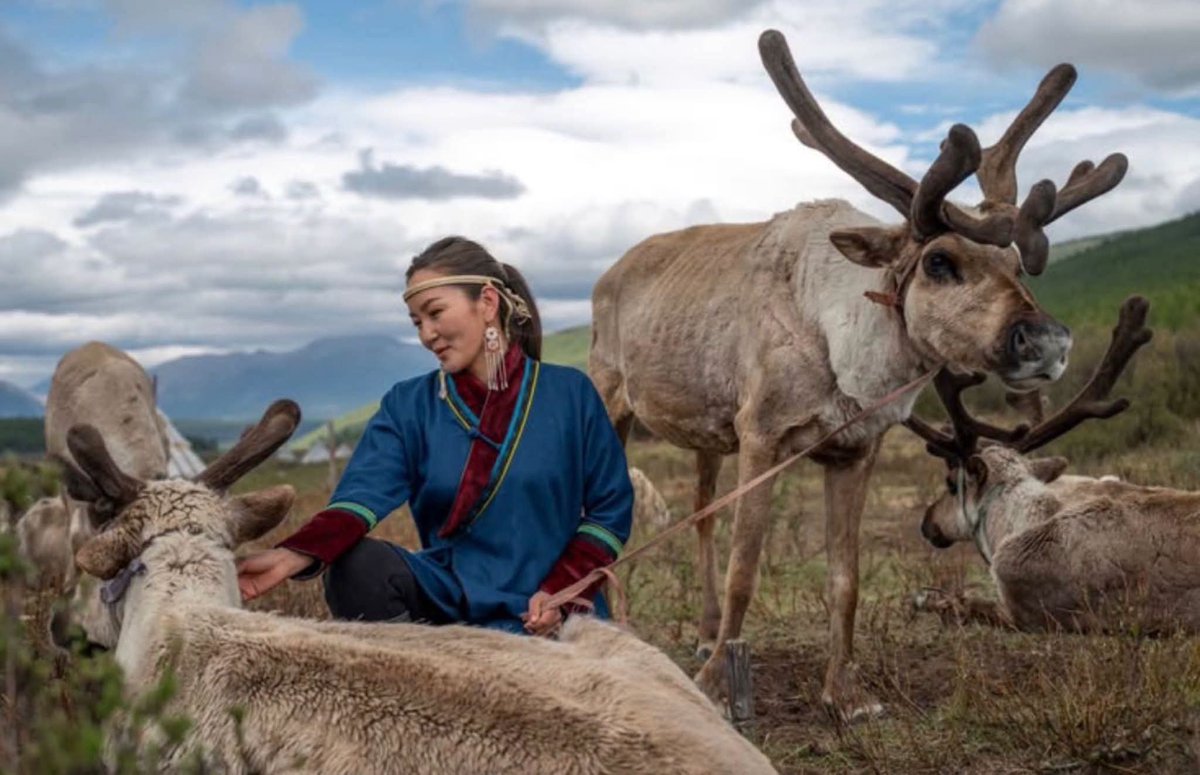
A member of the Dukha (Tsaatan) people in the northern Mongolian Taiga interacting with their domesticated reindeer. The Dukha are one of the last groups of nomadic reindeer herders in the world. They live in close proximity to their animals, often relying on them for milk, transportation, and companionship....
Dukha people have relied heavily on reindeer in nearly every facet of their lives for thousands of years. The Dukhas’ very survival is inextricably linked to the animals, it’s no wonder that they treat them with such reverence (which perhaps also explains why they refrain from eating the reindeer meat). Their relationship is mutually beneficial: where the reindeer provide the Dukha with many basic needs, the Dukha provide the reindeer with protection from natural predators. Without each other, their continued existence is questionable.
Winter temperatures in the tiga reach 60 degrees below zero Fahrenheit, making food scarce and conditions dangerous. A nomadic tribe and traveling caravan which uses teepees (known as ortz) for shelters, the Dukha are a strong and tenacious people with a heritage as long as it is rich. However, their lifestyles–and understanding of them–are in a state of transition. Regional forests and reindeer populations are diminishing, and since Mongolia’s democratization no governmental programs have been established to bring in any more reindeer from Siberia, which threatens the basic fabric of Dukha livelihoods.
The Dukha have also started to use reindeer revenues (increasingly from tourism) to purchase solar panels, satellite antennas, and cell phones, gradually abandoning their “traditional” devices for more modern sources of heat and entertainment. Increased mining activities are encroaching upon the areas the Dukha call home, leaving some–primarily elder members of the tribe–grasping for their nomadic identity as it slowly vanishes amid an urbanizing Mongolia and nearby China.
Currently only 44 Dukha families remain in the region, with an estimated population of between 200 and 400 people. Perhaps hoping to eternalize the Dukha before they disappear, Dr. Hamid Sardar-Afkhami, who holds a Ph. D. in Sanskrit and Tibetan Studies from Harvard, ventured out to their homes to snap these amazing shots. Sardar-Afkhami has since created a documentary film about the Dukha called The Reindeer People.
#archaeohistories
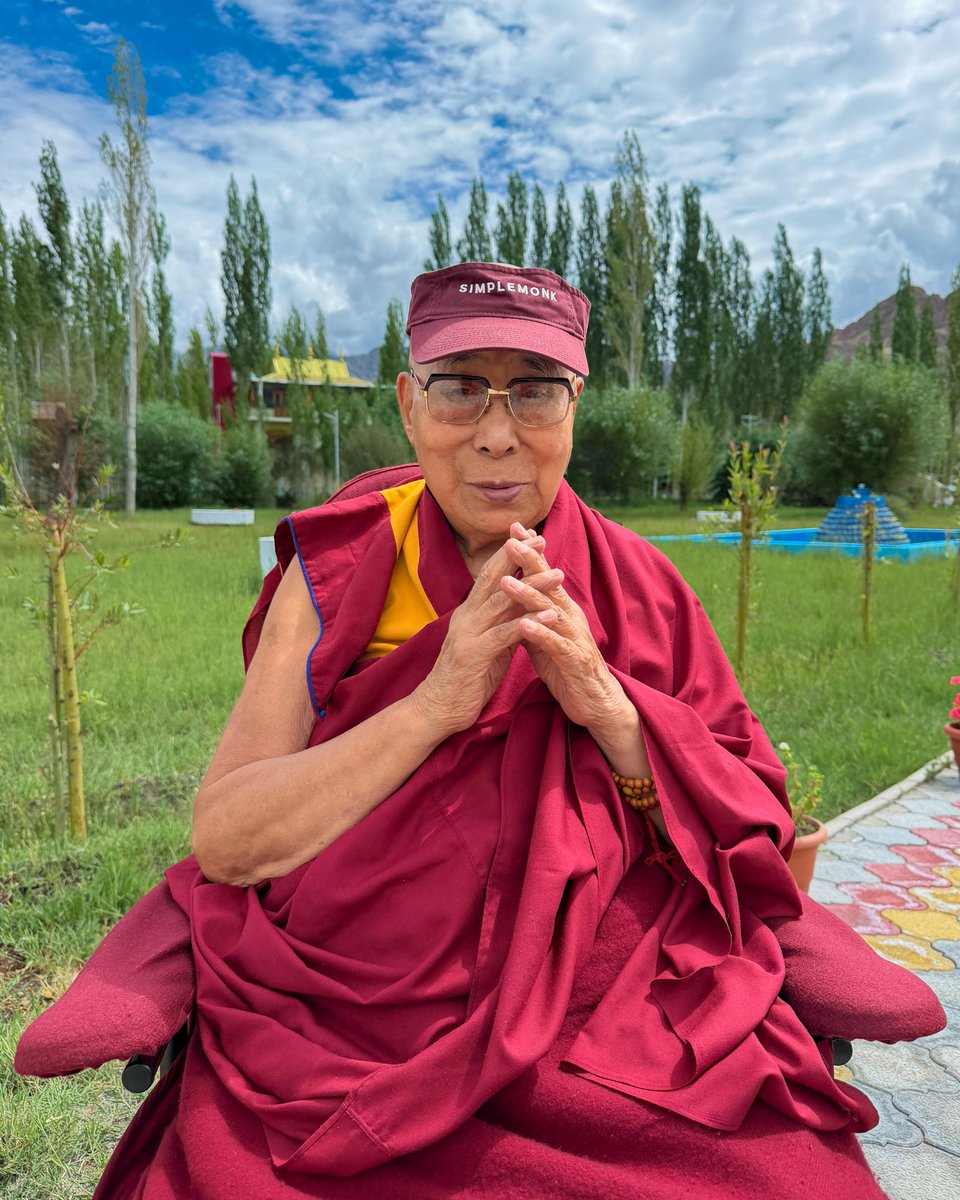
His Holiness the Dalai Lama enjoying the pleasant weekend weather in the garden at his residence, Shewatsel Phodrang, in Leh, Ladakh, India on August 1, 2026. (Photo by Ven Tenzin Jamphel)
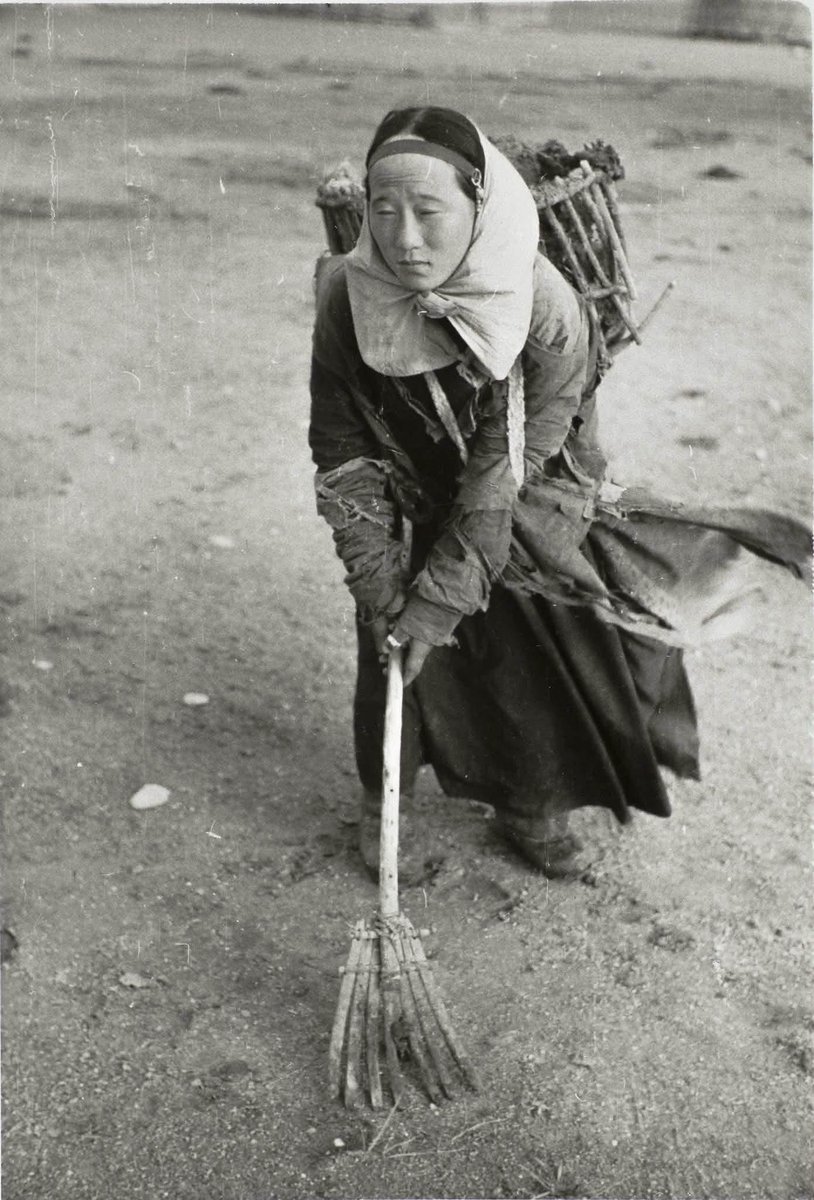
Swedish doctor and Christian preacher Joel Eriksson lived in Winter Mongolia with his family in 1913–1938 and worked in the Swedish Mongolian Missionary Society.
#Mongolia