⚠️We have been forced to re-prioritize our work.
Brutal 2025 funding cuts mean humanitarians must do more with less – and millions will go without humanitarian assistance.
This is just the tip of the iceberg.
📊 Latest Global Humanitarian Overview out: https://t.co/bQKiKUHd6A
⚠️ Building footprint data is now available on HDX for Mandalay and other areas recently impacted by the M7.7 earthquake in Myanmar.
Explore the dataset, extracted from @OvertureMaps here: https://t.co/GWapWuv3AT
The State of Open Humanitarian Data 2025 report is out with our annual assessment of #data availability across crises.
While our analysis shows steady progress in data coverage, severe funding shortages in 2025 threaten to reverse these gains.
Read more: https://t.co/IjUQnYz2WW
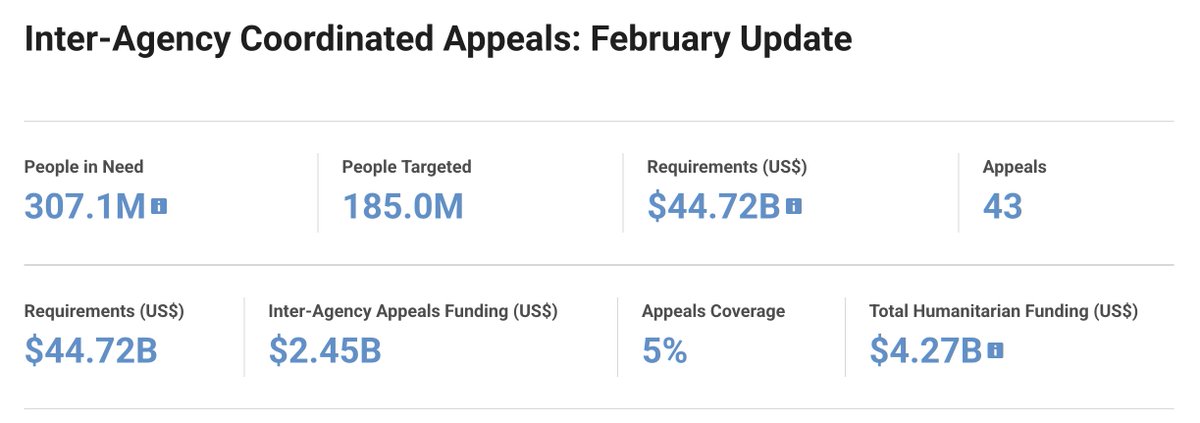
Monthly updates of progress with the 2025 Global Humanitarian Overview are available on HDX.
Highlights from February:
- 307M people need humanitarian assistance
- 185M people targeted
- $44.7B required
- $2.45B (5%) funded
Explore the data: https://t.co/ByfuXiZCeb
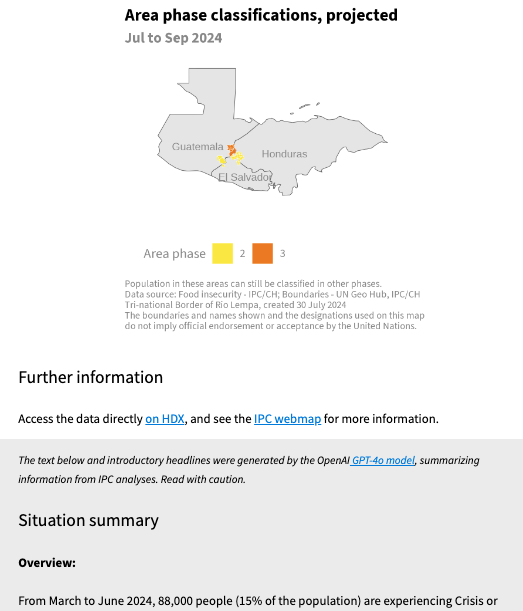
New HDX Signal. In the tri-national border of Rio Lempa, 88,000 people (15% of the population) are experiencing Crisis or worse food insecurity.
The number is expected to rise to 123,000 (21%), according to food security data from @theIPCinfo.
For more: https://t.co/5twuWugPmD
Introducing HDX Signals!
Our 🆕 product monitors key #humanitarian datasets and sends automated emails when concerning changes are detected.
Select data from ACLED, IDMC, IPC, JRC and WFP + the locations you are interested in.
Sign up here: https://t.co/5twuWugPmD
Today we are launching the HDX Humanitarian API (HAPI), a way to access standardised indicators from multiple sources to automate workflows and visualisations. Our beta version covers 44 indicators across 25 locations.
Learn more: https://t.co/fn8ySUrXU0
DataKind's thrilled to be participating at the HDF where we'll be on a panel to discuss key considerations to inform how #humanitarians integrate #AI into their work. We'll showcase our early efforts to use AI to improve operations and insights.
https://t.co/VuSApdkWM2
Never has access to accurate, timely data been more important than it is today.
As humanitarian crises become increasingly complex, data is a north star 🌟 that can guide our response.
Thanks to @humdata, more data is being shared, making aid delivery more effective.
We are excited to host our first-ever Humanitarian Data Forum in The Hague starting today!
Together with our partners, we will be imagining the future of humanitarian data and aligning on how to make progress in support of an effective humanitarian response.
🔎 The ISP is based on @iascch Operational Guidance on Data Responsibility: https://t.co/raPmcKghXt
The ISP includes guidance on:
- data and information sensitivity
- data collection and assessments
- requests for sensitive data
- retention and destruction
- data incidents
🆕 The Information Sharing Protocol for the #Ukraine response was endorsed on 17 May: https://t.co/iZSK84fbZH
📖 Developed by the Assessment and Analysis Working Group, @OCHA_Ukraine + @humdata, it is the primary document governing #data and information sharing in the response.
@youneedarobot Unfortunately, Bard cares about countries even though the mighty demos showed us how fluent Bard is in commenting the code in korean.
"Bard isn't currently supported in your country. Stay tuned!"
We support the development of trigger mechanisms for OCHA's #AnticipatoryAction Frameworks.
Visit our Frameworks map + click on the icons for details, including location, type of shock, trigger indicators and technical documentation ↘️ https://t.co/QR1h6SZkpI
@sciam Scientific American? Really? Wow. You definitely need more work. Somebody in the comments brilliantly named you "sophistic American". Yep, on point.