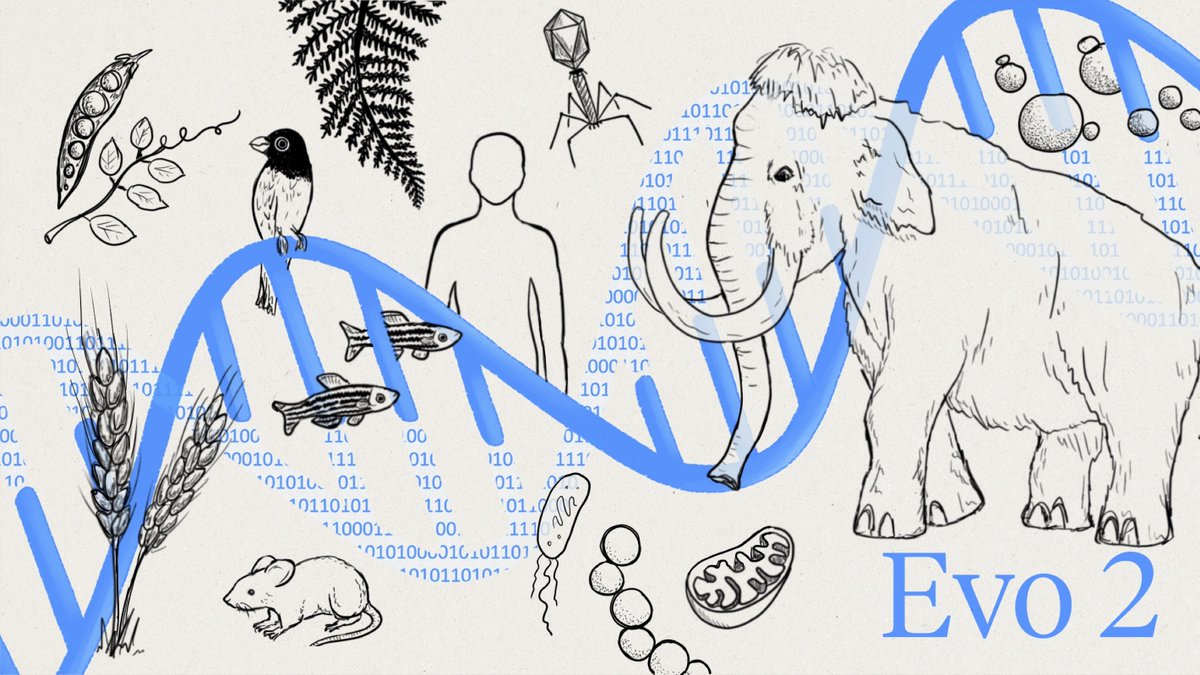
Evo 2 is out in Nature today, showing that genome language models can predict and design across the full complexity of life, from phages to eukaryotes.
A few surprises from the project, including how ignoring trillions of nucleotides was key to getting a good model. 🧵
📢📢 UK researchers in Engineering Biology of all levels (students, technicians, postdocs, PIs, CTOs and CEOs) - what are your thoughts about using AI in your work? The UK government is looking to gather views to shape policy via a survey. If you have 10 min spare please do it.
A new publication reflects on "The Biological Weapons Convention at Fifty" with insights on its role in combating biological warfare from experts across the biosecurity & disarmament field. #1972BWC
🔗 Read the publication: https://t.co/0dP81645tS.
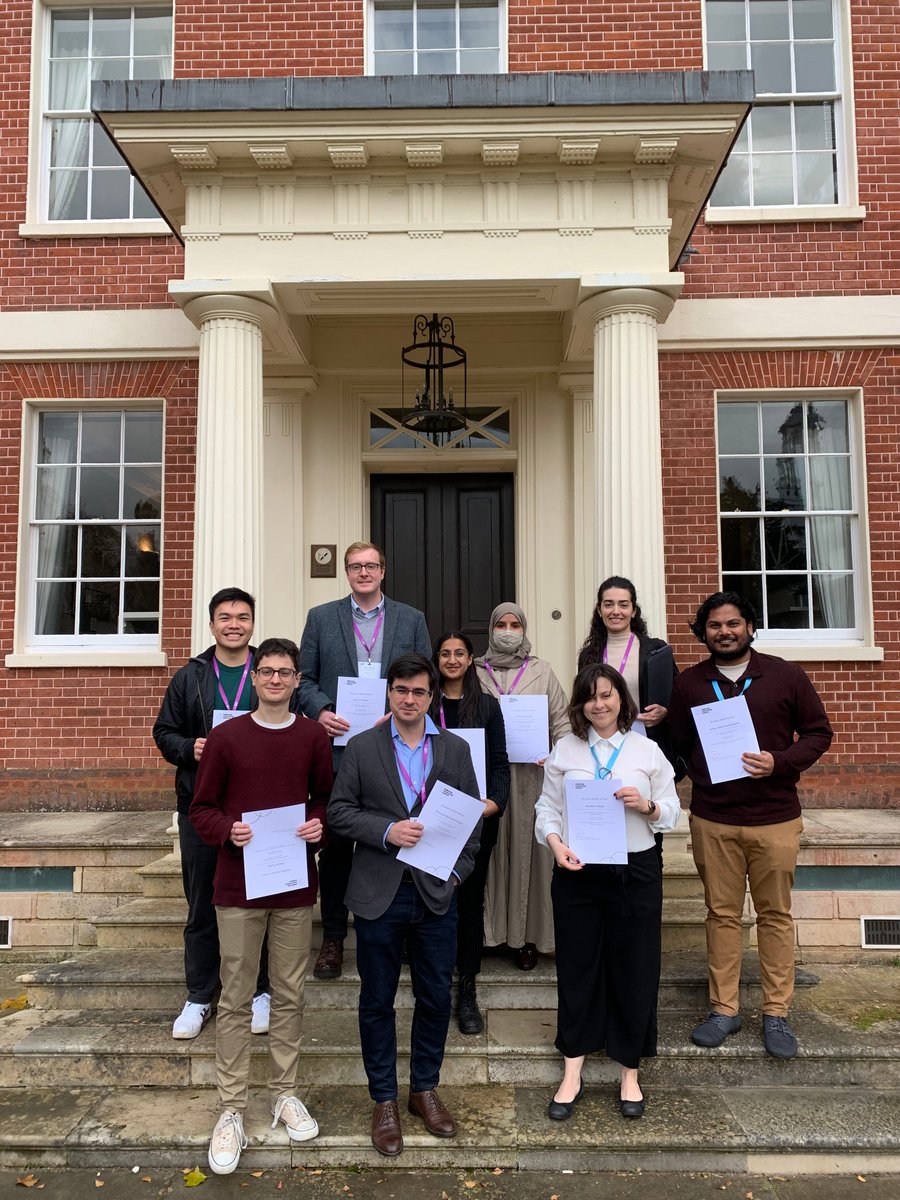
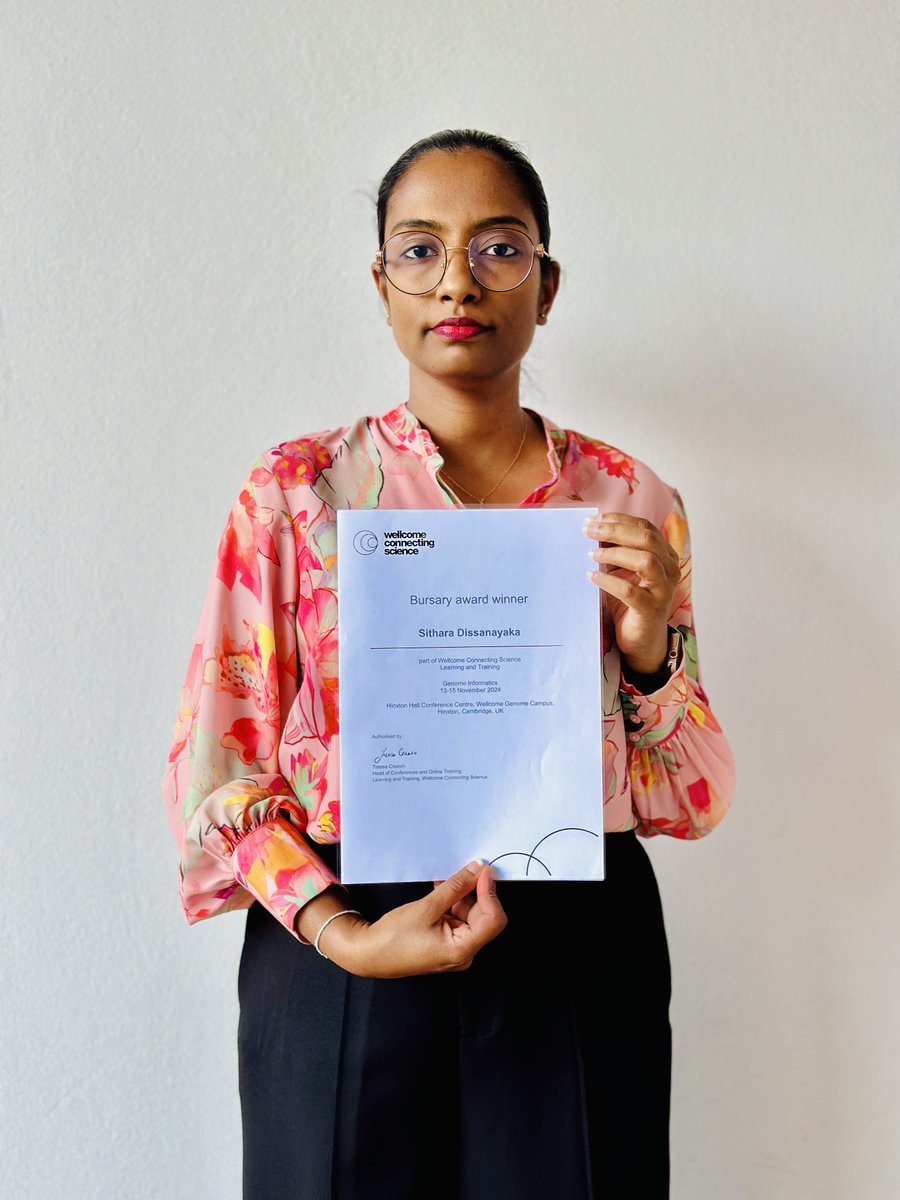
Thank you to the #genomeinformatics24 organisers for the opportunity to attend and to present my poster on De Bruijn graph representations of metagenomes (https://t.co/uGvt7tui93). Had great chats about the future of metagenome assembly, DBgs, and k-mer/unitig indices
Huge congratulations to @UoBbiosciences Professor Nick Loman @pathogenomenick who will lead on one of the 13 @NIHRresearch Health Protection Research Units (HPRU) announced today.
https://t.co/IThhHhY2j9 (1/2)
NTI | bio recently gathered international experts for an ambitious discussion that explored opportunities to enhance transparency and strengthen the Biological Weapons Convention. @NTI_WMD https://t.co/HExO6uqCry
It's happening again! The next Analysing Genomic Data course (#AMGD25) in bioinformatically brilliant Birmingham is available https://t.co/5uaRFcYrSP @unibirm_CMH@UoBinfectionsch@IMIBirmingham 5 days, hands-on, 17th March 25, beginners welcome
Explore the key takeaways from the 2⃣0⃣2⃣3⃣ Biorisks, Biosecurity, and Biological Disarmament Conference in our new report! 📙
Dive into the insights shared by experts from around the globe on advancing biosecurity and strengthening disarmament 🔍 👇
https://t.co/UinDMZWFoF
I'm hiring! Looking for a motivated bioinformatician to help us advance approaches to screening synthetic DNA orders for sequences of concern by developing bioinformatic and ML approaches that are resilient to human adversaries: https://t.co/2CJ49R6oaE
In depth analysis of bacterial metagenomic sequencing of wastewater: a summary of collaborative work from a group of data sleuths, trying to learn what we can do with this type of data. Next step coming up: adding the virome https://t.co/vBTQy96Zek great work in @EuropeVeo
Presenting a poster on my efforts at characterising metagenomes with De Bruijn graphs. Drop by poster B008 (delightfully palindromic) at #Microbio24 if you're keen to chat more!
HERA has launched a new Global Consortium for Wastewater and Environmental Surveillance for Public Health (#GLOWACON) today!
It will create a 🌍 sentinel system for the early detection, prevention, & real-time monitoring of epidemic threats and outbreaks.
More info in the 🧵👇
APPLY NOW‼️
📢The call for applications to the #Youth4Biosec Fellowship 2⃣0⃣2⃣4⃣ is now open
More information on the programme, eligibility criteria & how to apply here 👉 https://t.co/aNJd8JQcKj
🗓️Deadline - 5⃣ April
I have written an 'intermediate programming' course which is aimed at helping improve programming skills of bioinformatics/computational biology graduate students and postdocs. The notes are self-contained and are freely available:
https://t.co/aOM0bqPl9E
part of biology's beauty is that it's open to everyone.
as a biologist, im not confident that i could meaningfully advance math, physics, or chemistry.
but mathematicians, physicists, etc. have already (and will continue) to make some of the most meaningful advances in biology.