Basic OOP Concepts Explained with Clear Examples:
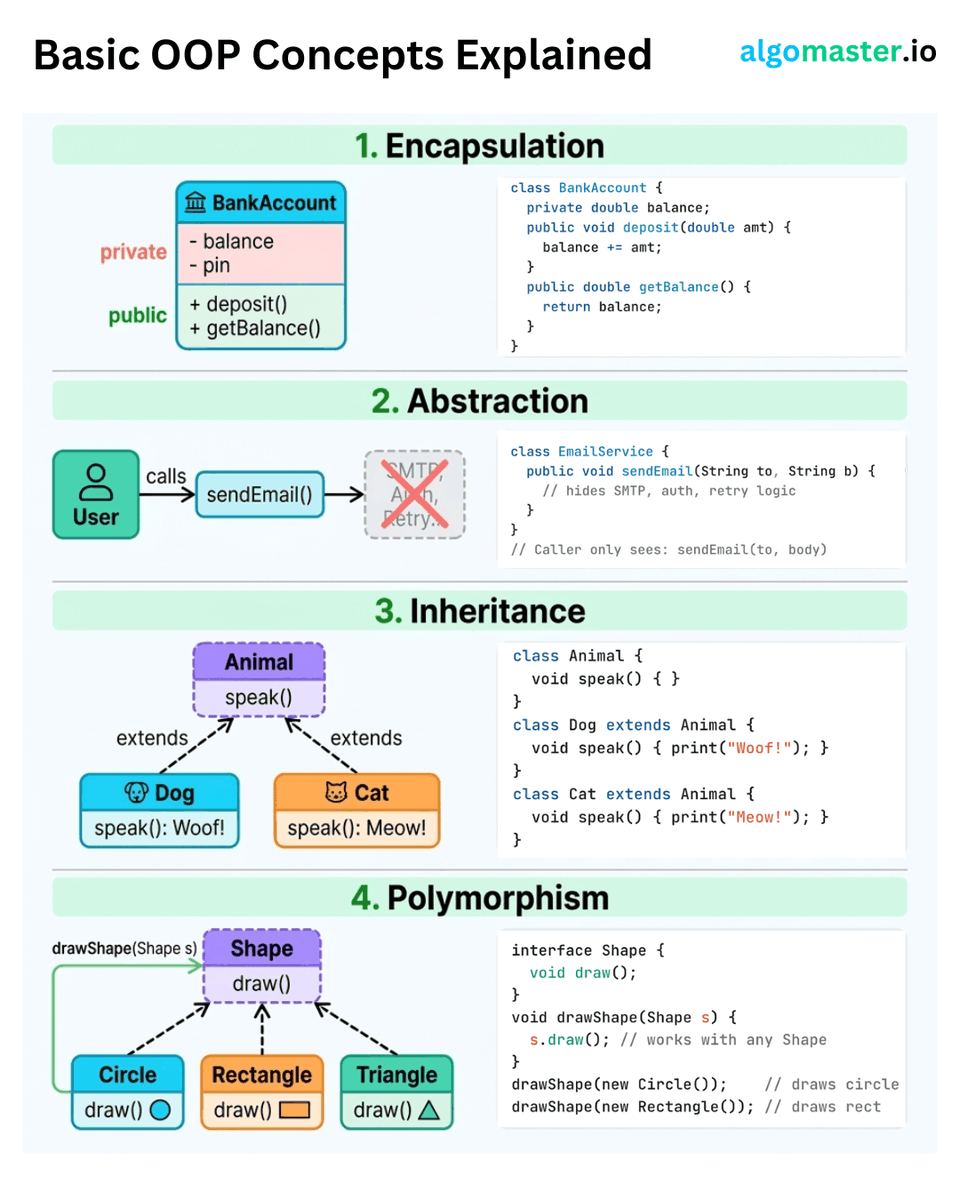
1. 𝐄𝐧𝐜𝐚𝐩𝐬𝐮𝐥𝐚𝐭𝐢𝐨𝐧
Hide internal data behind public methods.
- Example: A BankAccount class keeps balance and pin private. The only way to interact with it is through deposit() and getBalance().
2. 𝐀𝐛𝐬𝐭𝐫𝐚𝐜𝐭𝐢𝐨𝐧
Expose a simple interface, hide the complexity behind it.
- Example: An EmailService class gives you sendEmail(to, body). Internally, it handles SMTP connections, authentication, and retry logic. The caller doesn't need to know any of that. They just call one method and it works.
3. 𝐈𝐧𝐡𝐞𝐫𝐢𝐭𝐚𝐧𝐜𝐞
Let child classes reuse and override behavior from a parent class.
- Example: An Animal class defines speak(). Dog extends it and returns "Woof!", Cat extends it and returns "Meow!". Shared logic lives in one place, and each subclass customizes what it needs.
4. 𝐏𝐨𝐥𝐲𝐦𝐨𝐫𝐩𝐡𝐢𝐬𝐦
Write code that works with multiple types through a common interface.
- Example: Define a Shape interface with a draw() method. Now Circle, Rectangle, and Triangle each implement draw() their own way. A single drawShape(Shape s) method works with all of them.
♻️ Repost to help others learn this
If you're building in Go, use Eino for the workflow and Eino ADK for the agent. Eino handles the modular pipes like RAG, while ADK manages the brain for ReAct patterns and multi-agent handoffs. One builds the track, the other drives the car. #Golang#AI
@ravikumrz@davetweetlive Indian devs often lie in their CV, even when there is a big gap bw their skillset & the job description. They try to fill it with lies & false commitments. Founders too invest their time, money, family, friends to create employment & in return they expect blunt honesty.
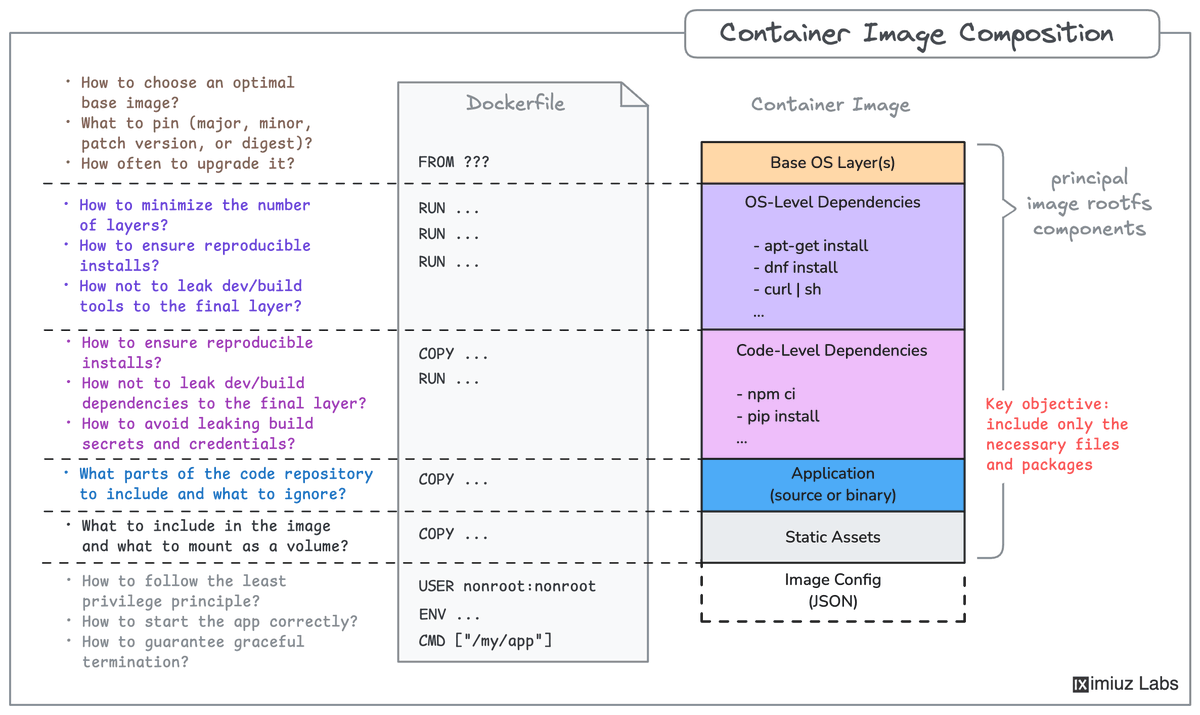
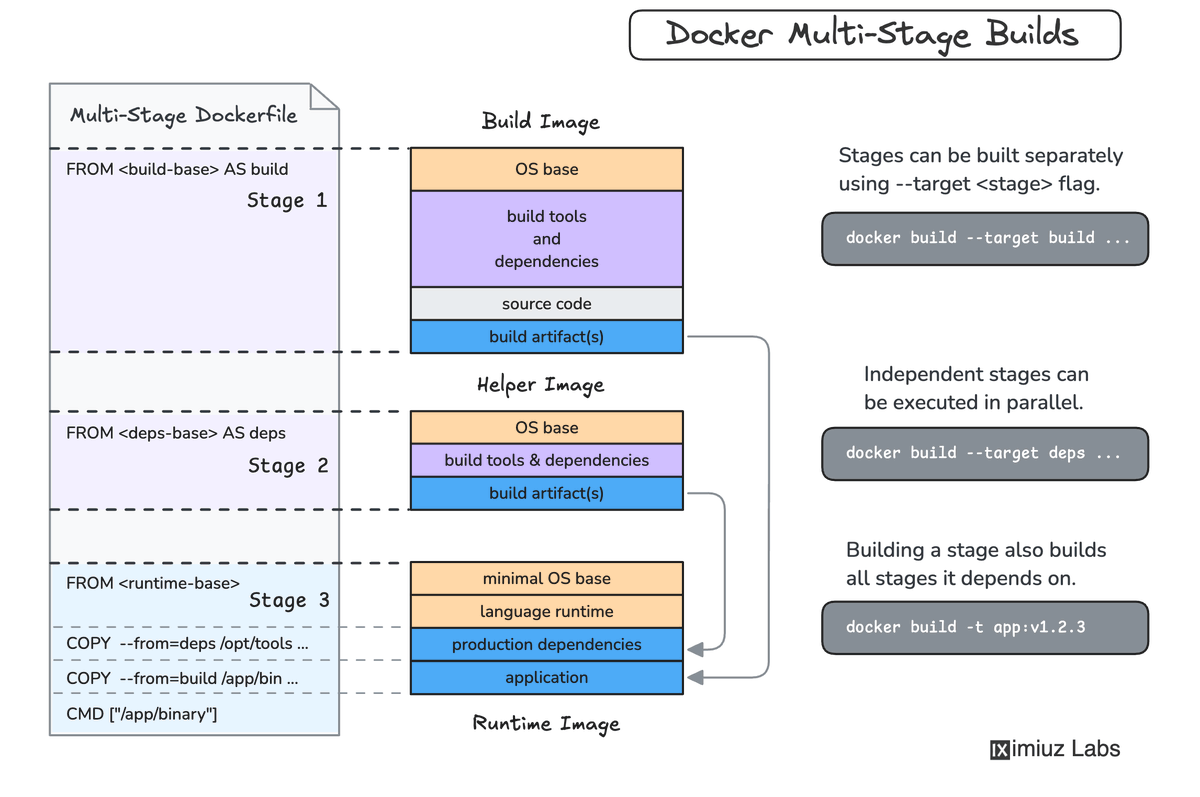
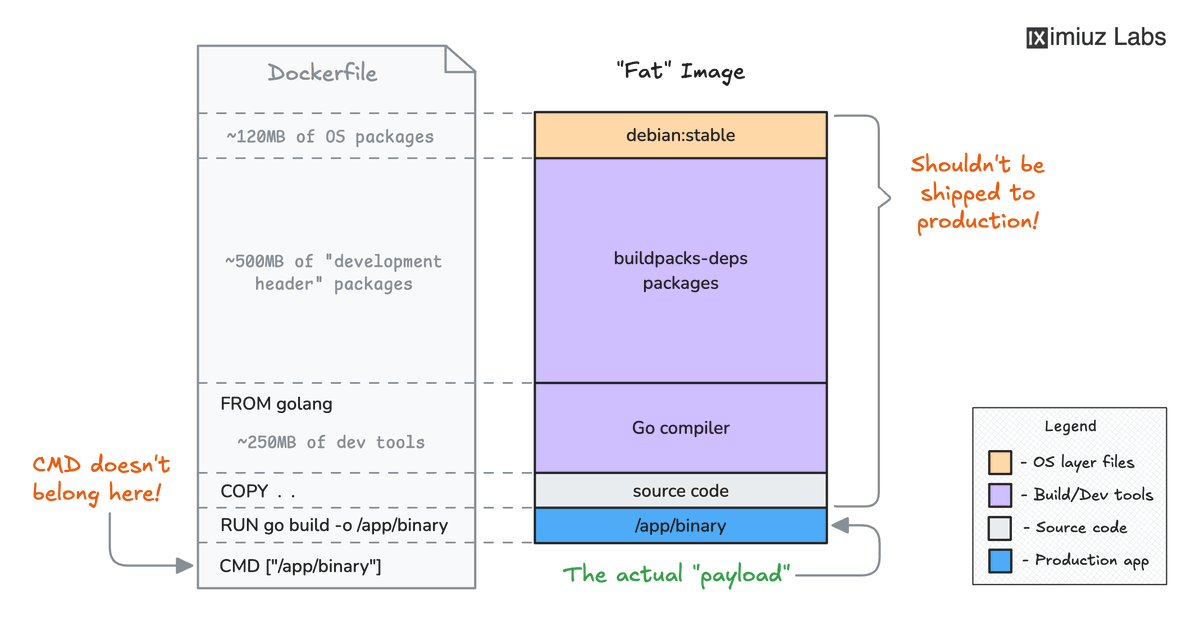
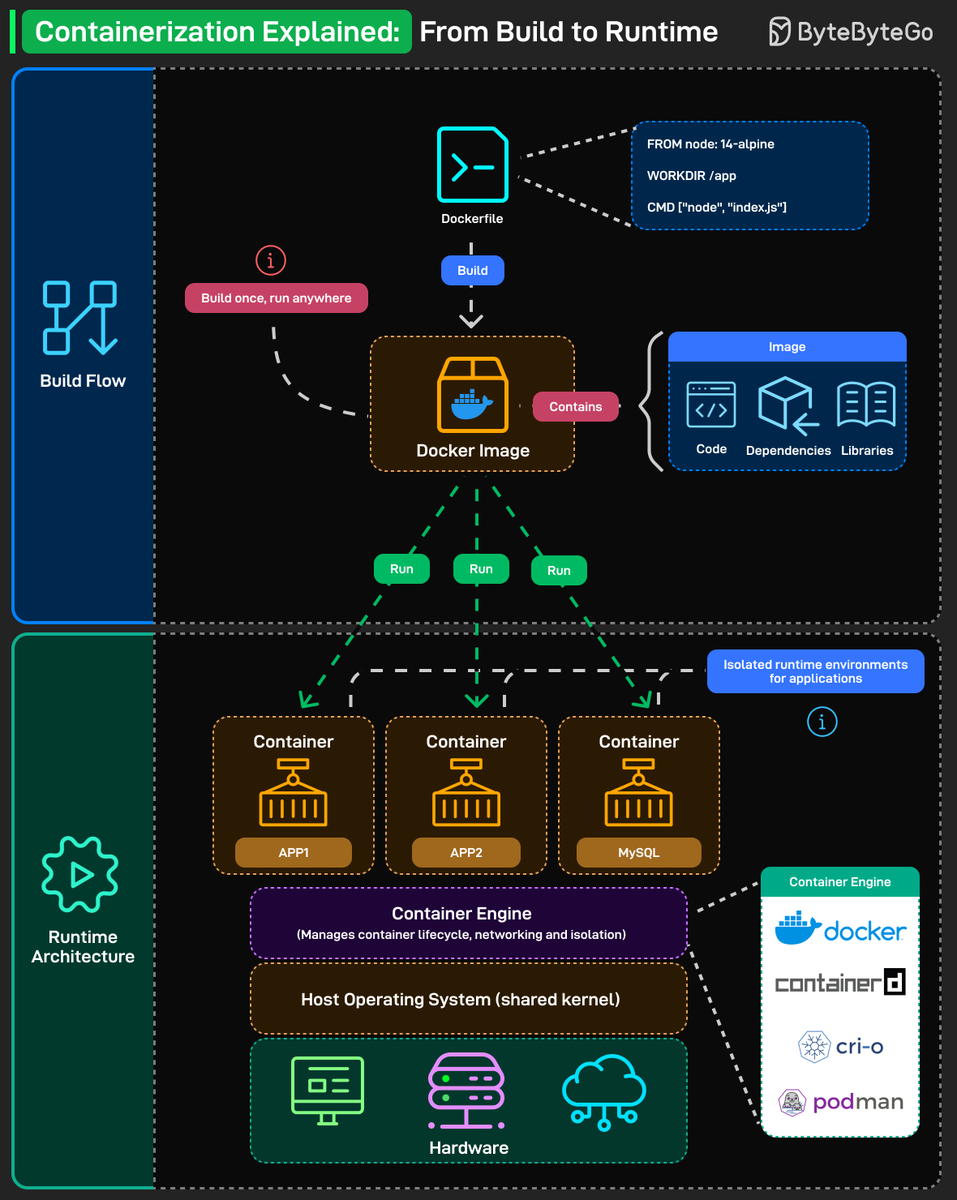
Building images with Docker - from Zero to Hero 🐳
Prepared a batch of hands-on problems that start from writing your very first Dockerfile and gradually walk you all the way up to using multi-stage builds for more optimal images:
- Write Your First Dockerfile https://t.co/hVgJuy0MMN
- Write a Dockerfile for a Simple Web Server Application https://t.co/iatxKgHmZX
- Write a Dockerfile That Excludes Dev Dependencies from the Production Image https://t.co/xI42A9M1In
- Write a Dockerfile for an Application With System-Level Dependencies https://t.co/wFWeXM7NFR
- Build and Compile Applications in Dockerfiles https://t.co/MFeONXk68t
- Build and Inspect a Container Image With Docker https://t.co/hk1IYdMpGS
- Optimize Container Images with Multi-Stage Builds https://t.co/00k1Ix7Sgp
Happy building! 🛠️
🚀 Last Day to Enroll: Become an AI Engineer | By building, not just watching | Cohort 3!
After the amazing response to our first two cohorts, with nearly 1,000 people joining, we are excited to share that we’re opening the next round of Become an AI Engineer.
This is not your typical AI course focused only on tools and frameworks. The mission is simple: help engineers build strong foundations and practical end to end skills to grow confidently into AI engineering roles.
What makes this cohort stand out:
- Learn by building: You will create real world AI applications instead of just watching videos
- Clear and structured path: A thoughtfully designed curriculum that takes you from core concepts to advanced topics, step by step
- Live feedback and mentorship: Get hands on guidance from instructors and learn alongside peers
- Strong community: Learning is faster and more motivating when you are not doing it alone
We care deeply about skill building, not passive learning or surface level theory. The goal is for every participant to leave with the confidence and ability to build real AI systems.
If learning AI is on your list for the new year, today is the last day to enroll.
Check it out here: https://t.co/nqd3c8fWrq
🚀 Learn AI in the New Year! Become an AI Engineer | Learn by Doing | Cohort 3
After the amazing success of Cohorts 1 and 2 (with close to 1,000 engineers joining and building real AI skills), I’m excited to announce the launch of Cohort 3 of Become an AI Engineer!
This isn’t just another course on AI tools and frameworks. Our mission is to equip engineers with the solid foundation and complete end-to-end skill set required to excel as AI engineers in today’s fast-moving world.
Here’s what sets this cohort apart:
- Learn by doing: Build real-world AI applications hands-on, far beyond just watching videos.
- Structured, systematic curriculum: Progress step by step from core fundamentals to advanced concepts in a carefully crafted learning path.
- Live feedback and mentorship: Receive direct guidance and reviews from experienced instructors and peers.
- Strong community support: Learning solo is tough — learning together with a motivated community makes it enjoyable and effective!
If you missed the previous cohorts and want to 𝐥𝐞𝐚𝐫𝐧 𝐀𝐈 𝐢𝐧 𝐭𝐡𝐞 𝐍𝐞𝐰 𝐘𝐞𝐚𝐫, this is your perfect opportunity to join Cohort 3 and level up your AI engineering career.
Check it out here: https://t.co/nqd3c8gugY
MESSAGE BROKERS & QUEUES IN BACKEND
WHAT ARE MESSAGE BROKERS & QUEUES
Message brokers and queues are backend systems used to enable asynchronous communication between different services or components in an application.
CORE IDEA (SIMPLE ANALOGY)
→ Think of a post office
→ Producers write letters and drop them in a mailbox (queue)
→ The post office (message broker) stores and routes the letters
→ Receivers collect and read the letters when ready
WHY MESSAGE BROKERS ARE NEEDED
→ Decouple services so they do not depend on each other directly
→ Improve system reliability and fault tolerance
→ Handle high traffic without overwhelming services
→ Enable background and delayed processing
KEY COMPONENTS
→ Producer: Service that sends messages
→ Queue: Temporary storage for messages
→ Message Broker: System that manages queues and routes messages
→ Consumer: Service that receives and processes messages
HOW MESSAGE QUEUES WORK
→ Producer sends a message to the queue
→ Message broker stores the message safely
→ Consumer pulls the message from the queue
→ Message is processed and removed from the queue
TYPES OF MESSAGING MODELS
→ Point-to-Point: One message is consumed by one consumer
→ Publish-Subscribe: One message is delivered to multiple consumers
BENEFITS IN BACKEND SYSTEMS
→ Better scalability
→ Improved performance under load
→ Fault isolation between services
→ Reliable message delivery
COMMON USE CASES
→ Order processing systems
→ Email and notification services
→ Payment processing
→ Background jobs and task scheduling
→ Microservices communication
Grab the BACKEND HANDBOOK
https://t.co/QdeNEmpNfI
Command Query Responsibility Segregation (CQRS)
→ CQRS is an architectural pattern that separates read operations (Queries) from write operations (Commands).
→ Commands change system state.
→ Queries only read data and never modify it.
→ This separation allows each side to scale, optimize, and evolve independently.
Core Concepts
→ Command → An action that changes data (CreateOrder, UpdateProfile).
→ Query → A request that retrieves data (GetOrderById, ListUsers).
→ Write Model → Handles business rules, validation, and state changes.
→ Read Model → Optimized for fast data retrieval (often denormalized).
How It Works
→ Client sends Command → Command Handler → Write Model → Database
→ Client sends Query → Query Handler → Read Model → Optimized Read Store
→ Commands and Queries use separate paths and may use different databases.
Simple Analogy: Bank System
→ Commands = Depositing or withdrawing money (changes balance).
→ Queries = Checking account balance or transaction history (read-only).
→ You don’t update your balance when checking it — responsibilities are clearly separated.
Benefits
→ Improved performance for read-heavy systems.
→ Independent scaling of reads and writes.
→ Clear separation of responsibilities.
→ Easier optimization of data models for specific use cases.
→ Works well with Event-Driven systems.
Drawbacks
→ Increased architectural complexity.
→ Eventual consistency between read and write models.
→ More infrastructure to manage (multiple models, stores).
→ Overkill for small or simple applications.
Best Practices
→ Use CQRS only when complexity is justified.
→ Pair CQRS with Event Sourcing when auditability is needed.
→ Keep commands task-focused and explicit.
→ Optimize read models for UI needs, not domain purity.
→ Handle eventual consistency gracefully in the UI.
When to Use
→ Systems with high read/write imbalance.
→ Complex business domains with many rules.
→ Applications requiring scalability and performance.
→ Event-driven or microservices-based systems.
📘 Grab the Mastering Software Architectures Ebook: From Monoliths to Microservices and Beyond
A practical guide covering CQRS, MVC, MVVM, MVP, Layered, Client-Server, SOA, Event-Driven, Microservices, and P2P architectures — with clear explanations, analogies, and real-world use cases.
👉 https://t.co/rQ5uqOjO5c
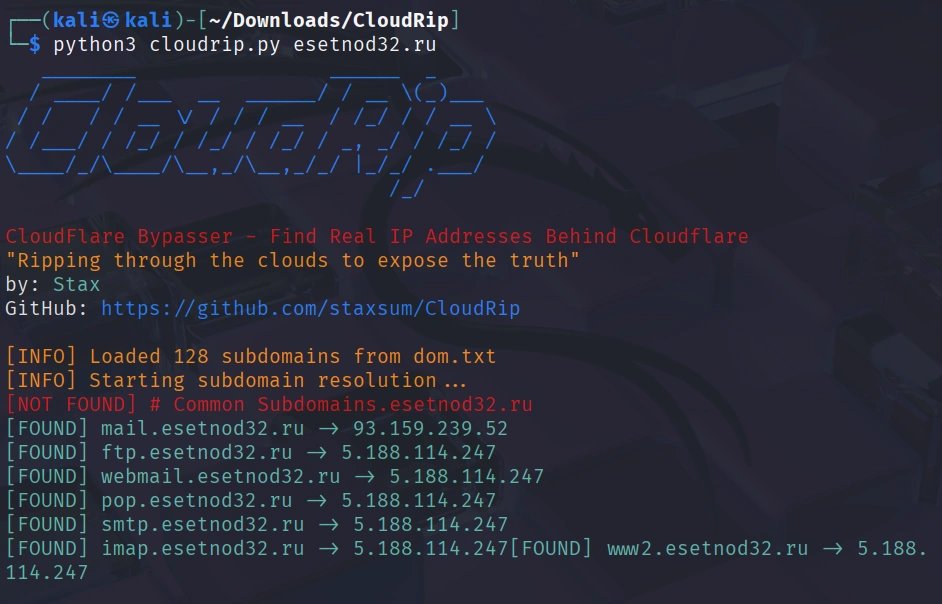
Cloudflare hides 19.3% of all websites—but not perfectly.
CloudRip scans subdomains to find IPs not behind Cloudflare protection, exposing the real origin server:
https://t.co/cRzA62yQ5q
@three_cube