Associate Professor of Art Therapy & Neurology | Research in Neuroscience, Arts, & Therapeutics | Translational Health Sciences | Clinical Practice 🏄♀️🧠🎨🎼
Please repost!
🚨Open PhD position in neuroarchitecture in my lab, the BBAR🚨
Are you fascinated by the interplay between architecture and the human brain? 🧠🏢
Join my group; Brain, Body, Architecture Research group!
https://t.co/sYBmp8gPsI
(1/5)
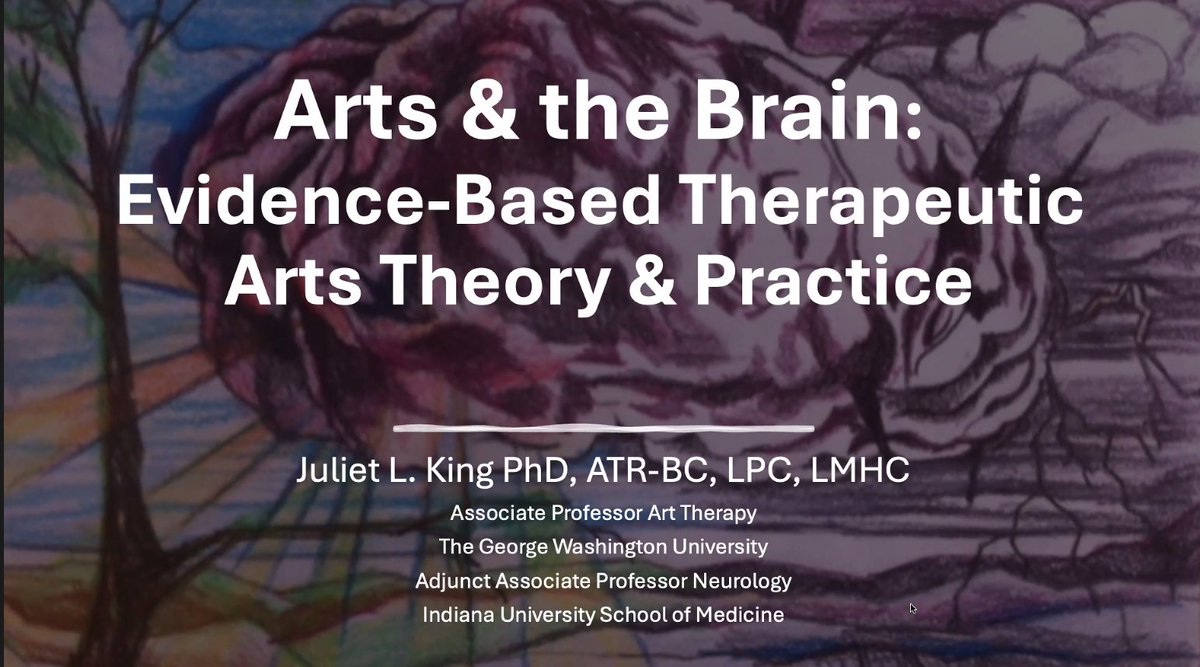
Juliet King, PhD, ATR-BC, LPC, LMHC is at the Cape Cod Institute this week teaching: Arts & the Brain: Evidence-Based Therapeutic Arts Interventions for Optimal Health & Well-Being. Here participants are painting how they see the world & what they see as truths. @tertiaryprocess
5-year full PhD position at the Berlin Mobile Brain/Body Imaging Labs!
(Please distribute in your network).
We are looking for a highly motivated candidate to work in the field of Neurourbanism using multimodal psychophysiological measurements in stationary and mobile protocols.
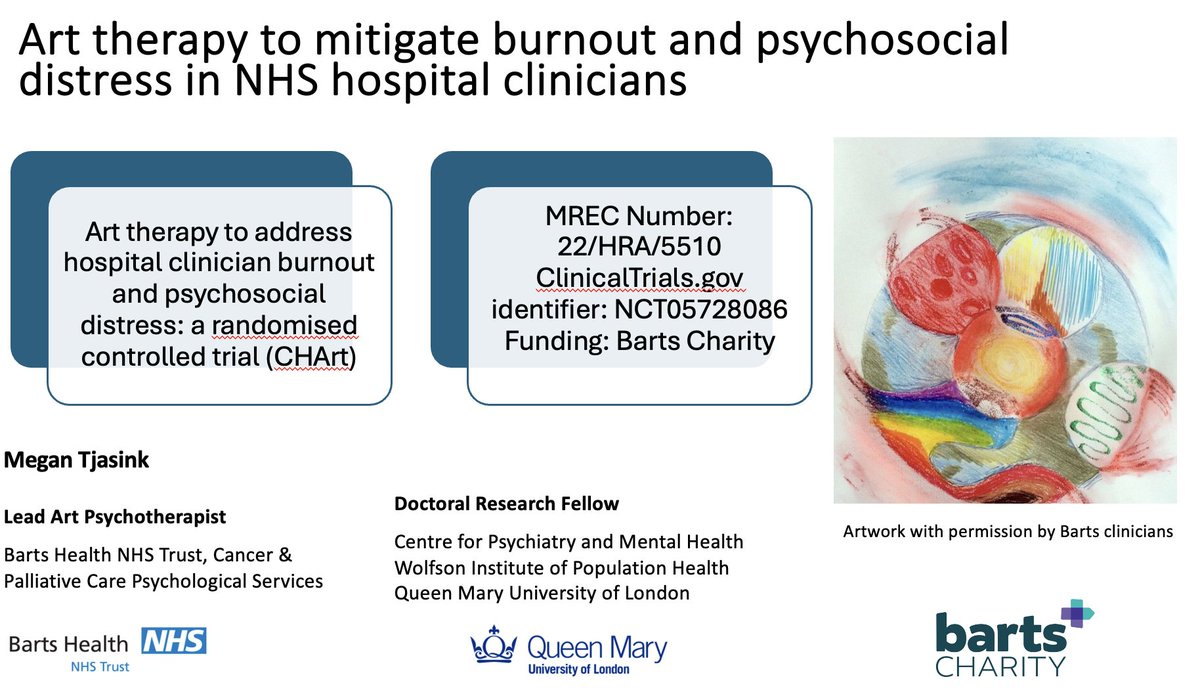
I had the pleasure of sharing my experience developing art therapy for NHS HCW burnout and psychosocial distress with #artstherapists@AWPNHS last week. Thank you for the invitation, warm reception & interest in the relationship between practice, service development & research
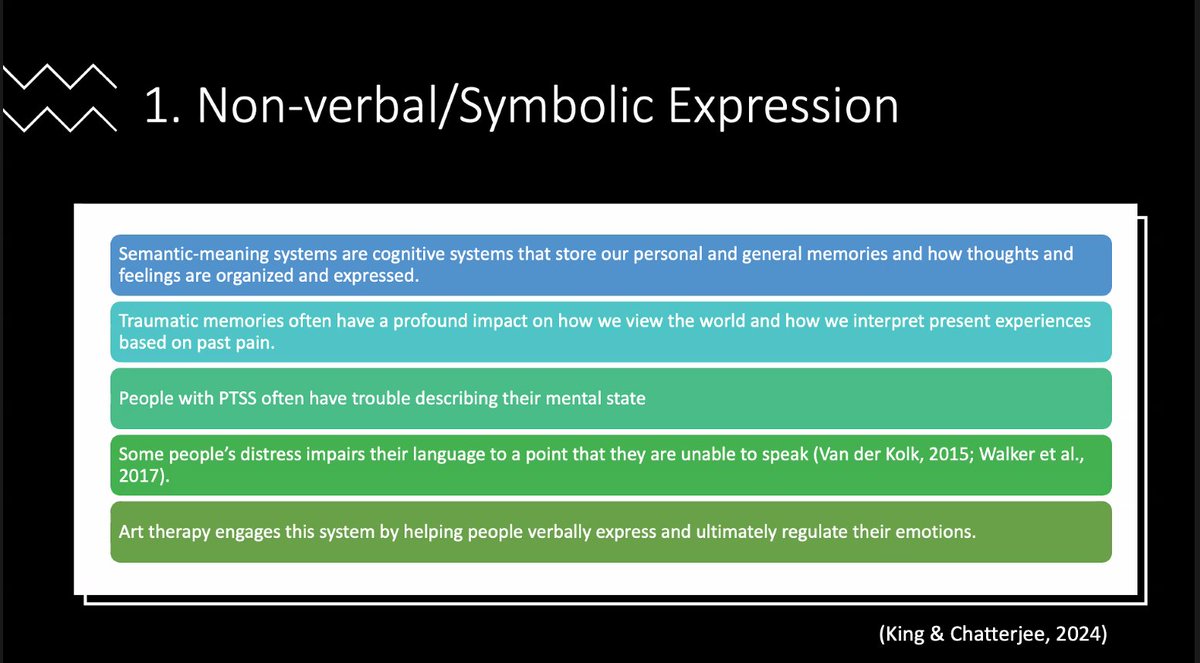
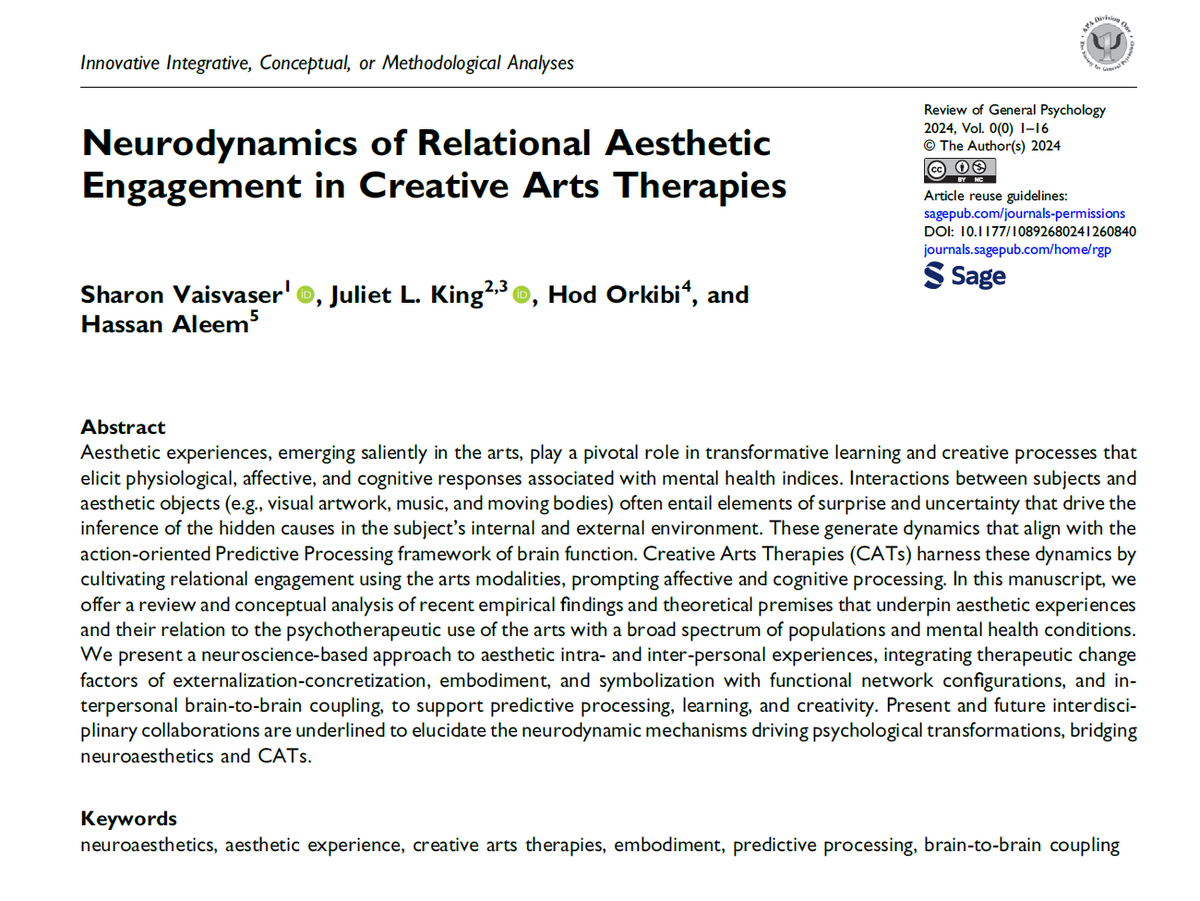
In our clinical research team’s latest conceptual review, they report on a neurophysiological rationale for #ArtTherapy as a therapeutic approach for individuals with post-traumatic stress disorder (PTSD). Learn more:
https://t.co/zdZsnIOFyf
#MilitaryMedicine#ArtsInHealth
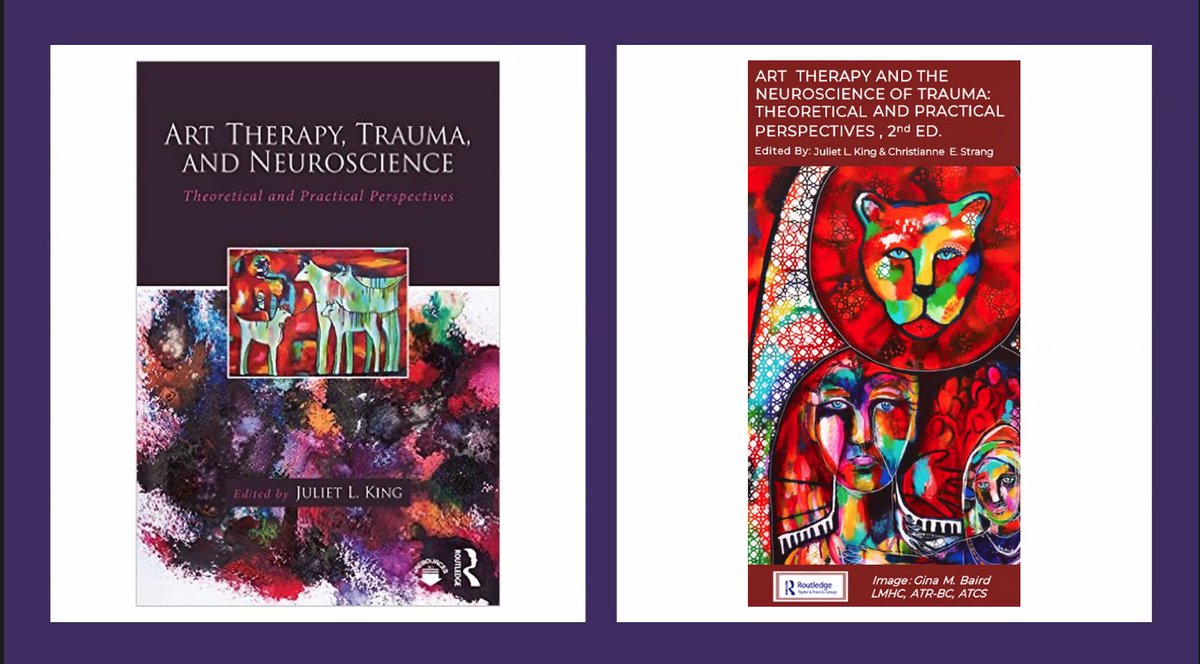
Excited to announce the release of 'Art Therapy and the Neuroscience of Trauma, 2nd Edition' 📷📷! Dive deeper into how art therapy intersects with neuroscience to heal trauma. #ArtTherapy#Neuroscience#TraumaRecovery
https://t.co/T0yCGCEdp7
#Arttherapy isn't just about expression—it's backed by science. Neuroimaging shows how art activates key brain areas, enhancing emotional healing & cognitive processing. #ArtTherapy#Neuroscience@NEA_CFNetwork
@Jackson_Fdn
@PCfN__
Masks created by military personnel with PTSD during art therapy sessions reflected a shift from negative to positive emotions, suggesting emotional improvement through the non-verbal therapeutic process. https://t.co/Yd1EqO6Pg4
Thank you Dr. Juliet King @tertiaryprocess for presenting at @WCMPsychiatry Grand Rounds!
Art therapists, medical clinicians, and neuroscientists have so much to learn from each other, and Dr. King has assembled so much of the shared language we need. #ArtTherapy#MedEd#MedHum
Thank you Dr. Juliet King @tertiaryprocess for presenting at @WCMPsychiatry Grand Rounds!
Art therapists, medical clinicians, and neuroscientists have so much to learn from each other, and Dr. King has assembled so much of the shared language we need. #ArtTherapy#MedEd#MedHum
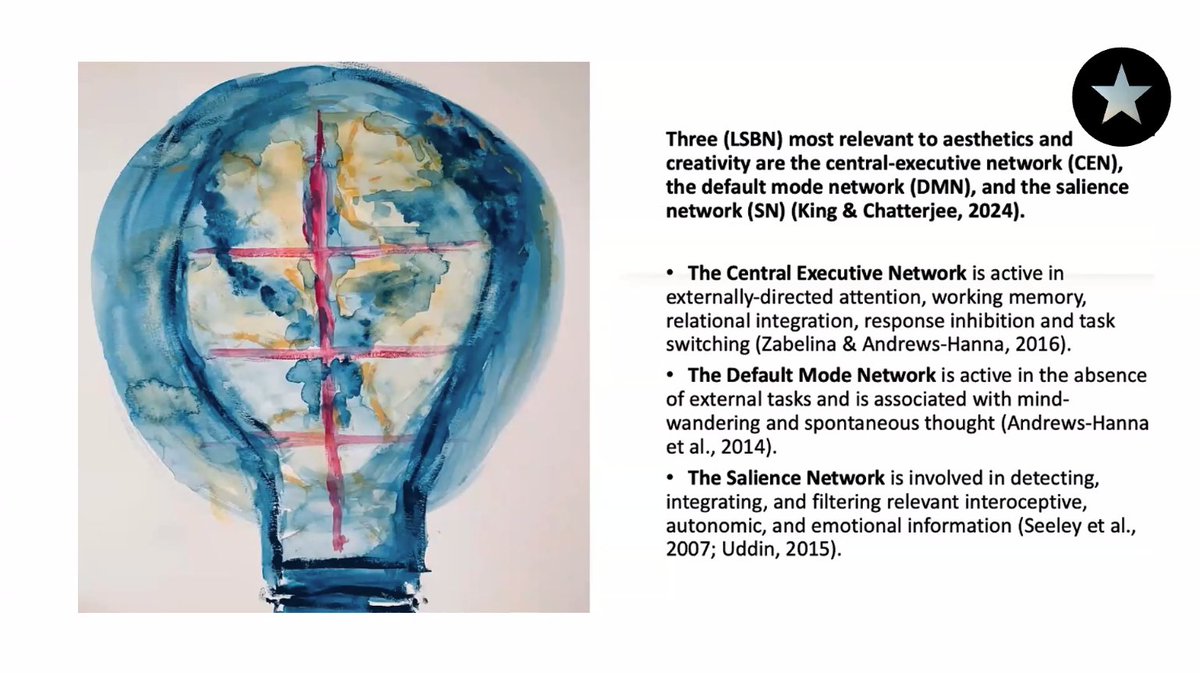
A new, large-sample study finds little support for a link between mind-wandering and creative thinking. This follows several other studies finding mixed evidence that mind-wandering supports creativity.
The Discussion offers much food for thought, including a call for more precise and testable theories. It also lists 7 specific hypotheses to test for any link between mind-wandering and creativity in future work:
"If the psychology of creativity is to make progress on this question, beyond collecting dozens of studies that use different methods and produce conflicting findings, the field must develop theories that specify the hypothesized nature of the association and that guide further empirical investigations. We list several possibilities below (only some of which are mutually exclusive), but creativity theorists could (and should) probably develop more:
Hypothesis 1: Mind-wandering is a sign, symptom, or result of creativity, not a cause.
Hypothesis 2: Mind-wandering during development facilitates the subsequent development of creative thinking and behavior, but it doesn't concurrently affect adult creativity.
Hypothesis 3: Suitably off-task mind-wandering following a problem-solving impasse can create a mental context change that keeps prior dead-ends at bay and thereby facilitates more novel thinking.
Hypothesis 4: Unconstrained mind-wandering, during the creative process or following an impasse, provides mental access to more remote and novel ideas than directed, linear thinking.
Hypothesis 5: Fantastical mind-wandering that is divorced from realistic concerns, during the creative process or after an impasse, activates similarly novel solutions to creative problems.
Hypothesis 6: Unconstrained or fantastical mind-wandering may suggest to creators that purposefully thinking in these ways may benefit progress on their creative projects.
Hypothesis 7: Unconstrained or fantastical mind-wandering provides access to remote, novel ideas, but they are only beneficial if there is sufficient metaconsciousness to notice and harness those ideas before they are forgotten."