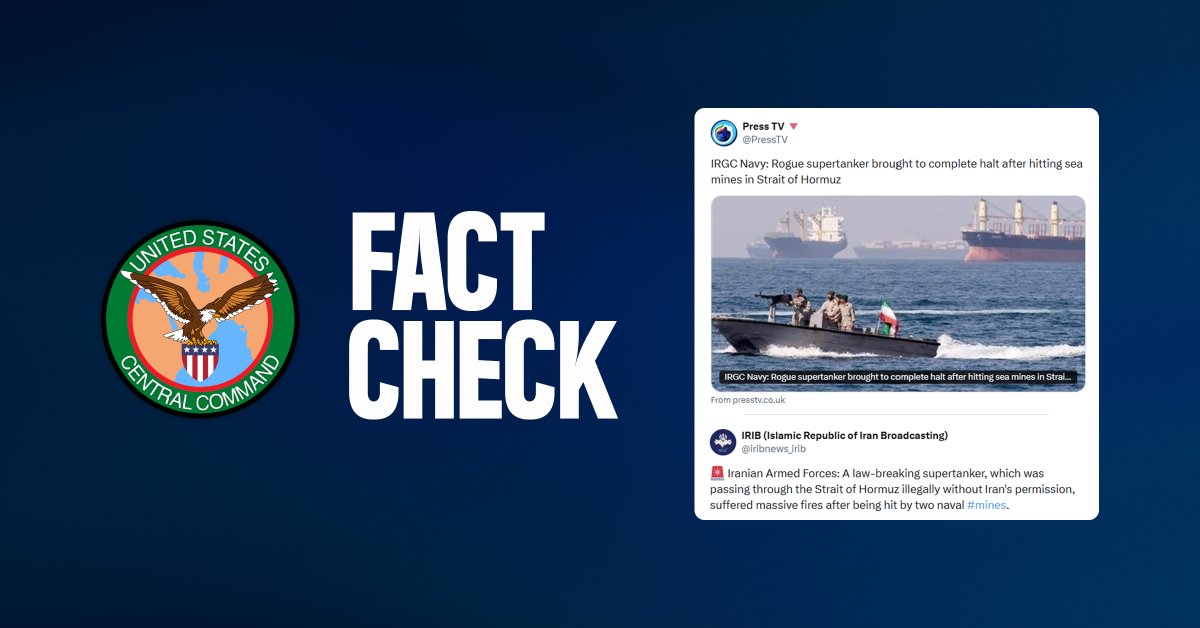
🚫 CLAIM: Iran’s Islamic Revolutionary Guard Corps (IRGC) claims that a supertanker passing through the southern route of the Strait of Hormuz struck two mines and was brought to a complete stop. This is FALSE.
✅ FACT: No ships have hit mines in the Strait of Hormuz. This is yet another IRGC attempt to intimidate regional commercial shipping through disinformation.
THE RENEWED HOPE AGENDA IS WORKING
Fellow Nigerians,
Our economy grew by 4.43% in the second quarter of 2026, up from 4.23% in the same period last year.
Growth was recorded across agriculture, manufacturing, oil and gas, and services, which now make the largest contribution to our GDP.
In nominal terms, our GDP reached ₦119.27 trillion, up 18.43% from ₦100.7 trillion in the same period last year.
These numbers matter because they show where our economy is going after three years of difficult but necessary reforms.
STATEHOUSE STATEMENT
Members of the APC Presidential Campaign Council constituted; Abdulaziz Yari to serve as DG, Uzodimma secretary
President Bola Ahmed Tinubu and Vice President Kashim Shettima will serve as chairman and vice chairman of the APC Presidential Campaign Council, according to the list released Saturday morning.
Party Chairman Professor Nentawe Yilwatda will also serve as vice chairman, while former Zamfara State governor Senator Abdulaziz Yari will serve as the director-general of the campaign.
Governor Hope Uzodimma will serve as secretary of the campaign council. APC National Secretary, Senator Ajibola Bashiru and Hadiza Bala-Usman will serve as deputy and assistant secretaries.
The chairman of the campaign Council, President Tinubu, will work with a body of advisers comprising Chief Bisi Akande, Chief Segun Osoba, Senator Rochas Okorocha, Senator Abdullahi Adamu, and Senator Florence Ita Giwa.
Senate President Godswill Akpabio, Speaker Tajudeen Abass, and Governor Mai Mala Buni of Yobe State have been assigned as deputy director-generals for the campaign in the south and the north. They will work with Senator Bamidele Opeyemi and Senator Jibril Barau in the two zones.
Senator Adams Oshiomhole will serve as deputy director-general in charge of mobilisation, while the President’s Chief of Staff will serve as deputy director-general for administration.
James Abiodun Faleke, who played a pivotal role in the 2022/2023 campaign, has returned as deputy director-general for election planning, coordination and monitoring.
Faleke will work with zonal directors, with Senator Olushola Adeyeye in the South West, Dr Ngozi Olejeme in the South South, Senator Uche Ekwunife in the South East, Muntaqha Rabe in the North West, Ahmed Muhammed Ketso in the North Central, and Senator Sani Danladi in the North East.
Ms Stella Okotete, Engineer Abdullahi Garba Ramat and Audu Maikori will serve as secretaries of the election planning directorate.
Muiz Adeyemi Banire will lead the legal directorate as director, with Dr Liman Hassan and Babatunde Ogala as deputies. Other members are Prince Lateef Fagbemi, former governor Ibrahim Shema, Worgu Boms and Dr Kingsley Tochukwu Udeh.
The Minister of Information and National Orientation, Mohammed Idris Malagi, will serve as the coordinating director for media and Strategic Communication, along with Dele Alake, Bayo Onanuga, and Lanre Issa-Onilu. The media directorate also includes Tunde Rahman, Sunday Dare, Daniel Bwala, and Felix Morka, who have been assigned as coordinating deputy directors.
Abdulaziz AbdulAziz will work with three others, Temitope Ajayi, Arabinrin Aderonke, and Frederick Nwabufor, as coordinating secretaries of the media directorate. Segun Dada will serve as Director, New Media, the same role he performed in 2022. Solomon Arowolo will serve as Secretary, New Media.
The campaign has also appointed five spokespersons, led by Dele Alake. Other spokespersons are Alwan Hassan, Ayobami Oyalowo, Kemi Asekun-Shittu and Adamu Fanda.
President Tinubu has charged all council members to work tirelessly to deliver victory for the party in the January 2027 elections. He has also encouraged the leaders of the various directorates to reach out to other party members who may not have been formally listed to join their crucial efforts.
“We have delivered on our campaign promises and set our country on a path of economic progress. We are definitely out of the dark tunnel and are now at the cusp of reaping the benefits of a prosperous economy that will benefit all Nigerians. As we march into the campaign season, we have many achievements to trumpet—let us confidently showcase our record and inspire hope in every corner of our nation. Let us soundly defeat all those forces who plan to take our country backwards.”
Bayo Onanuga,
Special Adviser to the President
(Information and Strategy)
August 22, 2026
STATEHOUSE PRESS RELEASE
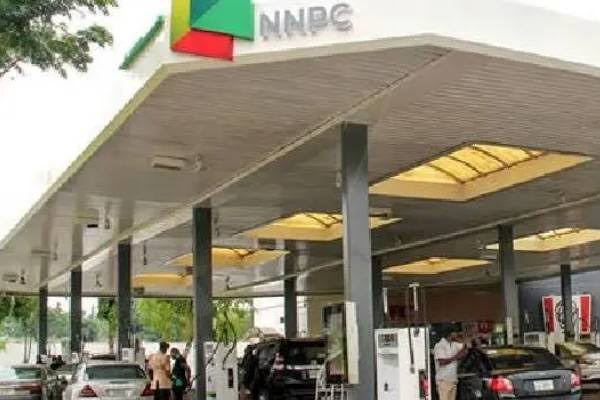
Restoring petrol subsidies: Atiku’s volte-face and desperation for power
Alhaji Atiku Abubakar, former Vice President and perennial candidate for the presidency of Nigeria, has finally revealed his economic plans to Nigerians, should he be elected as President by January next year.
Against expectations that he would announce a more creative and ingenious alternative to the programme being executed by the Tinubu administration, Atiku Abubakar behaved like a man from an archaic past who least comprehends the present economic dynamics and suggested that he would restore the much-abused, wasteful, pillaged, corruption-ridden fuel subsidy regime, which the Petroleum Industry Act made illegal from the end of June, 2023. Even though he used to believe that the subsidy regime must be eliminated, a point he canvassed in the run-up to his defeat in the 2023 election, he has now opportunistically recanted the major plank of his economic doctrine and turned a renegade.
It is not difficult to explain why Atiku has latched onto the abandoned subsidy regime, five months to the election. Desperate for power, he needed to make a promise that he knew, if he were candid with our people, does not make fiscal sense, is retrogressive, and is against the genuine interest of the people. But before his suggestion hoodwinks the people, we must quickly subject the promise to a serious examination, especially in the context of Nigeria’s present economic and petroleum realities.
We respect Alhaji Atiku Abubakar’s constitutional right to propose alternative policies, to seek the support of Nigerians and recant a major policy prescription. However, Nigerians also deserve to understand what the proposed restoration of subsidy would actually mean, how it would be funded, and whether it is compatible with the legal and structural changes that have taken place in the petroleum sector.
First, we must clear some ambiguities about the so-called subsidy. It is not some money sitting in the treasury to be disbursed to offer cheap fuel to Nigerians. It is the massive discount the NNPC offered the Nigerian government: selling fuel it bought at N100 at N50 at the pump, leading to under-recovery of costs and massive losses. Somewhere in the NNPC books are still trillions of Naira in subsidy costs that the Nigerian government has not paid. Contrary to Atiku's claim in his interview, no N30 trillion subsidy windfall or savings exists anywhere except in his imagination.
The petrol subsidy regime that Nigerians knew before May 2023 was dismantled as part of the country’s petroleum-sector reforms. The Petroleum Industry Act established a new framework for the downstream petroleum market. It removed the subsidy, as was previously done for diesel, kerosene and aviation fuel, ending a system that had placed a substantial and often unpredictable burden on public finances. The PIA scheduled the subsidy removal by the end of June 2023. President Tinubu only accelerated it by weeks to stop further bleeding before the due date.
Restoring the old arrangement therefore cannot simply be presented as a matter of announcing that government will once again pay part of the cost of petrol. It would require a clear legal, fiscal and administrative framework, including identifying the source of the funds and determining how such a policy would be implemented under the present petroleum-market structure.
More importantly, Nigeria’s petroleum landscape has changed significantly since May 2023. For many years, the country relied heavily on imported petrol, with the government bearing the consequences of the gap between the regulated pump price and the cost of supplying the product. Today, the emergence of substantial domestic refining capacity has fundamentally altered that equation. The Dangote Refinery has become a major source of locally refined petrol. Indeed, the Dangote Refinery would not have kickstarted production for local consumption were the subsidy regime operative. This is an important point that Atiku deceptively ignored.
Atiku's proposal portends a reversal of current local production, and it will spell bankruptcy for smaller local refineries like Aradel's, causing attendant job losses and a loss of foreign exchange. Because the sector is now market-driven, Nigeria now exports refined products to Europe, Asia, and the United States, restoring national pride. This development is a sharp contrast to when Obasanjo and Atiku were in power: Nigeria's largest import, costing about $10 billion, was refined products!. President Tinubu has flipped that to Nigeria's advantage.
The N15 trillion that would have been borrowed and spent on selling discounted petrol has now significantly gone into the coffers of the three tiers of government. Now all states are fiscally stable and can pay salaries regularly and embark on infrastructure projects. In July, the three tiers shared about N3 trillion, a record, from the federation account. That is a major achievement, since the abolition of petrol price discount and distortions in the foreign exchange regime.
Nigeria is increasingly moving from a model in which scarce foreign exchange is used to import refined petrol to one in which crude oil, largely sold in Naira, can be processed domestically and supplied to the Nigerian market. That transition creates opportunities for greater energy security, foreign-exchange conservation, industrial development and ultimately a boost to employment generation.
The subsidy debate must therefore be grounded in the realities of today's market rather than treated as though Nigeria's petroleum sector has remained unchanged.
The former petrol price discount arrangement was not simply government handing out a harmless discount. It involved the public sector absorbing the difference between regulated prices and the actual cost of supplying petrol, with substantial fiscal consequences.
At various points, the government financed or accommodated the burden through borrowing and other public-sector financing arrangements. Millions of barrels of crude oil had previously been pledged against loans used to finance the subsidy regime. At a stage, the NNPC in 2024 was at a breaking point, owing suppliers billions of dollars.
In practical terms, therefore, Nigerians should ask a straightforward question: If the subsidy is restored, who pays for it? What will the new pump price be? N200 or N500? If petrol is sold below its economic cost, which is about N1,200 to N1,300, someone must absorb the difference. Ultimately, that cost falls on the public finances—through reduced funds for infrastructure and social services, reduced allocation to states and 774 local councils, increased borrowing, higher public debt, or some combination of these.
There is no disagreement that the cost of petrol places enormous pressure on Nigerian households and businesses. The hardship created by higher energy and transportation costs is real, and government will continue to pursue policies that reduce the burden on citizens. The Tinubu administration, for instance, has been encouraging the use of Compressed Natural Gas, 70 per cent cheaper than petrol, to power taxis, cars and distribution trucks. Even Dangote and BUA have CNG trucks in their fleet. What remains is for commercial trucks, buses, and taxis to pass on the benefits of reduced energy costs to our people.
We believe sustainable relief is different from recreating a fiscal arrangement that will again cripple our country.
The better question is how Nigeria can use its emerging domestic refining capacity, improved petroleum-sector regulation, and increased competition to achieve more stable and affordable energy prices without returning to an opaque and fiscally burdensome subsidy regime.
Political promises must be backed by fiscal arithmetic. Alhaji Atiku Abubakar is entitled to propose a different economic direction. Specific answers should accompany any promise to restore fuel subsidy. How much will the programme cost annually? What revenue source will finance it? Will the government borrow to fund it? Will the National Assembly be asked to amend existing PIA legislation and petroleum-sector rules? How will subsidy payments be verified and protected from abuse, as witnessed some years ago?
And, now that Nigeria has substantially increased domestic petrol production, what precisely would the proposed subsidy be subsidising—the cost of local production, transportation and distribution, or some other component of the petroleum value chain?
Nigeria cannot afford to return to policies whose costs are hidden from citizens until they appear later as debt, reduced government spending on social services, and further pressure on the national currency.
The country should welcome robust debate about the cost of living and the direction of economic policy. But that debate must be anchored in Nigeria's reality today, not yesterday's petroleum economy.
We urge all political actors, including Alhaji Atiku Abubakar, to present Nigerians with the full fiscal and legal implications of any proposal to restore fuel subsidy.
Bayo Onanuga
Special Adviser to the President
(Information and Strategy)
August 20, 2026
🚨 BREAKING:
Turkish police raided a Muslim religious group's headquarters and seized 200 kg of gold bars worth around $28 million.
The gold was reportedly found at a Suleymancı leader's brother's home, with several local leaders detained..
Fellow Nigerians,
When we began this journey of reform in 2023, I promised that the difficult decisions we were making would serve the purpose of building an economy that works better for you and a country that is stronger for our children.
Today, your government presents The Reforms Scorecard. It sets out what our reforms have achieved, what they have cost us, and the greater costs and harms we have prevented by acting when we did.
I have therefore directed the Minister of Finance and Coordinating Minister of the Economy, Taiwo Oyedele @taiwoyedele, to give an account to Nigerians, to explain the numbers, the choices we have made, the progress recorded, and the work that remains.
You deserve to see the numbers. You deserve to know what has changed and what these reforms mean for you, your family, your business and our country.
This is your government.
This is your country.
This is our account to you.
Watch The Reforms Scorecard livestream here: https://t.co/q4Bun9o0sr
🚨 As a South Korean, let me cut through the polite rhetoric and tell you what I believe President Lee Jae-myung is really saying in his response to President Trump:
✔️ 1) On U.S. Forces in South Korea
💬Lee Jae-myung said:
• “I fully agree with President Trump’s determination that South Korea must take responsibility for its own security on the Korean Peninsula.”
• “We believe that a peace regime in which there is no need to fight is the most perfect security asset.”
• “I share President Trump’s will and efforts to create the conditions for dialogue aimed at building a peace regime on the Korean Peninsula through the reduction of this year’s ROK-U.S. combined exercises and field training, and I pay my respects to that decision.”
• “I hope President Trump’s decision will lead, through the building of trust between North Korea and the United States and the resumption of dialogue, to the establishment of a stable peace regime on the Korean Peninsula.”
• “As I have stated repeatedly, I will do my utmost to serve as a pacemaker who facilitates and contributes to President Trump’s peacemaking efforts.”
📌 Conclusion #1:
Going forward, he will do everything in his power to push for an end-of-war declaration with North Korea, use that declaration to claim the Korean Peninsula is now at peace, push for the withdrawal of U.S. forces — the last major obstacle to turning South Korea communist — reclaim wartime operational control, and ultimately hand the country over to the Chinese Communist Party.
🗣️ “President Trump, you were the one who first said you would scale back the combined military exercises with U.S. forces in Korea, right?
Then I’ll pretend to go along with you while pushing for an end-of-war declaration and using it as justification to demand the withdrawal of U.S. forces.
After that, I’ll reclaim wartime operational control. That way, when Chinese Communist forces invade South Korea, I can tell the U.S. military to stay out of it.”
✔️ 2) On Iran’s Denuclearization / Hormuz
💬 Lee Jae-myung said:
• “Within the scope permitted by South Korea’s laws and basic policies.”
📌 Conclusion #2:
He will keep changing the laws anyway, and he has no intention of making any meaningful contribution to Iran’s denuclearization.
✔️ The Bottom Line:
He intends to keep siding with the Chinese Communist Party. But because he’s afraid of being crushed by the United States, he keeps praising Trump while couching his real position in long, convoluted language.
The reason is that Lee Jae-myung has apparently given China far too much leverage over him. He seems to believe that if he refuses to do what Beijing wants, his life could be at risk. That’s why he continues to side with the Chinese Communist Party.
When forced to choose between two deadly choices, he still fears China more.
After meeting with the Chinese ambassador currently in South Korea tomorrow, August 20, Lee Jae-myung is expected to take even more active steps.
📢 President Trump, you need to turn up the pressure even more. He still hasn’t gotten the message.
@POTUS
Dear Nigerians,
For many years, Nigeria has possessed some of the most promising deep offshore oil and gas resources in the world, yet several major developments have remained stalled. Oil lies beneath our waters. We have the engineers, businesses and young people capable of doing increasingly sophisticated work in the sector. What has often been missing is the certainty required for investors to commit billions of dollars, over many years, at the scale needed to turn that potential into production, jobs and opportunity for Nigerians.
We cannot afford to leave that opportunity beneath our waters for another decade.
I have therefore signed the Deep Offshore Oil and Gas Projects Incentives (Tax Remission) Order, 2026, to provide clear and predictable terms for a new generation of deep offshore investment in Nigeria.
The framework has the potential to unlock up to $50 billion in investment, beginning with the approximately $10 billion Bonga South West project. For existing deep offshore leases, there is a clear window to reach Final Investment Decision by 31 December 2029 and receive the full standard incentive available under the Order.
There is urgency to this work. Capital moves, and countries compete for it every day. The countries that attract long-term investment are not necessarily those with the greatest natural resources. They are the ones that provide the greatest certainty.
Nigeria must be one of those countries.
This Order marks the tenth major policy directive of my administration targeted specifically at the oil and gas sector. Each has dealt with a constraint holding back investment, production or value creation. Taken together, they represent a deliberate effort to make our oil and gas industry more competitive, attract capital back to Nigeria and ensure that more of the value created from our resources remains here at home.
But attracting investment is only half of my purpose.
I want the work that comes with these projects to come home to Nigeria. I want our engineers involved, our fabrication yards working, our marine and technical service companies securing contracts, and our young people acquiring skills that will remain valuable long after the first barrel is produced.
The Order reflects this priority. For projects accessing its supplementary incentives, activities are to be performed in Nigeria, subject to clearly defined exceptions and Nigerian Content requirements.
My ambition is that we use this new investment cycle to build Nigeria into Africa’s regional hub for deep offshore project execution. We should not only possess the resources. We should increasingly possess the skills, businesses and industrial capacity required to develop them.
When I engaged the Chief Executive Officer of Shell plc, Mr Wael Sawan, I directed my team to look beyond a solution for one company or one project. We needed a framework that could unlock a wider pipeline of investment while protecting Nigeria’s long-term interests.
That framework is now in place.
Ultimately, I will judge its success by what Nigerians see from it in terms of good jobs, stronger Nigerian businesses, greater production, increased revenues for the Federation and new capabilities built here at home.
Our natural resources must work harder for our people.
That is the purpose of this decision, and we will pursue it with urgency.
Nigeria First.
Bola Ahmed Tinubu, GCFR
President and Commander-in-Chief of the Armed Forces
Federal Republic of Nigeria
STATEHOUSE PRESS RELEASE
PRESIDENT TINUBU APPROVES LANDMARK DEEP OFFSHORE INVESTMENT FRAMEWORK TO UNLOCK UP TO US$50 BILLION IN NEW INVESTMENT
President Bola Ahmed Tinubu, GCFR, has approved a landmark reform that replaces project-by-project negotiations with a transparent investment framework designed to unlock up to US$50 billion in deep offshore investment and restart Nigeria's large, capital-intensive offshore developments that have remained stalled for decades.
The reform establishes a transparent, rules-based investment framework capable of supporting the next generation of deep offshore developments, beginning with the approximately US$10 billion Bonga South West project, while strengthening Nigeria's competitiveness for globally mobile investment capital.
The decision builds on President Tinubu's engagement with the Chief Executive Officer of Shell plc, Mr Wael Sawan, during which the President directed the development of the next wave of measures required to unlock Nigeria's deep offshore investment pipeline. Rather than pursuing project-specific solutions, the Federal Government transformed that directive into a comprehensive investment framework applicable across multiple categories of qualifying developments.
Given effect through the Deep Offshore Oil and Gas Projects Incentives (Tax Remission) Order, 2026, the framework replaces project-by-project negotiations with transparent eligibility criteria, clear implementation processes and a durable investment architecture that provides greater certainty for investors while safeguarding long-term national value.
The approval also enables NNPC Limited, as the Government's nominated counterparty under the Production Sharing Contracts, to proceed with the necessary amendments to eligible Production Sharing Contracts required to implement the framework.
A defining feature of the reform is its emphasis on Nigerian industrial capability, said Olu Arowolo-Verheijen, the President’s special adviser on oil and gas.
“Projects qualifying under the framework will maximise execution within Nigeria wherever commercially and technically feasible, strengthening domestic engineering, fabrication, marine logistics, technical services and project management. The objective is not only to increase investment and production, but also to create skilled jobs, deepen local supply chains and position Nigeria as Africa's regional hub for deep offshore project execution.”
Acting on the President's directive, a framework that will deliver a durable investment architecture for Nigeria's deep offshore sector has been developed following an extensive inter-agency process, in close collaboration with the presidency, fiscal, legal, commercial and regulatory institutions, alongside operators in the industry,
President Bola Ahmed Tinubu commended the Federal Ministry of Justice, the Federal Ministry of Finance, the Federal Ministry of Petroleum Resources, the Nigeria Revenue Service, NNPC Limited, the Nigerian Upstream Petroleum Regulatory Commission, the Nigerian Content Development and Monitoring Board, investing partners and other industry stakeholders whose collaboration, technical expertise and commitment helped shape the framework.
President Tinubu said:
“The countries that attract long-term investment are not necessarily those with the greatest natural resources. They are the ones that provide the greatest certainty. This reform reflects our determination to build an investment environment defined by clear rules, strong institutions and enduring partnerships. We are creating the conditions for capital to flow, for Nigerian businesses to grow, for our people to prosper and for our natural resources to deliver lasting national value.”
—Bayo ONANUGA,
Special Adviser to the President
(Information and Strategy)
August 11, 2026
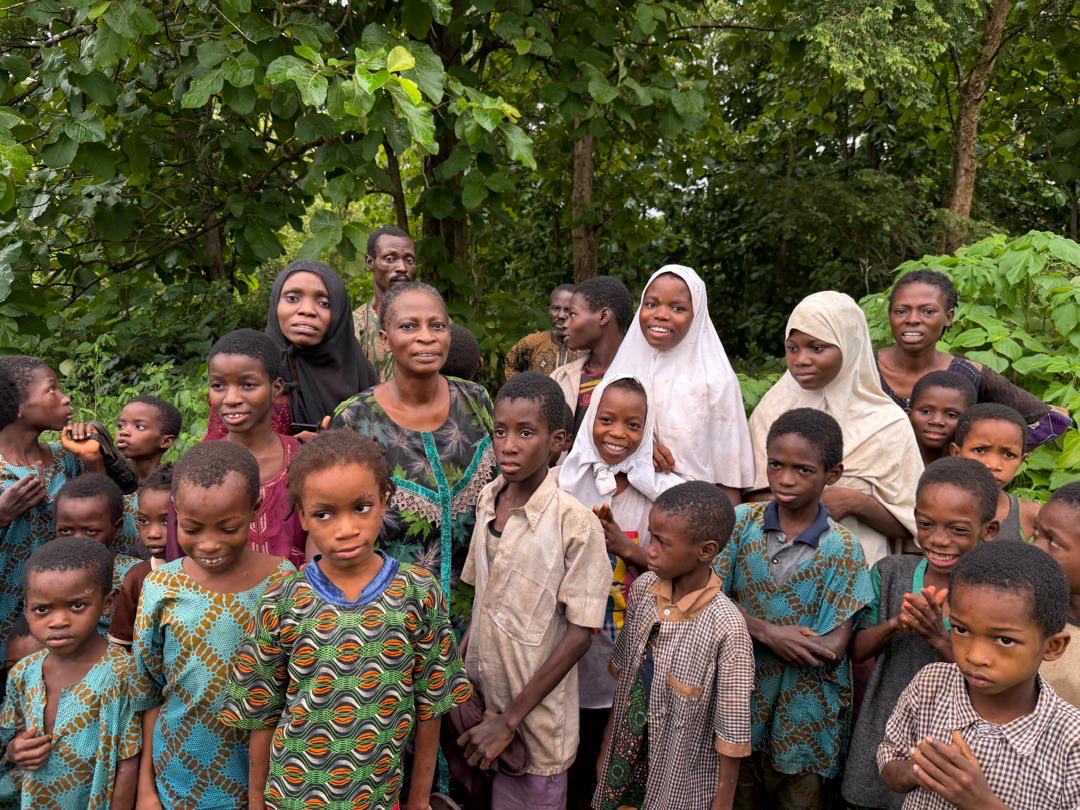
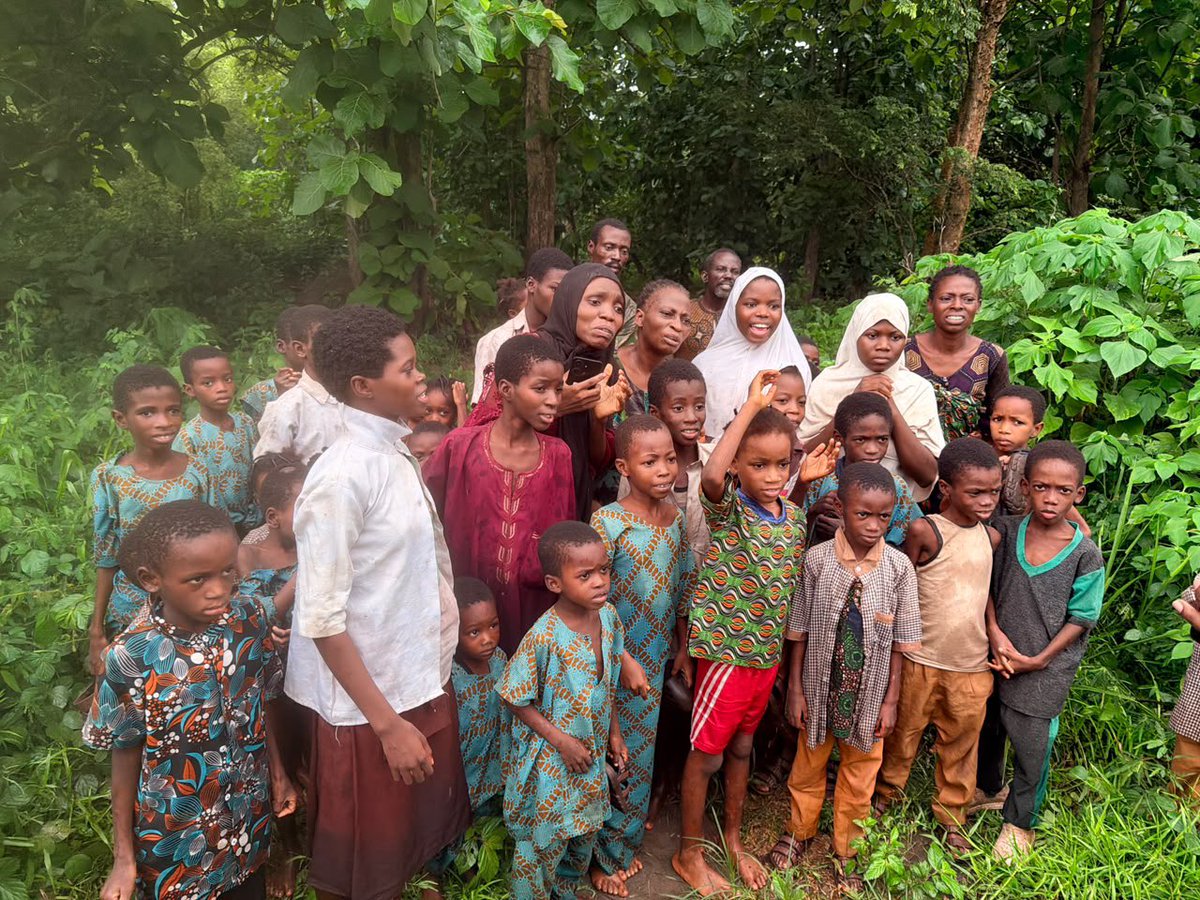
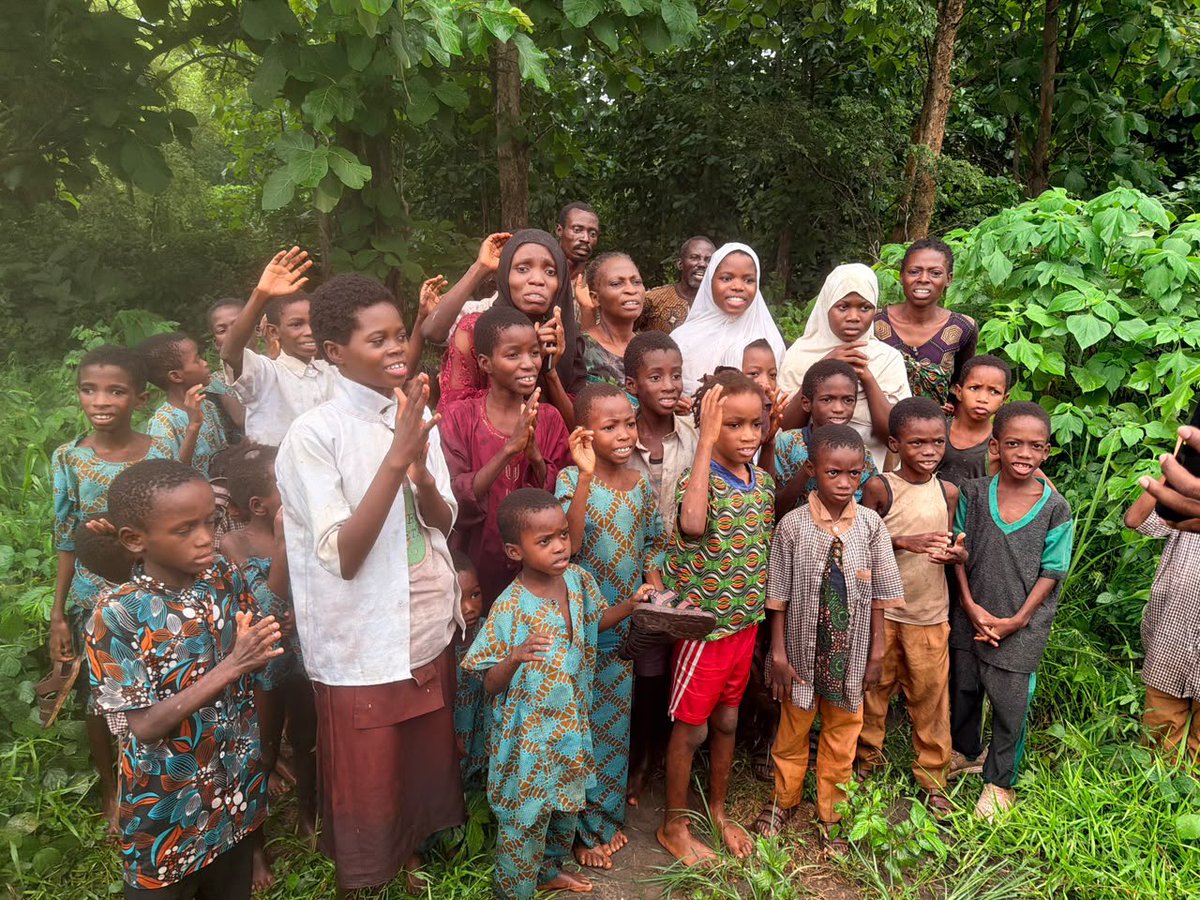
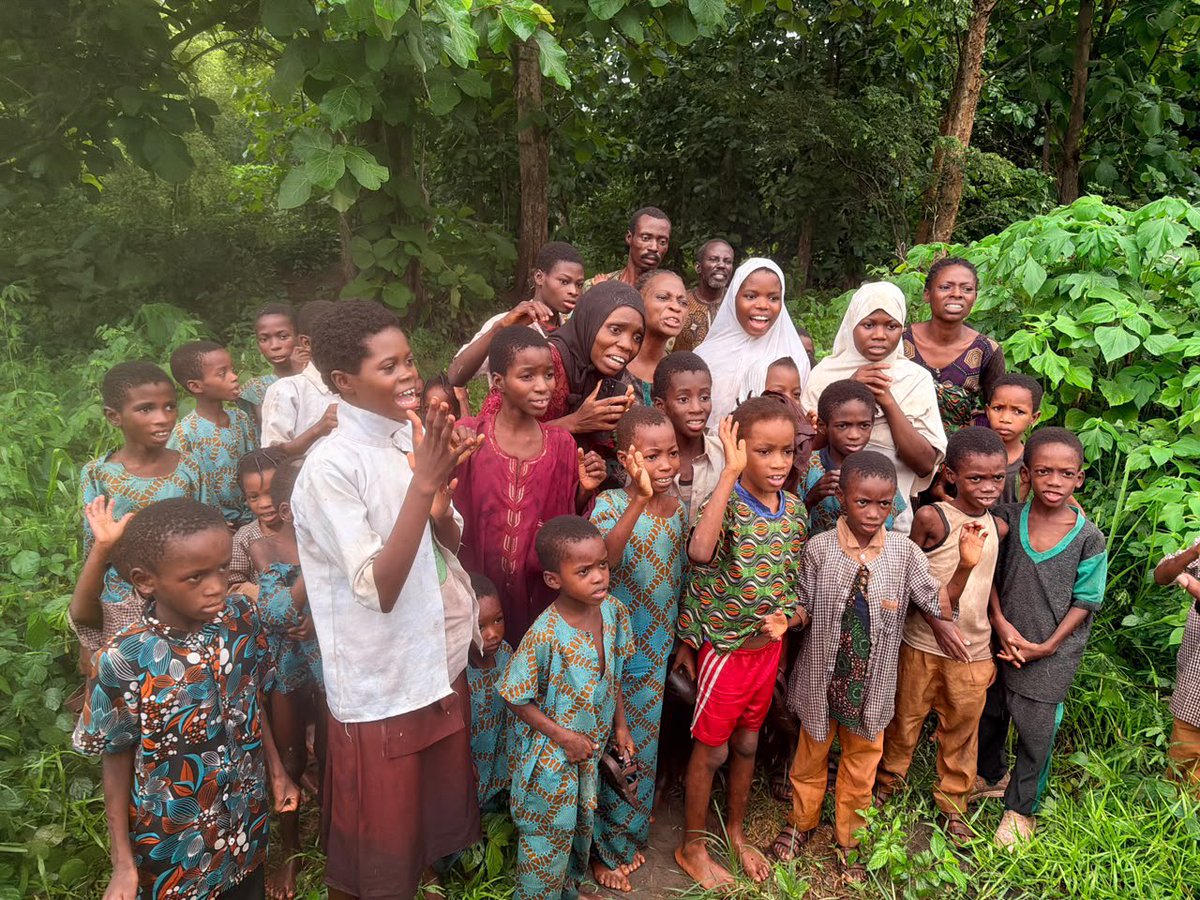
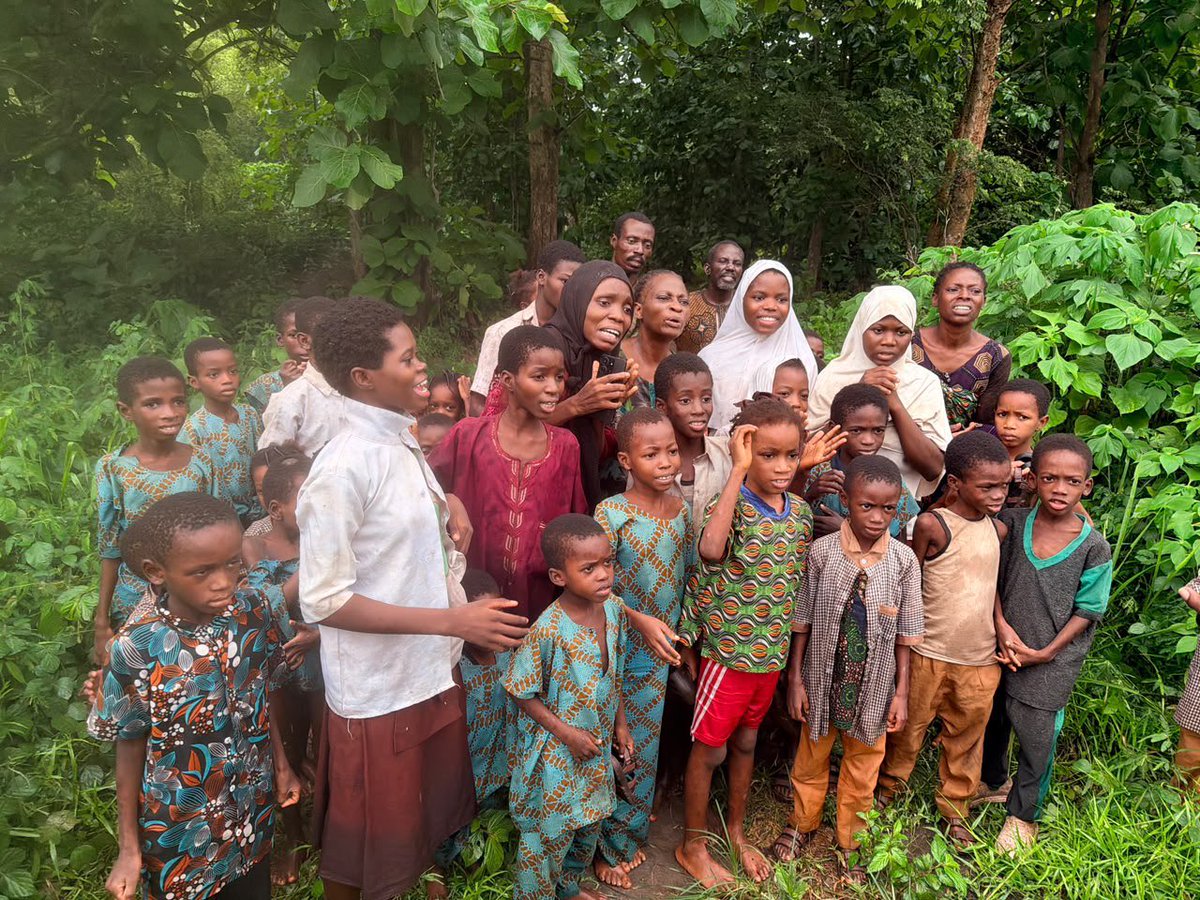
"We know they are alive and they are well... To get them alive is much more important than whatever anybody is saying in the news. But if we hear..."
Presidential Spokesperson, Daniel Bwala responds to a question about the abducted kids and teachers in Oyo State.
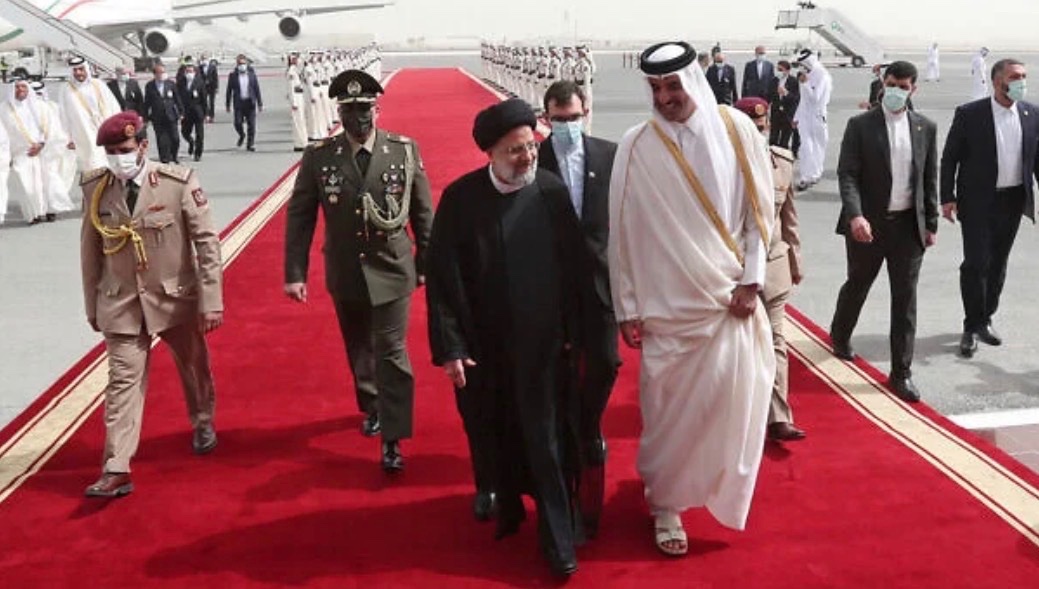
🇶🇦 FOREIGN INTEL ALLEGEDLY SHOWS YEARS OF QATARI SUPPORT FOR IRAN
A foreign intelligence report cited by Israel’s Kan broadcaster claims Qatar has provided Iran with economic and military assistance for years, with cooperation expanding after the U.S. withdrew from the nuclear deal in 2018.
According to the report, Qatar allegedly supplied Iran with dual-use materials used for rocket fuel, drone production, aluminum components, engine parts, and other equipment with potential military applications.
The report also claims trade and energy cooperation between Doha and Tehran grew significantly after 2018, as Qatar faced regional isolation from several Arab states over its support for Islamist groups.
Kan further reports that approximately $6 billion in frozen Iranian funds held in Qatar could become accessible under a new U.S.-Iran agreement. Intelligence assessments cited in the report reportedly warn the funds could strengthen Iran’s regional proxy network rather than support economic development.
Qatar has long hosted Hamas leadership in Doha while simultaneously serving as a mediator in regional conflicts and hosting major U.S. military facilities.