Yikes. An "appreciable number" of patients who are paralyzed for intubation in the ED are aware and able to recall it. What factors might contribute? #EMRACritCare's @tewmiller & @aluc333 summarize the study from Hennepin County.
https://t.co/0IjxYbzjfH
It's time to call #EDcrowding / #accessblock what it is: a large-scale, smoldering disaster.
There's power in a name. Correctly identifying this issue would help enhance awareness & deter complacency.
1/🧵
Despite the spotlight afforded to ED crowding during the COVID-19 pandemic, current mitigation strategies have not yet been approached from the perspective of a large-scale medical disaster
‘VT’ versus ‘SVT with aberrancy’.
The long list of VT "suggestive" ECG features is difficult to recall and apply in real time.
How can we simplify things?
Here is my ABCDE approach – five simple Qs to ask:
🧵👇
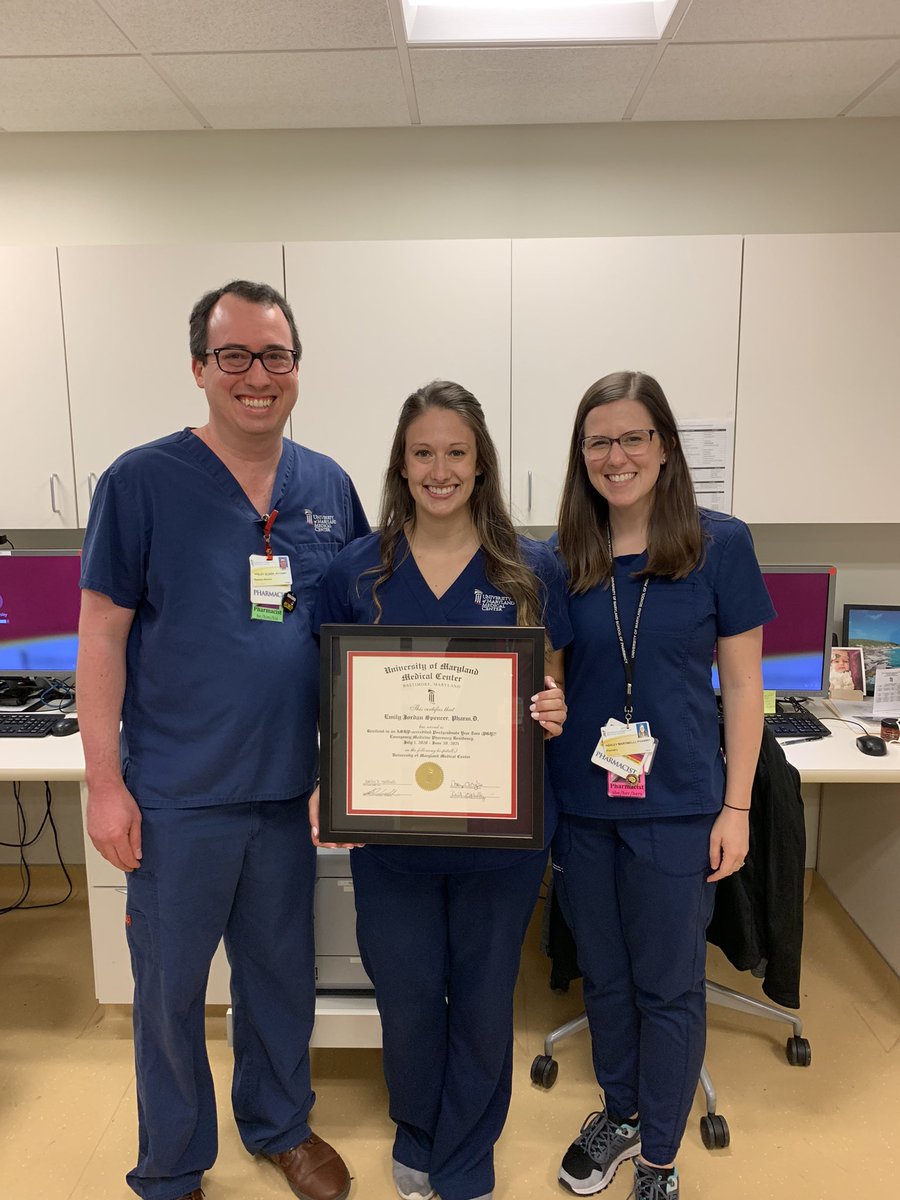
Congratulations @EmilyJSpencer on finishing your PGY2 EM training! 🥳@nationwidekids is lucky to be gaining an amazing pharmacist in August, but @UMEmergencyMed will miss you very much!
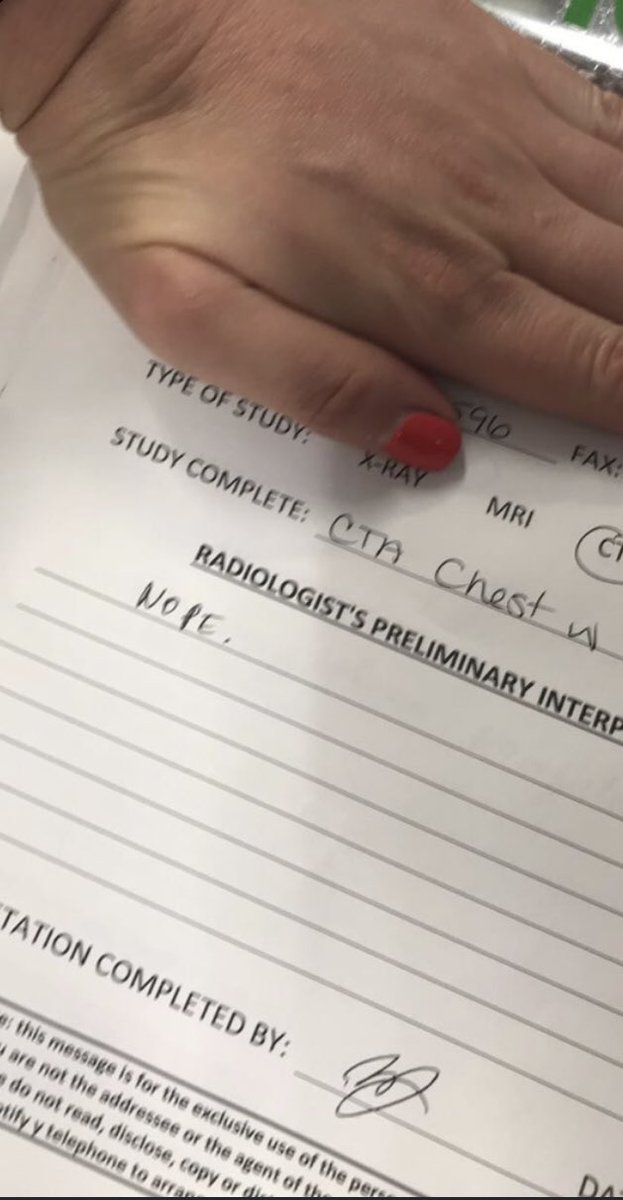
ER was going nuts over this radiologist’s reading that just says “NOPE”. A whole ER full of medically trained professionals took 20+ minutes to realize it actually reads “No PE (pulmonary embolism)”
(Repost)
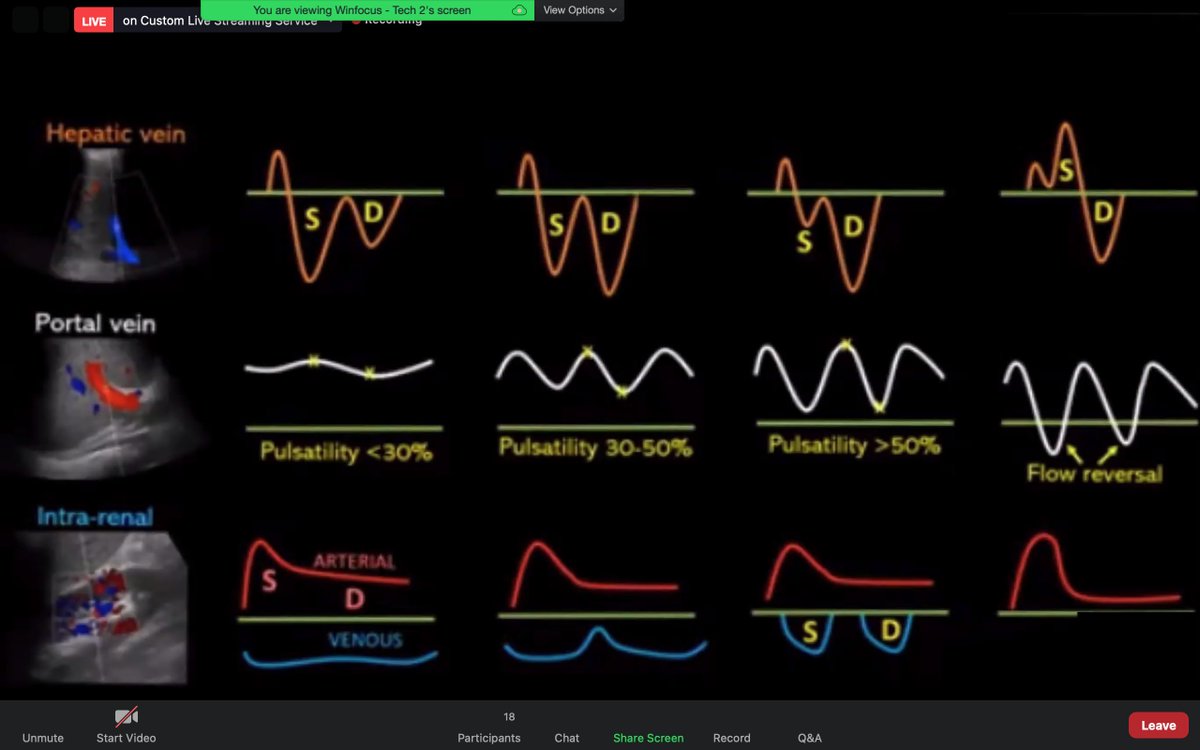
#VEXUS protocol; "main idea in a nutshell; as RA pressure increases, organ congestion increases. This leads to lesser organ perfusion"
@cianmcdermott#PoCUS#FoCUS#WINFOCUS21
Today's topic in palliative care: tube feeds.
In my experience, even families who are ready to focus on keeping their loved one comfortable have a hard time with the idea of no nutrition.
My attending today said he used to hope it just wouldn't come up, but it always did.
@txhealthplans Pay us some money every year when you’re healthy, and then if you get sick we’ll tell your doctor that it’s too expensive to take care of you.