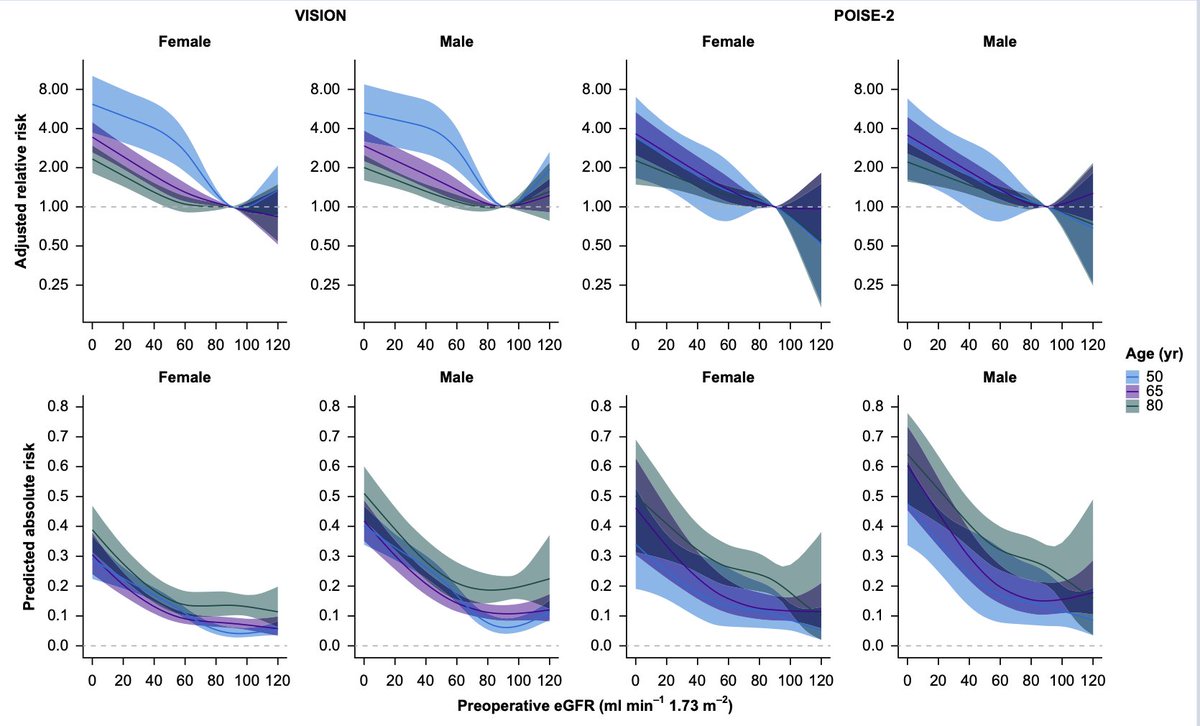
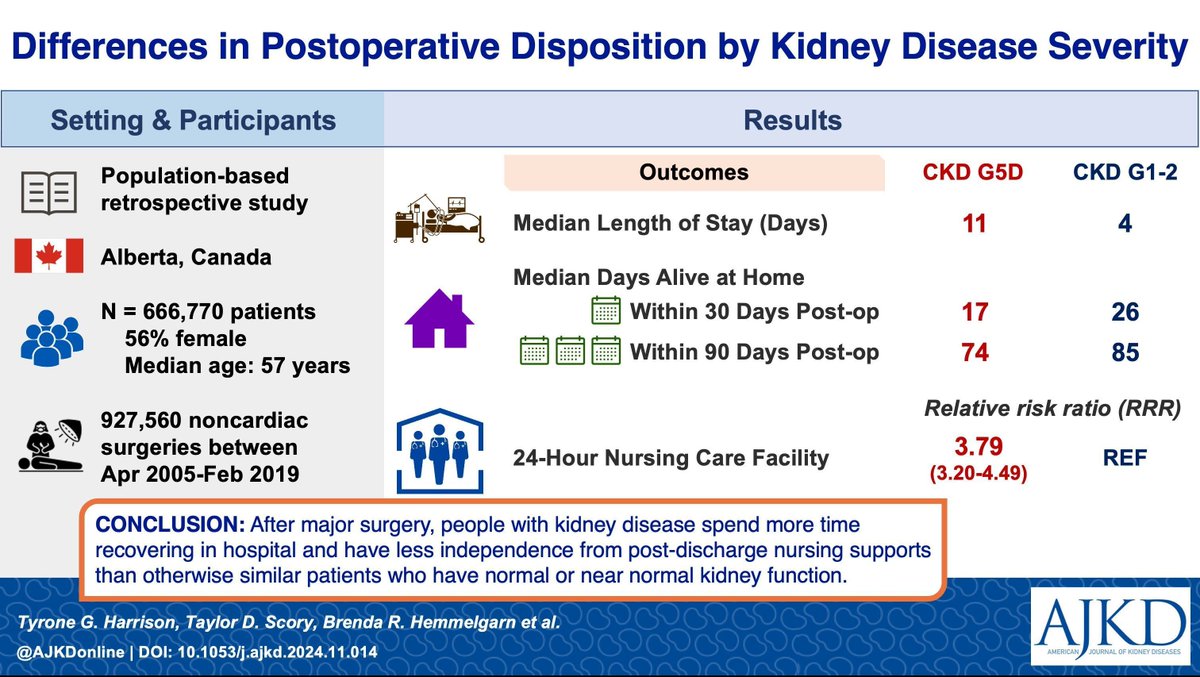
Development and Evaluation of Machine Learning Models to Predict the Risk of Major Cardiac Events and Death for People With Kidney Failure Having Non-Cardiac Surgery
https://t.co/0NoSDq8Yj6
@tharrisonmd
The EQUIP Re-CKD project, led by Dr. Meghan Elliott (@CalDomMed), explores health inequities in CKD re-hospitalization—nearly 5x higher than average—and aims to develop personalized care to improve outcomes. Learn more 👇
https://t.co/CYgxL63bfD
@tharrisonmd
Study shows current kidney failure registries may miss up to 2/3 of incident failure cases, misjudge onset timing, & under-represent older adults & women. Expanding data collection with eGFR could boost early detection, equity in care, & better outcomes
👇
https://t.co/w4vKl8TmNI
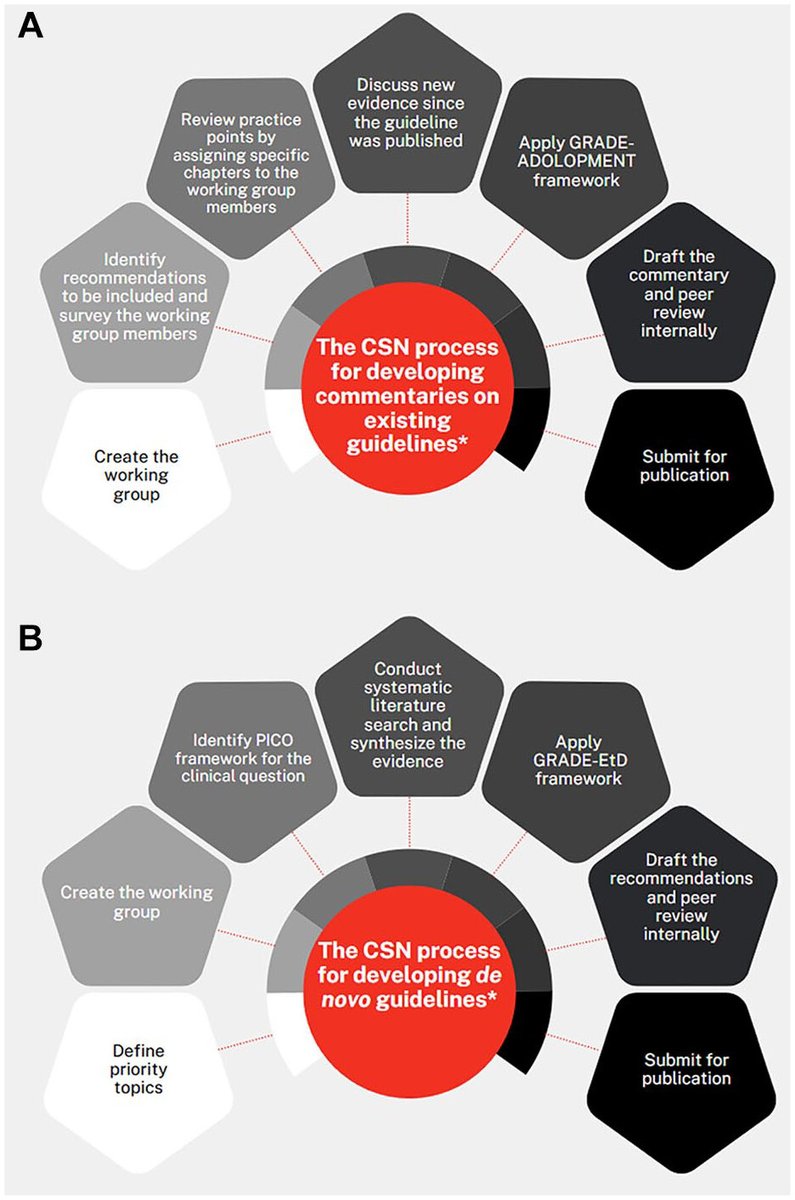
New update from the CSN! We’ve refined how we adapt international guidelines for Canadian practice. Practical, patient-centered, and made for Canada. #nephrology#guidelines@CSNSCN@CanJKHD
https://t.co/Xc0DNvfSWR
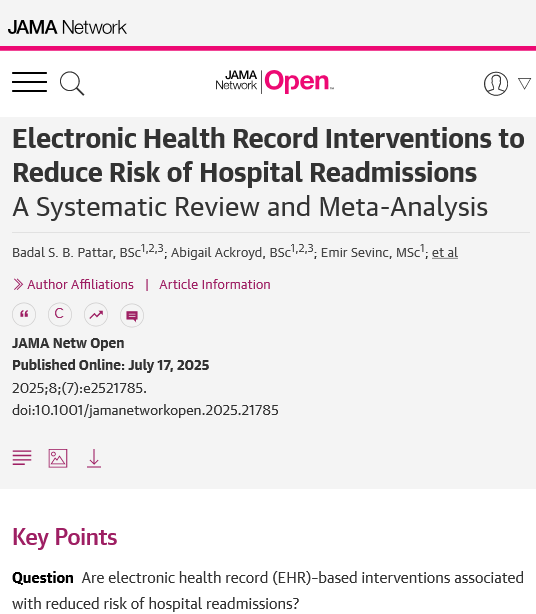
Electronic health record (EHR)-based interventions were associated with a 17% reduction in 30-day all-cause hospital readmissions and a 28% reduction in 90-day readmissions. https://t.co/eTrnjQ7e2G @BrandonPattar@ICDC_Research
New meta-analysis of 116 RCTs (+200K patients) found interventions using EHRs can help reduce hospital readmissions (17% fewer in 30 days, and 28% in 90 days).
EHRs have the potential to improve patient & health system outcomes but more research is needed
https://t.co/ZCMi6mpK8O
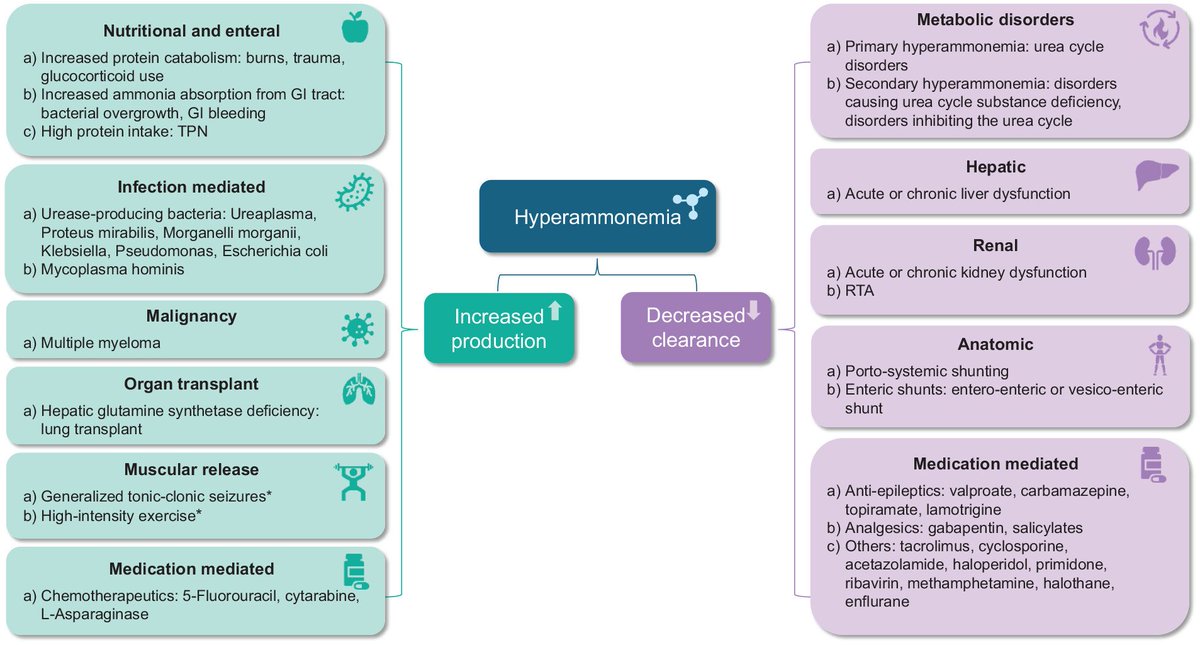
#Hemodialysis in patients with hyperammonemia can mask underlying causes. A case of recurrent hyperammonemia revealed a portosystemic shunt as the culprit. Consider anatomical shunts in the differential of hyperammonia. @UCalgaryMed@CSNSCN@CanJKHD
https://t.co/nnvzypyNvL
Dr. Sandra Dumanski, MD, is turning research into inspiration at The HeART of Women’s Health, a CIHR-funded art + science event exploring women’s cardiovascular health.
🗓️Sun, May 25 | 🕐 1–4 p.m.
📍cSPACE Marda Loop
See how science speaks through art.
https://t.co/TBKMxK7vPM
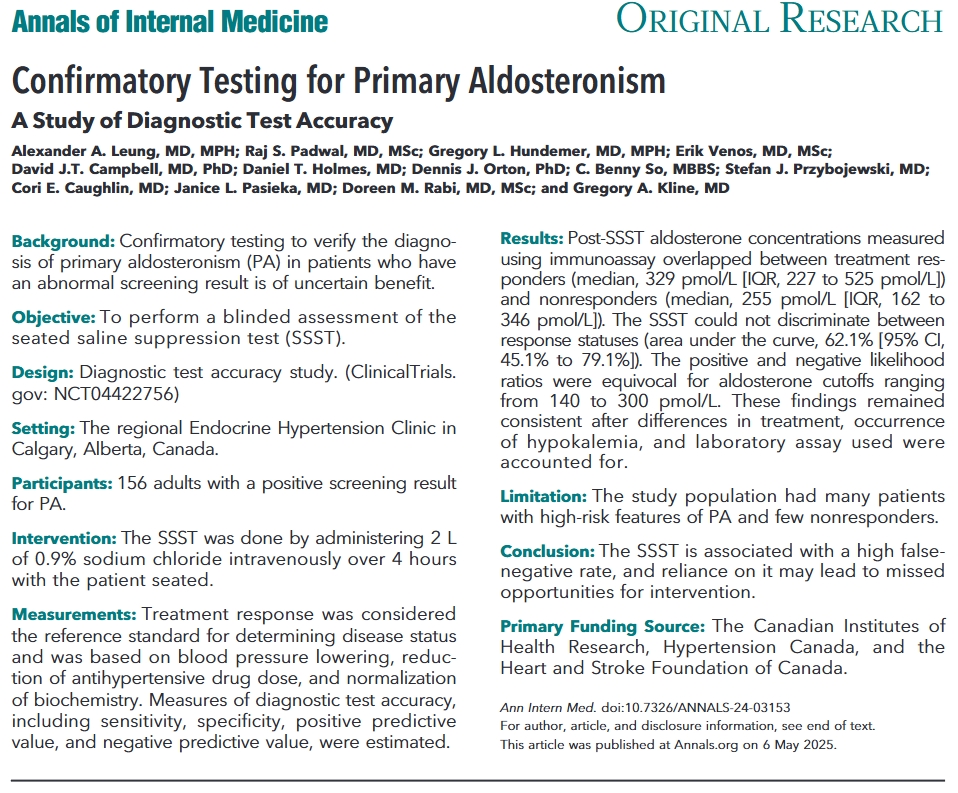
Findings from a new study suggest a significant paradigm shift in the field of hypertension. Researchers from @UCalgaryMed say confirmatory testing for primary aldosteronism, a common cause of #hypertension, often misinforms care and should be removed from the diagnostic care pathway. https://t.co/kz9mmOka3P
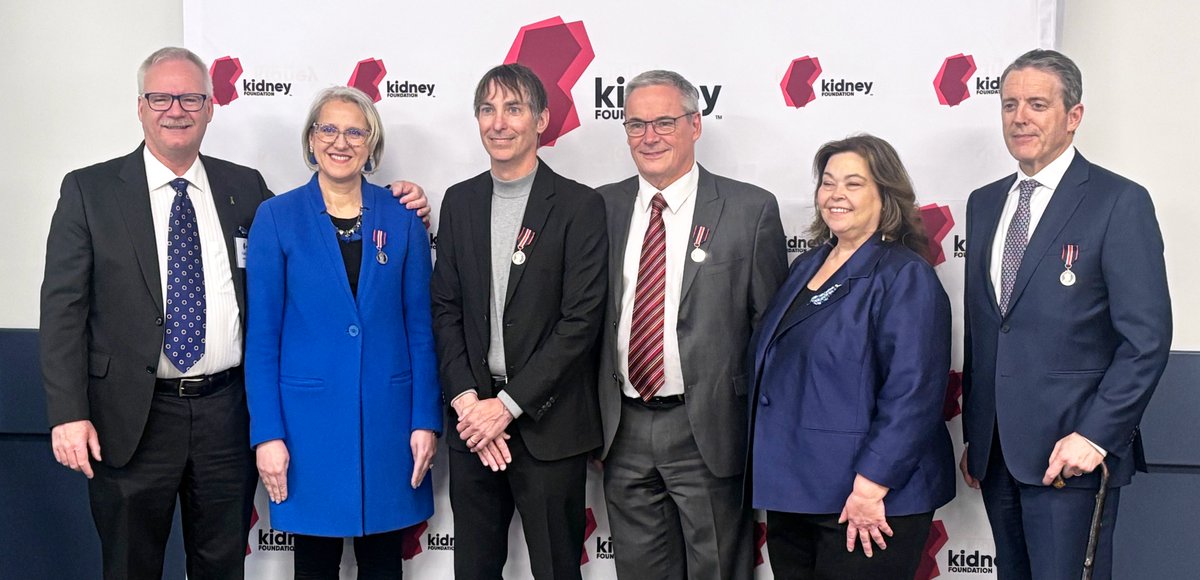
On Monday evening, we celebrated four exceptional individuals as they received the King Charles III Coronation Medal in Calgary.
Congratulations to Dr. Sandra Davidson, Dr. Marcello Tonelli, Dr. Julian Midgley, and Dr. Braden Manns!
Thank you, Kidney Foundation, for the event!
Dr. Ayodele Odutayo is one of the first REDI researchers to transition to a full-time faculty position. He’s gone from one of the few Black med students in his class to a full-time clinician-scientist and nephrologist.
https://t.co/B4RnN3otzC
#BHM2025
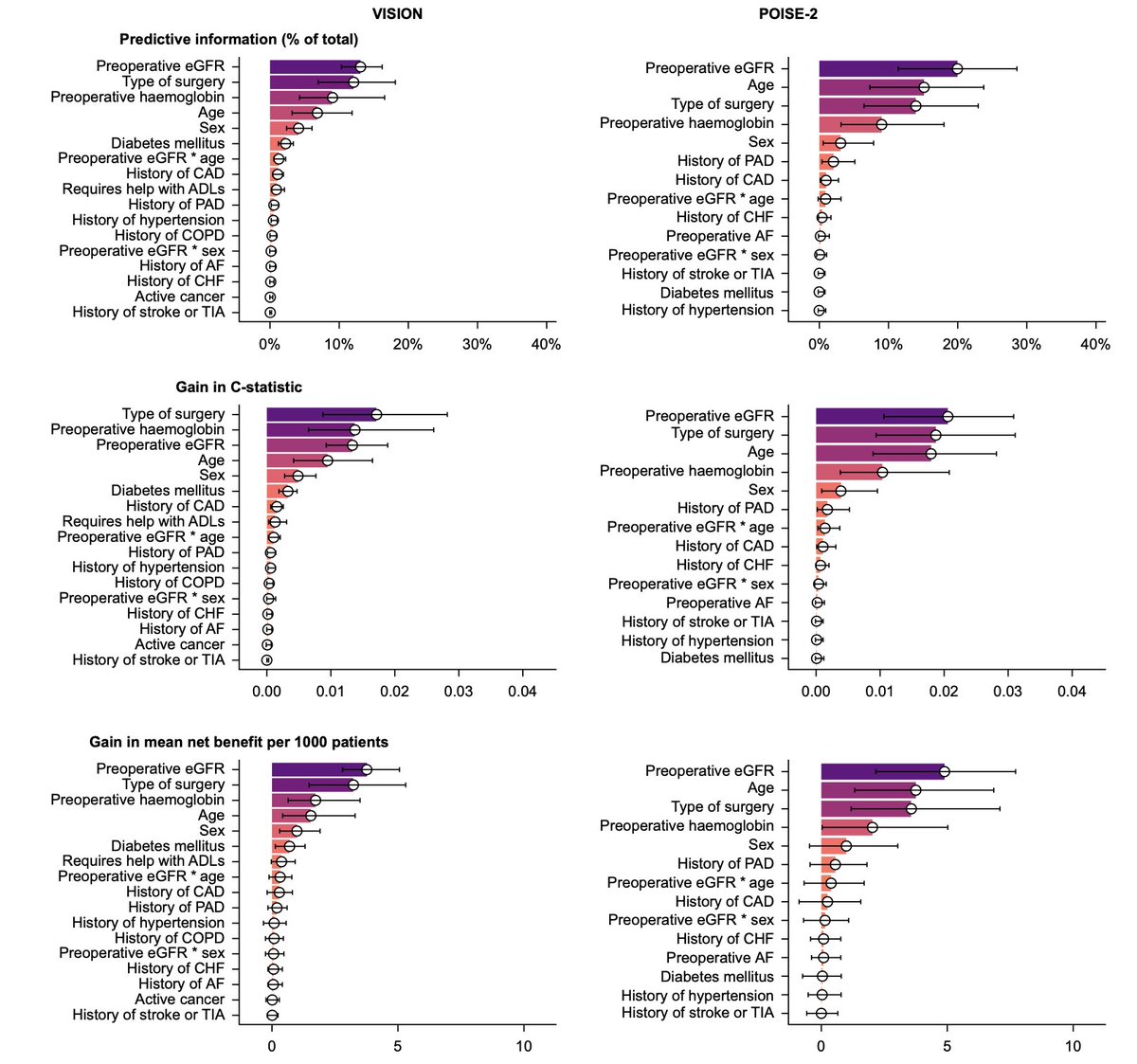
Landmark analysis of 2 prospective studies (N=45K) reveals preoperative kidney function as a dominant predictor of cardiac complications in non-cardiac surgery. eGFR contributes the most predictive information - far exceeding established risk factors like coronary artery disease, diabetes, and previous stroke. A 50-year-old with eGFR of 30 approximates the cardiac risk of an 80-year-old with eGFR of 90. These findings challenge current risk calculators that rely on binary kidney function thresholds of serum creatinine.
Full paper: https://t.co/MwZyFPsnQ9
Editorial: https://t.co/EhJ9EWQT14
A new systematic review in @JAMANetworkOpen has summarized 50 different mortality risk prediction models for people with kidney failure. They were at high risk of bias with applicability concerns and new models are needed to inform treatment decisions.
https://t.co/qVSV42LRdE
Congratulations to Dr. Sofia Ahmed (@SofiaAhmedMD) and her team for being awarded a @CIHR_IRSC National Women's Health Research Initiative Operating Grant for their project, "Hormonal route of administration and cardiorenal health."
These grants support research into perinatal health in remote and Indigenous communities and cardiorenal health.