I had a productive engagement with Alain Thierry Mbpngué, Ag. Regional COO and Head of Mission at Afreximbank, during ACL’s Afri-Caribbean Summit. This will strengthen our efforts to expand youth empowerment and create greater opportunities through small-scale enterprise.
“A voice is heard in Ramah, mourning and great weeping, Rachel weeping for her children and refusing to be comforted, because they are no more.” Jeremiah 31:15
If I could wish for one thing today, it would be that we learn to grieve together again.
To Nigeria, may we stop turning our differences into reasons to hate, and learn to see one another as human before tribe, faith, politics or side.
And to the world, may we become wise enough to mourn every innocent life without first asking who they belonged to.
Some tragedies should not make us choose sides. They should make us choose humanity.
May Nigeria heal. May the world heal. May our hearts remain soft enough to recognise each other’s grief.
That is my “Today’s wish.
Your beloved presidential candidate cannot fix Nigeria alone.
Today, 19 August 2026, the road to 2027 begins. Once again, we will search for the candidate who can “fix Nigeria.”
But isn’t Nigeria too complex to be fixed by one person, policy, or administration?… because governance depends on strong institutions, competent people, security, the economy, accountability, the rule of law, and the willingness of citizens to do their part.
The very uncomfortable truth is that we are part of the problem.
Our leaders are not aliens. They are Nigerians. They come from the same society as us. Our culture of cutting corners, cheating the system, bending rules, demanding “our share” regardless of who it hurts, and using connections to get ahead is part of why corruption remains so deeply rooted.
Put the average Nigerian in power and there is no guarantee things would change. They could even get worse.
Fixing Nigeria will take time, discipline, strong institutions, competent leadership and most importantly, citizens willing to change alongside their government.
The presidency must stop feeling like a jackpot and start feeling like the enormous burden of responsibility it truly is.
Elections must not be do-or-die contests.
Perhaps, then, the deepest question of 2027 is not who can save Nigeria, but what kind of Nigeria are we willing to build? Because the country we long for cannot be created by leaders alone. It must be reflected in our institutions, our choices, our values and, ultimately, in ourselves.
The Nigeria we want may demand a version of us we have not yet become.
On this Nelson Mandela International Day, we honor a life devoted to freedom, justice, equality, and the enduring power of reconciliation.
Madiba reminded the world that lasting change begins with the courage to act, the humility to serve, and the conviction to stand for what is right.
As we reflect on his extraordinary legacy, may we each choose to be the change we seek, building societies where dignity, compassion, and opportunity are shared by all. #MandelaDay
Everyone wants a better Nigeria but are we ready for what a better Nigeria actually looks like?
It means you can’t "sort" your way to a better grade. It means your father's influence can't get you the job over someone more qualified, you’d wait in line like everyone else, the police won't overlook your offence because you "know someone."
The Nigeria we dream of will be less convenient before it becomes more prosperous. Real change is uncomfortable because it begins by taking away the privileges that made the old system comfortable.
The truth is simple:
Nigeria is not "them."
Nigeria is you.
The perfect Nigeria is every bribe You refuse, every queue You respect, every honest day's work, every act of integrity.
That is nation-building.
This July, don't just pray for Nigeria to change.
Become the Nigeria you are praying for.
Happy New Month, Nigeria. 🇳🇬
#NewMonth #Nigeria
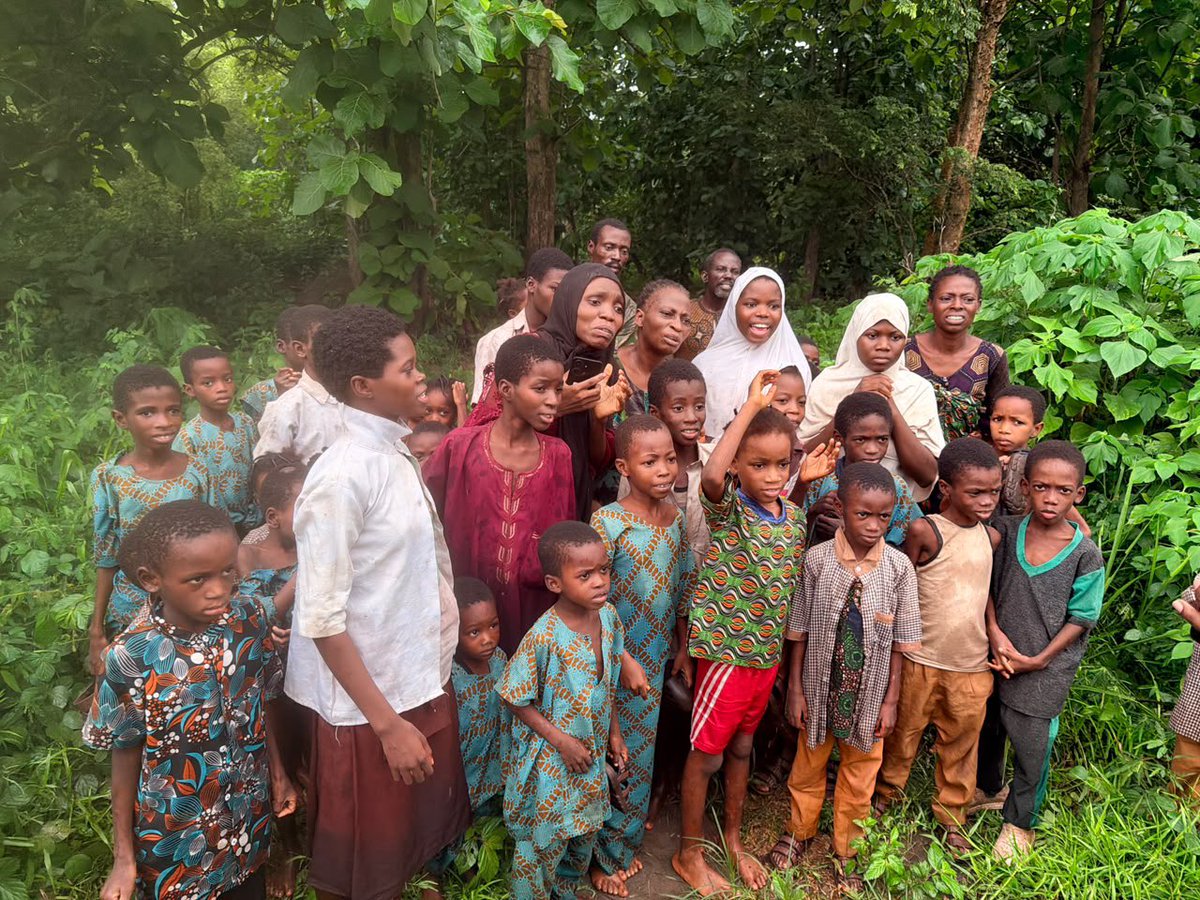
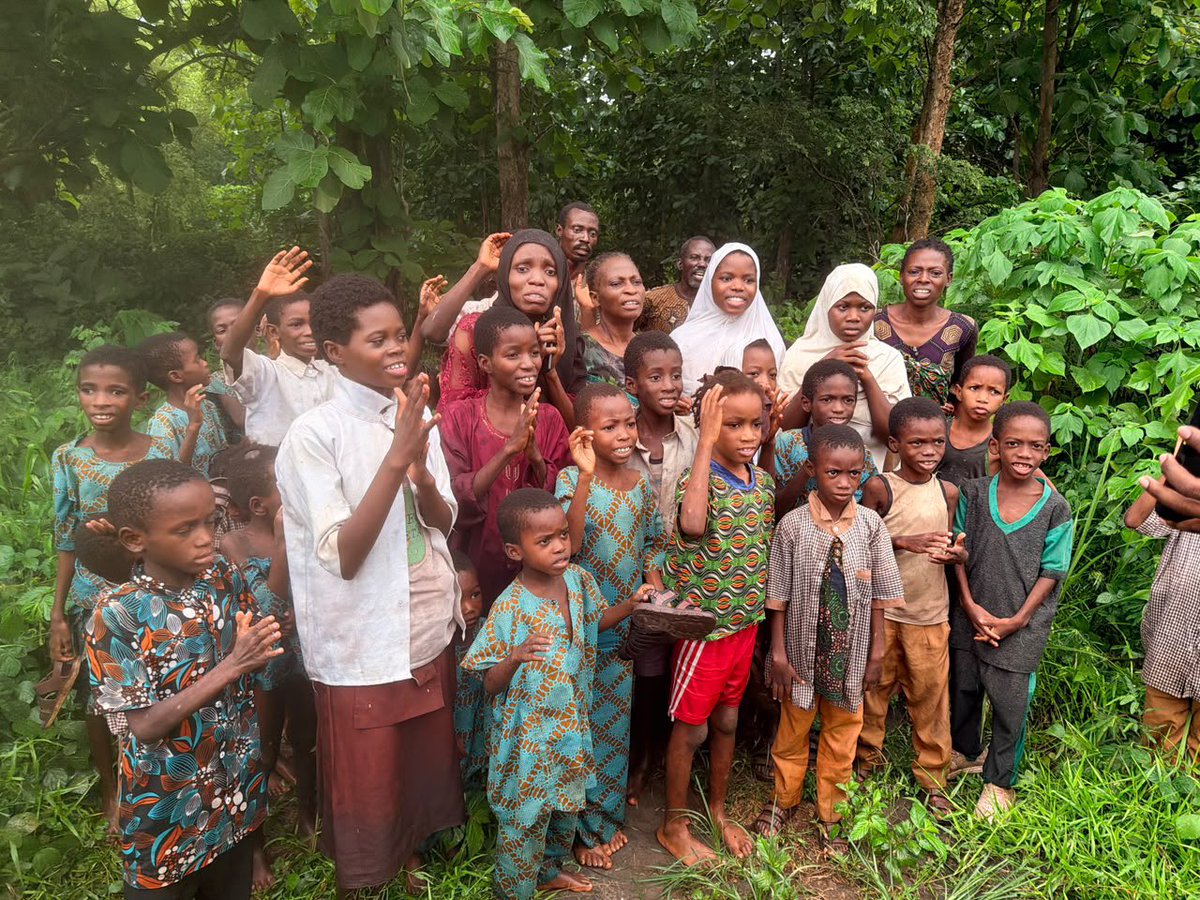
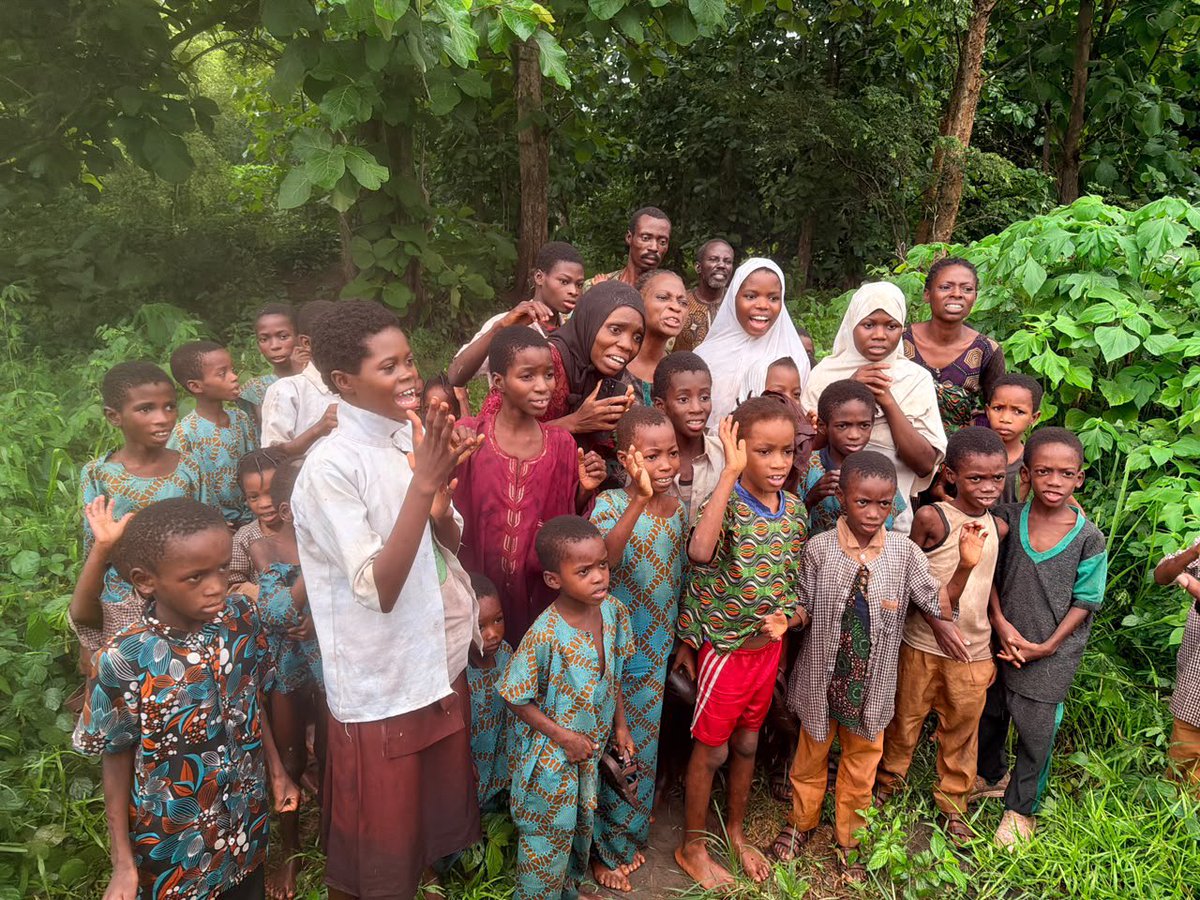
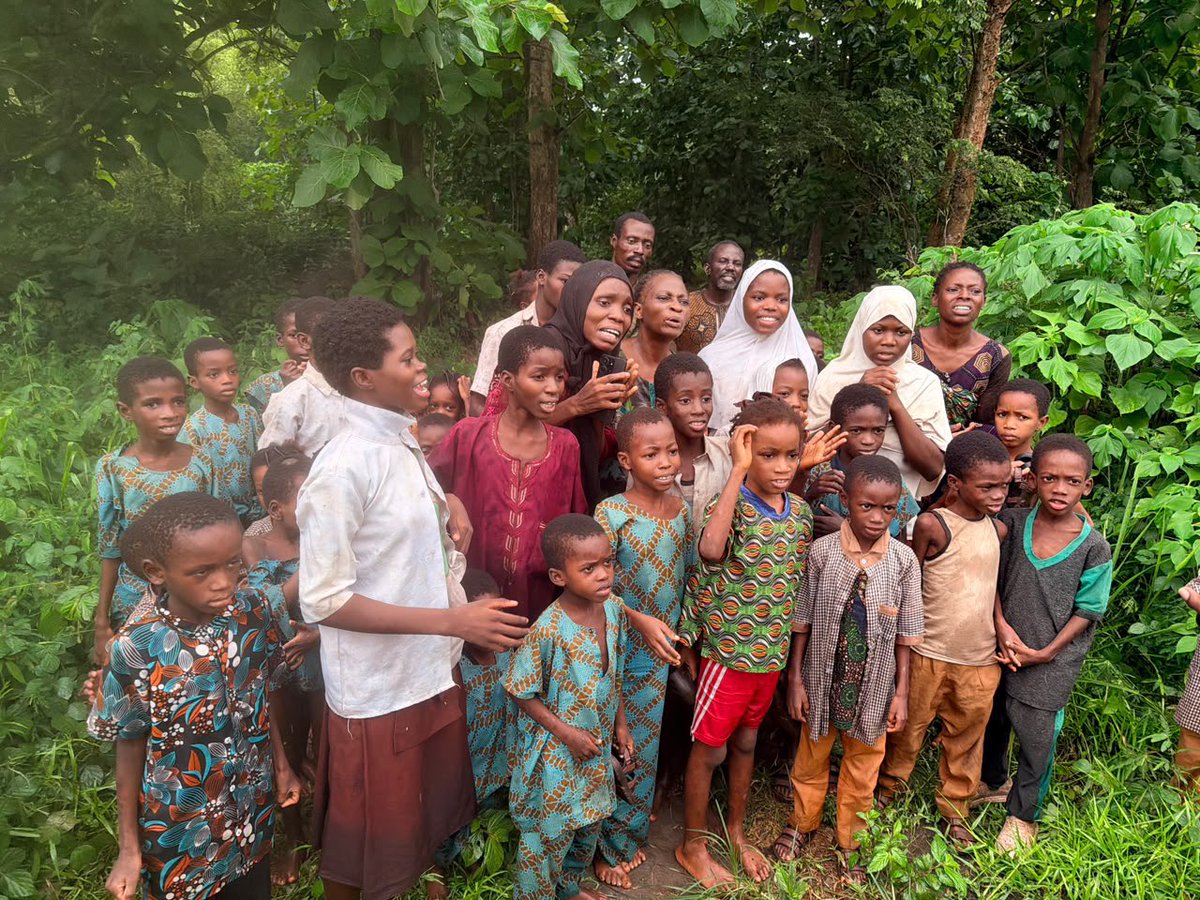
Congratulations to His Excellency, President Bola Ahmed Tinubu, on the safe release of the abducted children and teachers from Onire, Ogbomoso, Oyo State.
This reassuring outcome brings renewed hope to the affected families and the nation. It underscores the importance of sustained commitment to the protection of lives, the security of our schools, and the pursuit of lasting peace across Nigeria.
May this progress inspire continued efforts toward a safer and more secure nation for all.