The mentoring program for female early career researchers and students kicked off its second round at @cfaed_TUD. SECAI backs the initiative with five tandems, where three of our female doctoral students serve as mentors.
Read more here: https://t.co/HiDc20W1oz
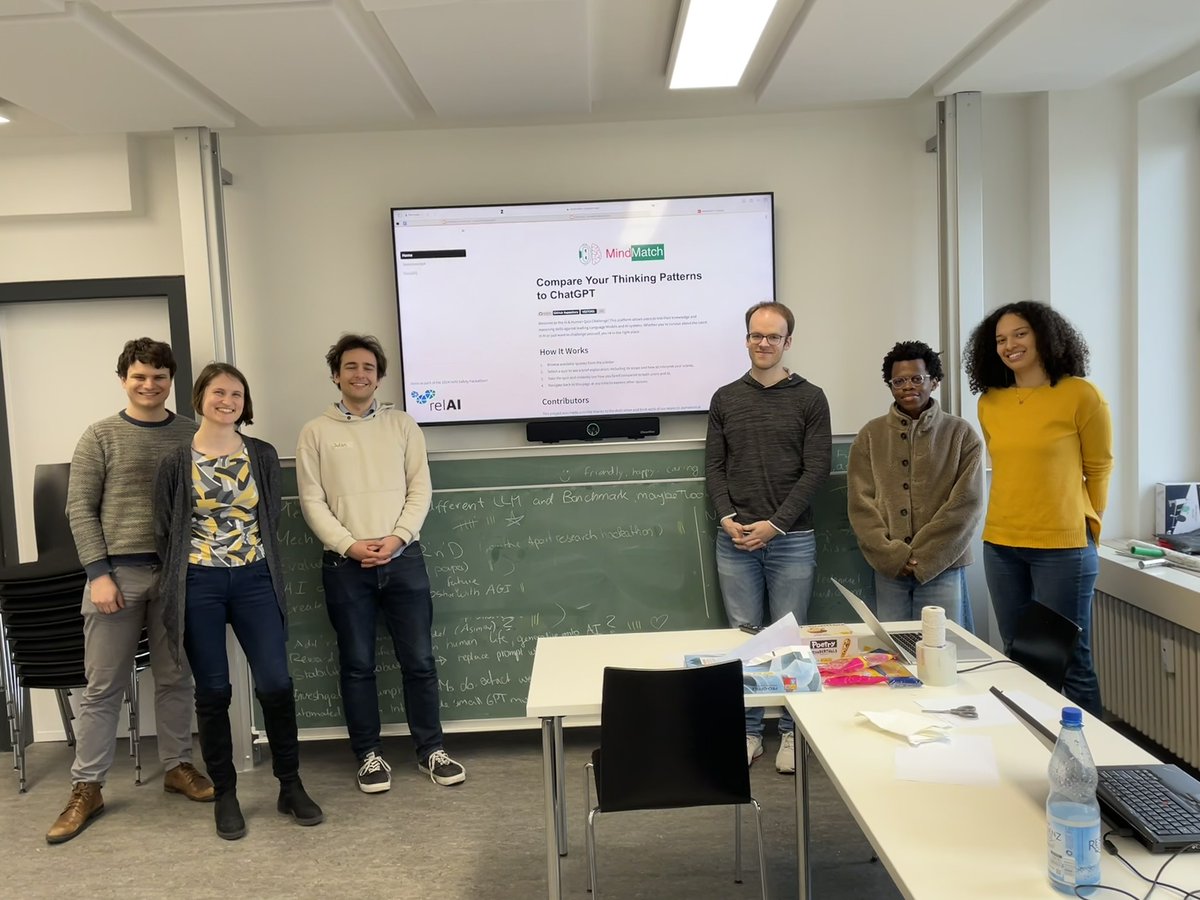
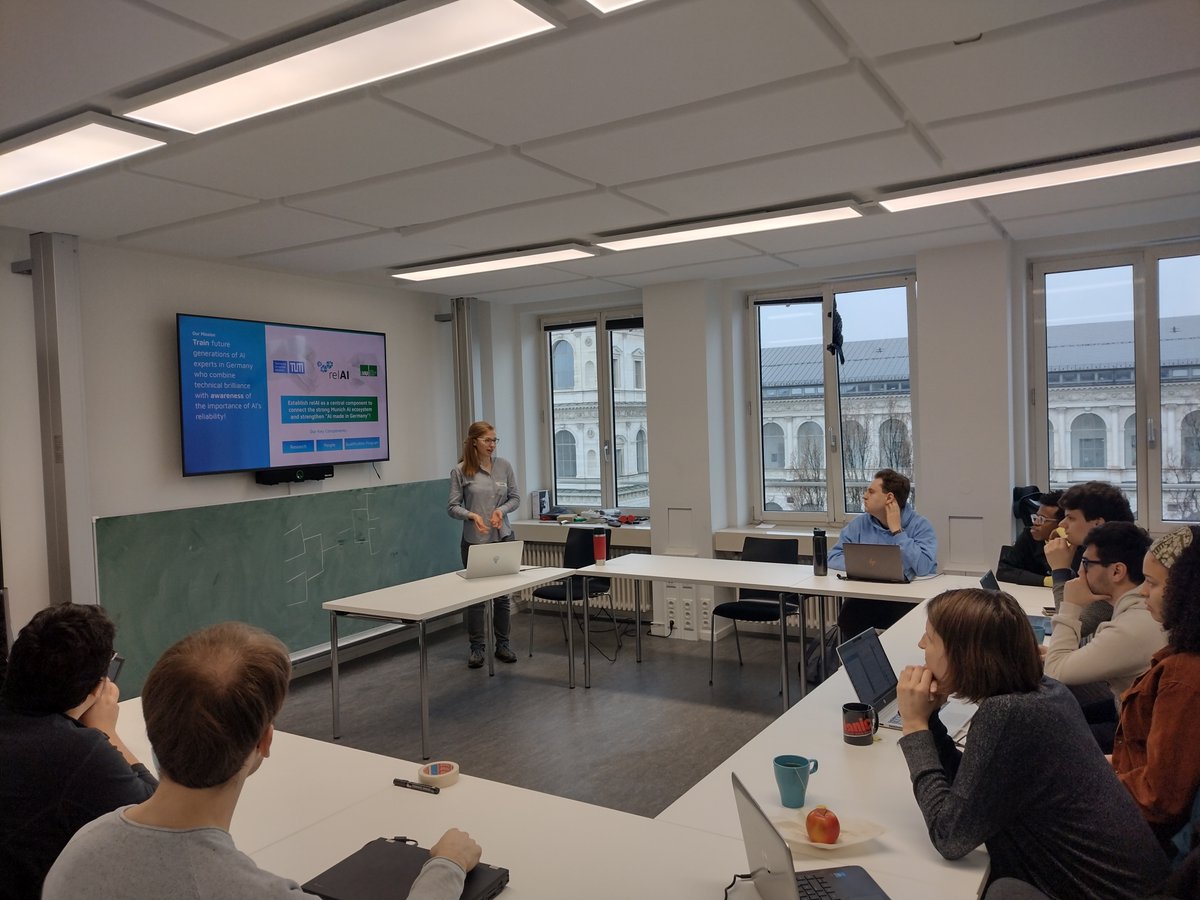
The first relAI Safety hackathon last weekend was a great success. On two intense days, participants delved into engaging practical projects in AI Safety, ranging from robust prompting to estimating emotional intelligence and bias of LLMs. @GittaKutyniok@guennemann
Congratulations, Linda. Well done. Thank you for your time in the @mars_group_haw. We wish you all the best for your future career @inf_haw_hh @HAW_Hamburg
Congratulations to Linda Petutschnig, PhD candidate of GEOHUM, who successfully defended her thesis. We want to thank the CDG and #MSFaustria for supporting this PhD. And a big thanks to Linda for the great work, we wish her all the best for the future!
10 open-source tools for LLM applications development
Development Frameworks and Platforms
1. LangChain (@langchain): An open-source framework designed for developing applications powered by language models.
2. LLMStack: An open-source platform for building AI apps, chatbots, and agents using proprietary data.
3. Chainlit (@chainlit_io): An open-source Python package designed to expedite the creation of ChatGPT-like applications incorporating business logic and data.
4. Superagent: An open-source framework complemented by a cloud platform for easy deployment of ChatGPT-like AI Assistants without infrastructure concerns.
5. Helicone (@helicone_ai): An open-source framework specifically for querying GPT models effectively.
Data Management and Integration
1. LLamaIndex (@llama_index): An open-source data framework tailored for LLM-based applications, enabling ingestion, structuring, and access to private or domain-specific data.
2. Weaviate (@weaviate_io): An open-source vector database that uniquely combines object and vector storage, offering vector search and structured filtering in a cloud-native database.
3. Semantic Kernel (@MSFTResearch): A lightweight, open-source SDK that facilitates the integration of AI Large Language Models with conventional programming languages.
User Interface and Interaction
1. Hugging Face (@huggingface) Gradio (@Gradio): Open-source tool for rapidly building user interfaces for machine learning models.
2. FlowiseAI (@FlowiseAI): An open-source UI visual tool for constructing customized LLM flows with LangchainJS, developed in Node.
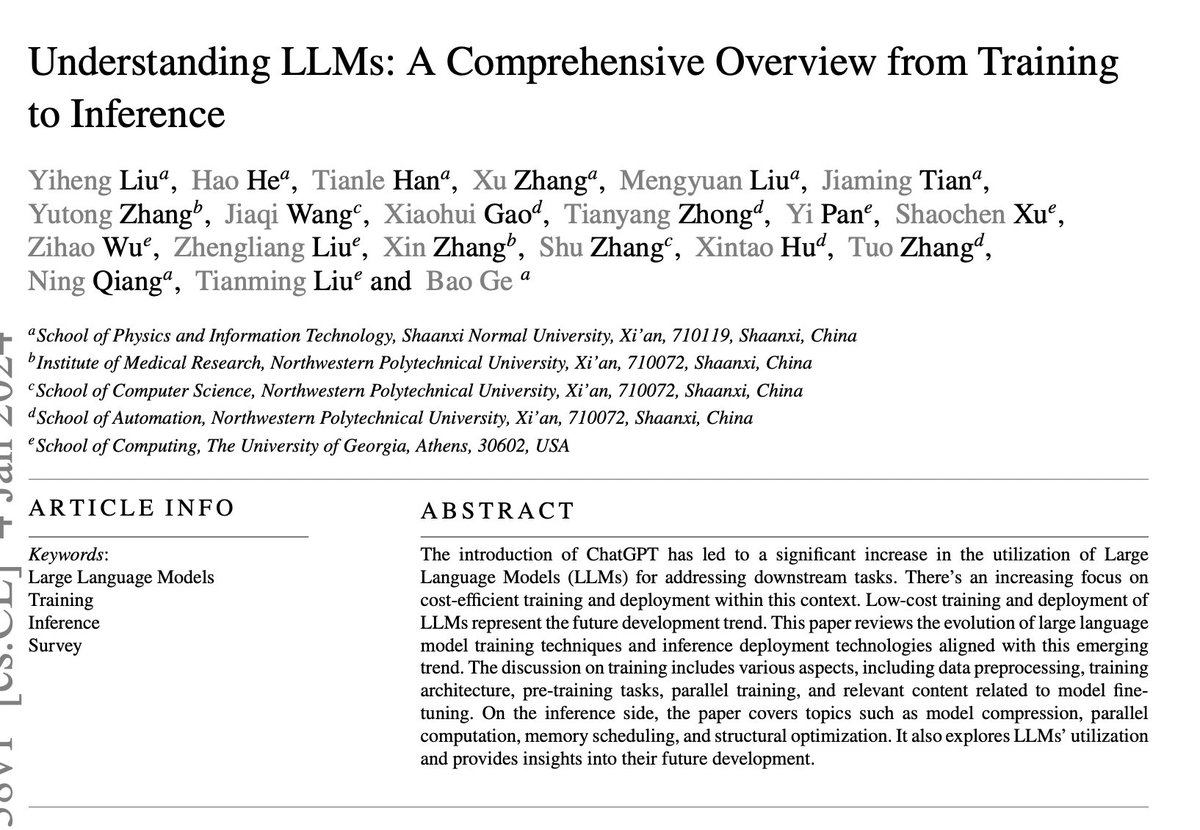
Understanding LLMs: A Comprehensive Overview from Training to Inference
paper page: https://t.co/CGNmAaAVMa
The introduction of ChatGPT has led to a significant increase in the utilization of Large Language Models (LLMs) for addressing downstream tasks. There's an increasing focus on cost-efficient training and deployment within this context. Low-cost training and deployment of LLMs represent the future development trend. This paper reviews the evolution of large language model training techniques and inference deployment technologies aligned with this emerging trend. The discussion on training includes various aspects, including data preprocessing, training architecture, pre-training tasks, parallel training, and relevant content related to model fine-tuning. On the inference side, the paper covers topics such as model compression, parallel computation, memory scheduling, and structural optimization. It also explores LLMs' utilization and provides insights into their future development.
Top ML Papers of the Week (Sep 11 - Sep 17):
- ChatDev
- Radiology-Llama2
- Robot Parkour Learning
- Textbooks Are All You Need
- A Survey of Hallucination in LLMs
- The Rise and Potential of LLM Based Agents
...
Kurze Frage an die #Arbeitszeiterfassung@UniFreiburg: gestern zw. 23:05 und 23:10 Uhr hatte ich beim Zähneputzen eine Idee, wie ich eine argumentative Lücke in einem Artikel schließen kann. Ist das reine Arbeitszeit oder muss ich einen Abschlag fürs "private" Zähneputzen machen?
Hi #EconTwitter!
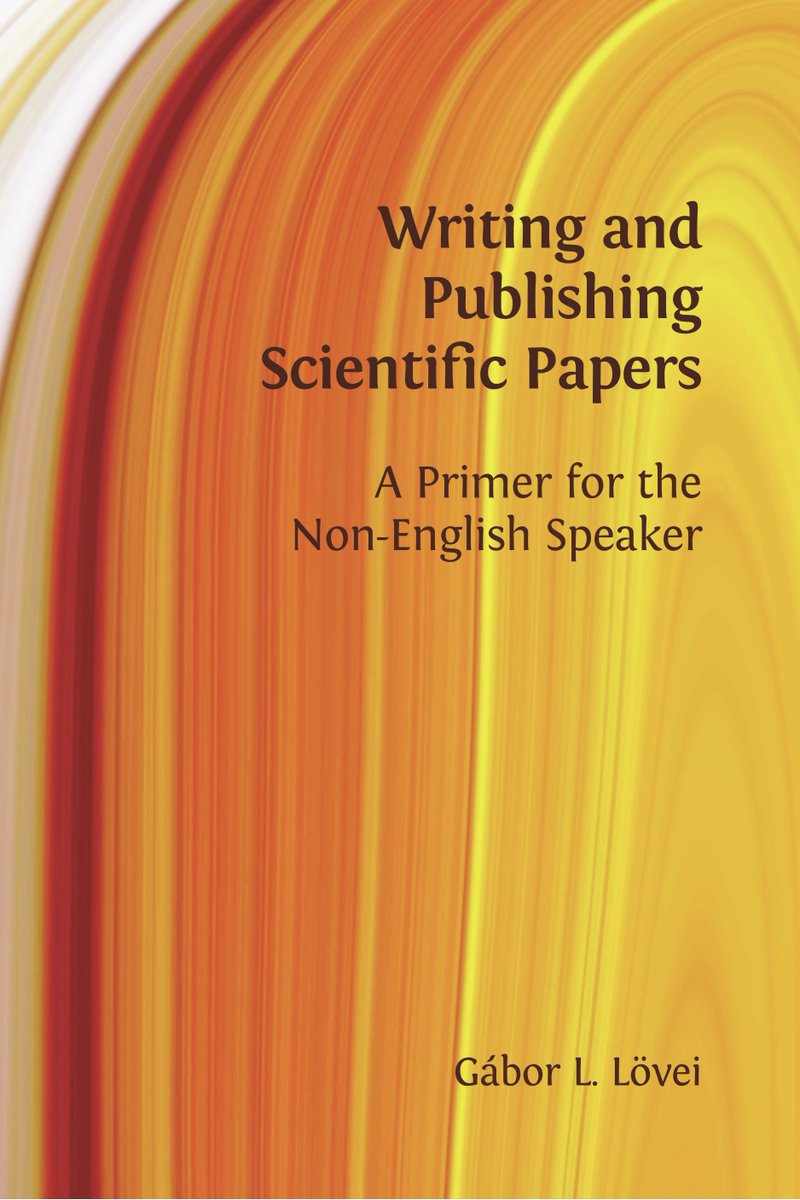
For non-English mother tongues:
Here's a useful free book by Gábor Lövei (@AarhusUni_int) with a lot of good advice on 𝐡𝐨𝐰 𝐭𝐨 𝐰𝐫𝐢𝐭𝐞 𝐚 𝐬𝐜𝐢𝐞𝐧𝐭𝐢𝐟𝐢𝐜 𝐚𝐫𝐭𝐢𝐜𝐥𝐞 𝐢𝐧 proper 𝐄𝐧𝐠𝐥𝐢𝐬𝐡.
Check it out! 👇👇👇
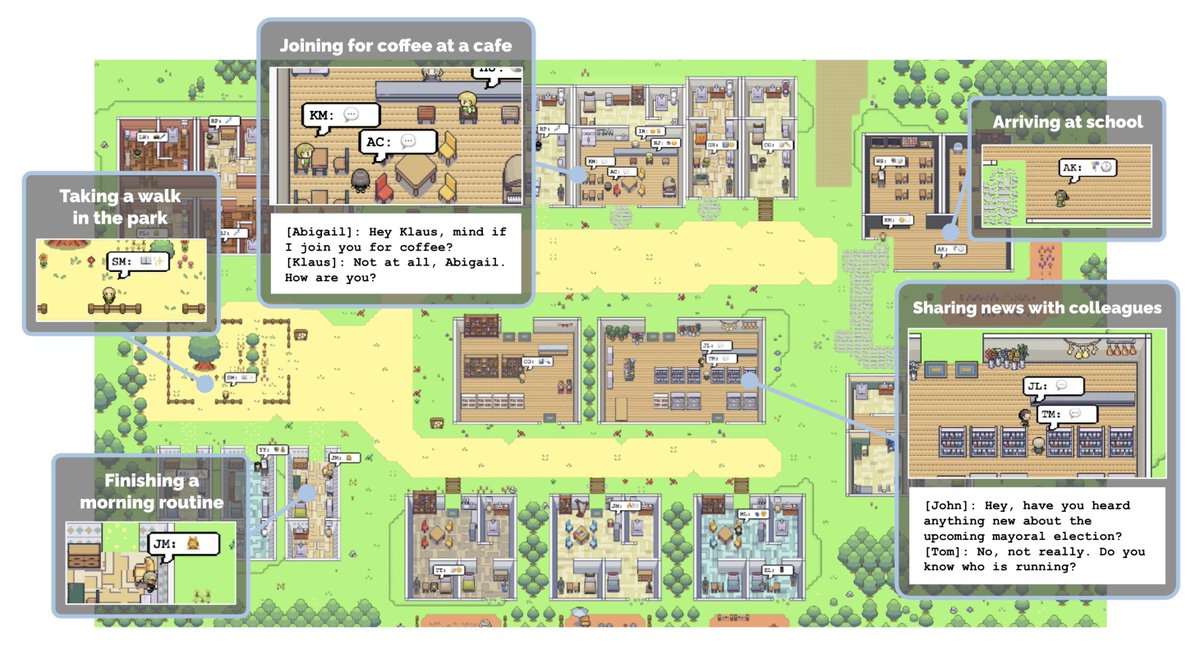
The famed Stanford Smallville is officially open-source!
25 AI agents inhabit a digital Westworld, unaware that they are living in a simulation. They go to work, gossip, organize socials, make new friends, and even fall in love. Each has unique personality and backstory.
Smallville is among the most inspiring AI agent experiments in 2023. We often talk about a single LLM's emergent abilities, but multi-agent emergence could be way more complex and fascinating at scale. A population of AI can play out the evolution of an entire civilization.
Endless new possibilities ahead. Gaming will be the first to feel the impact.
Github: https://t.co/xUll7KaaTp
Paper: https://t.co/PMDQysrOz9
Authors: @joon_s_pk@joseph_c_obrien@carriejcai@merrierm@percyliang@msbernst
'We should train students to become innovators, to develop and commercialize products and acquire skills for technology transfer. This can be achieved through short-term certifications and extra curricula activities' - Dr. Devotha Nyambo @DevothaNyambo , Lecturer #12thAPPPF
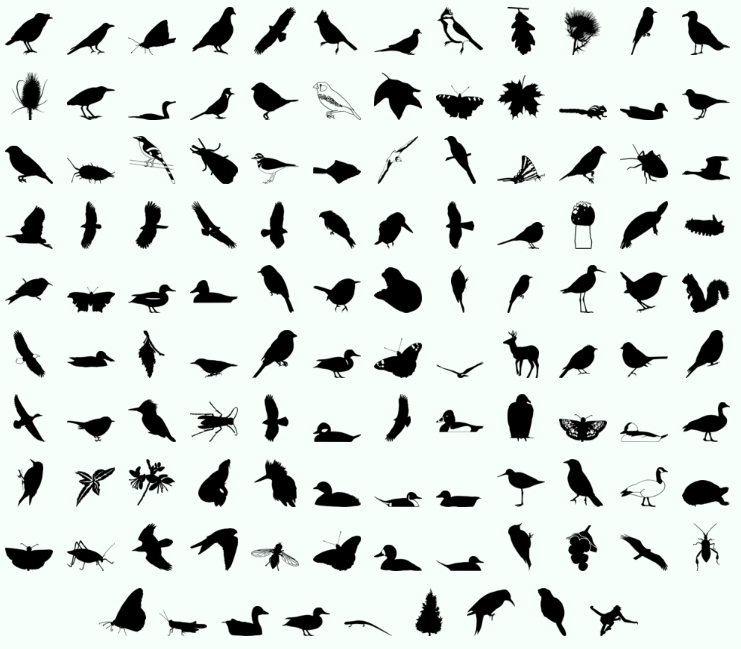
The undetectability of global trends on local species richness: our paper out today in @EcographyJourna.
I think this settles the so called biodiversity change paradox.
News-Infographics-Analytics-Maps:
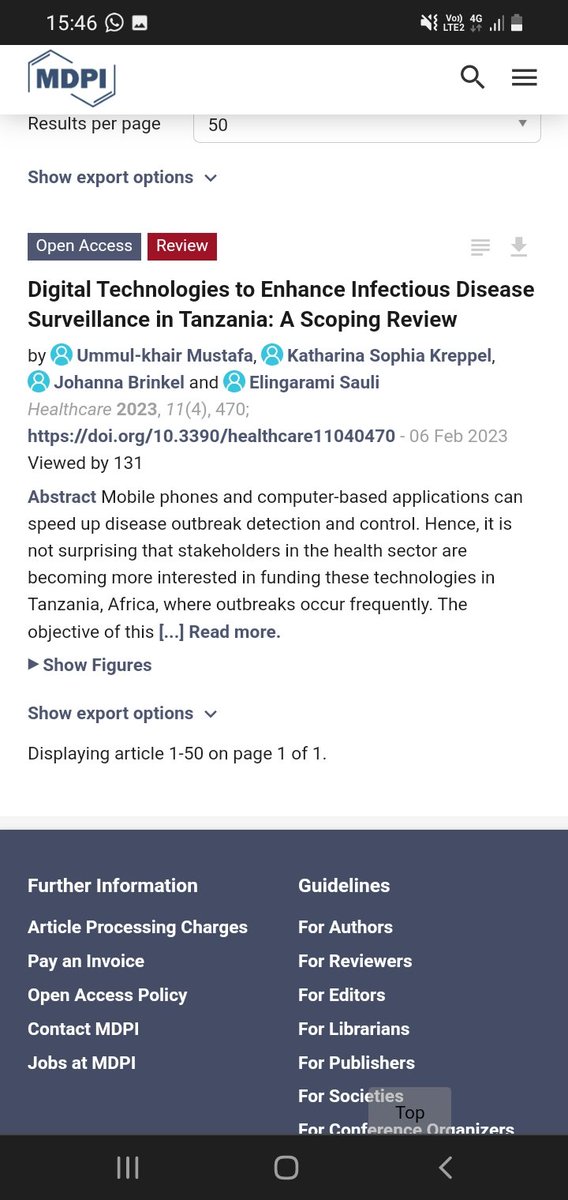
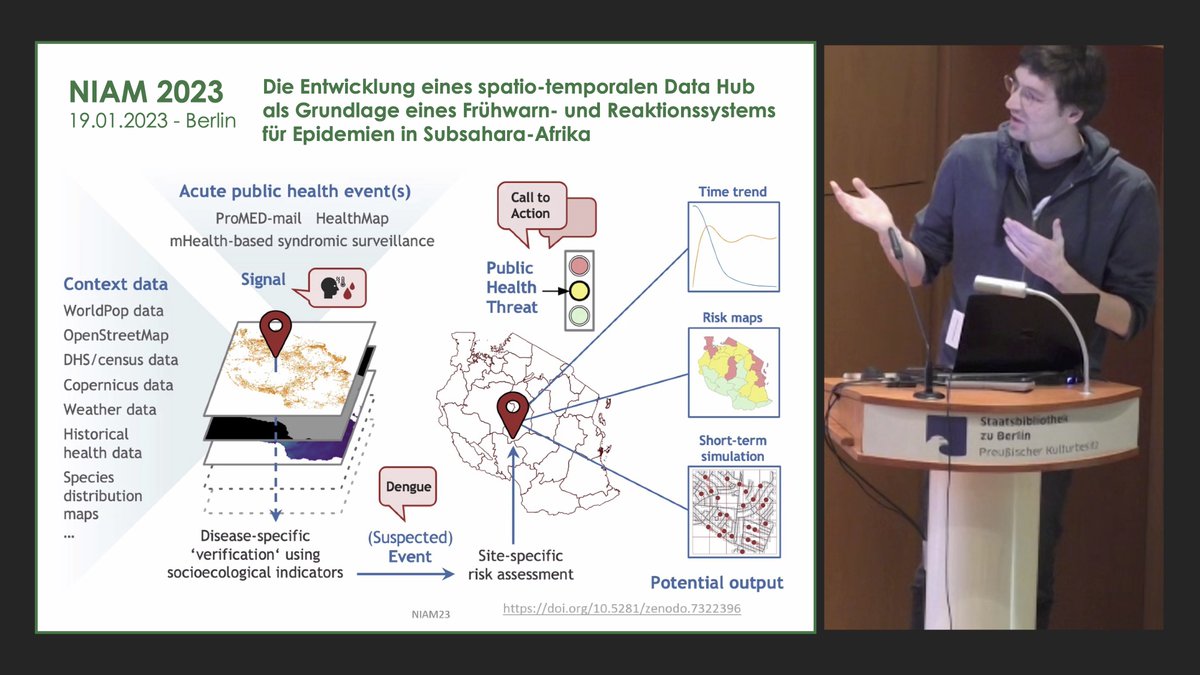
Last week #ESIDA presented its #DataHub as the basis for digital #OutbreakMaps at #NIAM23@dgfk_net!
Congratulations @stroebjo and @mars_group_haw on the exciting talk! 🙌
You can find all contributions (German) here soon: https://t.co/bi1BjRrLQD