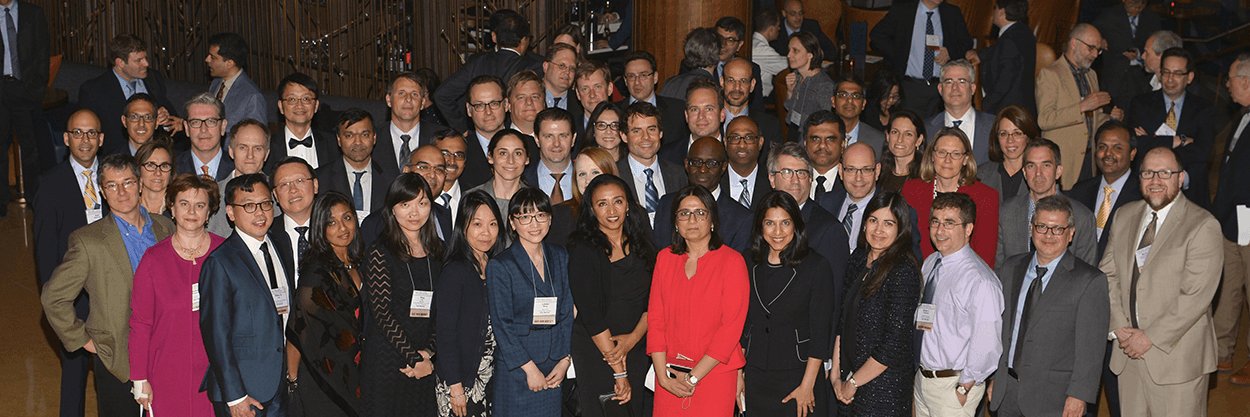
📣📣Announcing🎉🎉 Frederick Kofi Korley @UMichMedSchool receives the 2026 ASCI/Louis W. Sullivan, MD, Award.
Watch highlights from the interview with Stephen Y. Chan, and view the full conversation on YouTube: https://t.co/Ac96nWOVdi
The translational potential of metformin in Huntington’s disease is compelling: https://t.co/PJghUBoBRk
ASCI member Robert M. Friedlander & team report metformin regulates mitochondrial fission, reprograms deregulated metabolism in HD microglia, and controls microglial activation and inflammation in HD transgenic mice.
The image shows traced microglial morphology from striatum of the HD mouse model R6/2 treated with metformin.
#HuntingtonsDisease #Metformin
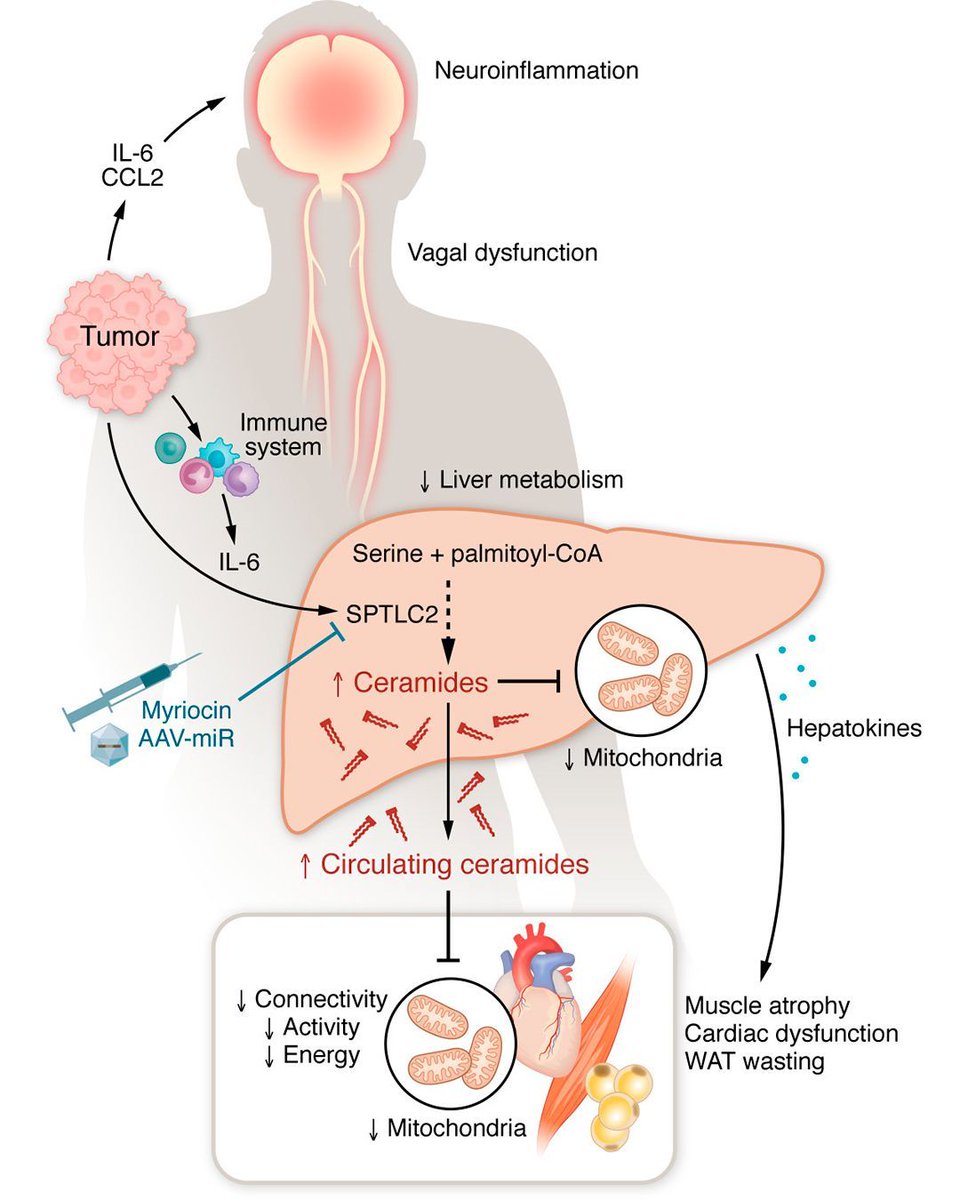
Liver-derived ceramides link metabolism to tissue wasting in cancer cachexia: https://t.co/NWOszrZM3c
ASCI member Norbert Perrimon, Kerui Huang @perrimonlab, Marcus D. Goncalves @marcusdgon@nyugrossman provide a Commentary on Morigny et al.: https://t.co/eEatY5M7AZ
@MorignyPauline@RohmMaria
#Cachexia #Metabolism #Ceramide
The formation of neutrophil extracellular traps has been increasingly described in the tumor microenvironment.
https://t.co/adgiZ8xqcK
Here, ASCI member Lei Zheng & team @HopkinsMedicine find anti-CXCR2 antibody overcomes the NETosis-mediated resistance to MEK inhibition treatment in pancreatic cancer models by blocking infiltration of tumor-associated neutrophils to hypoxic/necrotic areas.
The figure shows multiplexed immunofluorescence staining of NETs and CD8+ T cells in the orthotopic tumors; Blue, DAPI; White, MPO; Green, CD8.
#PancreaticCancer
Towards improving immunotherapy outcomes in pancreatic cancer: https://t.co/Rwnew8PyhG
ASCI member Gregory L. Beatty & team @PennMedicine identify TLR2 as a driver of immune suppression in pancreatic cancer and show blocking TLR2 enables T cell entry and slows tumor growth in mice.
The image demonstrates deletion of Tlr2 in CAR T cells and host cells are required for optimal T cell infiltration.
@UCLA ASCI member Manish J. Butte & team @UCLA report severe Valley fever occurring in males often features heightened allergy-like immunity, predisposed in some by genetic mutations, which suggests that targeted immune treatments can strengthen defenses: https://t.co/BtDKgflCQT
Valley fever is a respiratory infection caused by Coccidioides fungus spores that can range in severity from self-limiting to disseminated.
https://t.co/piEND6GroE & https://t.co/T4ab4XmTb3
Two Research articles in this issue explore immune phenotypes from individuals with coccidioidomycosis including those with severe, life-threatening disease.
#ValleyFever
ASCI member Manish J. Butte & team @UCLA find that severe Valley fever is linked to a weakened immune response, pointing to treatments that could re-energize the body’s defenses: https://t.co/U7T3B8eLqC
What happens when GLP-1 weight-loss drugs are stopped and then restarted?
ASCI member Thomas H. Leung @realthomasleung & team @PennMedicine asked this question in mice, reporting that cycling treatment made the drugs less effective over time and increased fat gain compared with continuous treatmenthttps://doi.org/10.1172/jci.insight.205174
#GLP1 #Weightloss
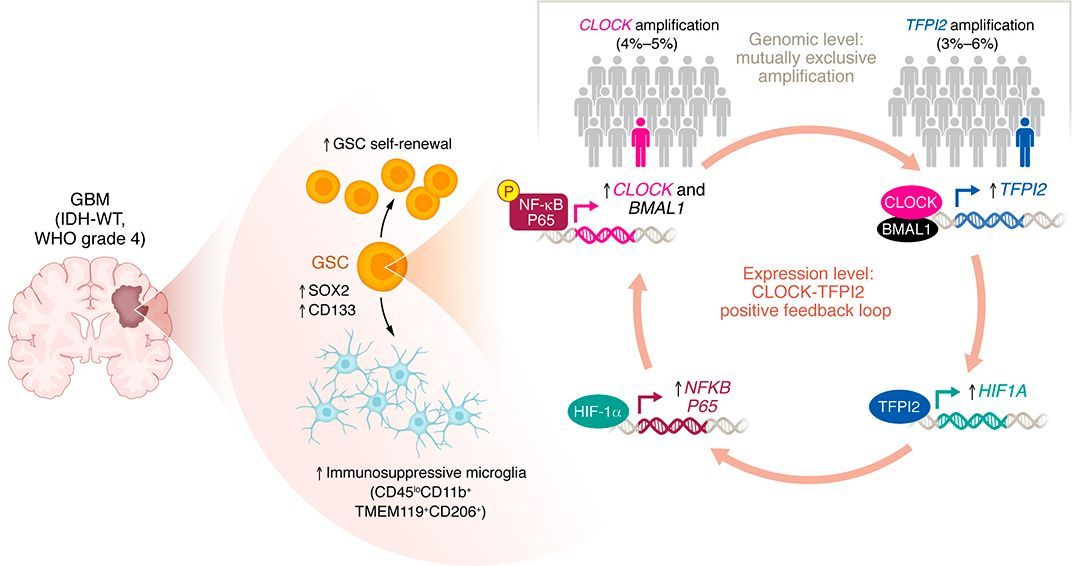
Uncovering a feedback loop in #glioblastoma that reinforces stemness and immunosuppression: https://t.co/miSHi9vNP7
@DanielJBrat & colleagues @NUFeinbergMed provide a Commentary on Zhou et al.: https://t.co/43Yq4F0Ckg
Neutralizing antibody activity generally correlates with protection from RNA viruses—but not always…
https://t.co/Jqk9JIcfZJ
James E. Crowe Jr. @croweje & team @VUmedicine find a human monoclonal antibody against the GP38 protein of Crimean-Congo hemorrhagic fever virus does not neutralize the virus yet mediates protection from heterologous virus challenge in a mouse infection model.
The figure: CCHF-82 provides partial protection as a post exposure prophylaxis against the Turkish strain of CCHFV in the STAT-1 KO mouse model
#CCHFV #ViralProtection
@FumihikoUrano@washumedicine Wolfram syndrome and a phase II trial of sodium phenylbutyrate and taurursodiol:
Post: https://t.co/nQ2CkCgp4a
Video: https://t.co/5NXftJpCZN
Phase 2 trial of sodium phenylbutyrate and taurursodiol in Wolfram syndrome, a rare and progressive degenerative disease: https://t.co/97FsKv9meA
ASCI member Fumihiko Urano @FumihikoUrano & team @washumedicine show treatment was associated with improved or stabilized pancreatic function, vision, and overall symptom burden.
#WolframSyndrome
GLP-1-based therapeutics have revolutionized anti-diabetic and anti-obesity treatments.
https://t.co/vRUYqPOzgJ
Here, Wolfram Ruf & team identify the intestinal protease TMPRSS2 as a critical regulator of #GLP1 in an obesity-induced diabetes preclinical model.
The image shows colocalization of PAR2 and TMPRSS2 in the mouse small intestine.
#Metabolism
Review: Towards precision medicine for brain arteriovenous malformations: https://t.co/NSXnPBCIgk
Hale et al. @UABNews detail the molecular mechanisms, human genetics, animal models, translational studies, and key clinical research supporting the rationale for pharmacologic and/or gene-editing therapies for #bAVMs.
How does caloric restriction reduce energy expenditure while preserving energy storage?
https://t.co/T8EZ3a18c2
Alan R. Saltiel @LabSaltiel & team @UCSanDiego show TBK1 acts as a brake on fat burning during fasting—and the combination of a TBK1 inhibitor and an AMPK activator reverses obesity and improves #MetabolicHealth in mice.
The figure: Combined TBK1 inhibition and AMPK activation improve metabolic health in obese mice.
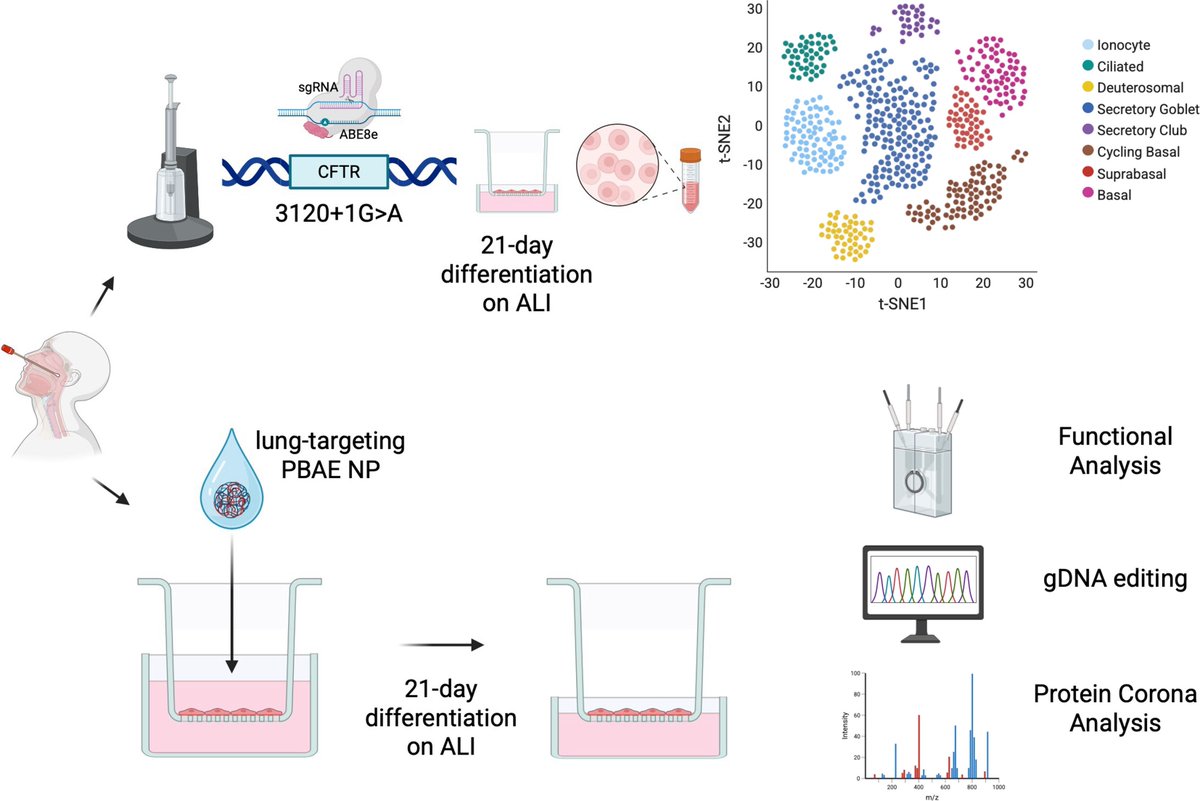
~10% of individuals with cystic fibrosis are unresponsive to CFTR modulators.
https://t.co/muQMZzI5mx
Here, ASCI member Garry R. Cutting & team @HopkinsMedicine report on gene editing for the correction of a common disease-causing variant in primary CF airway cells.
#CysticFibrosis #CF