My dear front-end developers (and anyone who’s interested in the future of interfaces):
I have crawled through depths of hell to bring you, for the foreseeable years, one of the more important foundational pieces of UI engineering (if not in implementation then certainly at least in concept):
Fast, accurate and comprehensive userland text measurement algorithm in pure TypeScript, usable for laying out entire web pages without CSS, bypassing DOM measurements and reflow
what would be clutch is wispr flow allowing me to map specific weird noises/words to claude code commands and tab switching - if you know a way to do this, lmk!
@ananyabananyaa@AltCarbonIndia Who was the artist of your poster? It’s stunning! Also search for residency India (Blr). They have a group with lots of designers. I’m curious if you find other pockets of designers!
We're launching FREE inference until the end of Feb.
@MiniMax_AI M2.5, @Zai_org GLM 5, and @Kimi_Moonshot K2.5 – all free on Zo Computer.
You met me at a very Chinese model time in my life 😉
Happy Lunar New Year 🏇
@WillManidis Loved it. But I always felt taste _is_ something the creator has from their experience and from transcendent inspiration. Didn’t realize people in tech are using it in the passive/selective sense. Are they though? What is a word that means the former that we can use more often?
@0thernet After attending your talk I rewatched simple made easy and understood it so much better after many years! I triaged and refactored my code and agents got better at knowing it. The sicp style layered abstraction adds an orthogonal dimension for organizing code!
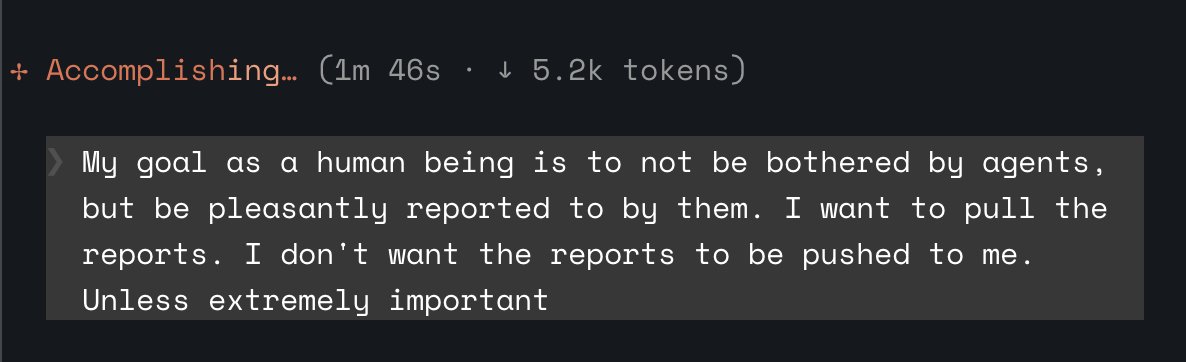
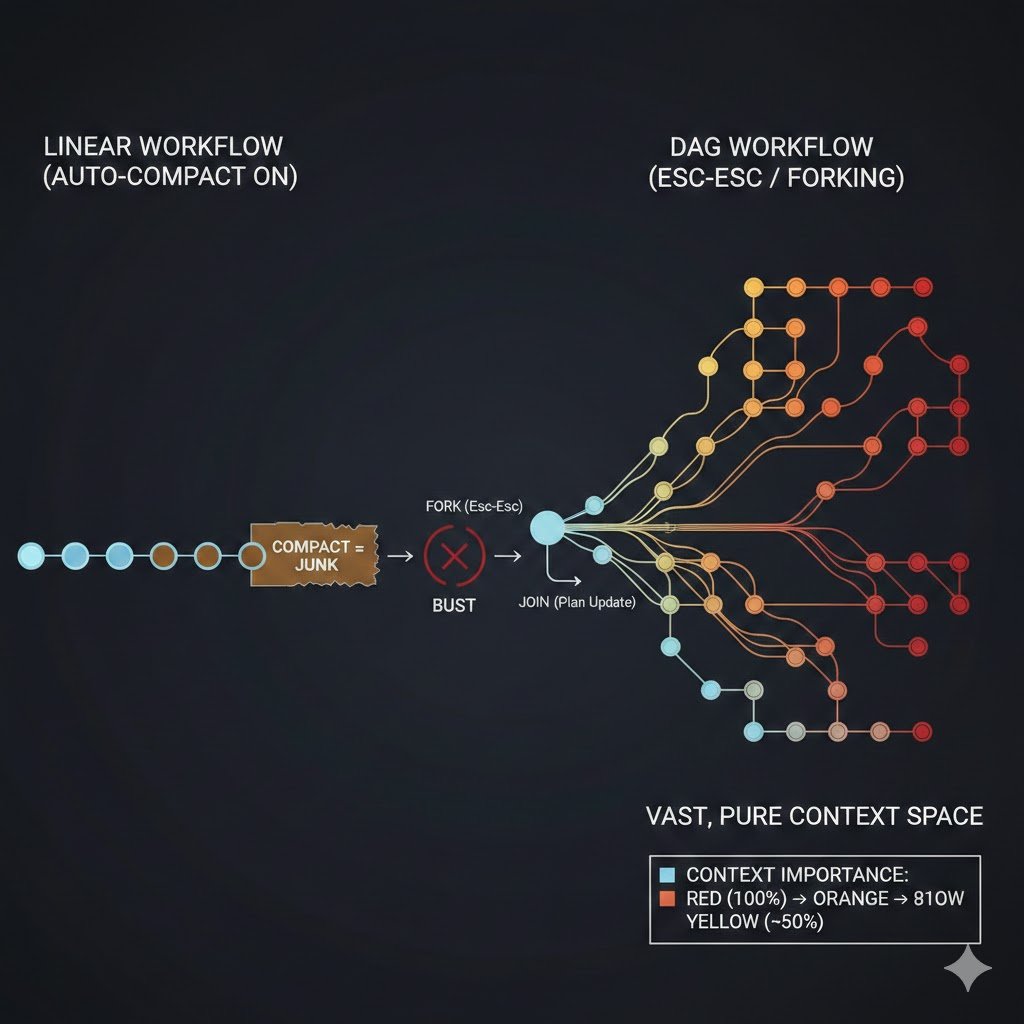
If you use claude code like it says on the label, let me save you from embarrassment in front of yourself: you should turn off auto-compact. Because,
* it reserves 20% context
* it makes your work go to shit
Context becomes garbage if you do things linearly, you can make trees (but also with some communication between nodes) with unbelievable breadth with CC.
Forking works like this:
1) make a plan with > 1 steps/phases/work items, and write it to a file.
2) do phase 1
3) (FORK) when phase 1 is done, use Esc-Esc (oh yeah!), and go back to the prompt where you just started part 1. (Choose roll back Conversation only.)
4) edit the prompt to say "nice, we finished part 1, read any updates to the plan, let's do phase 2".
This always keeps the exact context the phase at hand needs.
Don't worry about how long a phase will take, or if you discover an unplanned task, you can always have the agent update the plan file with stuff that got done/it found interesting, and reset back to some intermediate state with Esc-Esc and simply ask the agent to re-read the plan. This is kinda like surgical compacting, as if you're an arborist or a bonsai person.
If part 1 and 2 are independent work items, you can do them in parallel in two separate tmux panes/terminals with claude --resume. Oh and every fork also shows up when you bring up `claude --resume`, so you can take any branch and work from there. Some people among you can turn this into an agent orchestrator and share it with me.
The orchestrator requires are 3 primitives beyond just CC.
1) plan (in a specific way). Here's a planning preference file I remixed from @0thernet's https://t.co/1nbPZBSDYH
2) roll-back-fork (could be updated plan)
3) note-update (note something got done, (maybe in the plan file))
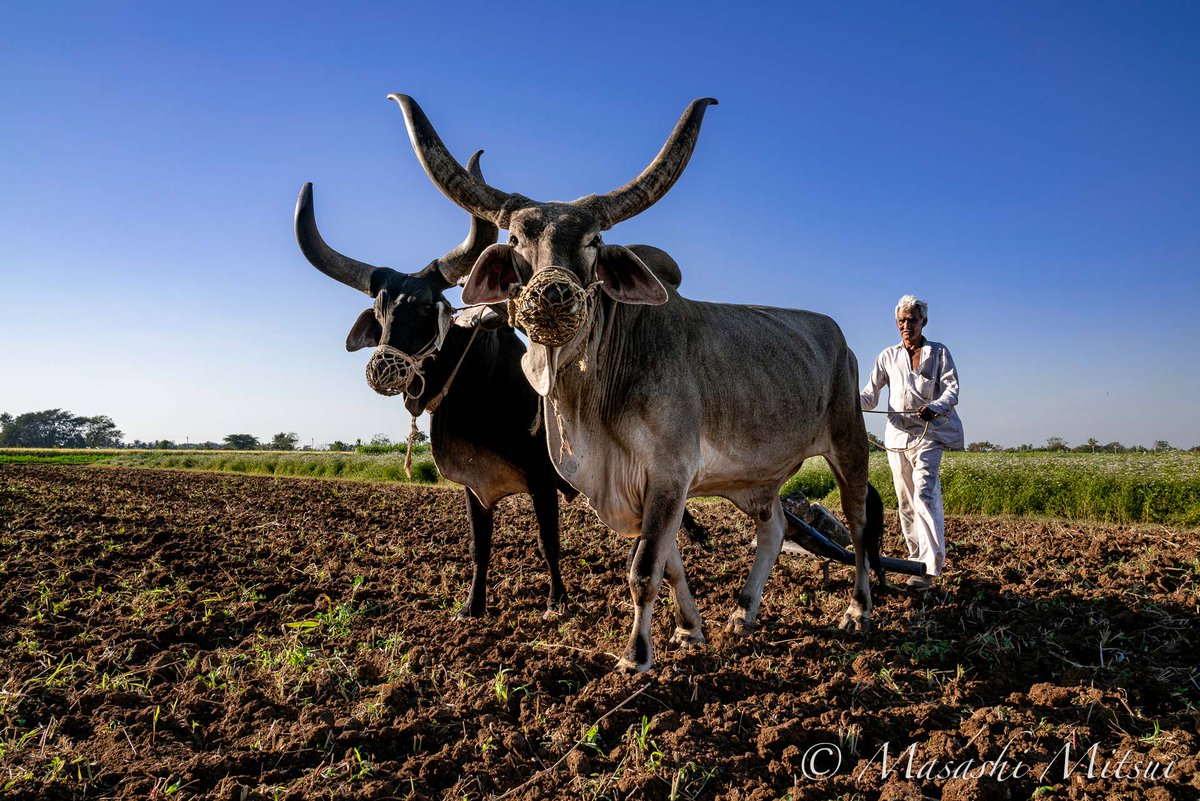
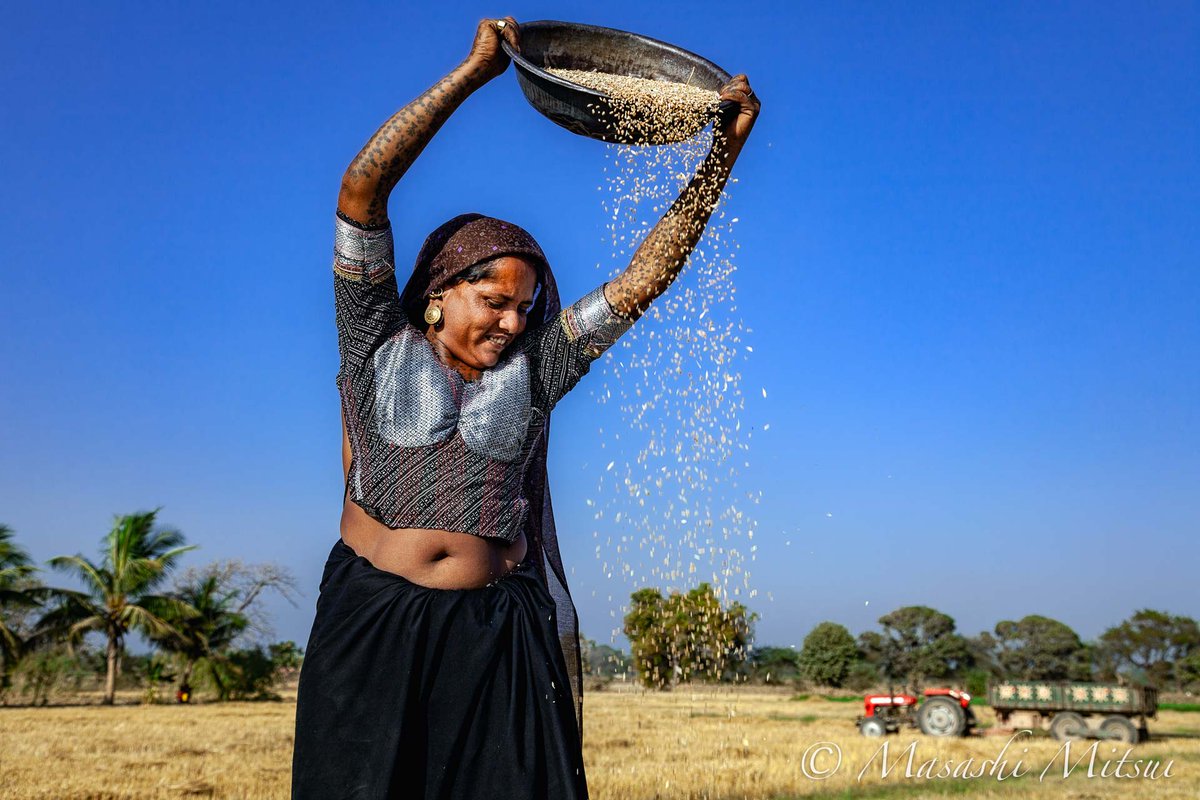
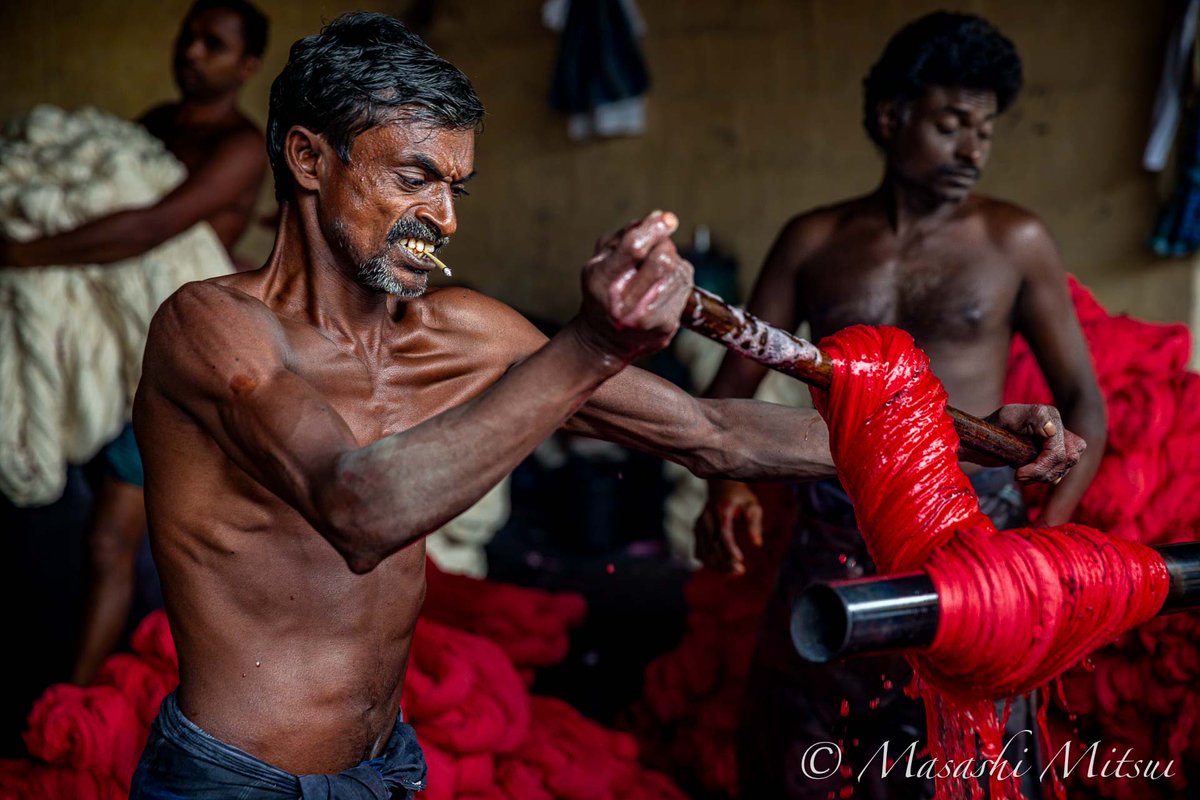
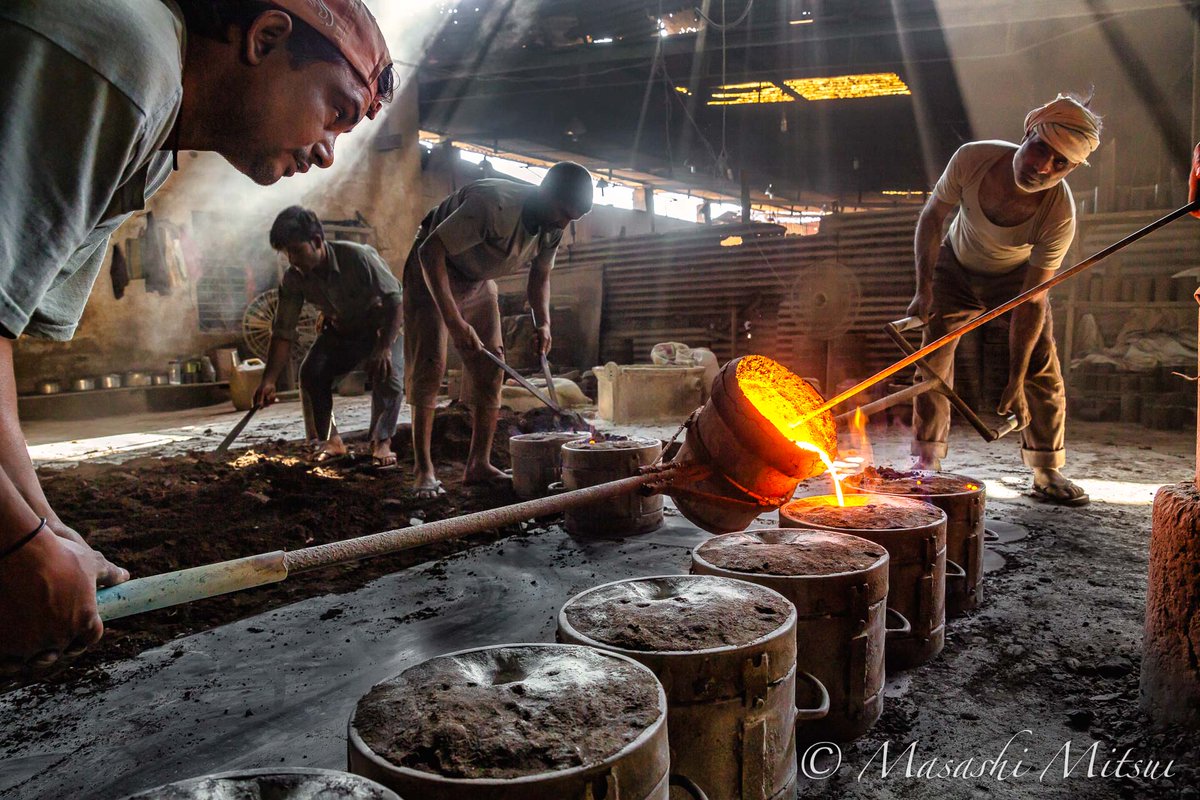
India is a country filled with beautiful scenes of people working. As a photographer, the thing that attracts me most is the sight of people at work. Farmers, fishermen, blacksmiths, and carpenters—in these people who work with their sweat and hands, I see a deep, natural power of life. Their backs seem to tell us a story: everyone has a different role, and doing that role sincerely is the true meaning of work.
Among all the countries I have visited, India is the most special. It is now the world’s most populous country with over 1.4 billion people. It is growing very fast economically, but it is also a place where many "proud workers" still keep their traditional beauty.
Because of changes in industry, many of these ways of working are fated to disappear. No one can stop this flow. This is exactly why I take photos of these people. I want to record the sparkle of their sweat, their serious eyes, and the beauty of their strong bodies to show them to the world. I want people to know one simple fact: "Ordinary jobs that we often overlook are the ones supporting this world." I believe this is my role as a photographer.
インドは美しい労働の場面が溢れた国だ。
写真家として、僕がもっとも強く惹かれているのが、働く人々の姿だ。農家、漁師、鍛冶屋、木工職人。汗を流して働く人々には、人間が持つ根源的な生命力が宿っていた。人にはそれぞれ違った役割があり、それをできる限り誠実にやり続けるのが、働くことの本質なのだ。そう働く人々の背中は語っていた。
僕が旅した国々の中でも、インドはもっとも特別な国だ。総人口が14億人を超え、世界一の人口大国となったインドは、めざましい経済成長を遂げているだけでなく、伝統的な美意識を強く持つ「誇り高き働き者」が多く住む国でもあった。
産業構造の変化に伴い、こうした労働の多くが、消えていく運命にある。その流れは誰にも止めることができない。だからこそ、僕は働く人々を撮っている。
人々が流した汗のきらめきや、真剣な眼差しや、無駄のない肉体美を、写真に記録し、世界に伝えたい。
「平凡なものとして見過ごされている仕事が、この世界を支えている」という事実を、多くの人に知ってもらいたい。
それが写真家として、僕が果たすべき役割だと考えている。