Postdoc in the Curran lab at the University of Southern California (USC), studying aging, transposons, and RNA editing. The views expressed here are my own.
Noted on Bluesky a while back but updating here as well: Happy to share the published version of our last study, where we employed a multi-ancestry GWAS to identify human variants associated with elevated transposon (LINE-1 and Alu) insertion numbers. https://t.co/AWqEyBAmr2
Sharing our new essay, out today at @PLOSBiology: "The problem with one-size-fits-all medicine: Biological sex and the aging immune system", where we argue that personalized medicine must account for #sex.
https://t.co/hpe7fSr2ku
Years in the making: a detailed aging gene signature in mice and rats. >30 tissues, high Ns, multi-time points throughout the lifespan. >5000 samples in total. The data is accessible, so you check to see if your favorite gene is age-regulated.
https://t.co/5heN6ixvt1
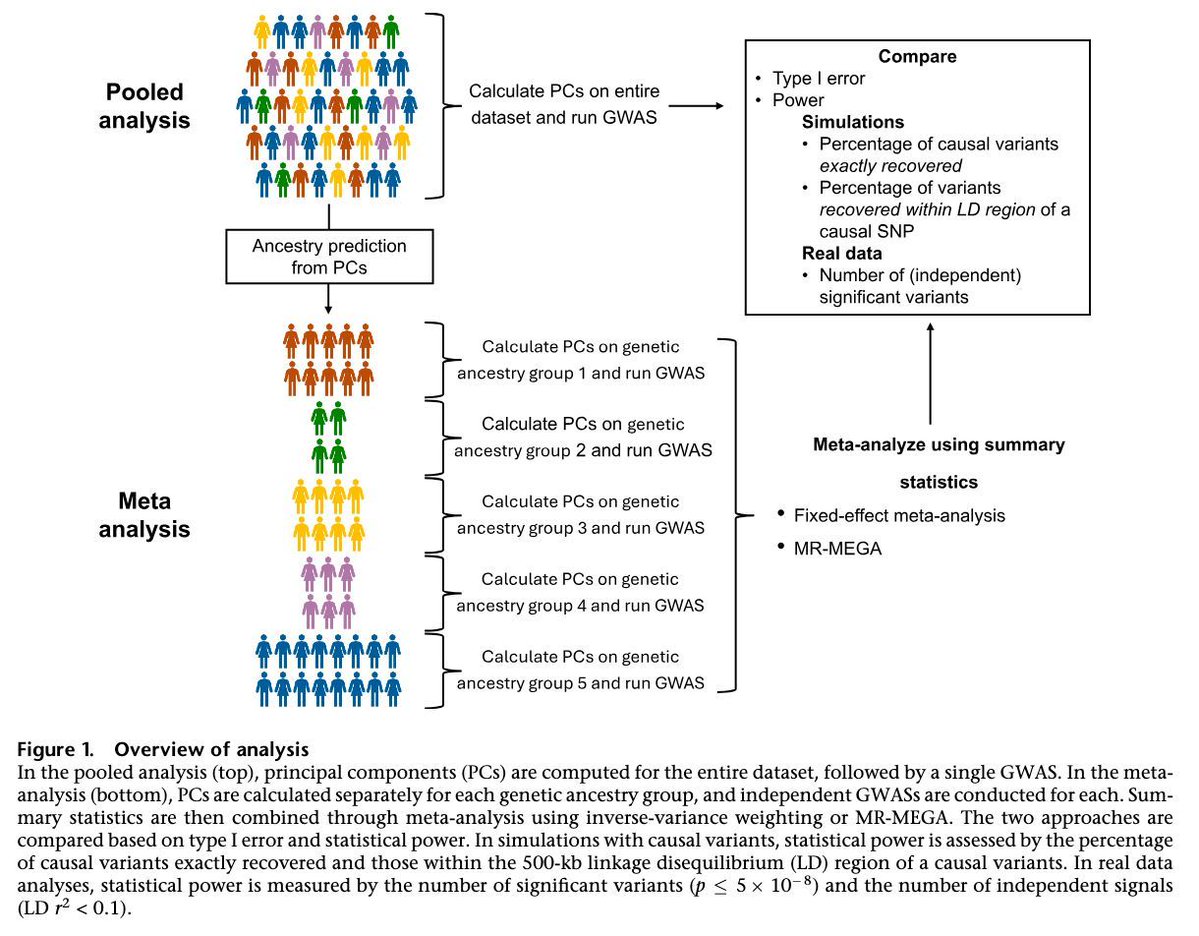
Evaluating multi-ancestry genome-wide association methods: Statistical power, population structure, and practical implications https://t.co/m9vCAaWguw 🧬🖥️🧪
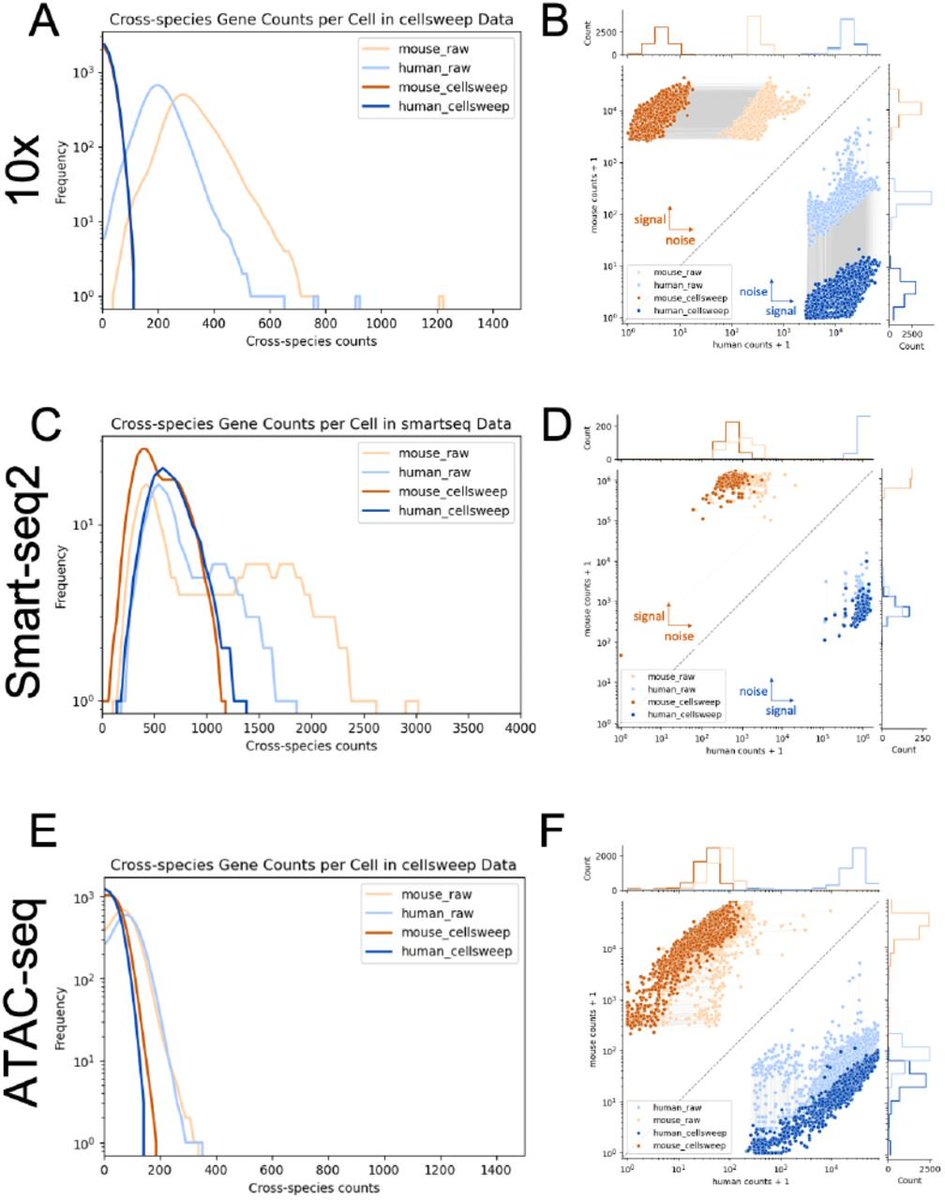
Ambient RNA & barcode swapping is a serious issue in single-cell genomics. Tools such as CellBender, scAR, DecontX & SoupX. We have developed CellSweep which is faster (in some cases by a lot) and much more accurate. Extensively tested and benchmarked. https://t.co/7ZRjDuJocP 1/
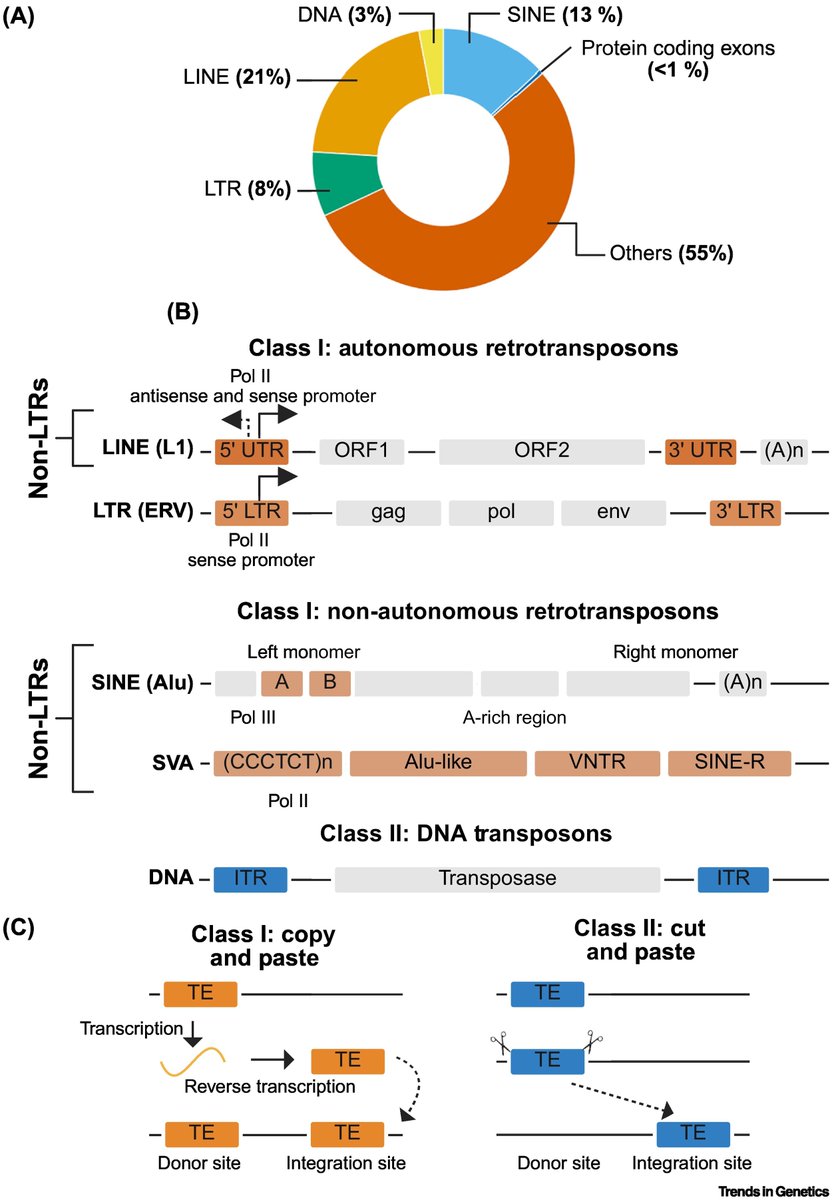
Henry L. Levin, Ph.D. has updated his Editor’s Picks for January with standout papers covering topics such as LINE-1 retrotransposons and other advances in genome biology. Take a look 👇
https://t.co/BBBL44Hvvu
📸 Figure adapted from Grinwald MF et al., Trends in Genetics, 2025.
🧬 New Research Highlight 🧠
A multi-omics analysis of human fibroblasts overexpressing an Alu transposon reveals widespread disruptions in aging-associated pathways by Juan I. Bravo & Bérénice A. Benayoun (@BBParis1984) et al.
This multi‑omics study shows how Alu transposon overexpression in human fibroblasts disrupts key aging‑related pathways, offering deeper insight into genomic instability and cellular aging mechanisms.
🔗 Read the full paper: https://t.co/WkSCenFBBo
The efficacy of longevity interventions in Caenorhabditis elegans is determined by the early life activity of RNA splicing factors
https://t.co/dGfiAvBVi5
New pre-print: We show that L1 insertion intermediates can recombine with one another or with DNA breaks to form genome rearrangements, highlighting the risk of L1 retrotransposition generating substrates for aberrant recombination and genome instability.
https://t.co/Uumlubebyb
LINE-1 retrotransposons mediate cis-acting transcriptional control in human pluripotent stem cells and regulate early brain development https://t.co/jBy0rG3FFp
A multi-omics analysis of human fibroblasts overexpressing an Alu transposon reveals widespread disruptions in aging-associated pathways
https://t.co/ypdFc448bg
A multi-omics analysis of human fibroblasts overexpressing an Alu transposon reveals widespread disruptions in aging-associated pathways https://t.co/2PMGK0Z3ET #biorxiv_genomic