Founder @ Adaptation, build management training for Fiverr, eBay, monday, etc. Author of a bestselling management book (30K+ readers). Helping 1st-time managers
it's finding one small thing you actually control today, and doing it.
send the email you've been told twice not to send. ask the question in the meeting nobody is asking. tell your manager the one thing they don't want to hear.
just keep pressing the button - and encourage others to do the same.
a researcher named Hiroto ran a small test:
2 groups, all hearing the same unbearable noise.
group 1 has a button that works - four presses, the noise stops.
group 2's button is wired to ignore them. they press, nothing. press harder, nothing.
eventually they stop pressing. they just sit there with the noise.
but the interesting part is what happens at the next round -
"learned helplessness"
it's the quiet version of the group 2 brain - the work still gets done, the contribution doesn't. it's the slow death of agency.
the way out isn't a pep talk. it isn't motivation. it isn't a new strategy:
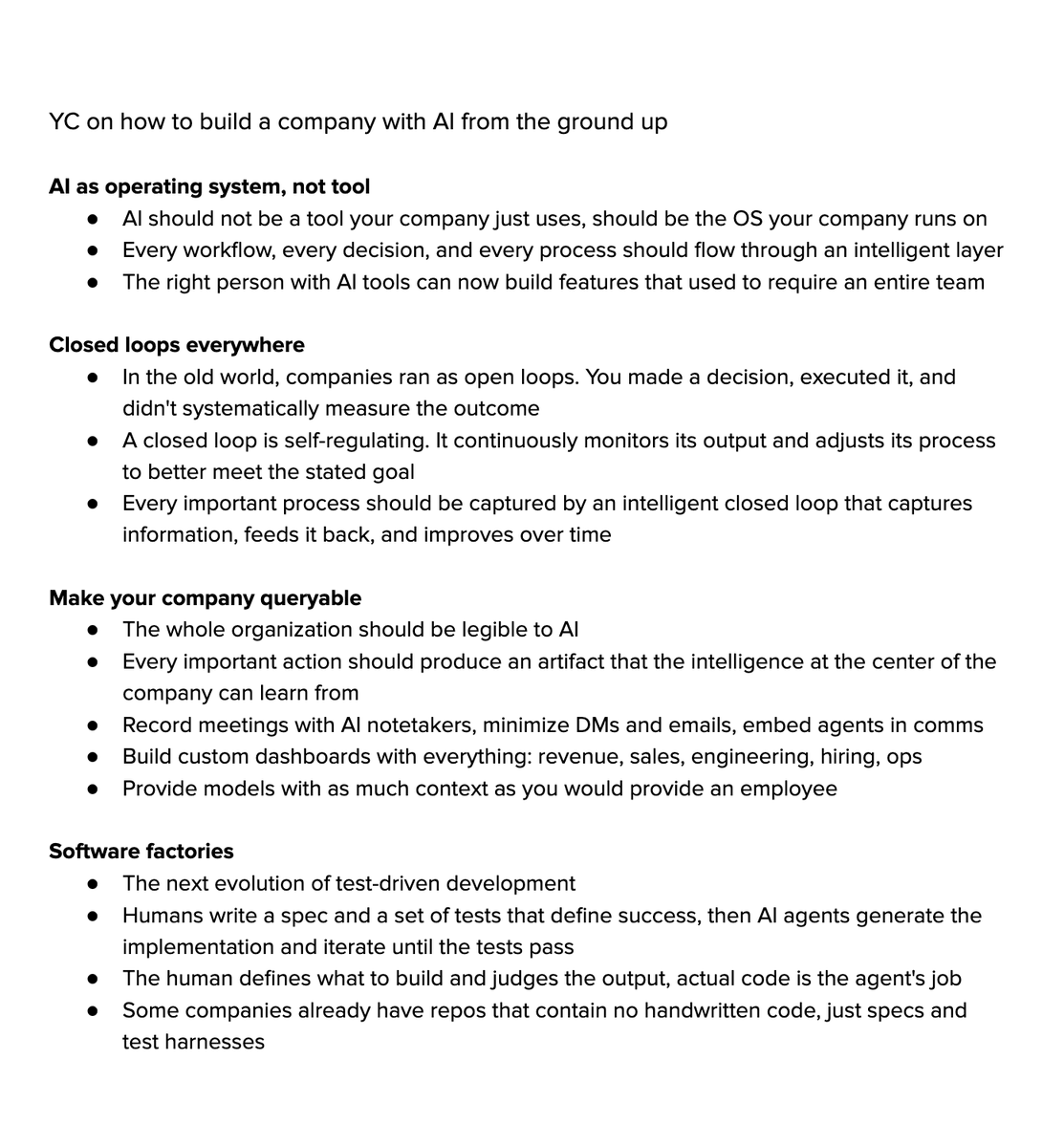
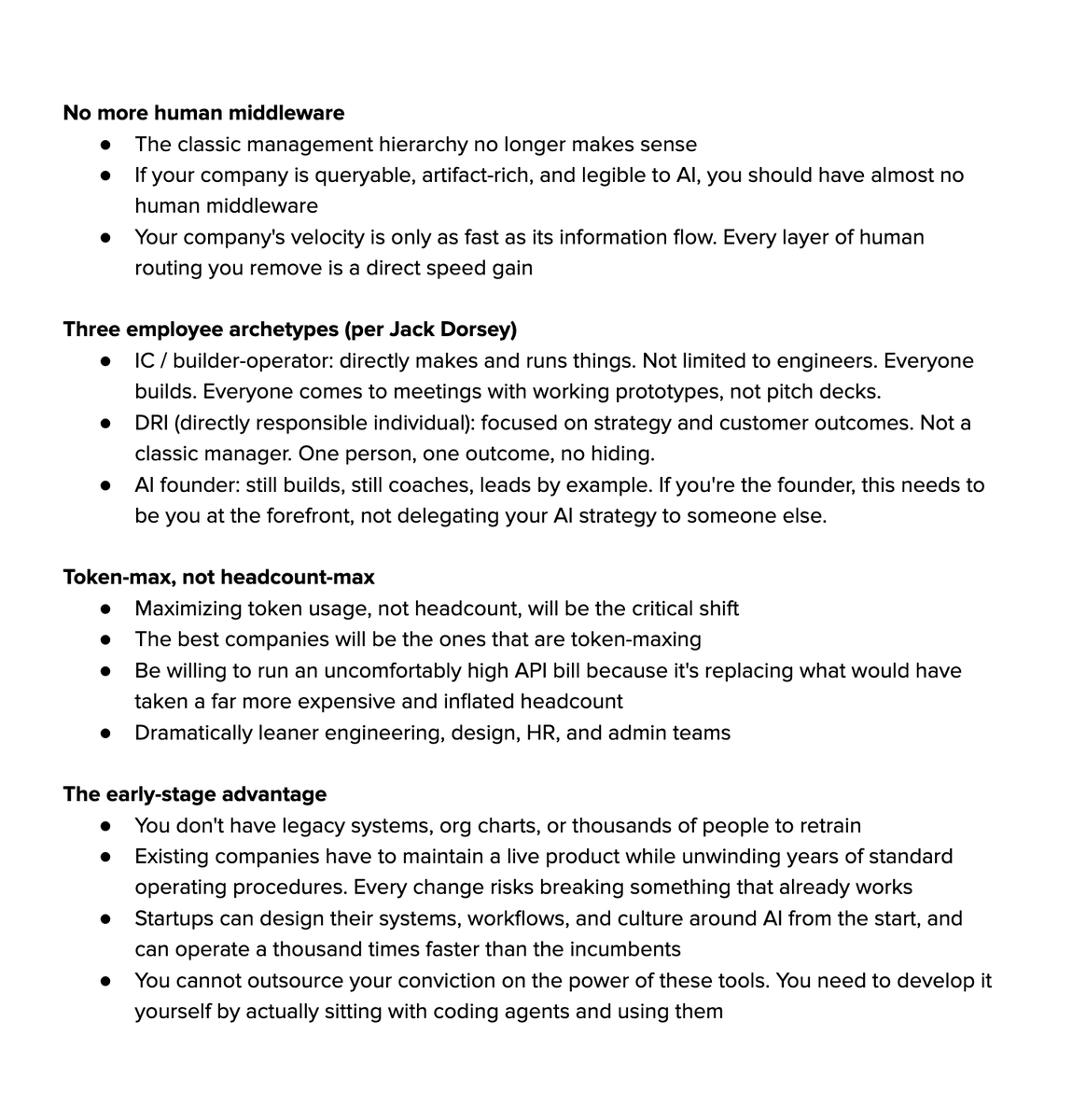
AI agents are turning managers back into builders,
but that doesn’t mean we’ll need fewer managers -
quite the opposite, actually:
agents need clear goals.
good context.
sharp judgment.
to get the most out of AI, every IC will need to learn how think like a manager.
the DRI part is really interesting: a "Directly Responsible Individual" tasked with solving specific problem in a defined time frame, sometimes with an ad-hoc team. this isn't innovative - in my podcast i've interviewed many managers that spoke about models like these - but it didn't have a name until now.
not sure it can fully replace the managerial layer, but it's great concept for building a skill-based organization.
@marklifepivot and after a while the team pays too. if you're always reachable, people stop building the muscle of deciding without you. it feels supportive at first, then quietly becomes dependency
I'm a manager at @OpenAI, but with GPT-5.5 I'm a more effective IC than I've ever been. I can now write CUDA kernels like a pro. I can rely on it to run my research experiments. And we know how to make it much more powerful from here.
about 70%(!) of people deal with imposter syndrome - so if you got promoted thought "now they'll find out I have no idea what I'm doing" - congrats:
that feeling means you actually give a damn, and research says that people like you prepare more, work harder, and take less for granted (which is probably why you got promoted in the first place)
if your value is relaying info from leadership down, AI is already a better middleman. doesn't misremember. doesn't filter for politics. i watched a manager lose that role to a shared slack channel in six months.
the managers who build people, make hard calls, lead through fog?
more needed than before AI showed up.
The best managers in that Gartner study weren't the most available ones. They were the ones who knew when to connect their people to someone better suited to help, and when to just get out of the way.
Being helpful isn't the same as being useful
Get out of the way
You're hurting your employee performance by 8% if you are:
always available,
always coaching,
always giving feedback,
basically the type of manager that HR loves.
Gartner studied thousands of teams and the data is brutal
🧵
You think you're the good manager, the one who cares, the one who shows up for their people.
You think you're helping
You're just... in the way
Every time you jump in with advice on something you half-understand (and let's be honest, no manager understands everything their team does), you're not developing them - you're making them dependent on you