𝗧𝗵𝗲 𝟯𝟬% 𝗗𝗲𝗽𝗼𝘀𝗶𝘁 𝗧𝗵𝗮𝘁 𝗦𝘁𝗼𝗽𝘀 𝗮 𝗠𝗼𝗿𝘁𝗴𝗮𝗴𝗲 𝗦𝗮𝗹𝗲.
If you take out a mortgage and fall behind on payment, the bank can advertise the property for sale. Can you stop that sale? Yes. But 𝗥𝗲𝗴𝘂𝗹𝗮𝘁𝗶𝗼𝗻 𝟭𝟯 of the 𝗠𝗼𝗿𝘁𝗴𝗮𝗴𝗲 𝗥𝗲𝗴𝘂𝗹𝗮𝘁𝗶𝗼𝗻𝘀, 𝟮𝟬𝟭𝟮 says the sale will only be 𝘀𝘁𝗼𝗽𝗽𝗲𝗱 𝗼𝗿 𝗮𝗱𝗷𝗼𝘂𝗿𝗻𝗲𝗱 after a 𝘀𝗲𝗰𝘂𝗿𝗶𝘁𝘆 𝗱𝗲𝗽𝗼𝘀𝗶𝘁 is paid. The courts now describe that rule as, 𝗽𝗮𝘆 𝗻𝗼𝘄, 𝗮𝗿𝗴𝘂𝗲 𝗹𝗮𝘁𝗲𝗿.
The ordinary deposit is 𝟯𝟬% of the 𝗳𝗼𝗿𝗰𝗲𝗱 𝘀𝗮𝗹𝗲 𝘃𝗮𝗹𝘂𝗲 or of the 𝗼𝘂𝘁𝘀𝘁𝗮𝗻𝗱𝗶𝗻𝗴 𝗹𝗼𝗮𝗻. That is the wording of 𝗥𝗲𝗴𝘂𝗹𝗮𝘁𝗶𝗼𝗻 𝟭𝟯(𝟭) where the application is made to court.
If the request is made to the person conducting the sale, 𝗥𝗲𝗴𝘂𝗹𝗮𝘁𝗶𝗼𝗻 𝟭𝟯(𝟰) requires the 𝗵𝗶𝗴𝗵𝗲𝗿 of those two figures. If the sale is being stopped so that the borrower can 𝗿𝗲𝗱𝗲𝗲𝗺, 𝗥𝗲𝗴𝘂𝗹𝗮𝘁𝗶𝗼𝗻 𝟭𝟯(𝟱) raises the deposit to 𝟱𝟬% of the outstanding amount. That 𝟱𝟬% rule was applied in 𝗪𝗶𝗹𝗹𝗶𝘀 𝗜𝗻𝘁𝗲𝗿𝗻𝗮𝘁𝗶𝗼𝗻𝗮𝗹 𝗘𝗻𝗴𝗶𝗻𝗲𝗲𝗿𝗶𝗻𝗴 𝗮𝗻𝗱 𝗖𝗼𝗻𝘁𝗿𝗮𝗰𝘁𝗼𝗿𝘀 𝗟𝘁𝗱 & 𝗔𝗻𝗼𝗿 𝘃 𝗗𝗙𝗖𝗨 𝗕𝗮𝗻𝗸 [𝟮𝟬𝟭𝟲] 𝗨𝗚𝗖𝗼𝗺𝗺𝗖 𝟱𝟭.
The rule was written for a reason. Banks complained that defaulting borrowers were using court applications only to buy time. The deposit was meant to separate a genuine fight from a free delay.
The Court of Appeal drew that line in 𝗚𝗮𝗻𝗮𝗳𝗮 𝗣𝗲𝘁𝗲𝗿 𝗞𝗶𝘀𝗮𝘄𝘂𝘇𝗶 𝘃 𝗗𝗙𝗖𝗨 𝗕𝗮𝗻𝗸 𝗟𝘁𝗱. It held that an injunction is 𝗻𝗼𝘁 𝗮𝘃𝗮𝗶𝗹𝗮𝗯𝗹𝗲 to an applicant who has not complied with Regulation 13.
Later Commercial Court decisions followed.
In 𝟮𝟬𝟮𝟯 the Constitutional Court settled the larger argument. In 𝗙𝗲𝗿𝗱𝘀𝘂𝗹𝘁 𝗘𝗻𝗴𝗶𝗻𝗲𝗲𝗿𝗶𝗻𝗴 𝗦𝗲𝗿𝘃𝗶𝗰𝗲𝘀 𝗟𝘁𝗱 𝘃 𝗔𝘁𝘁𝗼𝗿𝗻𝗲𝘆 𝗚𝗲𝗻𝗲𝗿𝗮𝗹 it held that the 𝟯𝟬% rule is constitutional. It does not lock people out of court. It balances the borrower’s right to be heard against the lender’s right to realise security after default.
The timing question came later. Some borrowers tried to file before an auction date was advertised, hoping the regulation would not yet apply. In 𝗞𝗲𝗻𝘆𝗮 𝗖𝗼𝗺𝗺𝗲𝗿𝗰𝗶𝗮𝗹 𝗕𝗮𝗻𝗸 (𝗨𝗴𝗮𝗻𝗱𝗮) 𝗟𝘁𝗱 𝘃 𝗢𝗹𝗶𝘃𝗲 𝗭𝗮𝗶𝘁𝘂𝗻 𝗞𝗶𝗴𝗼𝗻𝗴𝗼 [𝟮𝟬𝟮𝟲] 𝗨𝗚𝗖𝗼𝗺𝗺𝗖 𝟮𝟭𝟴, the High Court rejected that route. Regulation 13 is triggered once a 𝗻𝗼𝘁𝗶𝗰𝗲 𝗼𝗳 𝗱𝗲𝗳𝗮𝘂𝗹𝘁 has been issued. Waiting for the auction poster is not required.
The rule is not absolute. 𝗥𝗲𝗴𝘂𝗹𝗮𝘁𝗶𝗼𝗻 𝟭𝟯(𝟲) gives the court discretion where the applicant is a 𝘀𝗽𝗼𝘂𝘀𝗲. Courts have used that as a safety valve in cases of widowhood and real hardship. A person who never signed the mortgage and is attacking it as 𝗳𝗿𝗮𝘂𝗱 may also fall outside the rule, as in 𝗠𝘂𝘁𝗲𝗴𝗲𝗸𝗶 𝘃 𝗠𝘂𝘁𝗮𝗯𝗮𝘇𝗶.
For a person or family staring at an auction date, the meaning is hard but clear. You can still challenge the sale. You can still argue about notices, valuation, consent or fraud. But if you want the hammer to pause while you argue, the law asks you to put money on the table first.
@ministry_lands@Uganda_LII@CEOEastAfrica@Lawpointuganda@AyebaleDan@GilbertKarenzi
𝗨𝗴𝗮𝗻𝗱𝗮 𝘃 𝗠𝗮𝘁𝘁𝗵𝗲𝘄 𝗞𝗮𝗻𝘆𝗮𝗺𝘂𝗻𝘆𝘂: 𝗪𝗵𝗲𝗿𝗲 𝗖𝗿𝗶𝗺𝗶𝗻𝗮𝗹 𝗝𝘂𝘀𝘁𝗶𝗰𝗲 𝗠𝗲𝘁 𝗥𝗲𝘀𝘁𝗼𝗿𝗮𝘁𝗶𝘃𝗲 𝗮𝗻𝗱 𝗧𝗿𝗮𝗱𝗶𝘁𝗶𝗼𝗻𝗮𝗹 𝗝𝘂𝘀𝘁𝗶𝗰𝗲.
On 𝟭𝟮 𝗡𝗼𝘃𝗲𝗺𝗯𝗲𝗿 𝟮𝟬𝟭𝟲, near Lugogo in Kampala, 𝗞𝗲𝗻𝗻𝗲𝘁𝗵 𝗔𝗸𝗲𝗻𝗮, a social worker and child-rights activist, accidentally scratched a vehicle belonging to businessman 𝗠𝗮𝘁𝘁𝗵𝗲𝘄 𝗞𝗮𝗻𝘆𝗮𝗺𝘂𝗻𝘆𝘂 while reversing. A confrontation followed. Akena was shot and later died in hospital. A minor traffic incident had ended in the irreversible loss of a life.
Kanyamunyu was charged with 𝗺𝘂𝗿𝗱𝗲𝗿. He pleaded not guilty and maintained that position for nearly four years as the case proceeded through the formal criminal justice system. Then, in 𝗦𝗲𝗽𝘁𝗲𝗺𝗯𝗲𝗿 𝟮𝟬𝟮𝟬, a different process began.
His family approached the 𝗔𝗰𝗵𝗼𝗹𝗶 𝗥𝗲𝗹𝗶𝗴𝗶𝗼𝘂𝘀 𝗟𝗲𝗮𝗱𝗲𝗿𝘀 𝗣𝗲𝗮𝗰𝗲 𝗜𝗻𝗶𝘁𝗶𝗮𝘁𝗶𝘃𝗲 and the 𝗔𝗰𝗵𝗼𝗹𝗶 𝗖𝘂𝗹𝘁𝘂𝗿𝗮𝗹 𝗜𝗻𝘀𝘁𝗶𝘁𝘂𝘁𝗶𝗼𝗻. With the involvement of Archbishop John Baptist Odama and Paramount Chief 𝗥𝘄𝗼𝘁 𝗗𝗮𝘃𝗶𝗱 𝗢𝗻𝗲𝗻 𝗔𝗰𝗮𝗻𝗮 𝗜𝗜, the two families met at 𝗞𝗲𝗿 𝗞𝘄𝗮𝗿𝗼 𝗔𝗰𝗵𝗼𝗹𝗶 in Gulu. Before a council of elders, Kanyamunyu gave a full account of what happened that evening in Lugogo. He confessed to the killing, acknowledged the harm he had caused, knelt and asked for forgiveness, and accepted responsibility under Acholi traditional justice. The elders listened carefully and assessed compensation under the process of 𝗖𝘂𝗹𝗼 𝗞𝘄𝗼𝗼 at 𝘁𝗲𝗻 𝗰𝗼𝘄𝘀 𝗮𝗻𝗱 𝘁𝗵𝗿𝗲𝗲 𝗴𝗼𝗮𝘁𝘀. His family agreed to pay the animals as reparation. He also undertook to make the same open confession before the High Court in Kampala so that a formal 𝗽𝗹𝗲𝗮 𝗯𝗮𝗿𝗴𝗮𝗶𝗻 could follow.
That traditional process opened the way for the formal one.
In 𝗡𝗼𝘃𝗲𝗺𝗯𝗲𝗿 𝟮𝟬𝟮𝟬, after the confession and the commitment to reparation, Kanyamunyu entered a plea bargain with the 𝗗𝗶𝗿𝗲𝗰𝘁𝗼𝗿 𝗼𝗳 𝗣𝘂𝗯𝗹𝗶𝗰 𝗣𝗿𝗼𝘀𝗲𝗰𝘂𝘁𝗶𝗼𝗻𝘀. He pleaded guilty to the lesser charge of 𝗺𝗮𝗻𝘀𝗹𝗮𝘂𝗴𝗵𝘁𝗲𝗿. The High Court sentenced him to 𝗳𝗶𝘃𝗲 𝘆𝗲𝗮𝗿𝘀 𝗮𝗻𝗱 𝗼𝗻𝗲 𝗺𝗼𝗻𝘁𝗵. In sentencing, the judge noted the efforts made to reconcile with the deceased’s family and that he was a first-time offender. The formal system delivered a conviction and a prison term. The traditional process delivered confession, acceptance of responsibility, and concrete reparation to the bereaved family.
The criminal courts answer questions of guilt and punishment. Mechanisms such as 𝗖𝘂𝗹𝗼 𝗞𝘄𝗼𝗼 and 𝗠𝗮𝘁𝗼 𝗢𝗽𝘂𝘁 ask different ones: who has been harmed, what the family needs, and how real responsibility and repair can begin. Serious crimes must still be prosecuted. But a justice system that only punishes and never repairs leaves something unfinished. Justice is not complete when the court file is closed.
@ODPPUGANDA@Uganda_LII@JudiciaryUG@RestoreDialogue@drsmithkiiza@CEOEastAfrica@ug_lawsociety@Lawpointuganda@AyebaleDan@GilbertKarenzi
𝗪𝗵𝗮𝘁 𝗘𝘅𝘁𝗿𝗮𝗱𝗶𝘁𝗶𝗼𝗻 𝗥𝗲𝗮𝗹𝗹𝘆 𝗜𝘀.
Today the Director of Public Prosecutions announced that the Chief Magistrate’s Court at Buganda Road has committed Rtd Lt. Katungi Michael Mpeirwe to prison pending his extradition to the United States to face charges related to narcotics, firearms and material support to a designated foreign terrorist organisation.
This is a useful moment to clarify what extradition actually means under Ugandan law and why the process is unfolding the way it is.
𝗘𝘅𝘁𝗿𝗮𝗱𝗶𝘁𝗶𝗼𝗻 is the formal legal process by which one country surrenders a person who is in its territory to another country so that the person can face criminal charges or serve a sentence there. It is an instrument of international cooperation in the fight against transnational crime.
Importantly, it is 𝗻𝗼𝘁 a criminal trial on the question of guilt or innocence. The Ugandan court does not decide whether the person committed the alleged offences. Its role is limited to determining whether the legal requirements under the 𝗘𝘅𝘁𝗿𝗮𝗱𝗶𝘁𝗶𝗼𝗻 𝗔𝗰𝘁 𝗖𝗮𝗽. 𝟭𝟮𝟰 have been satisfied.
The key issues the court examines include:
• 𝗪𝗵𝗲𝘁𝗵𝗲𝗿 𝘁𝗵𝗲 𝗼𝗳𝗳𝗲𝗻𝗰𝗲 𝗶𝘀 𝗮𝗻 𝗲𝘅𝘁𝗿𝗮𝗱𝗶𝘁𝗮𝗯𝗹𝗲 𝗰𝗿𝗶𝗺𝗲
• 𝗪𝗵𝗲𝘁𝗵𝗲𝗿 𝘁𝗵𝗲𝗿𝗲 𝗶𝘀 𝗱𝘂𝗮𝗹 𝗰𝗿𝗶𝗺𝗶𝗻𝗮𝗹𝗶𝘁𝘆 (the conduct would also be an offence under Ugandan law)
• 𝗪𝗵𝗲𝘁𝗵𝗲𝗿 𝘁𝗵𝗲 𝗿𝗲𝗾𝘂𝗲𝘀𝘁 𝗶𝘀 𝗺𝗮𝗱𝗲 𝗳𝗼𝗿 𝗮 𝗽𝗼𝗹𝗶𝘁𝗶𝗰𝗮𝗹 𝗼𝗳𝗳𝗲𝗻𝗰𝗲 (which is expressly barred)
• 𝗪𝗵𝗲𝘁𝗵𝗲𝗿 𝘁𝗵𝗲 𝗲𝘃𝗶𝗱𝗲𝗻𝗰𝗲 𝗮𝗻𝗱 𝘀𝘂𝗽𝗽𝗼𝗿𝘁𝗶𝗻𝗴 𝗱𝗼𝗰𝘂𝗺𝗲𝗻𝘁𝘀 𝗺𝗲𝗲𝘁 𝘁𝗵𝗲 𝘁𝗵𝗿𝗲𝘀𝗵𝗼𝗹𝗱 𝗿𝗲𝗾𝘂𝗶𝗿𝗲𝗱 𝗯𝘆 𝘁𝗵𝗲 𝗔𝗰𝘁
If the court is satisfied on these points, it commits the person to prison pending surrender. The final decision to issue a surrender warrant rests with the Minister responsible for justice.
Uganda does not require a bilateral extradition treaty in every case.
In the present matter, the request is supported by 𝗔𝗿𝘁𝗶𝗰𝗹𝗲 𝟲 of the 𝟭𝟵𝟴𝟴 𝗨𝗻𝗶𝘁𝗲𝗱 𝗡𝗮𝘁𝗶𝗼𝗻𝘀 𝗖𝗼𝗻𝘃𝗲𝗻𝘁𝗶𝗼𝗻 𝗔𝗴𝗮𝗶𝗻𝘀𝘁 𝗜𝗹𝗹𝗶𝗰𝗶𝘁 𝗧𝗿𝗮𝗳𝗳𝗶𝗰 𝗶𝗻 𝗡𝗮𝗿𝗰𝗼𝘁𝗶𝗰 𝗗𝗿𝘂𝗴𝘀 𝗮𝗻𝗱 𝗣𝘀𝘆𝗰𝗵𝗼𝘁𝗿𝗼𝗽𝗶𝗰 𝗦𝘂𝗯𝘀𝘁𝗮𝗻𝗰𝗲𝘀. Both 𝗨𝗴𝗮𝗻𝗱𝗮 and the 𝗨𝗻𝗶𝘁𝗲𝗱 𝗦𝘁𝗮𝘁𝗲𝘀 are parties to this Convention. Article 6 makes serious drug-related offences extraditable and allows the Convention itself to serve as a legal basis for extradition even where no bilateral treaty exists. This international obligation is applied together with the domestic framework of the Extradition Act Cap. 124.
Throughout the process the person retains important rights, including the right to legal representation, the right to challenge the application on legal and factual grounds, and the right to apply for an order of habeas corpus.
Extradition is not a finding of guilt. The trial on the merits only takes place in the requesting country under that country’s laws and procedures.
@ODPPUGANDA@AyebaleDan@Lawpointuganda@CEOEastAfrica@mkijjambu23@batte_fx@GilbertKarenzi
*DPP SUCCEEDS IN EXTRADITION APPLICATION TO HAVE KATUNGI MICHAEL EXTRADITED TO THE U.S. TO FACE TERRORISM AND DRUG TRAFFICKING CHARGES*
The Director of Public Prosecutions (DPP) has obtained a court order for the extradition of Rtd Lt. Katungi Michael Mpeirwe, to the United States of America to face charges related to terrorism and drug trafficking.
The Chief Magistrate’s Court of Buganda Road, presided over by Her Worship Ritah Kidasa Neumbe, has today, August 28, 2026, found that the DPP’s application for the extradition of Rtd Lt. Katungi Michael Mpeirwe to the United States of America. satisfied all the legal requirements under the Extradition Act, Cap. 124. Accordingly, the Court committed Rtd Lt. Katungi Michael Mpeirwe to prison pending his extradition to the United States of America.
The ruling follows an extradition request by the Government of the United States of America seeking the surrender of Rtd Lt. Katungi Michael Mpeirwe to stand trial before the United States District Court for the Eastern District of Virginia. He faces three charges:
1. Conspiracy to distribute and possess with intent to distribute five kilograms or more of cocaine;
2. Conspiracy to possess firearms, including a machine gun and destructive device, in furtherance of a drug-trafficking crime; and
3. Conspiracy to provide material support to a designated foreign terrorist organisation, identified as Cartel de Jalisco Nueva Generación.
The DPP represented the Republic of Uganda as the Applicant in the proceedings. Ms. Adrine Asingwire, Chief State Attorney in the Office of the Director of Public Prosecutions, argued the application. The Respondent was Rtd Lt. Katungi Michael Mpeirwe.
The Court considered and dismissed all the preliminary objections raised by the Respondent. These included challenges to the procedure used to initiate the proceedings; the authority of the Minister of Justice and Constitutional Affairs and the Solicitor General to process the extradition request; a claim of diplomatic immunity; and the argument that the Director of Public Prosecutions lacks legal standing to conduct extradition proceedings.
On the issue of diplomatic immunity, the Court held that such immunity applies only in the receiving State where a diplomat is accredited and does not extend to proceedings in Uganda or in third States. The Court further affirmed that the Director of Public Prosecutions has the constitutional mandate under Article 120 of the Constitution to institute and conduct proceedings of this nature on behalf of the State.
The Court also noted that an affidavit previously filed in support of the application by Michael D. Stanton had been expunged from the record after the deponent failed to appear for cross-examination. However, the remaining evidence, including the affidavit of D/SSP Kule Yona and duly authenticated documents from the United States authorities, was found sufficient to meet the legal threshold for committal under the Extradition Act.
𝗖𝗼𝗽𝘆𝗿𝗶𝗴𝗵𝘁 𝗣𝗿𝗼𝘁𝗲𝗰𝘁𝗶𝗼𝗻 𝗳𝗼𝗿 𝗔𝗜-𝗚𝗲𝗻𝗲𝗿𝗮𝘁𝗲𝗱 𝗪𝗼𝗿𝗸𝘀.
𝗛𝗮𝘃𝗲 𝘆𝗼𝘂 𝗲𝘃𝗲𝗿 𝗰𝗼𝗻𝘀𝗶𝗱𝗲𝗿𝗲𝗱 𝘄𝗵𝗼 𝗼𝘄𝗻𝘀 𝗮 𝘄𝗼𝗿𝗸 𝗰𝗿𝗲𝗮𝘁𝗲𝗱 𝗲𝗻𝘁𝗶𝗿𝗲𝗹𝘆 𝗯𝘆 𝗮𝗿𝘁𝗶𝗳𝗶𝗰𝗶𝗮𝗹 𝗶𝗻𝘁𝗲𝗹𝗹𝗶𝗴𝗲𝗻𝗰𝗲?
Under Uganda’s 𝗖𝗼𝗽𝘆𝗿𝗶𝗴𝗵𝘁 𝗮𝗻𝗱 𝗡𝗲𝗶𝗴𝗵𝗯𝗼𝘂𝗿𝗶𝗻𝗴 𝗥𝗶𝗴𝗵𝘁𝘀 𝗔𝗰𝘁 (𝗖𝗮𝗽. 𝟮𝟮𝟮), the position remains firmly anchored in 𝗵𝘂𝗺𝗮𝗻 𝗮𝘂𝘁𝗵𝗼𝗿𝘀𝗵𝗶𝗽. The Act defines an 𝗮𝘂𝘁𝗵𝗼𝗿 as “the person who creates the work” and provides that a work is 𝗼𝗿𝗶𝗴𝗶𝗻𝗮𝗹 only if it is the product of the independent efforts of the author.
𝗖𝗼𝗽𝘆𝗿𝗶𝗴𝗵𝘁 𝗽𝗿𝗼𝘁𝗲𝗰𝘁𝗶𝗼𝗻 is therefore available only where a 𝗵𝘂𝗺𝗮𝗻 𝗯𝗲𝗶𝗻𝗴 has exercised intellectual effort, skill and judgement in the creation of the work.
The Act is silent on 𝗮𝗿𝘁𝗶𝗳𝗶𝗰𝗶𝗮𝗹 𝗶𝗻𝘁𝗲𝗹𝗹𝗶𝗴𝗲𝗻𝗰𝗲. It neither recognises a machine as an author nor establishes any special regime for works generated wholly by AI systems. 𝗣𝘂𝗿𝗲 𝗔𝗜 𝗼𝘂𝘁𝗽𝘂𝘁, where no human has made a meaningful creative contribution falls outside the current scope of protection.
This human-centred approach finds support in comparative jurisprudence. In 𝗧𝗵𝗮𝗹𝗲𝗿 𝘃. 𝗣𝗲𝗿𝗹𝗺𝘂𝘁𝘁𝗲𝗿, Dr. Stephen Thaler sought copyright registration for an image generated by his AI system, listing the machine itself as the sole author. The 𝗨.𝗦. 𝗖𝗼𝗽𝘆𝗿𝗶𝗴𝗵𝘁 𝗢𝗳𝗳𝗶𝗰𝗲 refused the application. The 𝗗.𝗖. 𝗖𝗶𝗿𝗰𝘂𝗶𝘁 𝗖𝗼𝘂𝗿𝘁 𝗼𝗳 𝗔𝗽𝗽𝗲𝗮𝗹𝘀 affirmed in 𝗠𝗮𝗿𝗰𝗵 𝟮𝟬𝟮𝟱, holding that the Copyright Act of 1976 requires a 𝗵𝘂𝗺𝗮𝗻 𝗮𝘂𝘁𝗵𝗼𝗿. On 𝟮 𝗠𝗮𝗿𝗰𝗵 𝟮𝟬𝟮𝟲, the 𝗨.𝗦. 𝗦𝘂𝗽𝗿𝗲𝗺𝗲 𝗖𝗼𝘂𝗿𝘁 declined to hear the appeal, thereby affirming the requirement of human authorship.
The practical implication in both jurisdictions is clear. 𝗣𝗿𝗼𝘁𝗲𝗰𝘁𝗶𝗼𝗻 𝗮𝗿𝗶𝘀𝗲𝘀 𝗼𝗻𝗹𝘆 𝘄𝗵𝗲𝗿𝗲 𝗮 𝗵𝘂𝗺𝗮𝗻 𝗰𝗼𝗻𝘁𝗿𝗶𝗯𝘂𝘁𝗼𝗿 𝗵𝗮𝘀 𝗱𝗼𝗻𝗲 𝘀𝗼𝗺𝗲𝘁𝗵𝗶𝗻𝗴 𝘀𝘂𝗯𝘀𝘁𝗮𝗻𝘁𝗶𝘃𝗲 𝘁𝗼 𝘁𝗵𝗲 𝘄𝗼𝗿𝗸, shaping its expression through skill, judgement or creative control. The AI system itself cannot be the author, and content generated without meaningful human input is unlikely to attract copyright.
As generative AI tools become more prevalent in Uganda’s creative and professional sectors, the absence of express legislative guidance on this issue will grow more significant. Until then, the law continues to place the 𝗵𝘂𝗺𝗮𝗻 𝗰𝗿𝗲𝗮𝘁𝗼𝗿 at the centre of copyright. @MetaAloroE@URSBHQ@AyebaleDan@CEOEastAfrica@GilbertKarenzi@Lawpointuganda
𝗪𝗵𝗮𝘁 𝗧𝗿𝗲𝗮𝘀𝘂𝗿𝘆 𝗕𝗶𝗹𝗹𝘀 𝗮𝗻𝗱 𝗧𝗿𝗲𝗮𝘀𝘂𝗿𝘆 𝗕𝗼𝗻𝗱𝘀 𝗮𝗰𝘁𝘂𝗮𝗹𝗹𝘆 𝗮𝗿𝗲.
Many people hear about Treasury bills and Treasury bonds but never really understand the difference. When the Government of Uganda needs to borrow money from the public, it issues securities through the Bank of Uganda. These instruments are backed by the Government and rank among the safest investments available in the country.
The two main types are 𝗧𝗿𝗲𝗮𝘀𝘂𝗿𝘆 𝗕𝗶𝗹𝗹𝘀 and 𝗧𝗿𝗲𝗮𝘀𝘂𝗿𝘆 𝗕𝗼𝗻𝗱𝘀. Both can be purchased through a 𝗖𝗲𝗻𝘁𝗿𝗮𝗹 𝗦𝗲𝗰𝘂𝗿𝗶𝘁𝗶𝗲𝘀 𝗗𝗲𝗽𝗼𝘀𝗶𝘁𝗼𝗿𝘆 (CSD) account opened at any licensed commercial bank, with a minimum non-competitive investment of 𝗨𝗚𝗫 𝟭𝟬𝟬,𝟬𝟬𝟬. Interest earned is subject to withholding tax (currently 20% on securities maturing in less than 10 years and 10% on those maturing in 10 years or more). Investors who need liquidity before maturity can also sell them on the secondary market.
𝗪𝗵𝗮𝘁 𝗮𝗿𝗲 𝗧𝗿𝗲𝗮𝘀𝘂𝗿𝘆 𝗕𝗶𝗹𝗹𝘀 (𝗧-𝗯𝗶𝗹𝗹𝘀)?
These are short-term government securities with maturities of 𝟵𝟭 𝗱𝗮𝘆𝘀, 𝟭𝟴𝟮 𝗱𝗮𝘆𝘀 or 𝟯𝟲𝟰 𝗱𝗮𝘆𝘀. They are sold at a discount, you pay less than the face value and are redeemed at full face value when they mature. There are no periodic interest payments. The return is simply the difference between what you paid and what you receive at maturity. Their short tenure and government backing make them a common choice for short-term, low-risk placement of funds.
𝗪𝗵𝗮𝘁 𝗮𝗿𝗲 𝗧𝗿𝗲𝗮𝘀𝘂𝗿𝘆 𝗕𝗼𝗻𝗱𝘀 (𝗧-𝗯𝗼𝗻𝗱𝘀)?
These are medium- to long-term securities with maturities of 𝟮 𝘆𝗲𝗮𝗿𝘀 and above (commonly 𝟮, 𝟯, 𝟱, 𝟭𝟬, 𝟭𝟱, 𝟮𝟬 or 𝟮𝟱 𝘆𝗲𝗮𝗿𝘀). Unlike 𝗧-𝗯𝗶𝗹𝗹𝘀, they pay interest, known as coupons, every six months. At maturity the government repays the full principal. They suit investors who want regular income over a longer period while still enjoying the security of a government-backed instrument.
𝗛𝗼𝘄 𝗱𝗼 𝘁𝗵𝗲𝘆 𝗰𝗼𝗺𝗲 𝗮𝗯𝗼𝘂𝘁?
The Ministry of Finance, Planning and Economic Development, working through the Bank of Uganda, announces auctions according to a published calendar whenever the government needs to raise funds. Primary Dealers and commercial banks submit bids on behalf of investors. Once the auction is complete, the securities can also be traded on the secondary market.
𝗛𝗼𝘄 𝗰𝗮𝗻 𝗮𝗻 𝗼𝗿𝗱𝗶𝗻𝗮𝗿𝘆 𝗽𝗲𝗿𝘀𝗼𝗻 𝗶𝗻𝘃𝗲𝘀𝘁?
Open a 𝗖𝗲𝗻𝘁𝗿𝗮𝗹 𝗦𝗲𝗰𝘂𝗿𝗶𝘁𝗶𝗲𝘀 𝗗𝗲𝗽𝗼𝘀𝗶𝘁𝗼𝗿𝘆 (CSD) account through any licensed commercial bank (this is free).
Ensure the linked bank account has sufficient funds.
Instruct your bank to place a bid during an auction, or buy from the secondary market.
If successful, the securities are credited to your CSD account and any interest or principal is paid directly into your bank account.
The current Bank of Uganda notice is a re-opening of existing 𝟮-𝘆𝗲𝗮𝗿, 𝟱-𝘆𝗲𝗮𝗿 and 𝟭𝟱-𝘆𝗲𝗮𝗿 𝗧𝗿𝗲𝗮𝘀𝘂𝗿𝘆 𝗕𝗼𝗻𝗱𝘀. In practical terms, this means the government is selling additional amounts of bonds that were issued earlier.
These instruments give ordinary Ugandans a straightforward way to earn a return while helping to finance government needs.
@BOU_Official@mofpedU@CEOEastAfrica@AyebaleDan@GilbertKarenzi@mkijjambu23@batte_fx
PRESS RELEASE | Uganda Government Treasury Bonds
The Bank of Uganda invites applications for the following Uganda Government Treasury Bond re-openings:
⦁UG0000001376 — 2-Year (RE-OPENING)
⦁ UG12J2005328 — 5-Year (RE-OPENING)
⦁ UG12K2306393 — 15-Year (RE-OPENING)
Bid Submission Deadline:
All bids from Primary Dealers (PDs) and other commercial banks must be submitted electronically via the Central Securities Depository (CSD) by 10:00 a.m., Wednesday, August 26, 2026.
🔗 Full details are available in the official press release: https://t.co/exrpVfRWp7
𝗛𝗶𝗴𝗵 𝗖𝗼𝘂𝗿𝘁 𝗮𝘄𝗮𝗿𝗱𝘀 𝗨𝗚𝗫 𝟲𝟬 𝗺𝗶𝗹𝗹𝗶𝗼𝗻 𝗶𝗻 𝗱𝗲𝗳𝗮𝗺𝗮𝘁𝗶𝗼𝗻 𝘀𝘂𝗶𝘁 𝗼𝘃𝗲𝗿 𝘀𝗼𝗰𝗶𝗮𝗹 𝗺𝗲𝗱𝗶𝗮 𝗽𝗼𝘀𝘁𝘀
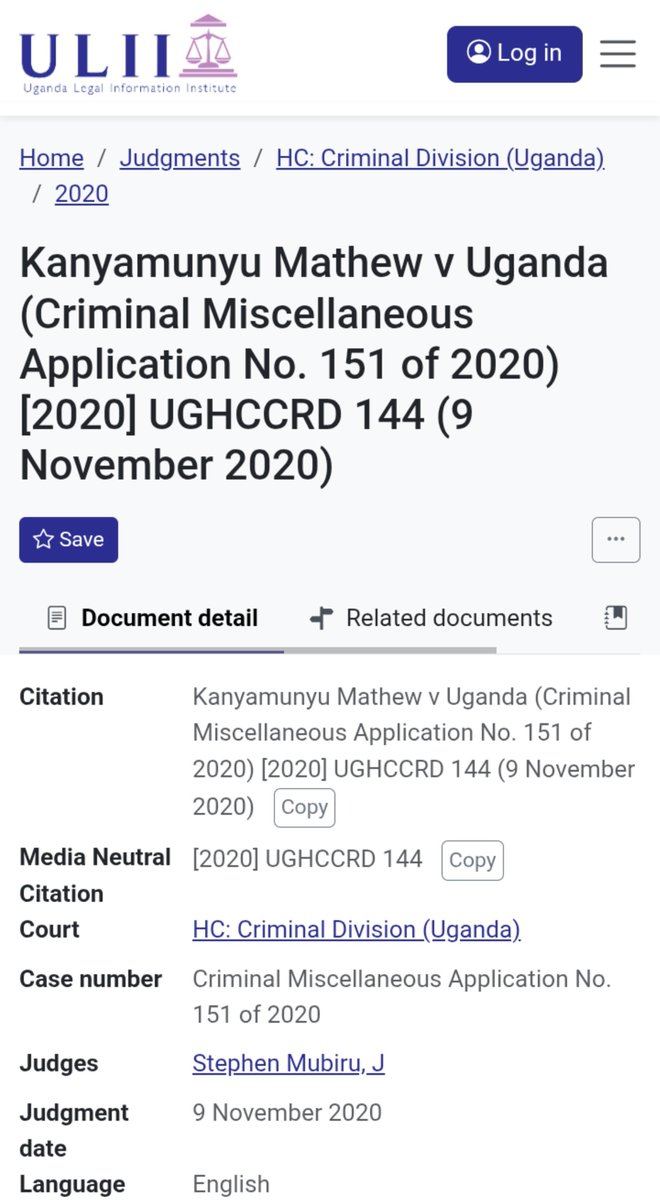
In 𝗖𝗮𝗿𝗹𝘁𝗼𝗻 𝗗𝗼𝘂𝗴𝗹𝗮𝘀 𝗞𝗮𝘀𝗶𝗿𝘆𝗲 𝘃 𝗦𝗵𝗲𝗲𝗻𝗮 𝗔𝗵𝘂𝗺𝘂𝘇𝗮 𝗕𝗮𝗴𝗲𝗶𝗻𝗲 𝗮𝗹𝗶𝗮𝘀 𝗧𝗮𝘀𝗵𝗮 (𝗖𝗶𝘃𝗶𝗹 𝗦𝘂𝗶𝘁 𝗡𝗼. 𝟮𝟱 𝗼𝗳 𝟮𝟬𝟮𝟬) [𝟮𝟬𝟮𝟲] 𝗨𝗚𝗛𝗖𝗖𝗗 𝟮𝟳𝟭, the High Court (Civil Division) delivered judgment on 𝟭𝟯 𝗔𝘂𝗴𝘂𝘀𝘁 𝟮𝟬𝟮𝟲 in favour of the Plaintiff.
The Plaintiff, a lawyer, sued the Defendant for defamation arising from publications made on various social media platforms, including X (formerly Twitter), Instagram, Facebook and WhatsApp. The publications, which began on or about 𝟮 𝗝𝗮𝗻𝘂𝗮𝗿𝘆 𝟮𝟬𝟮𝟬, falsely portrayed him as a rapist, a habitual abuser of women, and a person of immoral character.
Hon. Justice Collins Acellam found that the Plaintiff had successfully proved the essential elements of defamation on a balance of probabilities. The Court held that the impugned publications were attributable to the Defendant, referred to the Plaintiff, were false, and bore a defamatory meaning. The Defendant failed to establish any recognised defence.
The Court awarded the following remedies:
• 𝗚𝗲𝗻𝗲𝗿𝗮𝗹 𝗱𝗮𝗺𝗮𝗴𝗲𝘀 𝗼𝗳 𝗨𝗚𝗫 𝟱𝟬,𝟬𝟬𝟬,𝟬𝟬𝟬
• 𝗘𝘅𝗲𝗺𝗽𝗹𝗮𝗿𝘆 (𝗽𝘂𝗻𝗶𝘁𝗶𝘃𝗲) 𝗱𝗮𝗺𝗮𝗴𝗲𝘀 𝗼𝗳 𝗨𝗚𝗫 𝟭𝟬,𝟬𝟬𝟬,𝟬𝟬𝟬
• A permanent injunction restraining the Defendant from publishing or causing the publication of the impugned statements or statements of similar import
• An order directing the Defendant to publish an unequivocal retraction and public apology within 14 days (to remain accessible for 30 consecutive days)
• Interest at the prevailing court rate from the date of judgment until payment in full
• Costs of the suit.
@AyebaleDan@GilbertKarenzi@Uganda_LII
High Court at Kabale Rules That an Unappealed Taxed Bill of Costs Does Not Meet the Requirement for a Discretionary Stay of Execution, and the filing of a notice or memorandum of appeal does not, by itself, suspend execution of a judgment or decree.
The Court observed that where execution concerns a monetary award or taxed costs, an applicant should consider demonstrating circumstances showing that recovery of the money would be difficult if the appeal succeeds.
It was further observed that where execution is based on a certificate of taxation, an applicant seeking to stay execution should carefully consider whether the taxation itself has been challenged. In this case, the applicant had not appealed against the taxation decision concerning the UGX 29,260,000 bill of costs. The Court considered this omission significant and found that the applicant was, in effect, seeking to stay execution of a monetary award which she had not challenged.
Read more
https://t.co/BM99AQ0IXv
𝗥𝗲𝘀𝘁𝗼𝗿𝗮𝘁𝗶𝘃𝗲 𝗝𝘂𝘀𝘁𝗶𝗰𝗲: 𝗔𝗰𝗰𝗼𝘂𝗻𝘁𝗮𝗯𝗶𝗹𝗶𝘁𝘆 𝗕𝗲𝘆𝗼𝗻𝗱 𝗣𝘂𝗻𝗶𝘀𝗵𝗺𝗲𝗻𝘁
Restorative justice is an approach to justice that focuses on repairing the harm caused by wrongdoing, rather than simply punishing the offender. It brings together those who have been harmed, those who caused the harm, and, where appropriate, the wider community, to address the consequences of the offence and find practical ways to make things right.
Unlike the traditional criminal process, which centres on determining guilt and imposing a sanction, restorative justice asks different questions: Who was harmed? What do they need? Whose responsibility is it to repair the harm? And how can the offender be held accountable in a way that encourages genuine responsibility?
It typically follows these steps:
𝟭. 𝗔𝗰𝗸𝗻𝗼𝘄𝗹𝗲𝗱𝗴𝗲𝗺𝗲𝗻𝘁 𝗼𝗳 𝗵𝗮𝗿𝗺: The parties recognise that harm has occurred and identify who was affected and in what ways.
𝟮. 𝗗𝗶𝗮𝗹𝗼𝗴𝘂𝗲: A structured and facilitated conversation takes place. The victim is given space to explain the impact of the offence, while the offender is encouraged to take responsibility for their actions.
𝟯. 𝗔𝗴𝗿𝗲𝗲𝗺𝗲𝗻𝘁 𝗼𝗻 𝗿𝗲𝗽𝗮𝗶𝗿: The participants work out concrete steps the offender can take to repair the harm. This may include a sincere apology, restitution, compensation, community service, or other agreed actions that address the needs of the victim and the community.
𝟰. 𝗙𝗼𝗹𝗹𝗼𝘄-𝘁𝗵𝗿𝗼𝘂𝗴𝗵 𝗮𝗻𝗱 𝗿𝗲𝗶𝗻𝘁𝗲𝗴𝗿𝗮𝘁𝗶𝗼𝗻: The agreed actions are carried out, and support is provided to help the offender return to the community as a responsible member, reducing the likelihood of reoffending.
Restorative justice does not replace the formal criminal justice system and is not suitable for every case, particularly serious violent offences. However, in appropriate matters especially those involving young offenders, community-level disputes, and certain non-violent offences, it can give victims a stronger voice, promote genuine accountability, and support the offender’s reintegration into society.
@RestoreDialogue@TheLawyersDesk@MoJCA_UG@JudiciaryUG @ugandalawsociety
This is a real problem affecting many young lawyers.
Completing the Bar Course at LDC is already demanding. When graduates who have passed still face long delays before they can enrol, it leaves them in a difficult position, qualified, but unable to practise, take up certain jobs, or open chambers.
The backlog has both personal and professional costs. It also raises questions about the capacity of the enrolment process to keep pace with the number of people completing LDC.
Government, the Law Council and ULS need to address this with clear timelines and a more efficient system. Once someone has successfully completed the required training, the path to enrolment should not become another prolonged barrier.
There’s a concern over the delayed enrollment of LDC graduates as advocates, leaving a growing backlog of qualified lawyers unable to practise. Government ought to address the matter, and also consider the petition by LDC students outlining several concerns regarding their studies.
#KeepingTheGovtInCheck
This is a classic example of how security for costs in commercial litigation can effectively shut the door for many litigants.
While such orders are meant to protect respondents from frivolous claims and ensure that successful parties can recover costs, the practical effect is that only those with significant liquid capital can meaningfully access the Court in high-value disputes.
Former Uganda Cranes captain, Andy Mwesigwa has been ordered by Kampala’s Commercial Court to deposit UGX 392M as security before his case against ABC Capital Bank can proceed.
The amount is 30% of the UGX 1.3 Bn the bank claims he owes over a loan secured against his school in Wakiso.
#ZzinaUpdates
𝗧𝗵𝗲 𝗧𝗲𝗺𝗮𝗻𝗴𝗮𝗹𝗼 𝘀𝗮𝗴𝗮 𝗵𝗮𝘀 𝗯𝗲𝗲𝗻 𝗮𝗹𝗹 𝗼𝘃𝗲𝗿 𝘁𝗵𝗲 𝗻𝗲𝘄𝘀 𝘁𝗵𝗶𝘀 𝘄𝗲𝗲𝗸. 𝗛𝗲𝗿𝗲 𝗶𝘀 𝗵𝗼𝘄 𝗶𝘁 𝗮𝗰𝘁𝘂𝗮𝗹𝗹𝘆 𝗯𝗲𝗴𝗮𝗻 𝗮𝗻𝗱 𝘄𝗵𝘆 𝗶𝘁 𝗶𝘀 𝗯𝗮𝗰𝗸 𝗯𝗲𝗳𝗼𝗿𝗲 𝗣𝗮𝗿𝗹𝗶𝗮𝗺𝗲𝗻𝘁.
In 𝟮𝟬𝟬𝟴, the National Social Security Fund paid approximately 𝗨𝗚𝗫 𝟭𝟭.𝟮 𝗯𝗶𝗹𝗹𝗶𝗼𝗻 for 𝟰𝟲𝟯.𝟴𝟳 𝗮𝗰𝗿𝗲𝘀 of land in Temangalo, Wakiso District, from Arma Limited and businessman 𝗔𝗺𝗼𝘀 𝗡𝘇𝗲𝘆𝗶. The land was acquired for a planned housing project and the titles were transferred into the Fund’s name.
At the time of purchase, the parties signed a side arrangement allowing Nzeyi to retain a developed portion of the land, initially 𝟭𝟬𝟰.𝟴𝟴 𝗮𝗰𝗿𝗲𝘀 containing a farmhouse, paddocks and related structures on condition that he would provide NSSF with suitable alternative land within a short period.
That alternative land was never fully accepted. In 𝗢𝗰𝘁𝗼𝗯𝗲𝗿 𝟮𝟬𝟭𝟭, the two sides attempted to resolve the dispute. They agreed that Nzeyi would cede 50 acres, reducing the portion still subject to the swap to approximately 𝟱𝟰.𝟴𝟴 𝗮𝗰𝗿𝗲𝘀 (commonly referred to today as about 55 acres). Even after that reduction, the alternative land he later offered was largely found unsuitable after independent valuations.
As a result, Nzeyi has remained in occupation of the reduced portion for nearly 18 years, while NSSF has never secured full vacant possession of the entire land it paid for.
On 𝟭𝟱 𝗝𝘂𝗻𝗲 𝟮𝟬𝟮𝟲, NSSF issued an ultimatum requiring Nzeyi to provide acceptable alternative land or face enforcement by 𝟯𝟬 𝗝𝘂𝗻𝗲 𝟮𝟬𝟮𝟲. When the deadline passed, the Fund commenced High Court proceedings.
The matter reached 𝗖𝗢𝗦𝗔𝗦𝗘 after the committee conducted an on-site inspection and found the contested 55 acres still occupied and in active use. Both Nzeyi (through his lawyer) and NSSF management were then summoned to explain the continued occupation.
Before the committee, Nzeyi offered two options, that NSSF buys the remaining portion he still occupies which NSSF maintains that the it does not meet its investment criteria, or that he refunds the money paid for the contested acres.
After nearly two decades, what does this saga say about how public institutions protect assets bought with workers’ savings? @CEOEastAfrica@Parliament_Ug@SamMayanj@LDC_Uganda@MetaAloroE@ug_lawsociety
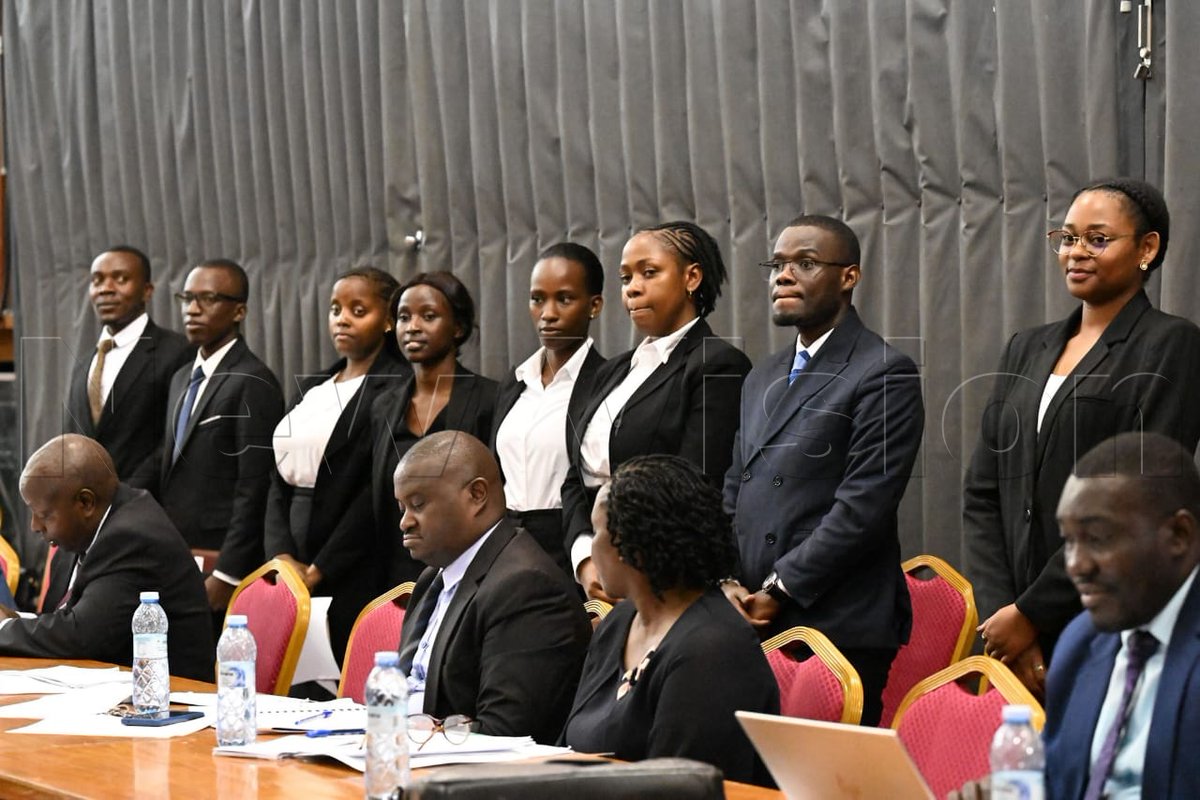
UPDATE: NSSF Executive Director Patrick Michael Ayota, accompanied by Chief Investment Officer Kenneth Owera and Chief Risk Officer Edward Senyonjo, appears before the Committee on Commissions, Statutory Authorities and State Enterprises (COSASE).
Photos by Maria Wamala
#VisionUpdates
𝗦𝗼𝗺𝗲 𝗶𝗻𝘁𝗲𝗿𝗲𝘀𝘁𝗶𝗻𝗴 𝗳𝗮𝗰𝘁𝘀 𝗮𝗯𝗼𝘂𝘁 𝗖𝗵𝗮𝗿𝗹𝗲𝘀 𝗣𝗲𝘁𝗲𝗿 𝗠𝗮𝘆𝗶𝗴𝗮, the current Katikkiro of Buganda:
Charles Peter Mayiga was appointed 𝗞𝗮𝘁𝗶𝗸𝗸𝗶𝗿𝗼 by Kabaka Ronald Muwenda Mutebi II on 𝟭𝟮 𝗠𝗮𝘆 𝟮𝟬𝟭𝟯, succeeding John Baptist Walusimbi. He has now served for over 13 years, making him one of the longest-serving Katikkiros in the Kingdom’s modern history.
Born in 1962 in Kasanje, Masaka District, he comes from a large family of 15 children. He is a lawyer by profession, holding a Bachelor of Laws degree from Makerere University and a Diploma in Legal Practice from the Law Development Centre. In 1994, together with Francis Buwule, he co-founded the law firm 𝗕𝘂𝘄𝘂𝗹𝗲 & 𝗠𝗮𝘆𝗶𝗴𝗮 𝗔𝗱𝘃𝗼𝗰𝗮𝘁𝗲𝘀, which specialises in commercial and land matters.
His formal service to Buganda began in 1991 when he was appointed Secretary to the Council of Elders (the body that prepared for the restoration of the monarchy). After the Kingdom was restored in 1993, he served in several successive roles, including Member of the Lukiiko, Junior Minister for Lukiiko Affairs, Minister for Youth and Cabinet Affairs, and later 𝗠𝗶𝗻𝗶𝘀𝘁𝗲𝗿 𝗼𝗳 𝗜𝗻𝗳𝗼𝗿𝗺𝗮𝘁𝗶𝗼𝗻 and Official Spokesperson. He was deeply involved in the early institutional rebuilding of the Kingdom and is known to have drafted numerous speeches for the Kabaka during those formative years.
As Katikkiro, Mayiga has focused on both cultural preservation and practical development. Key initiatives associated with his tenure include the 𝗘𝘁𝘁𝗼𝗳𝗳𝗮𝗮𝗹𝗶 mobilisation campaign (which supported the reconstruction of the Kasubi Tombs and other projects), the 𝗘𝗺𝗺𝘄𝗮𝗻𝘆𝗶 𝗧𝗲𝗿𝗶𝗺𝗯𝗮 coffee-growing programme aimed at improving household incomes, the establishment of BBS Terefayina, and the expansion of the 𝗸𝗮𝗯𝗮𝗸𝗮 𝗯𝗶𝗿𝘁𝗵𝗱𝗮𝘆 𝗿𝘂𝗻 into one of the region’s major charity events. Under his leadership, the Kingdom’s institutional structures and financial capacity have grown substantially.
He is also a prolific author. His published works include King on the Throne (which chronicles the first 16 years of Kabaka Mutebi’s reign), Buganda ku Ntikko, Ettoffaali, Uganda: 7-Key Transformation Idea, and Work and Prosper.
Throughout his tenure, Mayiga has consistently presented his role as one of service to the Kabaka and the people of Buganda, emphasising the twin goals of cultural continuity and economic self-reliance.
FACTS.
1- Who appoints the Katikkiro of Buganda kingdom? The Kabaka holds the sole traditional and constitutional authority to name the Katikkiro.
2- Can the Katikkiro resign?Historicaly some Katikkiro's have asked the Kabaka to voluntary Step-Down but traditionally it's abominable to step away from responsibility assigned to you by the Kabaka. It a sign of being a coward.
3- Who is the longest serving Katikkiro? Sir Apollo Kaggwa, who held the office for 36 years from 1890 until his resignation in 1926.
4- Term limits for Katikkiro? There are no fixed term limits for the Katikkiro of the Katikkiro of Buganda. The office holder serves at the sole discretion and pleasure of the Kabaka who appoints the Katikkiro without any constitutional restriction on the number of terms.
Anne Mbonye Tumwesigye’s profile is a useful reminder of the growing intersection between legal practice and board leadership in Uganda. Lawyers with solid corporate and governance experience continue to play an important role in strengthening institutional oversight, particularly in regulated sectors such as banking.
#WomeninBanking
Mrs Anne Mbonye Tumwesigye
Independent Non-Executive Director
Bank of Baroda Uganda
Anne Mbonye Tumwesigye’s career is a compelling blend of legal excellence, governance expertise, and boardroom leadership, firmly positioning her as a respected voice in Uganda’s corporate and legal landscape.
Currently serving as an Independent Non-Executive Director at Bank of Baroda Uganda, Anne brings strategic oversight and deep legal insight to the institution’s leadership, supporting sound governance and sustainable growth.
An Advocate of the High Court of Uganda and all subordinate courts, Anne has built a distinguished legal career spanning over two decades across both the private and public sectors.
She is also a Partner at Tumwesigye Mbonye & Company Advocates, where she specialises in Corporate Law and Corporate Governance, advising clients on complex legal and regulatory frameworks while strengthening institutional integrity. Her influence extends beyond legal practice into board leadership.
Anne has served on several boards of both private and public companies in Uganda, contributing to strong governance structures and strategic decision-making at the highest level. Academically, Anne holds a Bachelor of Laws degree from Makerere University, a Postgraduate Diploma in Legal Practice from the Law Development Centre, and a Master of Laws (LL.M) from the University of Cape Town.
Her academic grounding complements her extensive professional experience, particularly in corporate advisory and governance. She is a member of several professional bodies, including the Uganda Law Society, the East Africa Law Society, and the Institute of Corporate Governance Uganda—further reflecting her commitment to upholding legal standards and advancing governance practices.
Beyond the boardroom and courtroom, Anne is deeply passionate about environmental protection, championing sustainable practices and responsible stewardship, hence a board member at Greenwatch.
With her wealth of experience, strong legal foundation, and commitment to governance, Anne continues to shape institutions and influence Uganda's evolving corporate landscape.
#WomenInBankingUG #WomeninBanking #WomenFixingUganda #WomenInLeadership
Under 𝗢𝗿𝗱𝗲𝗿 𝟮𝟯 of the Civil Procedure Rules, a garnishee order nisi must be served on the judgment debtor (unless the court dispenses with service). Once served, the judgment debtor is entitled to appear before the court and 𝘀𝗵𝗼𝘄 𝗰𝗮𝘂𝘀𝗲 why the order should not be made absolute.
Ugandan decisions have consistently protected the judgment debtor’s right to be heard and have emphasised the mandatory nature of service. However, they have not drawn a sharp line on the precise method by which the challenge should be brought.
In this regard, the Nigerian Supreme Court decision in 𝗩𝗶𝘁𝗮𝗰𝗵𝗲𝗺 (𝗡𝗶𝗴𝗲𝗿𝗶𝗮) 𝗟𝗶𝗺𝗶𝘁𝗲𝗱 𝘃 𝗗𝗦𝗠 𝗦𝗶𝗻𝗼𝗰𝗵𝗲𝗺 𝗣𝗵𝗮𝗿𝗺𝗮𝗰𝗲𝘂𝘁𝗶𝗰𝗮𝗹𝘀 𝗜𝗻𝗱𝗶𝗮 𝗣𝗿𝗶𝘃𝗮𝘁𝗲 𝗟𝗶𝗺𝗶𝘁𝗲𝗱 (𝟮𝟬𝟮𝟲) 𝗟𝗣𝗘𝗟𝗥-𝟴𝟯𝟬𝟱𝟮 (𝗦𝗖) offers clear and useful guidance. The Court held that after a garnishee order nisi is made, the judgment debtor (and the garnishee) must file a 𝗰𝗼𝘂𝗻𝘁𝗲𝗿-𝗮𝗳𝗳𝗶𝗱𝗮𝘃𝗶𝘁 𝘀𝗵𝗼𝘄𝗶𝗻𝗴 𝗰𝗮𝘂𝘀𝗲 why the order should not be made absolute. A free-standing motion seeking to set aside the order nisi itself is 𝗻𝗼𝘁 𝗽𝗲𝗿𝗺𝗶𝘁𝘁𝗲𝗱.
The decision therefore provides persuasive comparative authority on the proper procedural path once the order nisi has been granted.
@CEOEastAfrica@Lawpointuganda@Uganda_LII@JSCUganda@JudiciaryUG@SamMayanj
A garnishee order nisi is not the final step in attaching a judgment debtor’s funds.
The judgment debtor still has an opportunity to show cause why the order should not be made absolute.
But what is the proper procedure for challenging the order nisi?
The Supreme Court’s
Lydia Mugambe, a Judge of the High Court of Uganda since 2013 and a Judge of the United Nations Criminal Tribunal, was, at the material time, a doctoral candidate in law at the University of Oxford.
On 𝟭𝟯 𝗠𝗮𝗿𝗰𝗵 𝟮𝟬𝟮𝟱, following a trial at Oxford Crown Court, she was convicted of the following offences:
• Conspiracy to do an act to facilitate the commission of a breach of UK immigration law by a non-UK national;
• Arranging or facilitating the travel of another person with a view to exploitation, contrary to 𝘀𝗲𝗰𝘁𝗶𝗼𝗻 𝟮 of the 𝗠𝗼𝗱𝗲𝗿𝗻 𝗦𝗹𝗮𝘃𝗲𝗿𝘆 𝗔𝗰𝘁 𝟮𝟬𝟭𝟱;
• Requiring a person to perform forced or compulsory labour, contrary to 𝘀𝗲𝗰𝘁𝗶𝗼𝗻 𝟭 of the 𝗠𝗼𝗱𝗲𝗿𝗻 𝗦𝗹𝗮𝘃𝗲𝗿𝘆 𝗔𝗰𝘁 𝟮𝟬𝟭𝟱; and
• Conspiracy to intimidate a witness.
The prosecution case, accepted by the jury, was that she arranged for a young Ugandan woman to enter the United Kingdom on a visa purportedly for employment as a private servant at a diplomatic residence, and thereafter required that woman to perform unpaid domestic work and childcare at her private residence in Oxfordshire.
On 𝟮 𝗠𝗮𝘆 𝟮𝟬𝟮𝟱 she was sentenced to a term of six years and four months’ imprisonment. In his sentencing remarks, the learned Judge observed that the defendant had shown no remorse and had sought to attribute responsibility to the victim.
Six years and four months.
That is the prison sentence Lydia Mugambe is now serving in the U.K., after being convicted of modern slavery and immigration offences in March 2025.
But how did a Ugandan High Court Judge end up in a British prison?
This is the Story. 🧵⤵️
Dembe Enterprises registered the mark “SUPREME” in Class 30 as far back as 2007. Years later, Mandela Millers built a substantial flour business under the same name, only to discover it could not register the mark because of that prior registration. The company was forced to file a cancellation application in 2021 under the Trademarks Act, relying on non-use. It had to prove that the registered proprietor had not put the mark to bona fide use for the continuous period required by law.
After a contested process, the Assistant Registrar of Trademarks cancelled and removed the mark from the register in July 2024. Only then was the path cleared for Mandela Millers to secure the brand it had already invested in for years.
The practical lesson is clear: commercial investment in a brand should not outrun formal trademark clearance and registration. Prior rights remain enforceable even after long use by another party, and removing an unused mark requires evidence, time, and resources. Early searches and registration remain the more efficient protection.
How Mandela Millers Won a Trademark Battle Over Supreme Wheat and Maize Flour Brands
After four years of building Supreme into a recognised flour brand, Omar Ahmed, popularly known as Mandela, discovered @MillersMandela could not protect its investment; the trademark belonged to another company. What followed was a years-long legal battle that ultimately cleared the way for Mandela Millers to secure its brand ambitions.
Read full story 👉🏾 https://t.co/4Z5encfw7m
Criminal revision is supervisory, not anticipatory. Where the subordinate court has reserved objections for determination after full hearing, there is no final decision yet ripe for revision. The High Court correctly declined to take over an unfinished inquiry.
*DPP WINS BATTLE AS HIGH COURT DRAWS THE LINE ON PREMATURE CRIMINAL REVISION*
In the case of Michael Katungi Mpeirwe against the Director of Public Prosecutions (DPP), Criminal Revision No. HCT-00-CR-CV-0014-2026, the High Court at Kampala, Criminal Division, delivered an important pronouncement on the proper boundaries of its revisionary jurisdiction.
The case arose from extradition proceedings in which the United States seeks the surrender of Michael Katungi Mpeirwe to face charges before the U.S. District Court for the Eastern District of Virginia. Before the Chief Magistrate's Court, the Applicant raised several objections concerning the procedure adopted to commence the extradition proceedings, the competence and authentication of supporting affidavits, diplomatic immunity, the specialty doctrine, and the legality of aspects of the extradition process.
The Chief Magistrate declined the request for a constitutional reference but reserved several other objections for determination after the full hearing, having found that they involved mixed questions of law and fact requiring evidential interrogation.
The Applicant moved to the High Court seeking revision, reversal or setting aside of that ruling.
In the ruling delivered by the court on 3rd August 2026, Justice Simon Peter M. Kinobe held that revision cannot become an avenue through which the High Court is invited to determine matters that the subordinate court has not yet finally decided. Where objections remain pending, and the substantive rights of the parties have not been finally disposed of, there is simply no final determination ripe for revision.
The ruling amplified the fact that criminal revision is supervisory, not anticipatory. It corrects a decision already made; it does not wrest an undecided question from the trial court merely because a party desires an earlier answer.
The Court consequently dismissed the application as premature, remitted the file to the Chief Magistrate’s Court for conclusion of the extradition proceedings in accordance with the law, and vacated all orders that had stayed those proceedings.
It is clear from the ruling that not every adverse interlocutory step is immediately revisable. Not every preliminary objection demands instant determination. And revision should not become an interlocutory appeal disguised as supervisory jurisdiction.
Where a question depends upon contested facts and evidence yet to be tested, judicial restraint may require allowing the trial court to complete its inquiry first.
The High Court supervises subordinate courts; it does not conduct their unfinished trials for them.
The Office of the DPP was represented by Ms. Adrine Asingwire, Chief State Attorney.
This continues the pattern of courts requiring parties to satisfy the usual tests for interim relief rather than treating the mere filing of a petition as a bar. The substantive constitutional issues will still have to be determined on their merits.
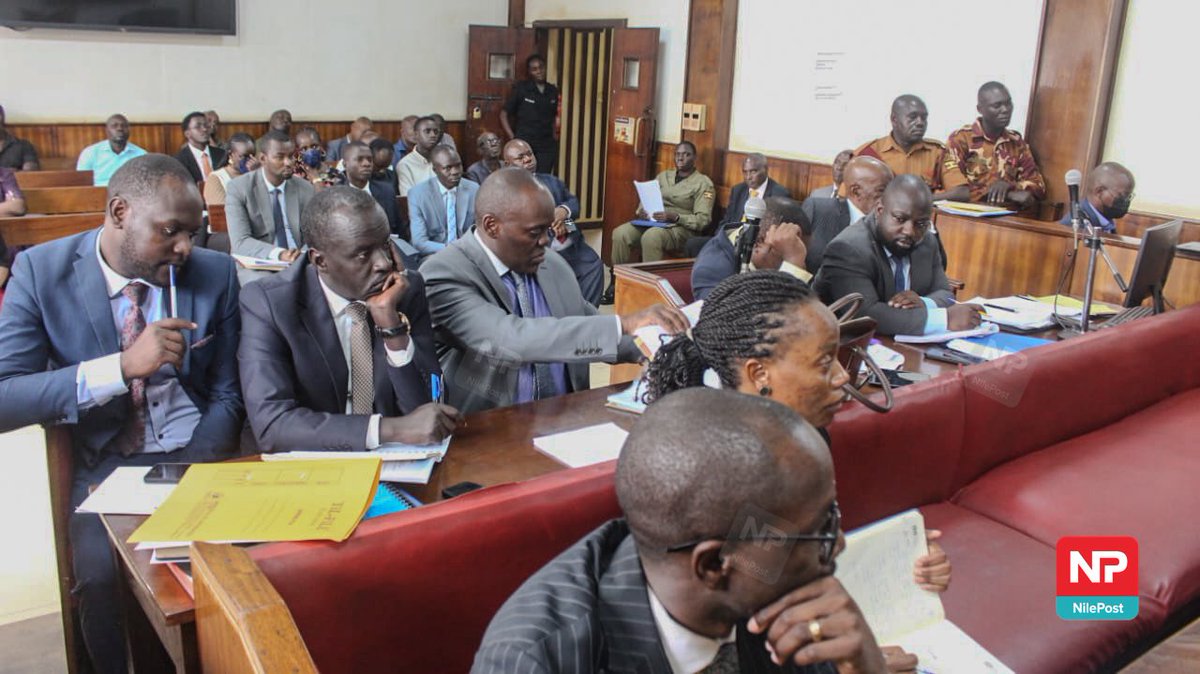
Buganda Road Chief Magistrate Ritah Kadasa has rejected a bid by former UPDF officer Michael Katungi Mpeirwe to halt extradition proceedings to the United States, ruling that the case should proceed despite a pending constitutional petition.
📸 @KiberuSirajje1#NilePostNews
Ringfencing a modest amount for the clerkship student and requiring receipts creates accountability while still allowing the firm to charge out the value of the work.
If more firms adopted this, it would go a long way in professionalising the early stage of legal practice and reducing the exploitation that still happens under the guise of “experience.”
Well put.








![thebarbrief13's tweet photo. 𝗛𝗶𝗴𝗵 𝗖𝗼𝘂𝗿𝘁 𝗮𝘄𝗮𝗿𝗱𝘀 𝗨𝗚𝗫 𝟲𝟬 𝗺𝗶𝗹𝗹𝗶𝗼𝗻 𝗶𝗻 𝗱𝗲𝗳𝗮𝗺𝗮𝘁𝗶𝗼𝗻 𝘀𝘂𝗶𝘁 𝗼𝘃𝗲𝗿 𝘀𝗼𝗰𝗶𝗮𝗹 𝗺𝗲𝗱𝗶𝗮 𝗽𝗼𝘀𝘁𝘀
In 𝗖𝗮𝗿𝗹𝘁𝗼𝗻 𝗗𝗼𝘂𝗴𝗹𝗮𝘀 𝗞𝗮𝘀𝗶𝗿𝘆𝗲 𝘃 𝗦𝗵𝗲𝗲𝗻𝗮 𝗔𝗵𝘂𝗺𝘂𝘇𝗮 𝗕𝗮𝗴𝗲𝗶𝗻𝗲 𝗮𝗹𝗶𝗮𝘀 𝗧𝗮𝘀𝗵𝗮 (𝗖𝗶𝘃𝗶𝗹 𝗦𝘂𝗶𝘁 𝗡𝗼. 𝟮𝟱 𝗼𝗳 𝟮𝟬𝟮𝟬) [𝟮𝟬𝟮𝟲] 𝗨𝗚𝗛𝗖𝗖𝗗 𝟮𝟳𝟭, the High Court (Civil Division) delivered judgment on 𝟭𝟯 𝗔𝘂𝗴𝘂𝘀𝘁 𝟮𝟬𝟮𝟲 in favour of the Plaintiff.
The Plaintiff, a lawyer, sued the Defendant for defamation arising from publications made on various social media platforms, including X (formerly Twitter), Instagram, Facebook and WhatsApp. The publications, which began on or about 𝟮 𝗝𝗮𝗻𝘂𝗮𝗿𝘆 𝟮𝟬𝟮𝟬, falsely portrayed him as a rapist, a habitual abuser of women, and a person of immoral character.
Hon. Justice Collins Acellam found that the Plaintiff had successfully proved the essential elements of defamation on a balance of probabilities. The Court held that the impugned publications were attributable to the Defendant, referred to the Plaintiff, were false, and bore a defamatory meaning. The Defendant failed to establish any recognised defence.
The Court awarded the following remedies:
• 𝗚𝗲𝗻𝗲𝗿𝗮𝗹 𝗱𝗮𝗺𝗮𝗴𝗲𝘀 𝗼𝗳 𝗨𝗚𝗫 𝟱𝟬,𝟬𝟬𝟬,𝟬𝟬𝟬
• 𝗘𝘅𝗲𝗺𝗽𝗹𝗮𝗿𝘆 (𝗽𝘂𝗻𝗶𝘁𝗶𝘃𝗲) 𝗱𝗮𝗺𝗮𝗴𝗲𝘀 𝗼𝗳 𝗨𝗚𝗫 𝟭𝟬,𝟬𝟬𝟬,𝟬𝟬𝟬
• A permanent injunction restraining the Defendant from publishing or causing the publication of the impugned statements or statements of similar import
• An order directing the Defendant to publish an unequivocal retraction and public apology within 14 days (to remain accessible for 30 consecutive days)
• Interest at the prevailing court rate from the date of judgment until payment in full
• Costs of the suit.
@AyebaleDan @GilbertKarenzi
@Uganda_LII](https://pbs.twimg.com/media/HQbGVHJWEAA08wa.jpg)