After clocking ~30M txs/day, activating 75mn wallets and reaching 169mn users..
We’re excited to finally break the news - The Binary Network is an @avax L1.
This is one giant step forward in our mission to onboard Web2 users onto Web3.
Through Avalanche’s sub-second finality, we ensure loyalty points move at scale across millions of devices.
Full details: https://t.co/0Vsx829043
Users open a bank app or a large-scale operator's app for a reason. It was never built to be opened without one. That's transactional dependency, users show up when they must and leave when they're done.
TBH's engagement infrastructure builds habitual pull into these enterprise apps. Transforming them into something a user opens out of curiosity, routine, or the quiet sense that there's something in it for them today.
Most enterprise apps are one. Very few are the other. The gap between them is what engagement infrastructure closes.
Most loyalty programs move value in one direction. Users collect points they rarely redeem.
TBH's engagement infrastructure is built on the same principle but executes it differently. Every interaction returns something tangible to the user, airtime, data, vouchers, real value.
The result is an ecosystem where enterprises generate measurable revenue, users walk away with real value, and every interaction strengthens the next one.
New infrastructure usually comes with a question mark. TBH's engagement infrastructure doesn't.
Outcomes are built into how it's designed to work.
1. User Activation: By introducing incentivized engagement and real value exchange, users move from passive consumption to active participation.
2. No operational disruption - TBH layers on top of existing apps without touching core systems. Enterprises go live in weeks, not quarters, with zero rebuilding required.
3. Measurable from day one - Engagement, redemption rates, revenue impact. Every interaction produces data that connects directly to business outcomes.
Enterprises don't take a bet on TBH. They activate what they already have.
TBH is built for large-scale enterprises who understand that the next revenue line doesn't always require a new product, it's sitting inside the app they already own.
The enterprises that recognize distribution itself as an asset. Millions of users, recurring app visits, and sustained digital attention are not just operational metrics, they are monetizable opportunities when activated with TBH’s engagement infrastructure.
For large scale enterprises, transforming their current ecosystems, not only adds complexity but requires a tremendous amount of time & resources.
Our solution integrates seamlessly their within current infrastructure without requiring them to change what already works.
The engagement infrastructure enables enterprises to extend user journeys beyond a single utility and build an engagement loop that users return to.
This activates existing user engagement and converts it into measurable economic value.
The outcome is straightforward: incremental value, zero friction, zero risk.
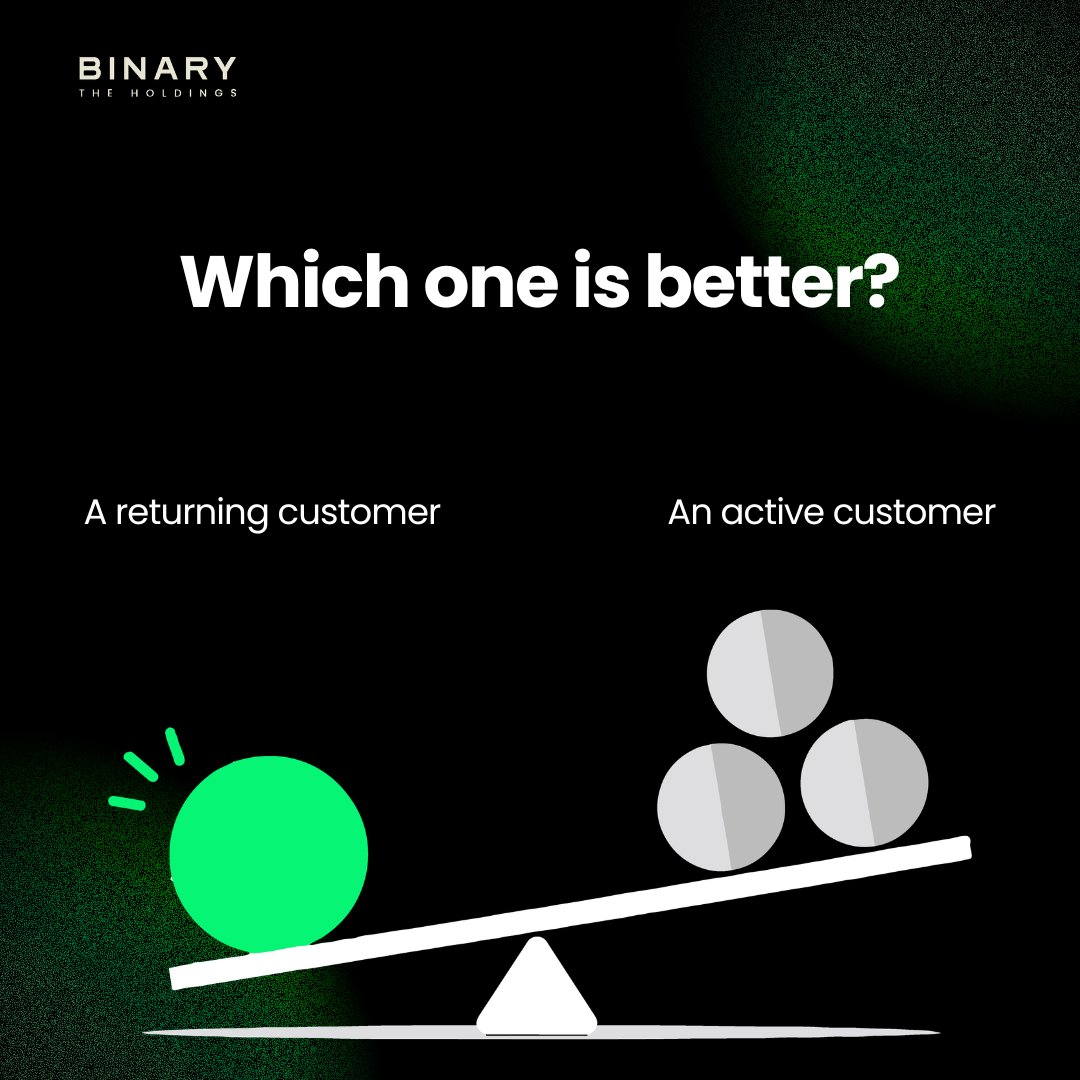
Most large-scale enterprises have built their apps around bringing users back for a transaction. Bill paid, top-up done, session closed. That counts as a win and in many ways it is. But it's a fraction of what the app is capable of delivering.
An active user doesn't just return, they engage. They spend time, interact with content, respond to rewards, and in doing so generate data, attention, and revenue that a returning customer never produces. The difference in lifetime value between the two isn't marginal, it's structural.
TBH's engagement infrastructure is built to close that gap. Enterprises already have the returning customers. The infrastructure converts them into active users, ones who have a reason to stay beyond the transaction, and a reason to come back before the next one.
The app was always capable of more. Most enterprises just never gave it the chance.
Around 2016, regular mobile internet access was still limited relative to India’s population.
Mobile internet access was largely concentrated among higher-income users due to the high cost of data. Vodafone and the other carriers, they were pricing data in India at the same level as data in the US.
Over the following years, smartphone adoption accelerated dramatically, and by 2022 India had approximately 800 million smartphone users.
Reliance Jio is widely considered the primary catalyst for the accelerated adoption of smartphones and mobile data in India.
Jio demonstrated that user behaviour can be transformed at scale when value becomes undeniable.
The core insight is that when users perceive clear and immediate value, adoption and engagement increase rapidly.
TBH applies a similar principle to user behavior within enterprise apps.
Our engagement infrastructure increases the value users receive from their interactions. By rewarding engagement and enabling easy redemption, the infra creates a direct value exchange that encourages users to return more often and engage more deeply
Users trust an enterprise app. They've downloaded it, logged in, navigated it.
That familiarity is an asset most enterprises don't fully use. TBH's engagement infrastructure builds on top of it. Same app, same interface, now with rewards, content, and experiences layered in. Users don't have to learn anything new. They just have more reason to stay.
Familiarity is the foundation. TBH builds the engagement on top of it.
@MerlijnTrader Asset tokenisation is no longer a future-state concept. For banks, fintechs, and enterprises moving money at scale, they're becoming the smarter rail.
Changing a habit is hard.
WeChat didn't get to a billion daily active users by being useful. It got there by becoming unavoidable.
The platform is woven into how users live, pay, communicate, and consume. That's habit formation at scale.
Most large-scale enterprises sit on tens of millions of users and apps that see them once a month. The infrastructure was built for speed of transaction, not depth of engagement.
TBH's engagement infrastructure changes that dynamic. The Engage, Earn, Redeem loop gives users a reason to come back that has nothing to do with their bill cycle.
Rewards tied to real behaviour, content and experiences layered inside the existing app.
Habits don't form around apps. They form around value. TBH builds the infrastructure that delivers it.
Millions of users already interact with enterprise applications (think: telco & banking). TBH’s engagement infrastructure activates user engagement and turns it into a new source of revenue.
No new infrastructure. Just more value from what you already have.
The more user spends time on your app, the more revenue opportunities surface.
Our ready-to-integrate engagement infrastructure delivers speed and scale, driving real results in just a few weeks.
More user activation. Better retention. Stronger growth.
@s_alderoty The bill creates clean jurisdictional lanes between the SEC and CFTC, and that unlocks entire sectors that have been frozen by regulatory ambiguity for years.
Around 2016, regular mobile internet access was still limited relative to India’s population.
Mobile internet access was largely concentrated among higher-income users due to the high cost of data. Vodafone and the other carriers, they were pricing data in India at the same level as data in the US.
Over the following years, smartphone adoption accelerated dramatically, and by 2022 India had approximately 800 million smartphone users.
Reliance Jio is widely considered the primary catalyst for the accelerated adoption of smartphones and mobile data in India.
Jio demonstrated that user behaviour can be transformed at scale when value becomes undeniable.
The core insight is that when users perceive clear and immediate value, adoption and engagement increase rapidly.
TBH applies a similar principle to user behavior within enterprise apps.
Our engagement infrastructure increases the value users receive from their interactions. By rewarding engagement and enabling easy redemption, the infra creates a direct value exchange that encourages users to return more often and engage more deeply
@Ripple@CNBC We're at the point where the foundation is mature enough that the market understands what the next decade of applications, financial products, and economic activity gets built with that foundation taken for granted as internet protocols when they open a banking app today.