Check out these intriguing stats and insights about @IBKR, a leading global online brokerage and a top favorite among European investors 📊 👇
https://t.co/vG6hmVbGtU
The EU is set to ban payment for order flow (PFOF), a practice through which brokers receive payments for forwarding client orders to certain trading venues.
However, there doesn't seem to be a causal relationship between PFOF and execution quality.
https://t.co/oVlBd3RPYu
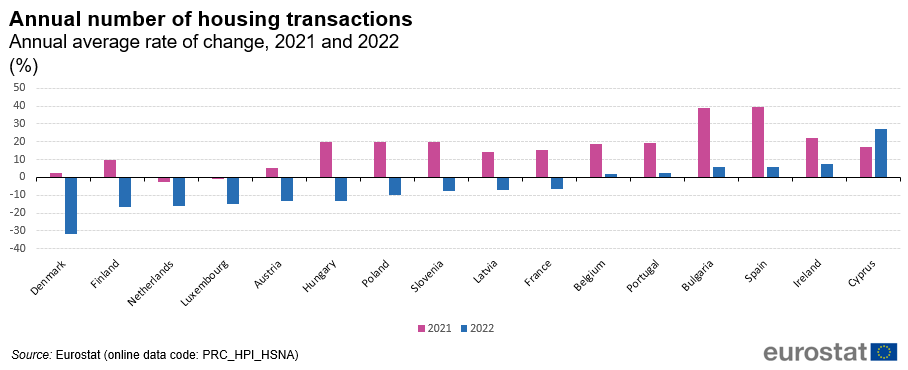
In 2022, compared to 2021, property sales increased in Cyprus (+27.4%), Ireland (+7.7%), and Spain (+6.0%). On the other hand, the largest decreases were seen in Denmark (-31.6%), Finland (-16.6%), the Netherlands (-16.2%), and Luxembourg (-15.1%).
Construction boom? Building permits in Malta, Spain, Croatia, Slovenia, and Bulgaria rose by 10% to 29% in 2022 compared to 2021. Meanwhile, Luxembourg and Austria saw quite a dramatic fall. Construction costs went up by 53.6% in Bulgaria compared to the 11.9% EU average.
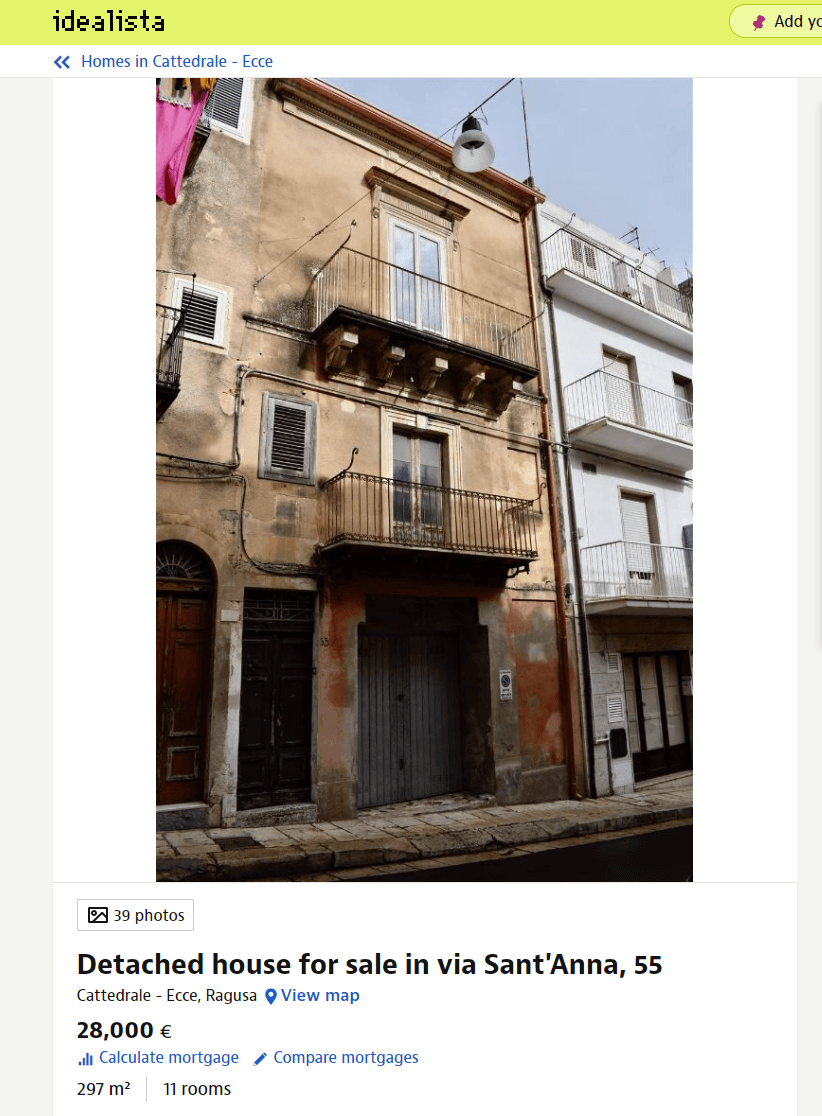
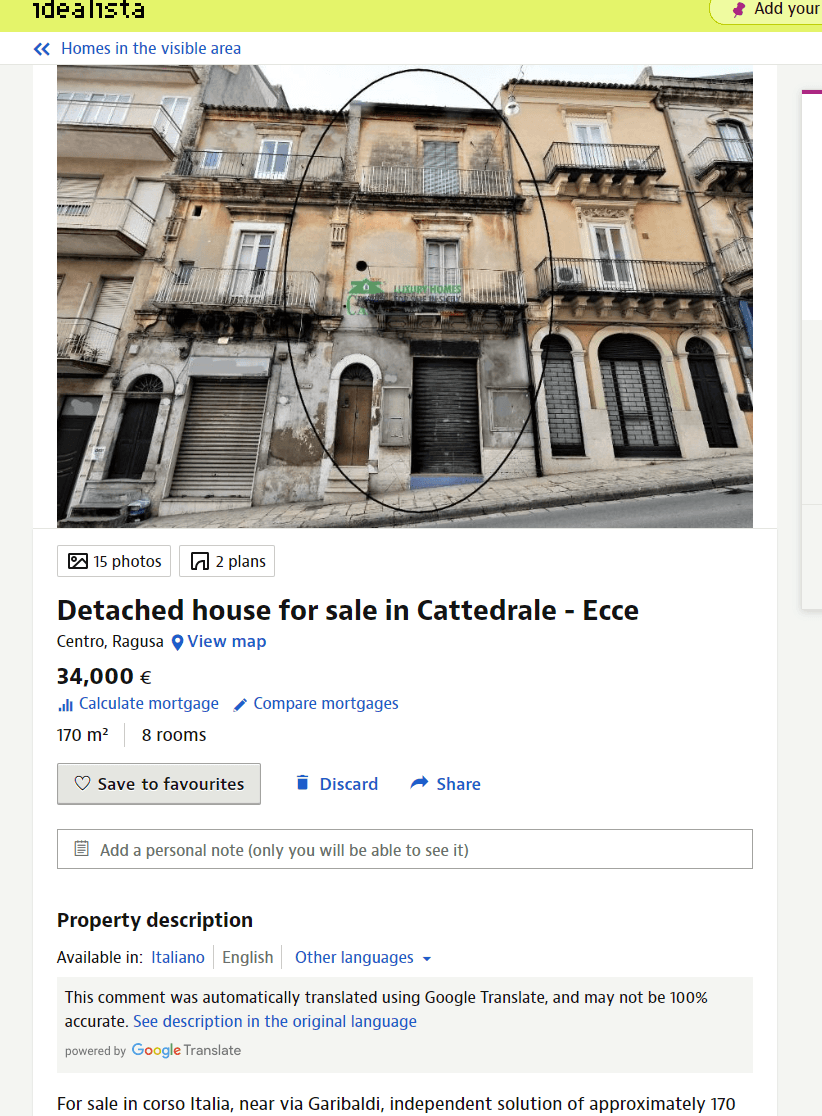
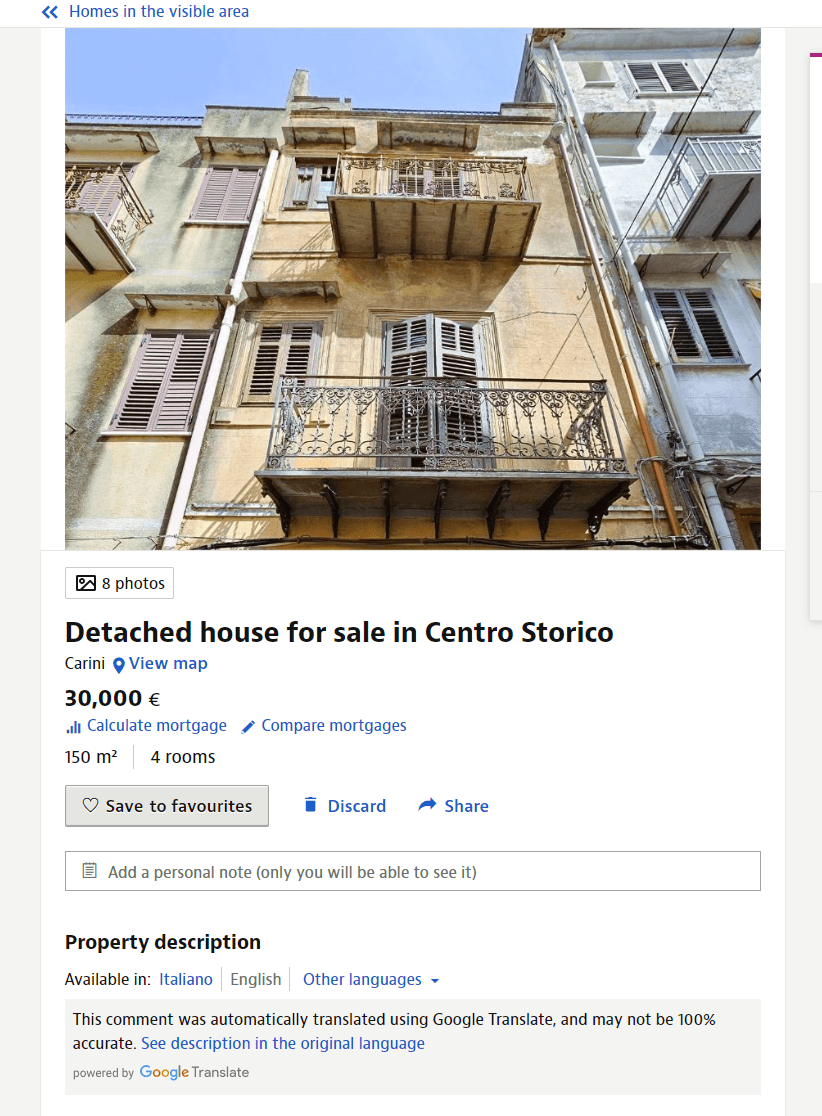
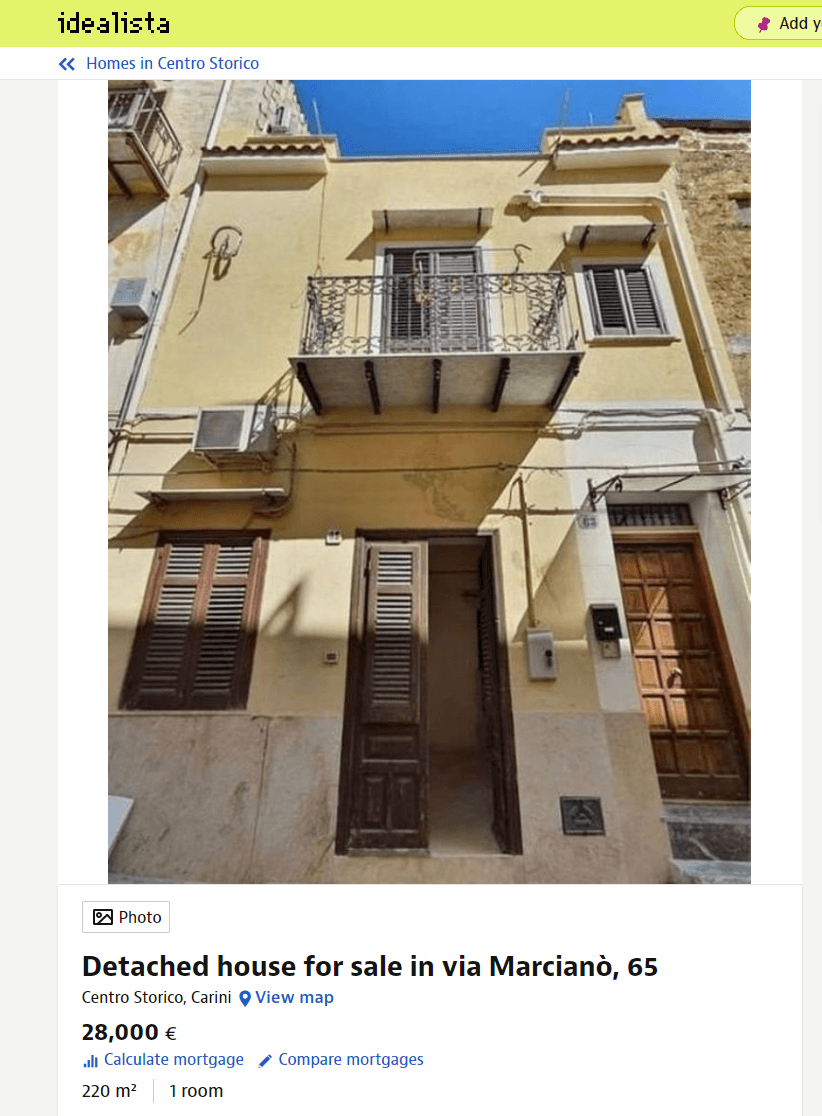
Buongiorno from Sicily 🇮🇹 where you can buy a house in one of the island's historic towns for less than €35,000. With a bit of imagination and hard work, these are opportunities for Airbnb or holiday homes. For those considering relocating, there's a generous 90% tax cut.
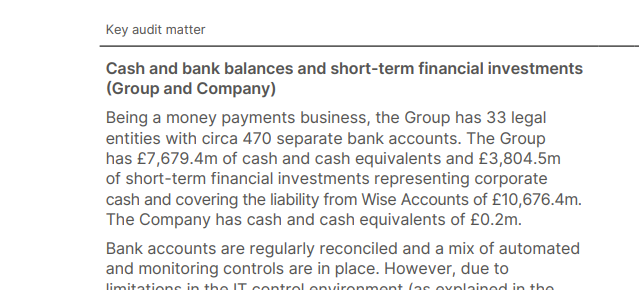
Apparently, @Wise has 470 bank accounts across its different entities. That's pretty impressive. Perhaps the highest number for a company based in Europe? Glad I'm not in charge of reconciliation though.
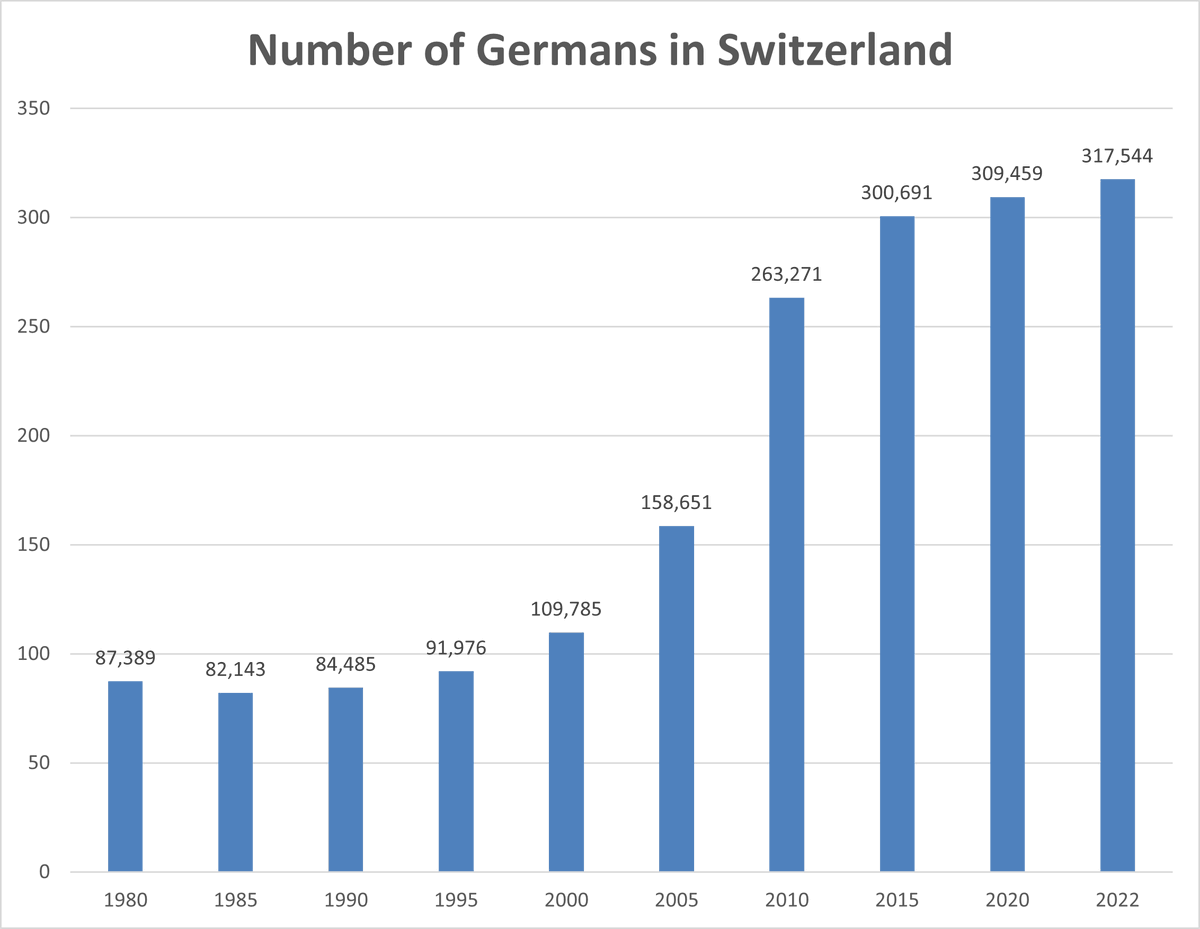
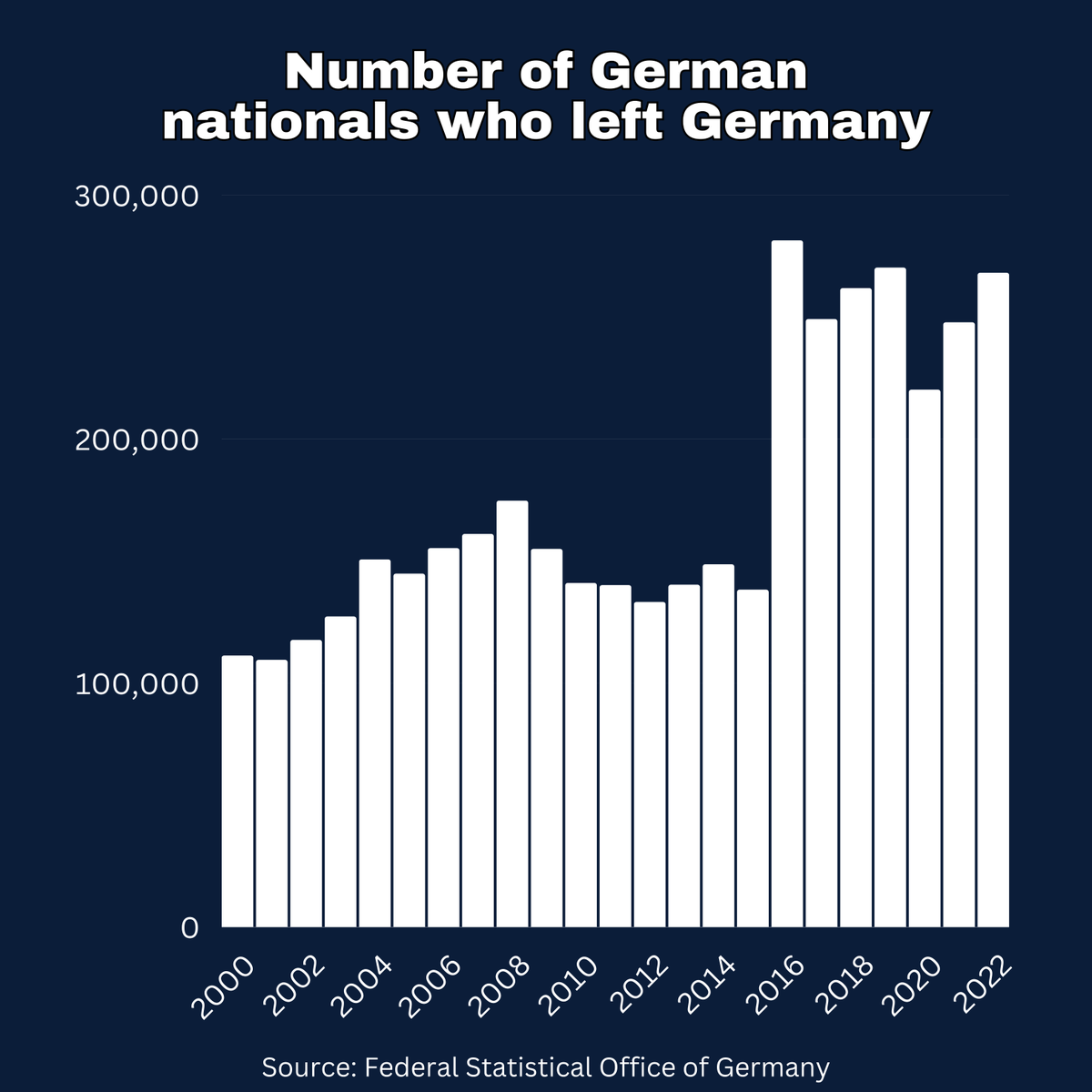
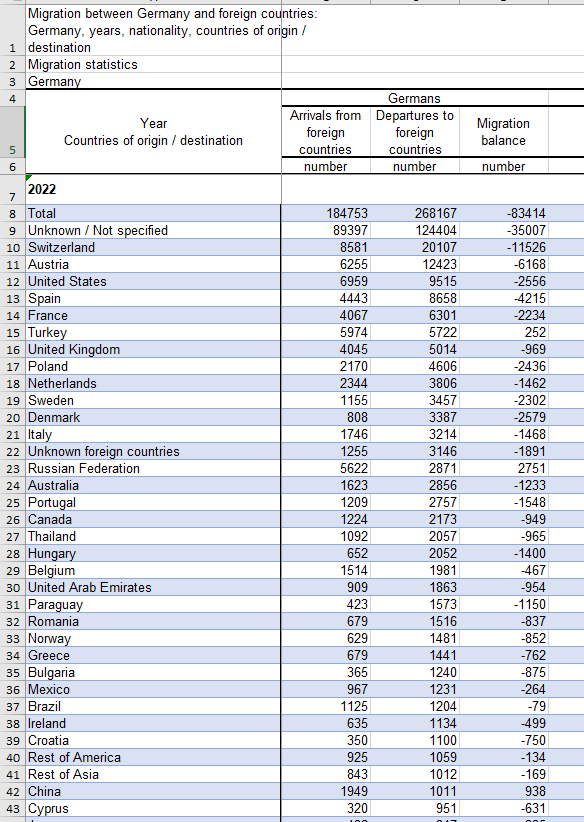
The numbers in Herr Zschaepitz's chart don't seem accurate, but the underlying trend is clear: German emigration is picking up. Die Deutschen are leaving. Also, since 2015, the net migration of passport holders has been negative = more have left than returned.
Good morning from #Germany, which is also increasingly becoming a country of emigration. Last year, 1.204 million Germans emigrated. Since 2016, more than one million people have emigrated for the fifth time. Germans emigrate mainly to Switzerland, Austria, and the USA.
@famandfire@ashields42 You should be able to stay more than 90 days if you have a citizenship application going. What you need is a permesso di soggiorno in attesa di cittadinanza.
@Wise A few corrections:
Ponga (Spain) and Antikythera (Greece) will not pay you to move there.
The proposal in Ponga was rejected by the council in 2007, while Antikythera has never subsidised new residents.
Alternatives: Sardinia and Portugal have real relocation programmes ��
The foreign population residing in Portugal increased in 2022 for the seventh consecutive year, totalling 781,915 citizens, according to SEF.
#resident#portugal#portugalnews
https://t.co/wsm6qfodSm
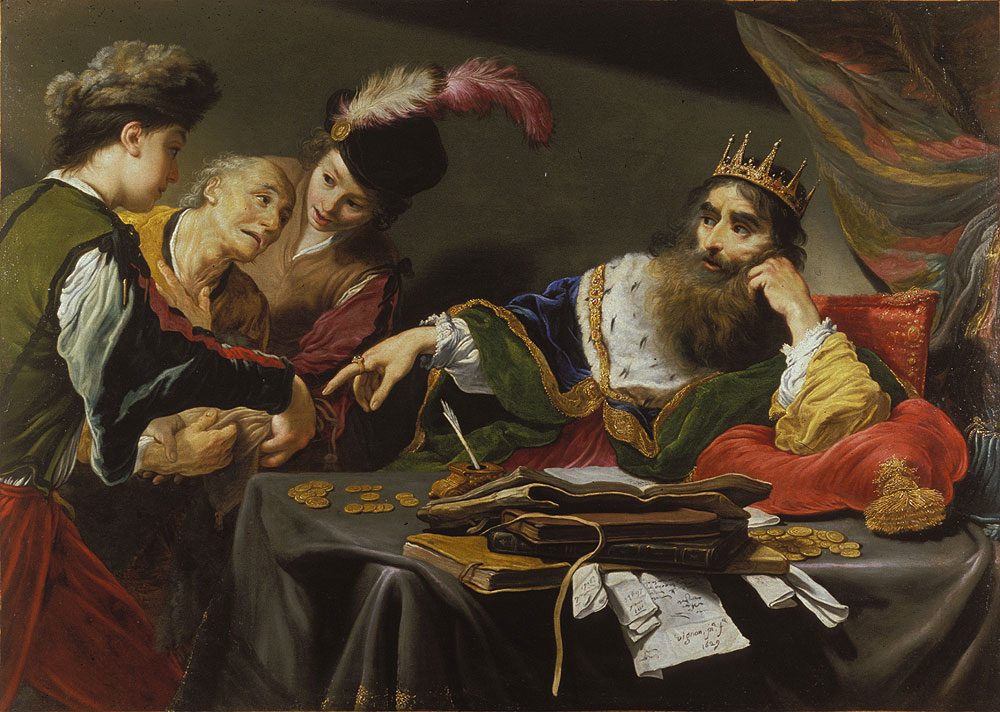
1️⃣ Roman denarius: a cautionary tale
2️⃣ Started as a strong silver coin but debased to fund public spending. 75% -> 0.5% silver.
3️⃣ Hyperinflation, worthless money, the Empire fell
4️⃣ History repeats: rulers seek short-term solutions, later generations bear the consequences.
Takeaway: Rome and Greece laid the foundations for our monetary and economic system. They spread this medium of exchange worldwide and shaped the course of civilisation. Tragically, coin debasement, inflation, taxes, and social unrest brought the Greco-Roman world to an end.
Rise and fall of money:
1200-1100 BC: Dorians migrate south to end Mycenaean civilization.
1100-1000 BC: Ionians, displaced by Dorians, immigrate to Asia Minor.
610 BC: Lydians invent coinage, spreading to Ionian Greeks in Asia Minor via trade, then Greek islands, then West.
50-45 BC: Rome issues the gold coin known as the aureus. Caesar puts his own face on a Roman coin. This is the first time a living Roman is displayed.
6th to 11th century AD: Western Rome fades, coinage declines in Europe. During the Middle Ages, new currencies emerge.