📆 Our next webinar is on the role of steroid injections in clinical practice, and is now open for registration. This is being held at 7pm, Tuesday 30th April.
Check your inbox for a members registration link sent today or get more details here -> https://t.co/3BzEOU0bhp
This exercise should be mandatory if you sit at a desk.
It's called a Glute Bridge Hold.
Here's why you need to do this:
Your glutes should be one of the strongest muscles in your body.
But due to desk jobs & long periods of sitting they get weaker. This puts more pressure on the lower back to support the body causing low back pain.
When you sit for hours on end you put pressure on your glute muscles. This keeps them in a lengthened position & tightens the hip flexors making the glutes less likely to fire properly.
A simple set of 12-15 reps before or after sitting down can be enough to "wake up" your glutes so they stay activated.
Make sure to focus on your butt muscles squeezing at the top of the movement.
Remember that humans were not meant to sit at a desk for 8 hours a day.
This exercise will help reverse the effects. You might even feel some relief in your low back as a result of doing it.
Over the years, speaking with circadian biologist @SatchinPanda has driven home for me that there is a special value on maintaining an essentially orderly rhythm of living.
Meaning, there is a special health value for:
• Generally eating at the same time on most days
• Going to bed at the same time on most days
The complex orchestra of our tissues essentially benefit from being able to form some hormonal and genetic expectations of timing.
So while it’s not especially conducive to an exciting lifestyle, it’s not surprising to me that “social jetlag,” which is changing the time you sleep on the weekends so that it’s different than the weekdays, has some consequences:
A recent study showed that a 90-minute difference in sleep timing, called “social jetlag,” can alter the abundance of six different microbiota in the gut.
Three of which are associated with negative health indicators, including poor diet quality, markers of obesity and cardiovascular risk, and higher inflammation levels: https://t.co/IgfGQegzuj
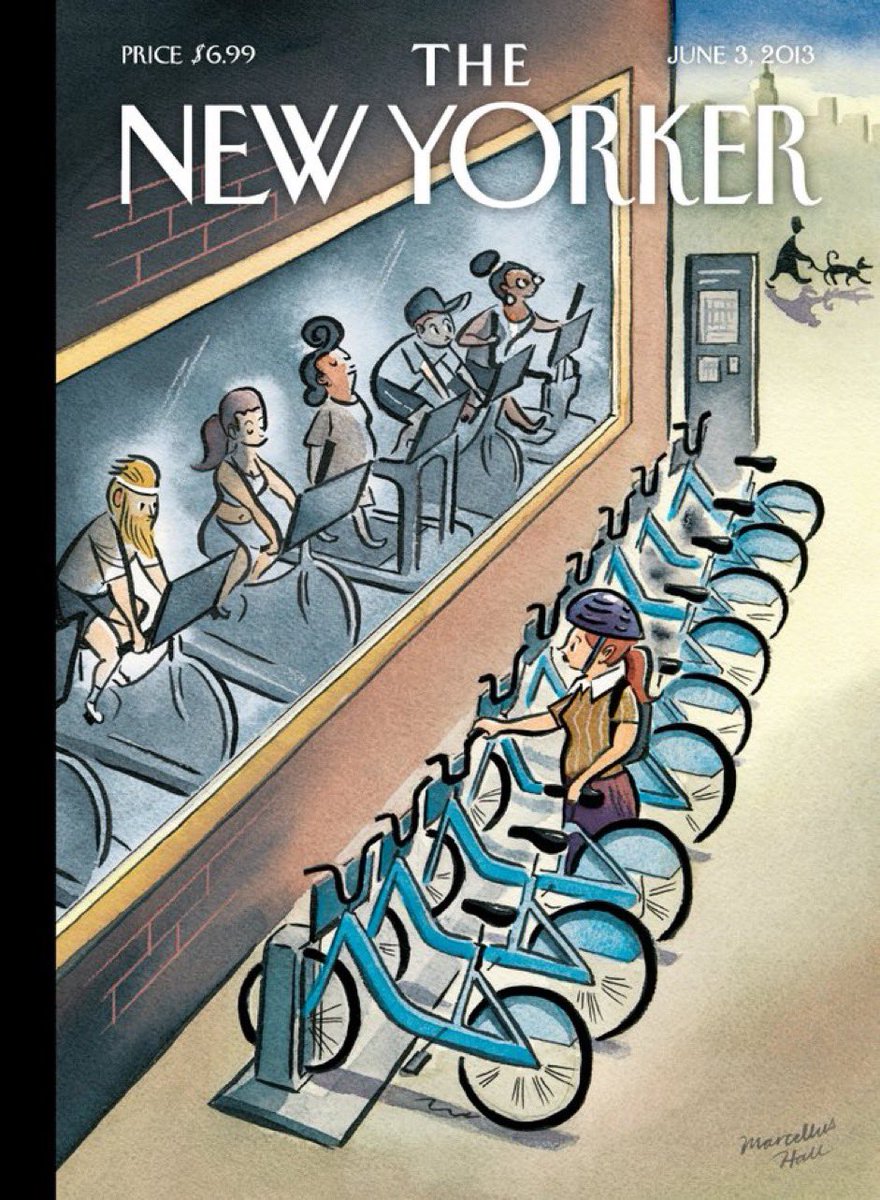
What if we designed cities, and the land-uses, densities and infrastructure that make them what they are, so that daily activity and exercise was just an ordinary, “invisible” part of every day life?
It’s actually not that hard. You just have to change priorities. #HealthyCities
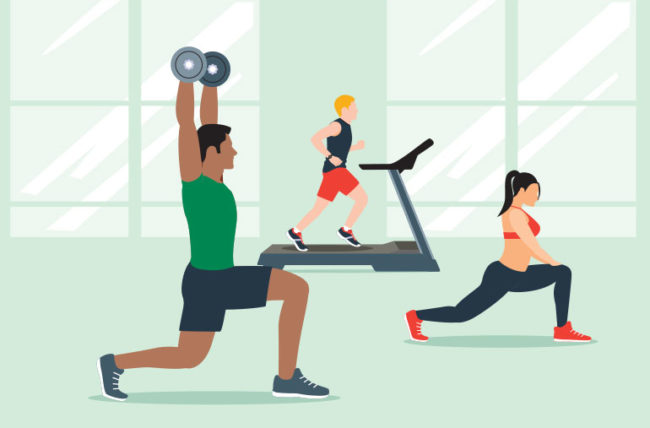
HIIT is safe for most people, ⚠️however caution should be taken and medical advice sought particularly in those with a history of cardiovascular disease.
🚨HOT OFF THE PRESS🔥
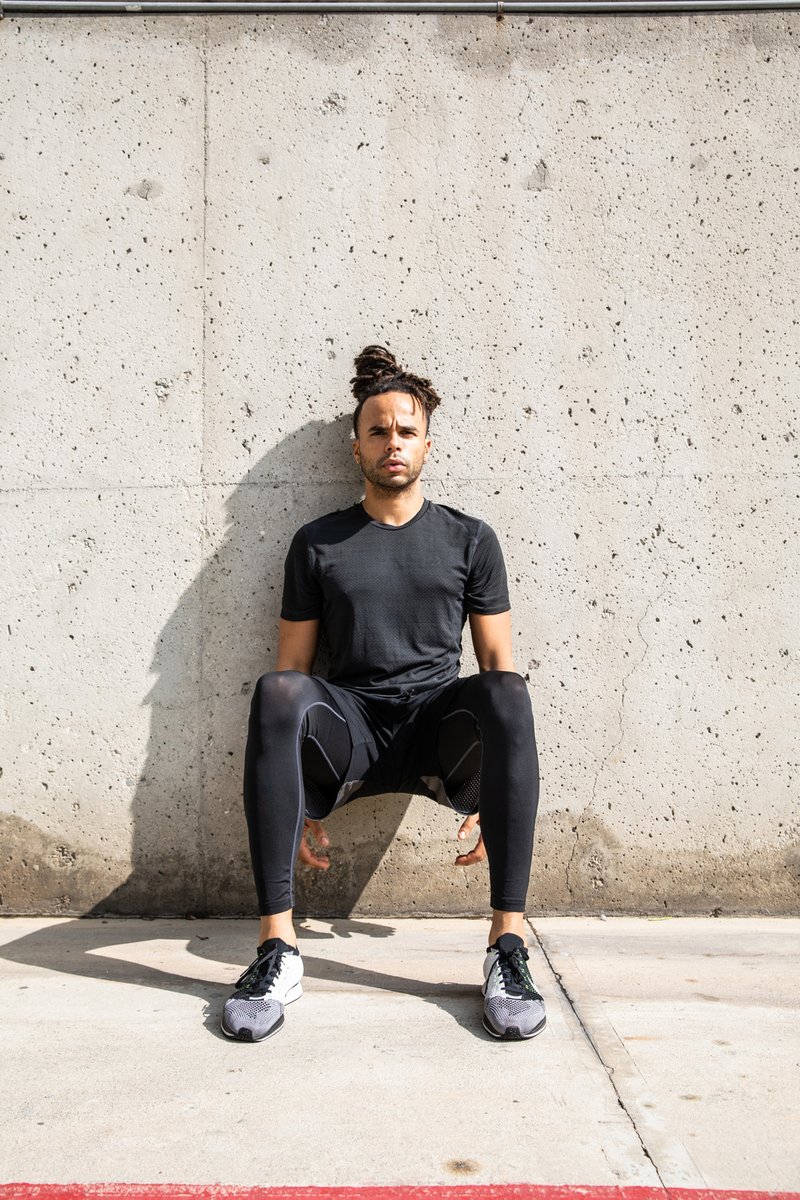
Static isometric exercise, such as wall sits, best for lowering blood pressure 🤯 ✅
This NEW #SystematicReview 📄 makes the front page of @BBCNews today!
Paper 👉 https://t.co/MmUVaRHdE1
BBC News 👉 https://t.co/qgeYpm3Oqv
@EdwardsJ361, @JODriscoll9 👏
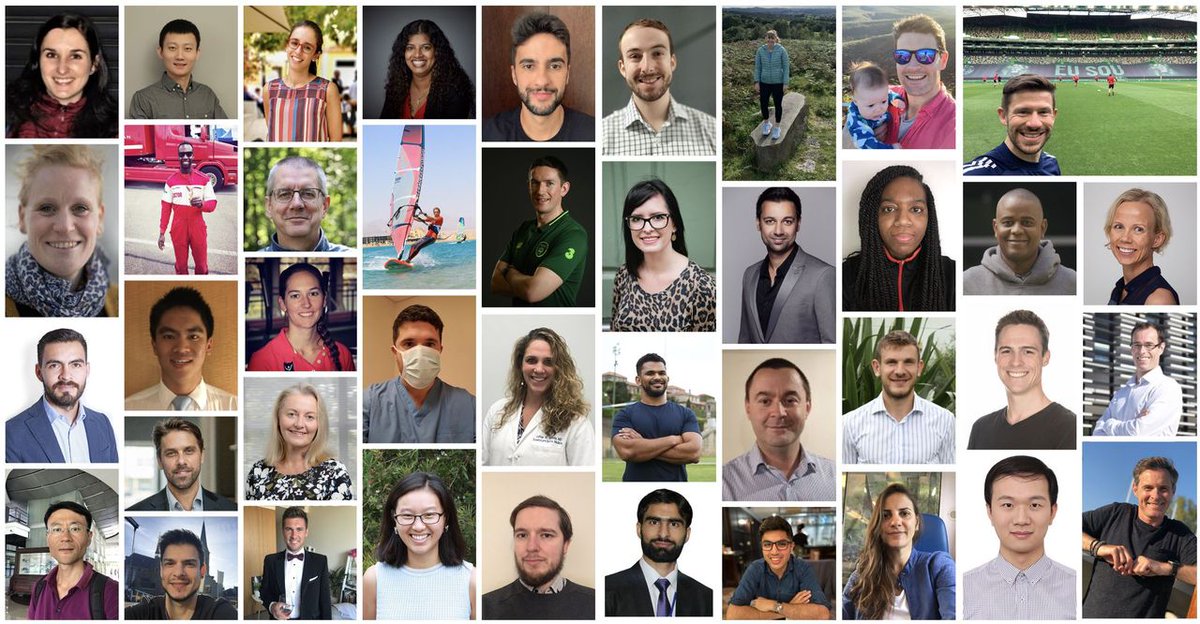
Very happy & proud to present Editorial Board's Philosophy and Goals
https://t.co/gnsUiD5VwM
#WeAreBOSEM and we are looking forward to your submissions, feedback & all kind of inputs !
#Sharing#Diversity#Innovations#Networking
Achilles tendinopathy: a guide for general practice https://t.co/OqT8S3K3Aw
@sportsdocgupta @elisabeth17
|Always a pleasure to get my legs out for science 😅🦵🦵