@PeterMcCrory I ran the numbers on Anthropic’s Economic Index: S&P 500 companies are paying $1.6T for work AI can already do. For Amazon alone, that number is $30B.
https://t.co/ccJf5uerL1
@emollick The explosion is prob here, but we’re not seeing it yet. So far, this has got to be a problem of aggregation and attention. Clicks will go to content that people want to see, and existing Hollywood IP have audiences. Those folks click to see the videos and the algo rewards them.
Candidates prefer AI voice interviewers:
• AI interviewers hire more applicants.
• More applicants accept jobs from AI interviewers.
• AI-interviewed hires are retained longer.
AI in HR: in an experiment with 70,000 applicants in the Philippines, an LLM voice recruiter beat humans in hiring customer service reps, with 12% more offers & 18% more starts.
Also better matches (17% higher 1-month retention), less gender discrimination & equal satisfaction.
AI is changing the Internet
Worldwide search traffic is down 15% over the past year! (from the Economist)
Even as the web has expanded by 45% in the past two years
Increasingly that content is read by bots instead of humans
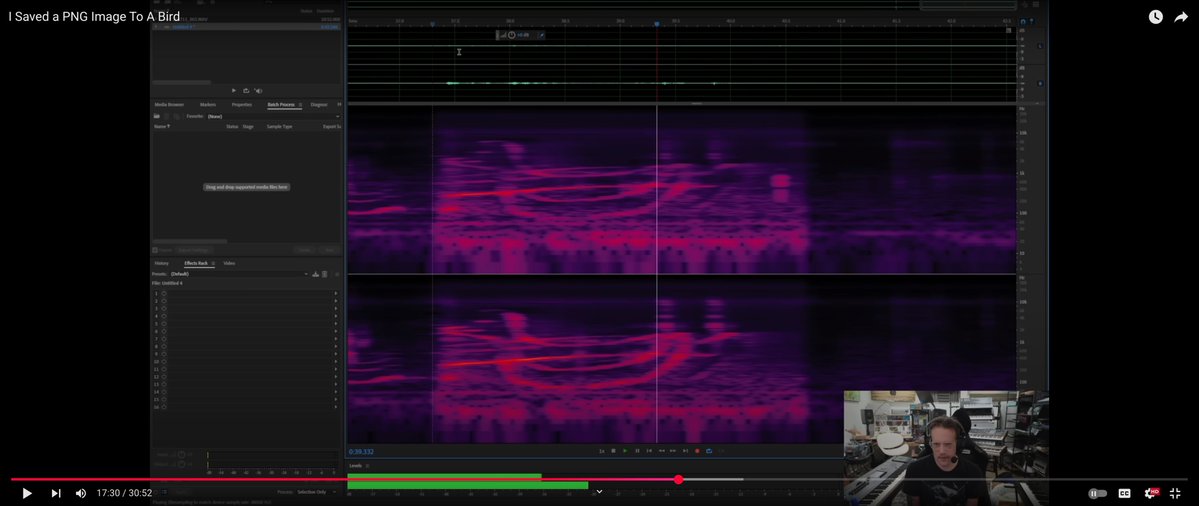
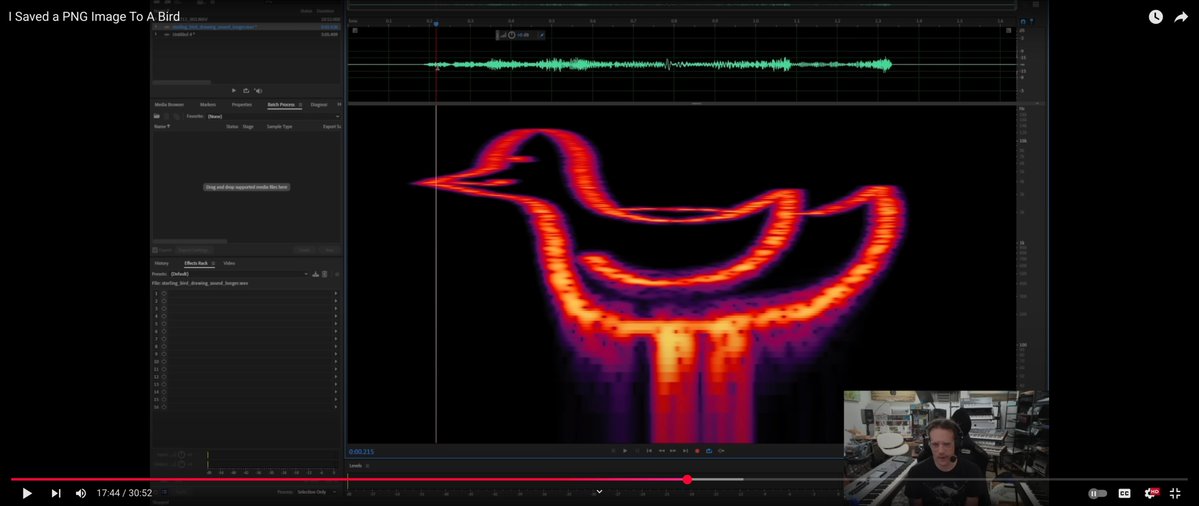
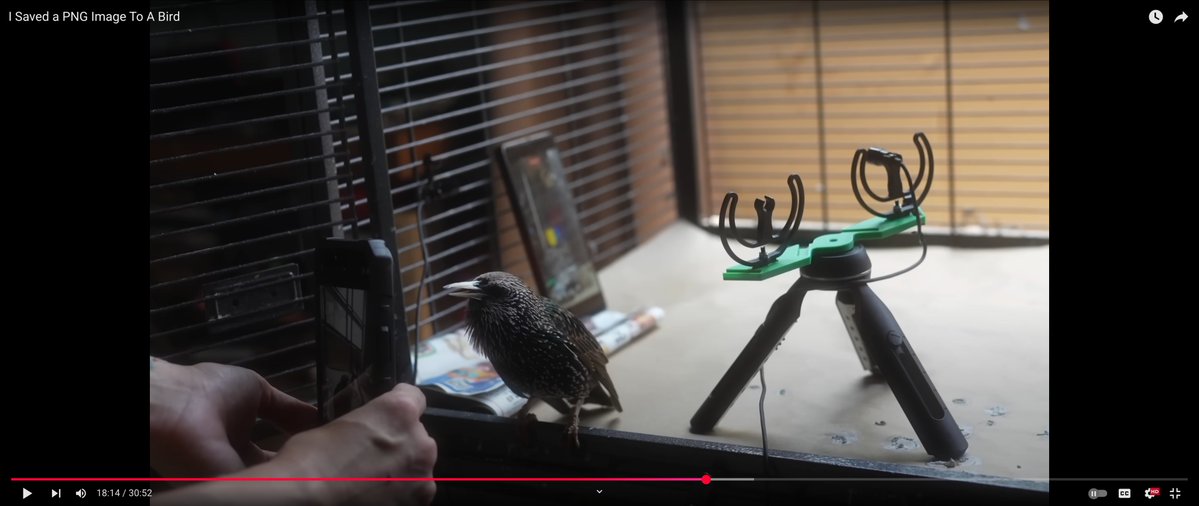
This is one of the craziest ideas I've ever seen. He converted a drawing of a bird into a spectrogram (PNG -> Soundwave) then played it to a Starling who sung it back reproducing the PNG.
Using the birds brain as a hard drive with 2mbps read write speed.
https://t.co/f5gEyyK1MH
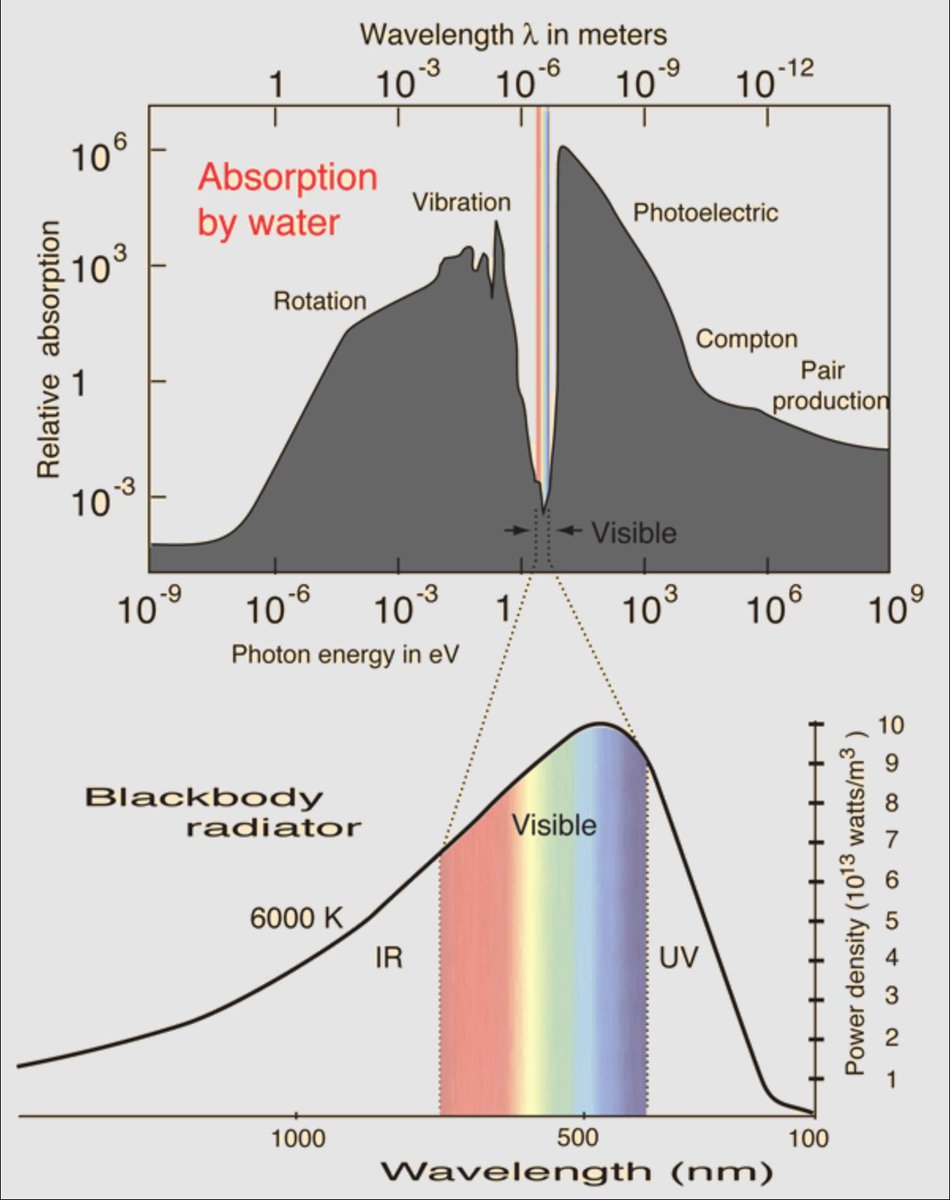
'water is transparent only within a very narrow band of the electromagnetic spectrum,
so living organisms evolved sensitivity to that band, and that's what we now call "visible light". '
(found via HN)
Public attitudes and opinions on AI.
Sample is 10k people across US, UK, France, Germany, Poland
-
Good to know.
I expect these attitudes to shift quickly.
Also, great inspo on digital whitepaper design.
https://t.co/Xv0Nzzn6K8
Here are some of the main findings:
--> 60% worry AI will replace human relationships
--> 70% say AI should never make decisions without human oversight
--> Women are more than twice as concerned about AI as men
--> Half think AI development is moving too fast to remain safe
--> And nearly half believe its benefits will mostly go to the wealthy
This is effectively a cure for type 1 diabetes. Autologous, (chemically) reprogrammed iPSCs were engineered from a patient's fat cells and injected back into her stomach. After ~2.5 months, she no longer needed insulin and now enjoys ice cream + candy like a normal person.
Pretty crazy and immediate passthrough of banning rental broker fees onto higher rents.
Seems like it could have some value—capitalizing this expense over time rather than having it up front. But once it's baked into base rent, you keep paying it into the future.
@joel_bkr Totally fair. Also, there were controls. Mostly noting as others have this clashes with larger studies.
Still exciting to see a result that flies in the face of accepted wisdom.
In my last job, we saw quality went up with AI, but no time gains.
https://t.co/gDiYUWj7Nl
Study: Experienced developers used AI in their coding.
They estimated on average they were 20% faster.
They were actually 19% slower.
BUT: sample size was 16.
Slowdown was attributed to a mix of prompting, waiting, and idle time.
https://t.co/j085a26NFJ
We ran a randomized controlled trial to see how much AI coding tools speed up experienced open-source developers.
The results surprised us: Developers thought they were 20% faster with AI tools, but they were actually 19% slower when they had access to AI than when they didn't.
Our sense of career autonomy collapses around age 40.
Optimistically, I'd like to believe this is because we realize our roles are all interrelated...and not due to some creeping rise in futility.
https://t.co/cshJZTYeXz
There’s something here: A lot of people have talked about the vibes being off in work since the pandemic. But, is it just that vibes are off, full stop? People are becoming less social. Less social people are more prone to depression.
Not good for people.
Not good for work.
New newsletter: The death of partying in the USA
The latest American Time Use Survey came out last month. I wanted to follow up on @elcush's declaration that Americans need to party more. The new data confirms: America's social crisis is dire.
- Between 2003 and 2024, the amount of time that Americans spent attending or hosting a social event declined by 50 percent.
- Young people aged 15-to-24 spent 70 percent less time attending or hosting parties in 2024 than they did in 2003.
More charts and analysis on the 50-year collapse of the social calendar in the link below.









![GENIC0N's tweet photo. "nightmare frequency [is] a stronger predictor of premature death than smoking, obesity, poor diet or lack of physical activity." https://t.co/c0ow3gU4Qw](https://pbs.twimg.com/media/GuP5clPWYAIR2O2.png)


