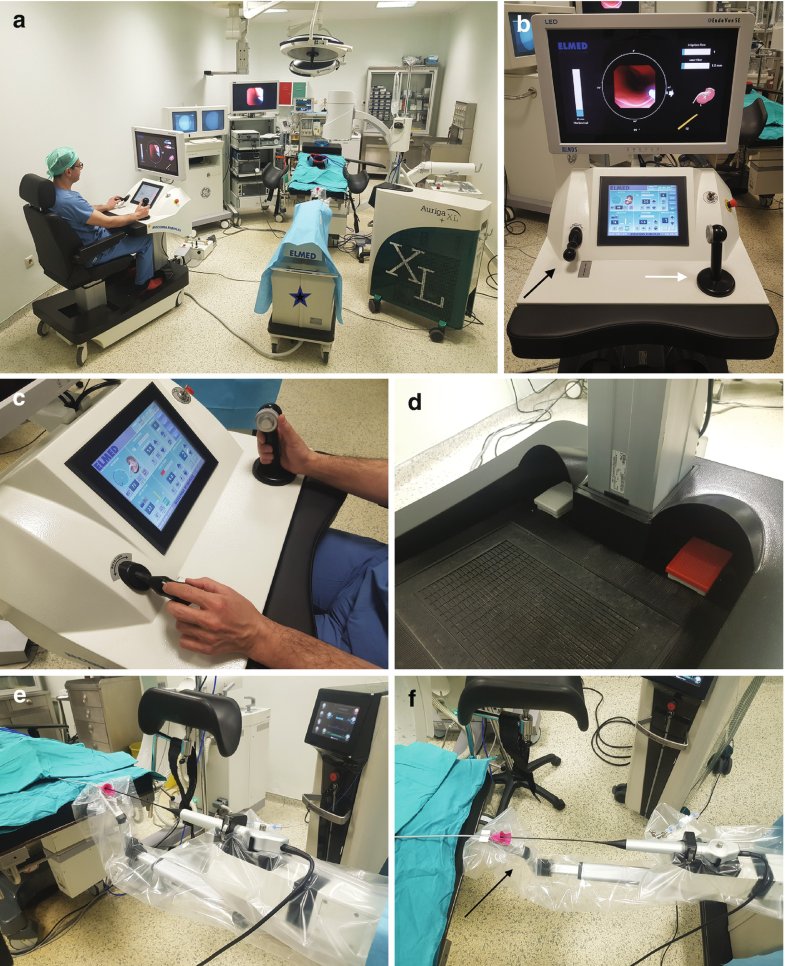
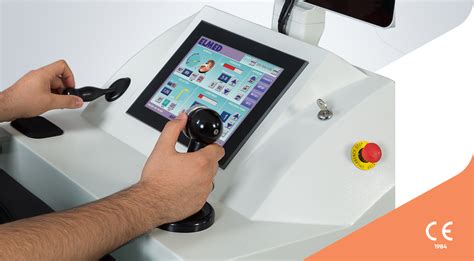
AI-powered robotic systems assist in stone removal procedures, improving accuracy and reducing complications. For instance, robotic arms guided by AI can precisely target stones during procedures like ESWL.
#RoboticSurgery#Urologist#AvicennaRoboflex#AIInnovation#URAI24
Predictive AI algorithms help urologists anticipate treatment outcomes. By analyzing patient data, AI can suggest the best treatment approach based on the stone size, location, and composition. #PrecisionMedicine#AIinUrology#URAI24#AvicennaRoboflex
One key advantage of AI in stone treatment is automated image analysis. AI can rapidly identify and classify kidney stones in CT scans or ultrasounds, reducing the time to diagnosis and improving accuracy.
#KidneyStones#MedicalAI#URAI24
AI is revolutionizing urology, especially in the treatment of kidney stones. From early diagnosis to precision surgery, AI tools are making procedures safer and more efficient. #AIinHealthcare#Urology#URAI24
The Avicenna Roboflex, developed by Turkish scientists including Prof. Jens Rassweiler, is a robotic system designed for kidney stone treatment.
#URAI24
Cybersecurity requirements in risk management file of EU MDR
The EU Medical Device Regulation (MDR) emphasizes robust cybersecurity measures as part of the risk management file for medical devices. Key requirements include:
Cybersecurity Integration in Design and Development
1. Security-by-Design: Manufacturers must incorporate cybersecurity considerations from the design phase, ensuring devices are resilient to cyber threats. This involves identifying vulnerabilities and implementing protective measures [1] [3].
2. General Safety and Performance Requirements (GSPRs): Compliance with GSPRs outlined in Annex I is mandatory, including specific provisions related to cybersecurity. This necessitates adherence to established standards for device safety and performance throughout their lifecycle [2] [3].
Risk Management and Post-Market Surveillance
1. Comprehensive Risk Assessments: Ongoing evaluations of potential cybersecurity risks must be conducted, assessing impacts on patient safety and data integrity [1] [2].
2. Post-Market Surveillance (PMS): Manufacturers are required to monitor devices post-market to identify and rectify cybersecurity issues, including establishing protocols for reporting adverse events and conducting trend analyses [1] [3].
Documentation and Compliance
Manufacturers must maintain detailed documentation of their risk management processes, including technical documentation as specified in Annex II, which outlines cybersecurity requirements for medical devices [2] [6].
By prioritizing these elements, manufacturers can enhance device security and comply with EU MDR regulations effectively.
Citations:
[1] Navigating EU MDR Cybersecurity Requirements for Medical Devices https://t.co/7lQJ51rgFq
[2] EU MDR Cybersecurity: Safeguarding Medical Devices in the Digital Age https://t.co/9OUI5V3WX3
[3] Medical Device Cybersecurity Requirements Under the EU MDR https://t.co/6W6npsNnu3
[4] [PDF] MDCG 2019-16 Rev.1 - Language selection | Public Health https://t.co/SwzlhHefzg
[5] Key Differences in EU MDR and FDA Cybersecurity - Blue Goat Cyber https://t.co/XERpKxHHpL
[6] [PDF] Cybersecurity for Medical Devices - BSI https://t.co/Uipgk80pt4
[7] MDCG endorsed documents and other guidance https://t.co/OeyznOAEl5
[8] Is your medical device cybersecure enough? | Deloitte Netherlands https://t.co/2s2ucRgs7l
#Cybersecurity #MDR #PMS #GSPR #RiskManagement #
Effects of Usage Habits on the Outcome of Flexible Ureteroscopy Treatment
Flexible ureteroscopy treatment outcomes can be influenced by various factors, including usage habits. Research has shown that combining external physical vibration with flexible ureteroscopy lithotripsy significantly increases the rate of finding stones in the urine and improves stone clearance rates [1]. Additionally, the use of a flexible vacuum-assisted ureteral access sheath has been found to result in higher stone volume clearance rates compared to traditional methods [2].
Flexible ureterorenoscopy is increasingly used as a first-line treatment for patients with renal lithiasis, with varying success rates among different groups of authors. It is considered a successful method for treating kidney stones, offering advantages such as high success rates, minimal scarring, and no tissue or function loss in the kidney [4]. The method allows for quick recovery and same-day discharge for patients, making it a preferred option for those with excessive weight or specific stone locations [4].
In conclusion, the combination of external physical vibration, advanced techniques like vacuum-assisted access sheaths, and the use of flexible ureteroscopy have shown promising results in improving outcomes for patients undergoing treatment for kidney stones. These advancements contribute to higher stone clearance rates and reduced complications, making flexible ureteroscopy a valuable option in urological practice.
Citations:
[1] Therapeutic effects of flexible ureteroscopy alone and in ... - NCBI https://t.co/0VNsIC9YNk
[2] Optimizing Outcomes in Flexible Ureteroscopy: A Narrative Review ... https://t.co/oIEFBsEiMF
[3] Flexible ureterorenoscopy: State of the art and practical guide of tips and ... https://t.co/gCCpzxkIj4
[4] Flexible Ureteroscopy | Güven Hospital https://t.co/kDZm4cr5iA
[5] Flexible Ureteroscopy and Nephroscopy for Stone Removal in ... https://t.co/Tmodqz7NcS
#FlexibleUreteroscopy #StoneManagement #RoboticsInUrology
🕒 Efficiency at Its Best
With Avicenna Roboflex, urologists can perform procedures faster and with less fatigue.
More precision = reduced operating time & quicker patient recovery!
#UrologyEfficiency#SurgicalInnovation
🌍 Transforming Urology Worldwide
Whether you're dealing with difficult stones or complex anatomy, Avicenna Roboflex revolutionizes how urologists perform endourology, offering a global solution. #UrologyInnovation#MedicalRobotics
🚀 Precision Meets Robotics in Urology
Avicenna Roboflex offers unparalleled accuracy during flexible ureteroscopy. Say goodbye to manual control challenges and hello to advanced robotic assistance! #Urology#Robotics#Innovation
Kidney stones are tiny mineral formations that can cause big pain. Dehydration, concentrated urine, and certain medications play role. Remember to stay hydrated and consult a doctor if you experience symptoms. 💧🌟
@elmedmedical@uromedya#HealthTips#KidneyStones
😊👍