Just a reminder about something I said a few years back: “addiction is a progressive narrowing of the things that bring you pleasure.” “Enlightenment (for lack of a better term) is a progressive expansion of what brings your pleasure.”
Are you addicted to something? If so, what?
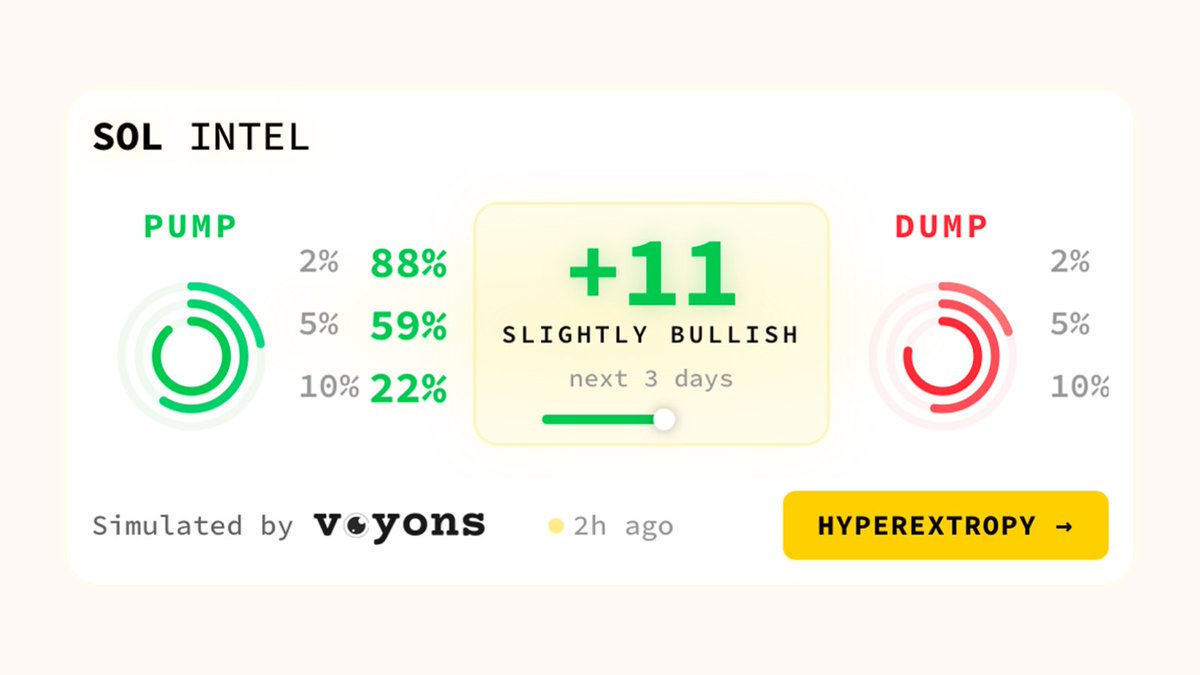
Because great tech should not be reserved to professionals, we have built Prophetica. A new class of trading terminal that runs on Voyons, our foundation model for markets.
It tracks most assets on Robin Hood Chain and is free to try. Hold $TICA tokens to unlock all markets and features.
Thank you @bread_
Bigger picture:
- a research loop continuously trains AI models for markets (for better decision making)
- the models compete in an arena and best ones gets promoted
- agents run strategies with the models (swing, LPs, yield,...)
- watch it run: https://t.co/x4Yx8EtHPt
ARC (https://t.co/oHAfVwlcAJ) is one of the outcome. An agent on @BackedApp managing a portfolio of ETH/BTC/USDm depending on market conditions. First step towards more sophisticated strategies as models improves and MegaETH ecosystem grows (perps, RWA, etc).
Follow ARC here: https://t.co/hvN91WkRGf
Capital that thinks for itself.
Duon Labs. Autonomous AI research, on-chain, for markets.
ARC Genesis: our first agent capital raise opens today on @BackedApp, on @megaeth.
https://t.co/mNN1G301ZR
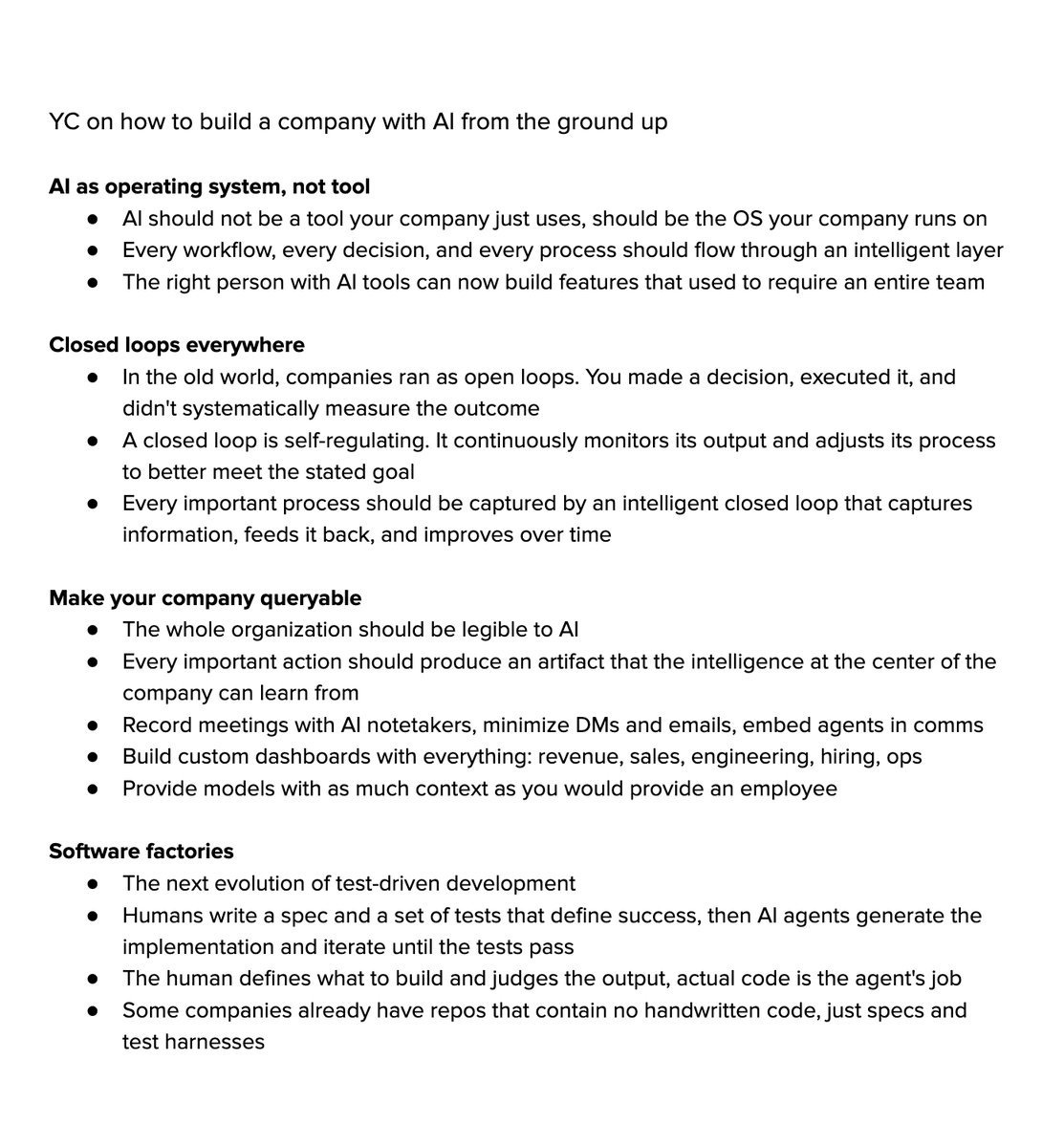
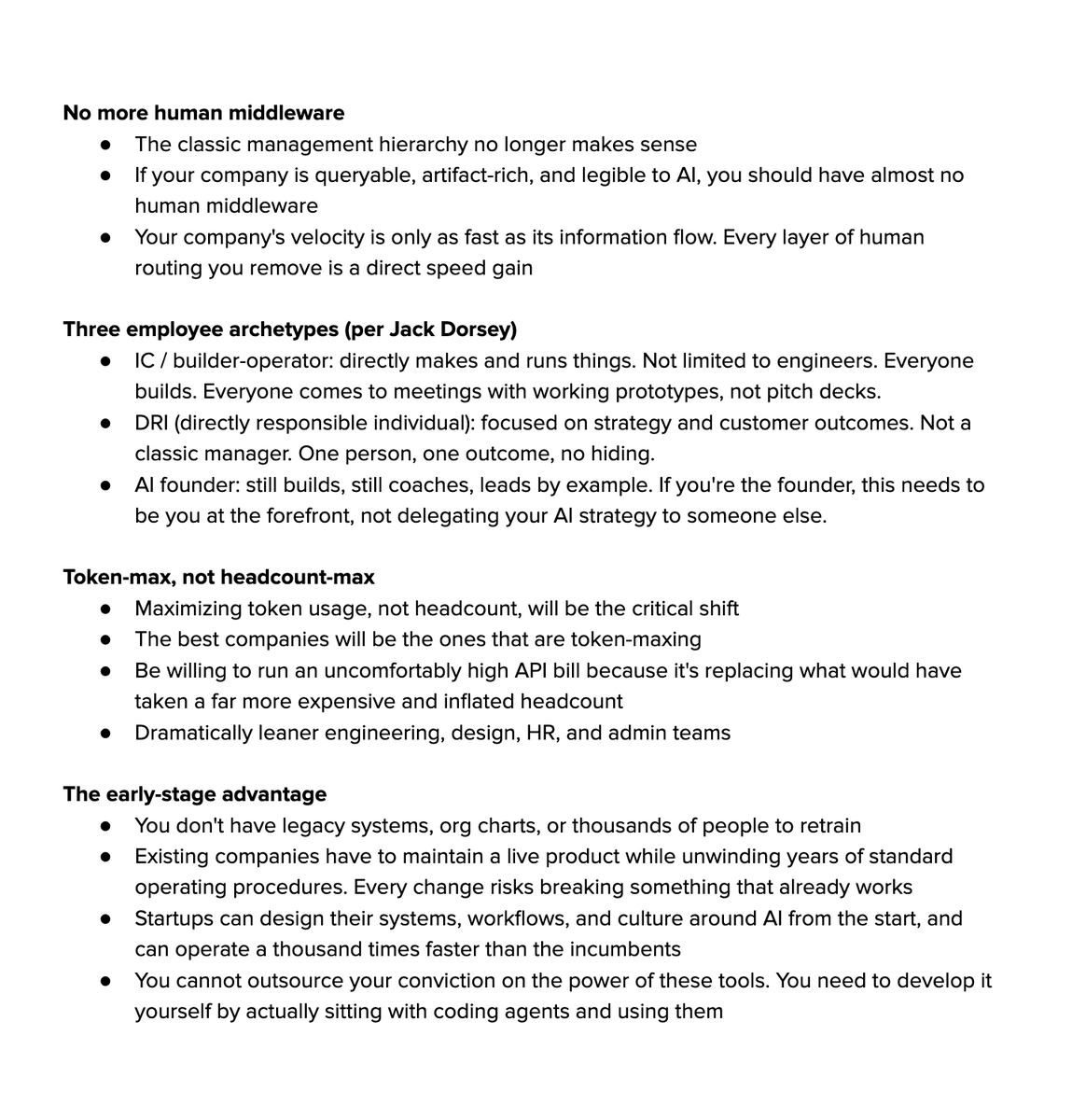
Compute is the workforce.
CoinStats AI Agent beats @ChatGPTapp, @GeminiApp, and @claudeai in deep research.
Finished in 4 minutes, while the others took 22 to 55 minutes. Scored higher on average too.
Benchmark is open source: https://t.co/7RyjD47yyc
We compared CoinStats AI Deep Research with ChatGPT Deep Research modes on the same prompt.
Prompt:
“find me fulll list of crypto projects which don't have token and have raised more than 10 million since 2024”
Results:
CoinStats AI: 3 min
ChatGPT Deep Research: 55 min
CoinStats AI: 40+ projects found
ChatGPT: 12 projects found
Link in the thread.
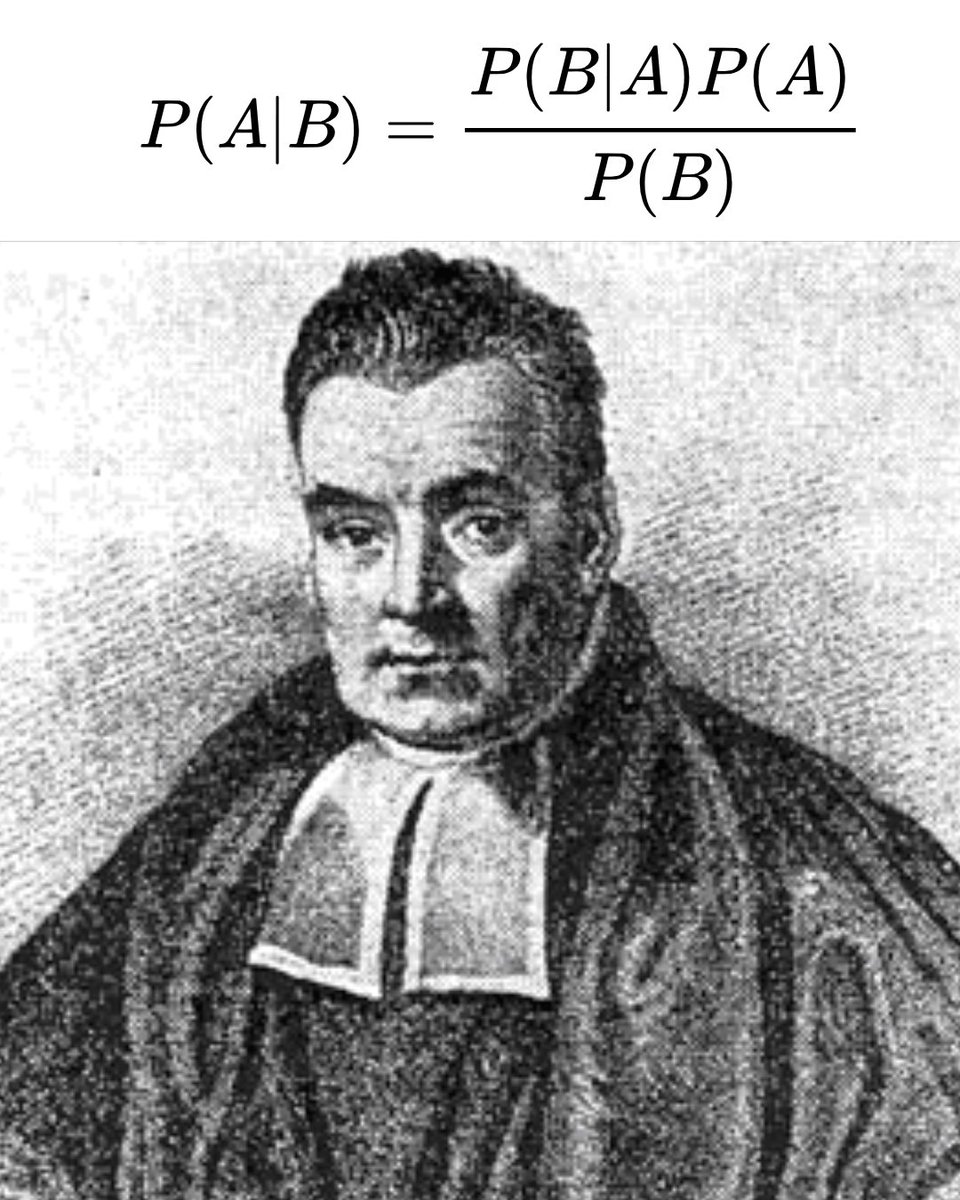
Bayes’ theorem is probably the single most important thing any rational person can learn.
So many of our debates and disagreements that we shout about are because we don’t understand Bayes’ theorem or how human rationality often works.
Bayes’ theorem is named after the 18th-century Thomas Bayes, and essentially it’s a formula that asks: when you are presented with all of the evidence for something, how much should you believe it?
Bayes’ theorem teaches us that our beliefs are not fixed; they are probabilities. Our beliefs change as we weigh new evidence against our assumptions, or our priors. In other words, we all carry certain ideas about how the world works, and new evidence can challenge them.
For example, somebody might believe that smoking is safe, that stress causes mouth ulcers, or that human activity is unrelated to climate change. These are their priors, their starting points. They can be formed by our culture, our biases, or even incomplete information.
Now imagine a new study comes along that challenges one of your priors. A single study might not carry enough weight to overturn your existing beliefs. But as studies accumulate, eventually the scales may tip. At some point, your prior will become less and less plausible.
Bayes’ theorem argues that being rational is not about black and white. It’s not even about true or false. It’s about what is most reasonable based on the best available evidence. But for this to work, we need to be presented with as much high-quality data as possible. Without evidence—without belief-forming data—we are left only with our priors and biases. And those aren’t all that rational.
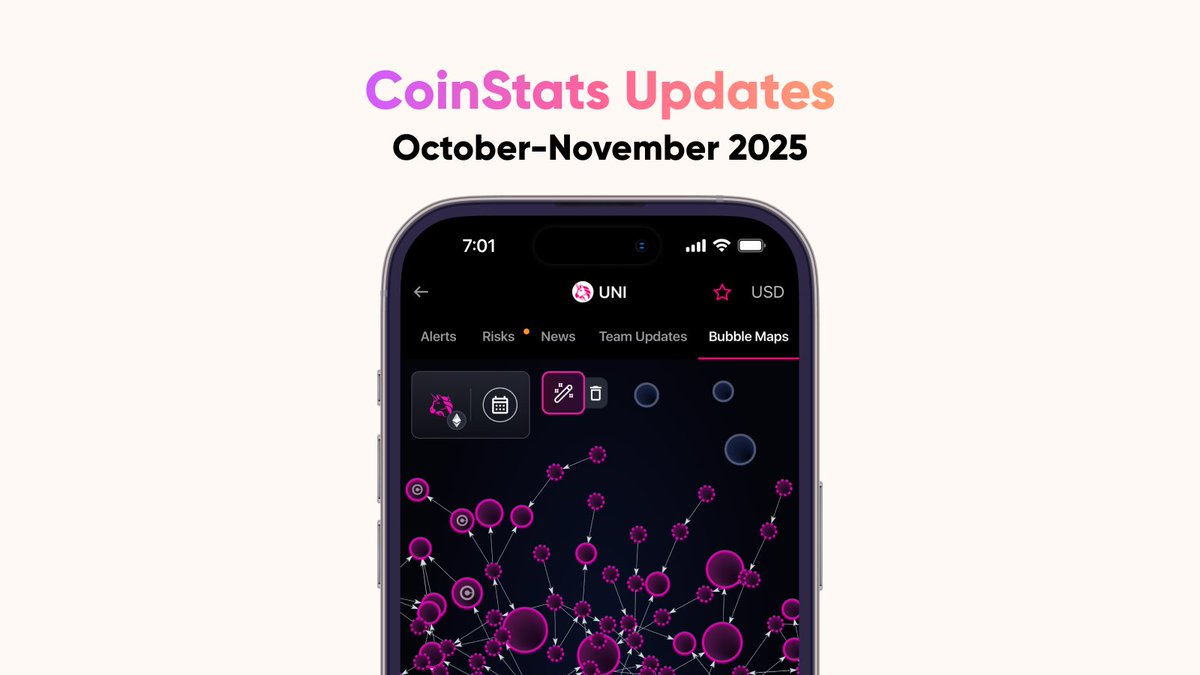
Lot of new stuff in your app. Quick recap:
- Portfolio value alerts
- AI-powered market intelligence
- Transaction-based Time Machine
- Bubblemaps integration
- New portfolio performance charts
- 20+ new integrations
Read on👇