My timeline is full of posts reporting wildly high tk/s. Most use dubious means that affect quality negatively:
1. Greedy sampling: where you always pick the top token instead of sampling from a pool of possibilities, greatly reducing creativity when reasoning. They do it bc...
5. And finally, and perhaps the most obvious. benchmark-aware quantization. Where models are shrunken down as much as possible while retaining its ability to pass benchmarks.
People swear that 4bit or even 2 bit is almost as good as FP16 according to metric like KLD. But at long context when using a harness - the errors accumulate. We know this from https://t.co/hGNvTt5tzT
So I've been playing around with locally-hosted LLMs on a DGX Spark and built my own benchmark: https://t.co/MKhsYahOdU The main issue I am trying to solve is that there is no reliable benchmark on model performance once you factor in quantization and harness. Like...
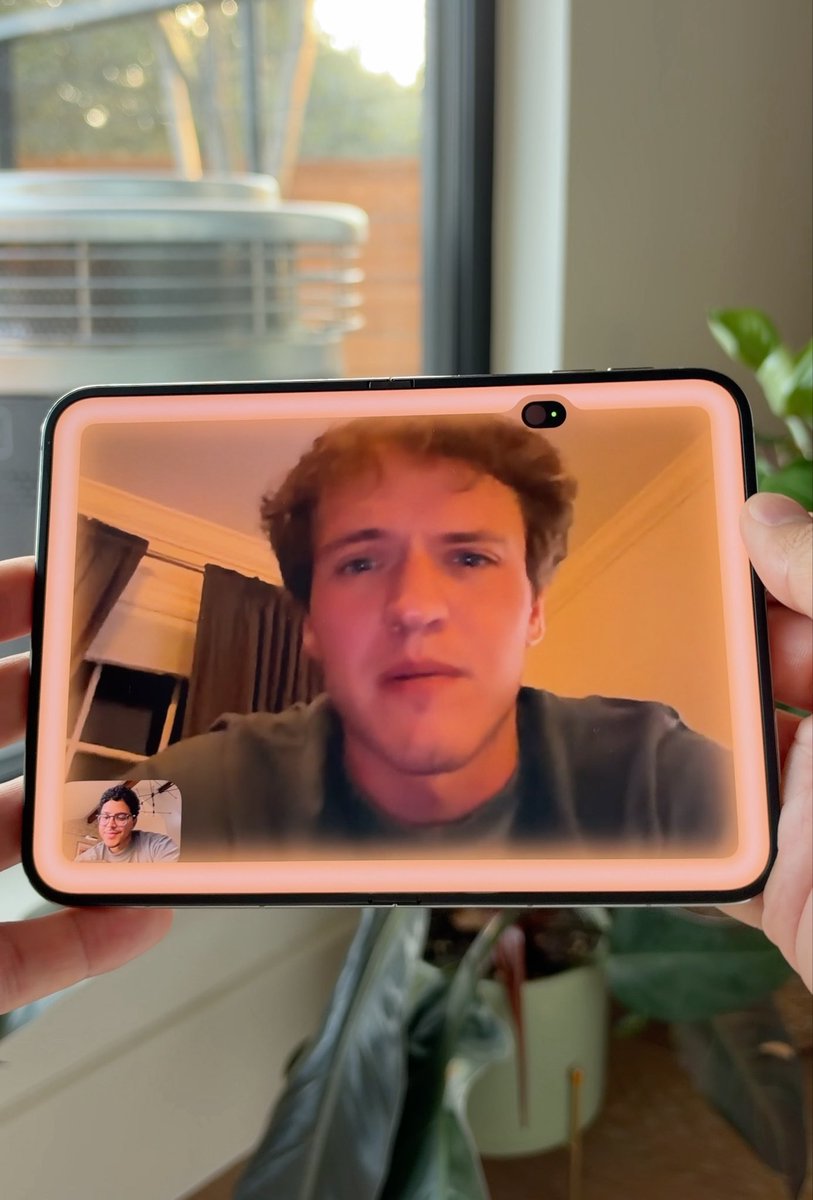
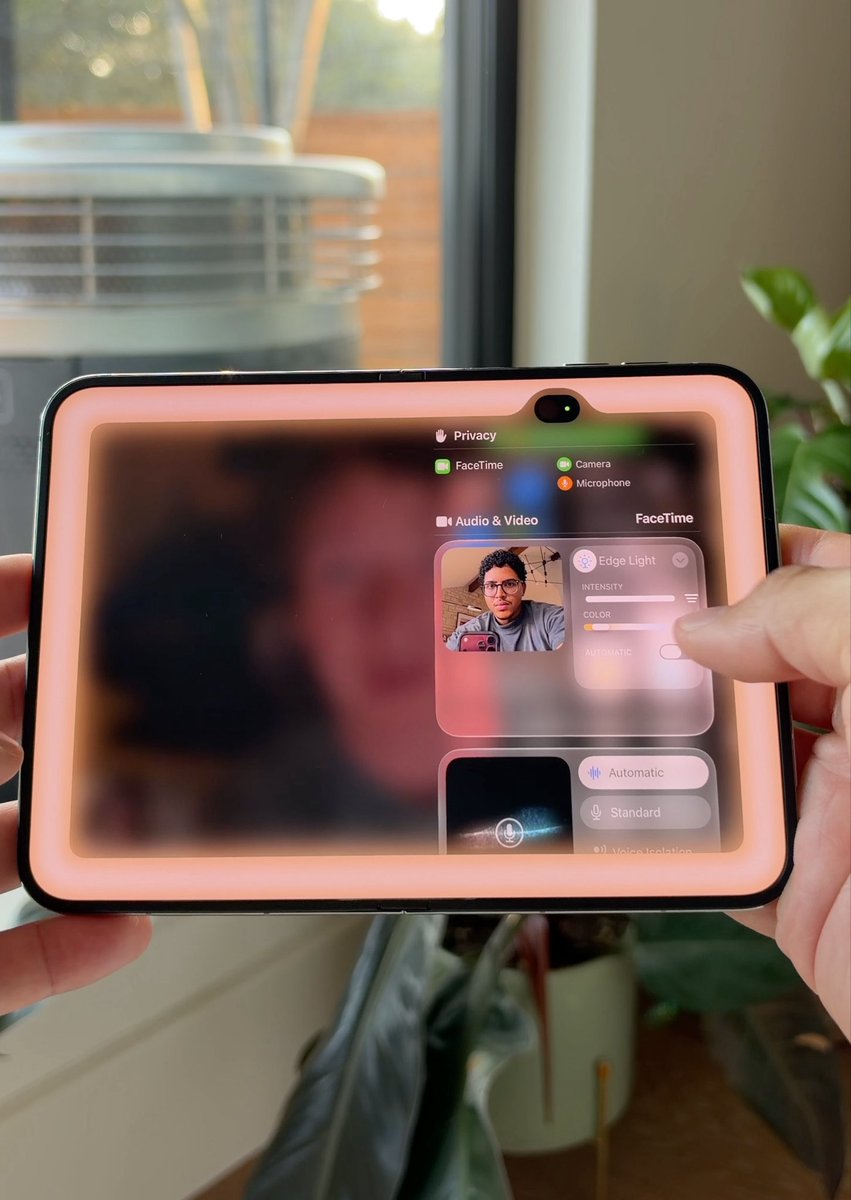
The fact that EdgeLight on iPhone or Mac doesn't show up in HDR space is a huge miss. If you are going to use the screen as a light, might as well go up to 1000nits.
@matiasgoldberg Oh wow the Zen2 on the PS5 has far less cache than I thought. Still, this operation will done alongside other transforms, so it's not like the CPU has to load in 1.7GB of data just to do one lerp.
@Lina_Hoshino Even raws from phones are usually a combination of multiple exposures these days. The whole thing started because phone sensors have pitiful DR due to their tiny well size. Improving DR via stacking isn't a bad idea, but the way the tone mapping is done today is just bad.
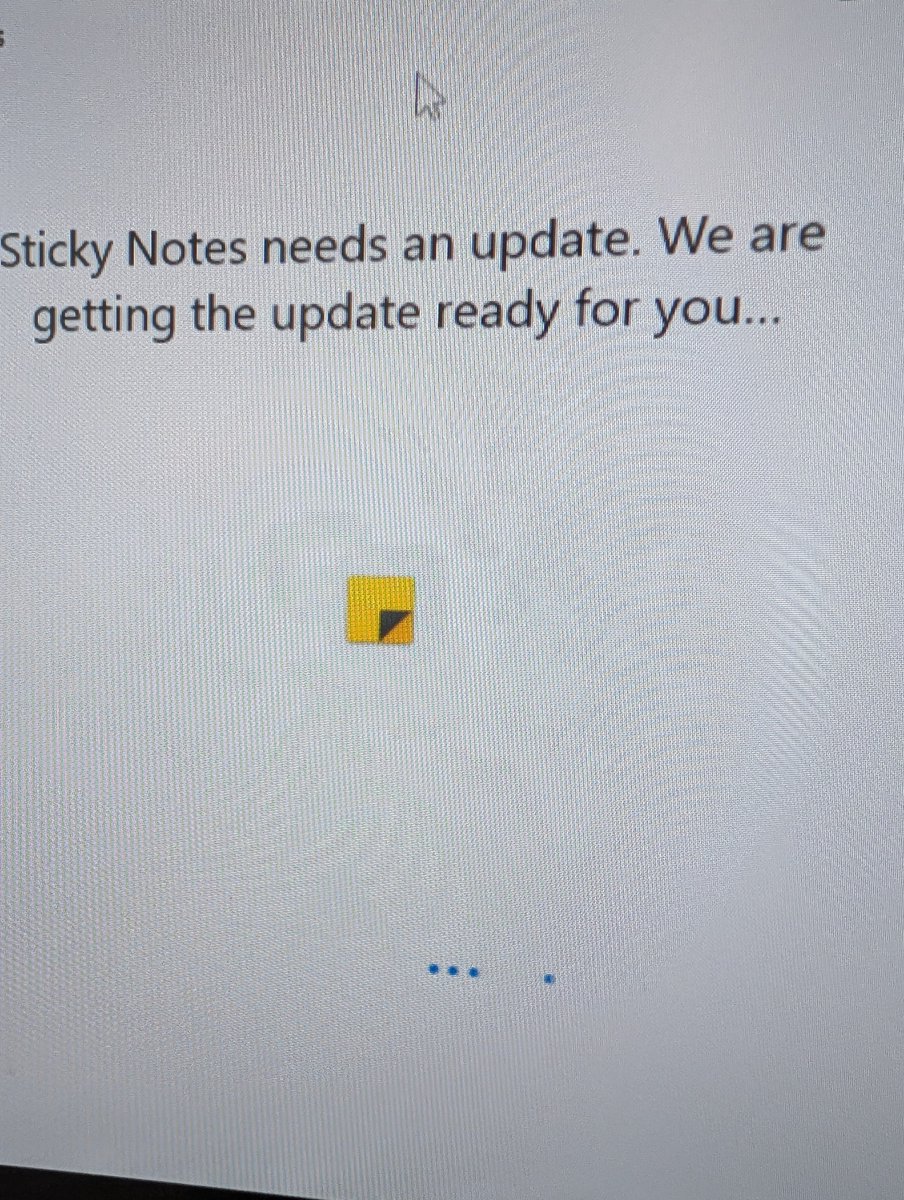
There is slow and bloated software, and then there is this abomination. The exact moment you start sticky notes is when it decides to update?! Why doesn't this native windows app update itself in the background?