Assistant Professor at @UPenn VetMed.Searle Scholar, Beckman Investigator. Development, reproduction, retrotransposons and gene editing. #Stem#FirstGen#BLM
Today in absurd grant review comments we have:
Only studying females is a weakness…in a grant on endometriosis. 🤷♀️🤷♀️🤷♀️
Aren’t you all supposed to have a ton of education?!?
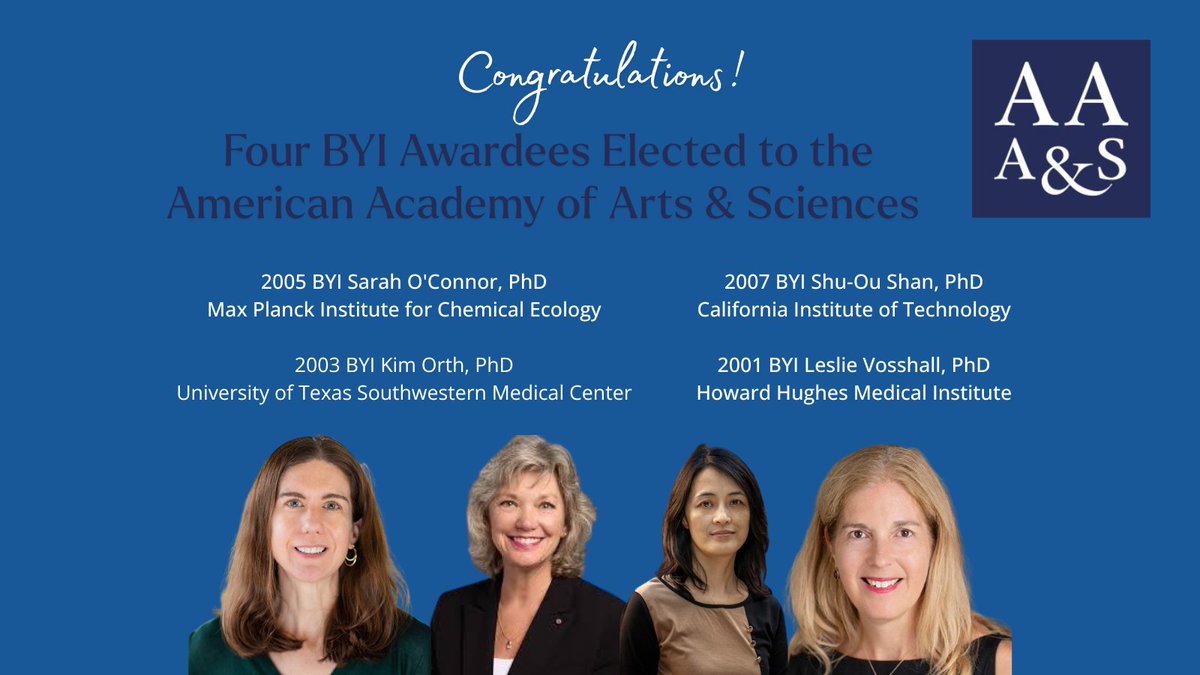
Congratulations to our two 2005 #BYI awardees, Christopher Chang, PhD and Chuan He, PhD, both #elected as members of the National Academy of Sciences. The Academy annually elects members in recognition of their distinguished and continuing achievements in original #research. #NAS
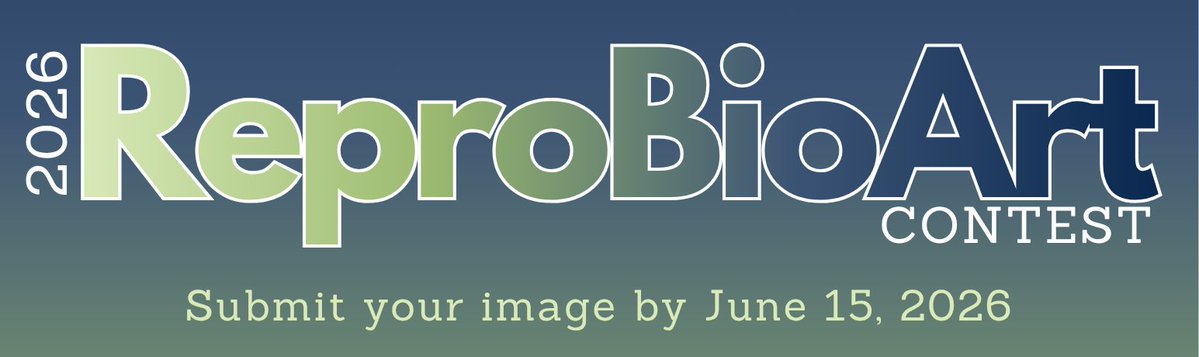
Calling all reproductive biologists! 📢 The 2026 #ReproBioArt contest is open for submissions!
Not a scientist? You can still explore the stunning beauty of reproductive science in our gallery. 🧬✨
Share this with your friends and join the fun! 🔗 https://t.co/DYAE1Adhh8
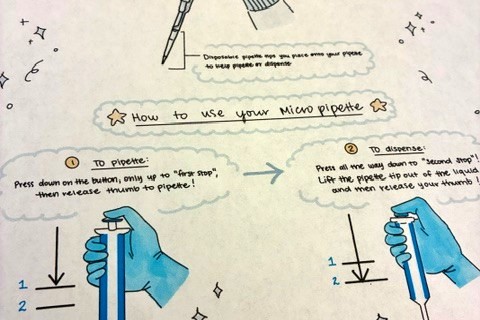
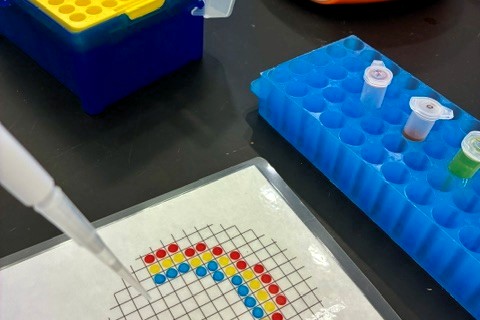
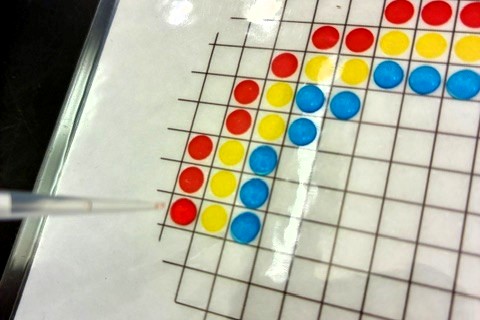
Pics from ULP’s Learning Lab Open House at Soka University yesterday where they showed us how to pipette, complete a circuit, count cells, and much more! They took us through activities they introduce young students to in helping them explore future academic and career pathways.
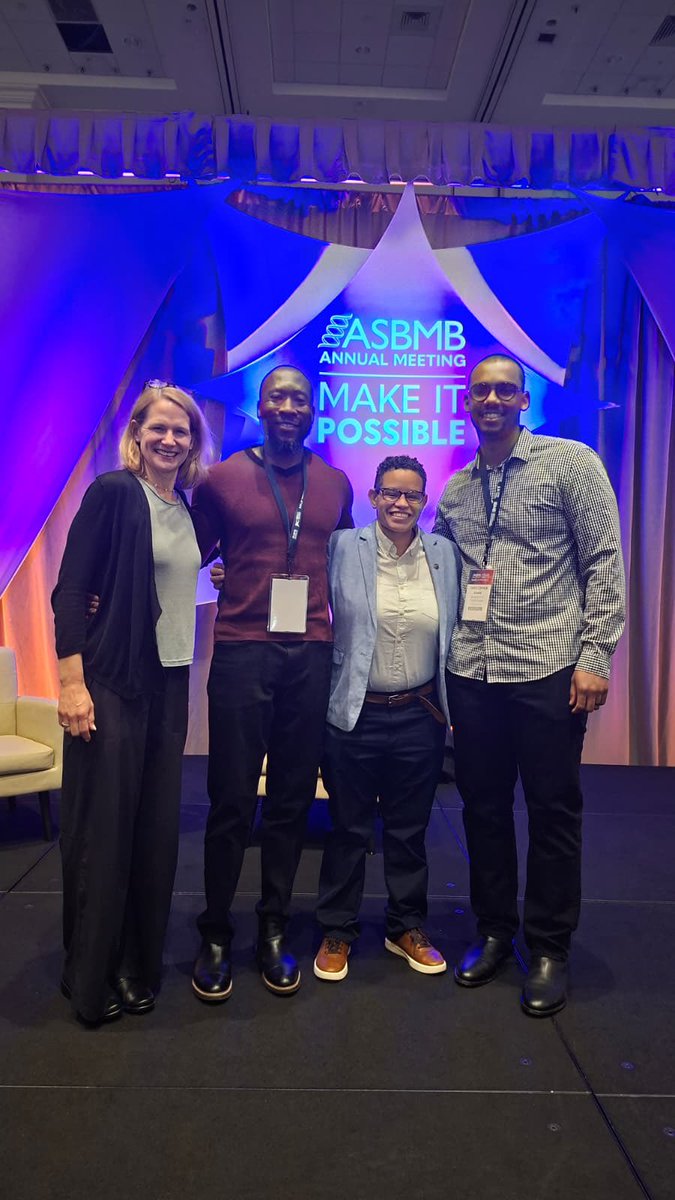
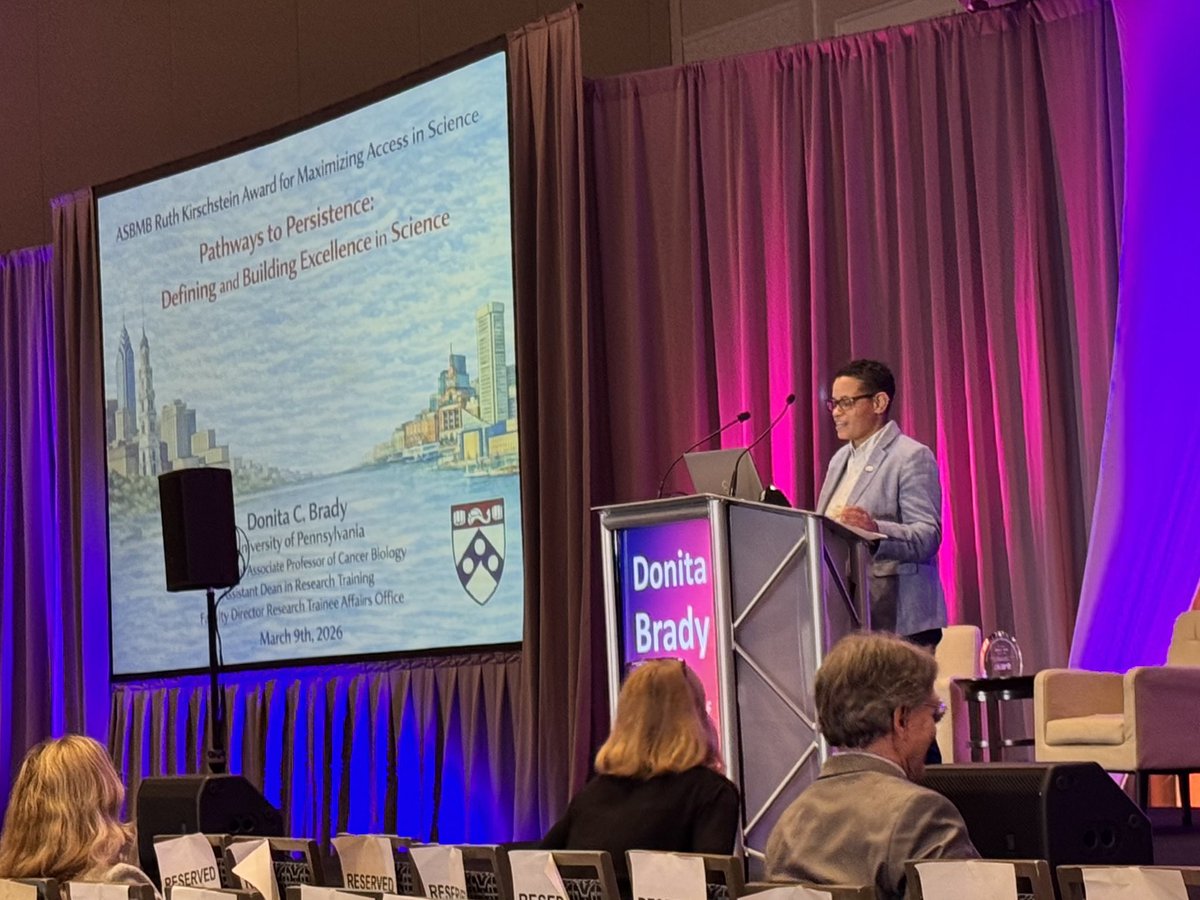
Grateful to @ASBMB for this extraordinary honor and to the colleagues who nominated me. This recognition means a great deal because it affirms something I believe deeply: talent is universal, but access is not.
Find our latest Perspective article on "The role of KRAB zinc-finger proteins in expanding the domestication potential of transposable elements" at https://t.co/LiGhLVVO4y, with implications for the future of research on the cause of human disease.
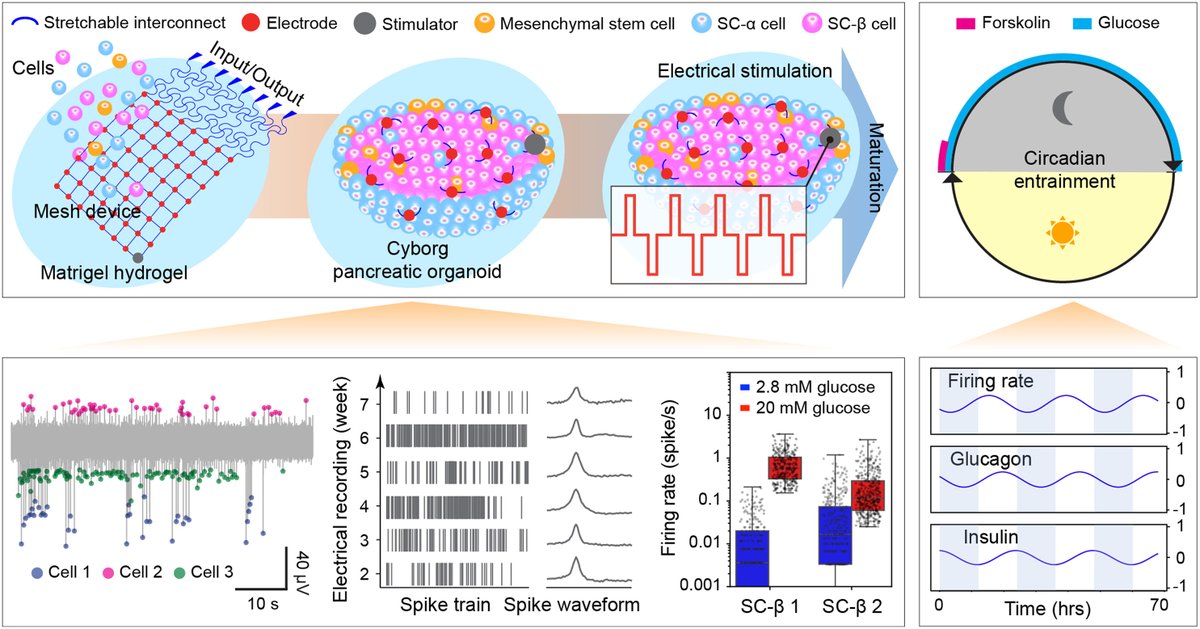
Researchers in Science have created “cyborg” pancreatic organoids that combine stretchy miniature electronics with stem cell-derived pancreatic islets, using the implanted electronics to monitor electrical activity related to glucose regulation in maturing α and β cells.
The "cyborg" organoids offer a path to study the biology and trace the maturation of α and β cells at the single-cell level, with an eye toward potentially treating or engineering new pancreatic islets in people with diabetes.
Learn more: https://t.co/rfp287hX2z
Researchers in Science have created “cyborg” pancreatic organoids that combine stretchy miniature electronics with stem cell-derived pancreatic islets, using the implanted electronics to monitor electrical activity related to glucose regulation in maturing α and β cells.
The "cyborg" organoids offer a path to study the biology and trace the maturation of α and β cells at the single-cell level, with an eye toward potentially treating or engineering new pancreatic islets in people with diabetes.
Learn more: https://t.co/rfp287hX2z
In 1983 Barbara McClintock was awarded an unshared #NobelPrize in Physiology or Medicine.
McClintock discovered 'jumping genes' in corn, and proved that chunks of genetic code can change position on a chromosome, affecting genetic expression.
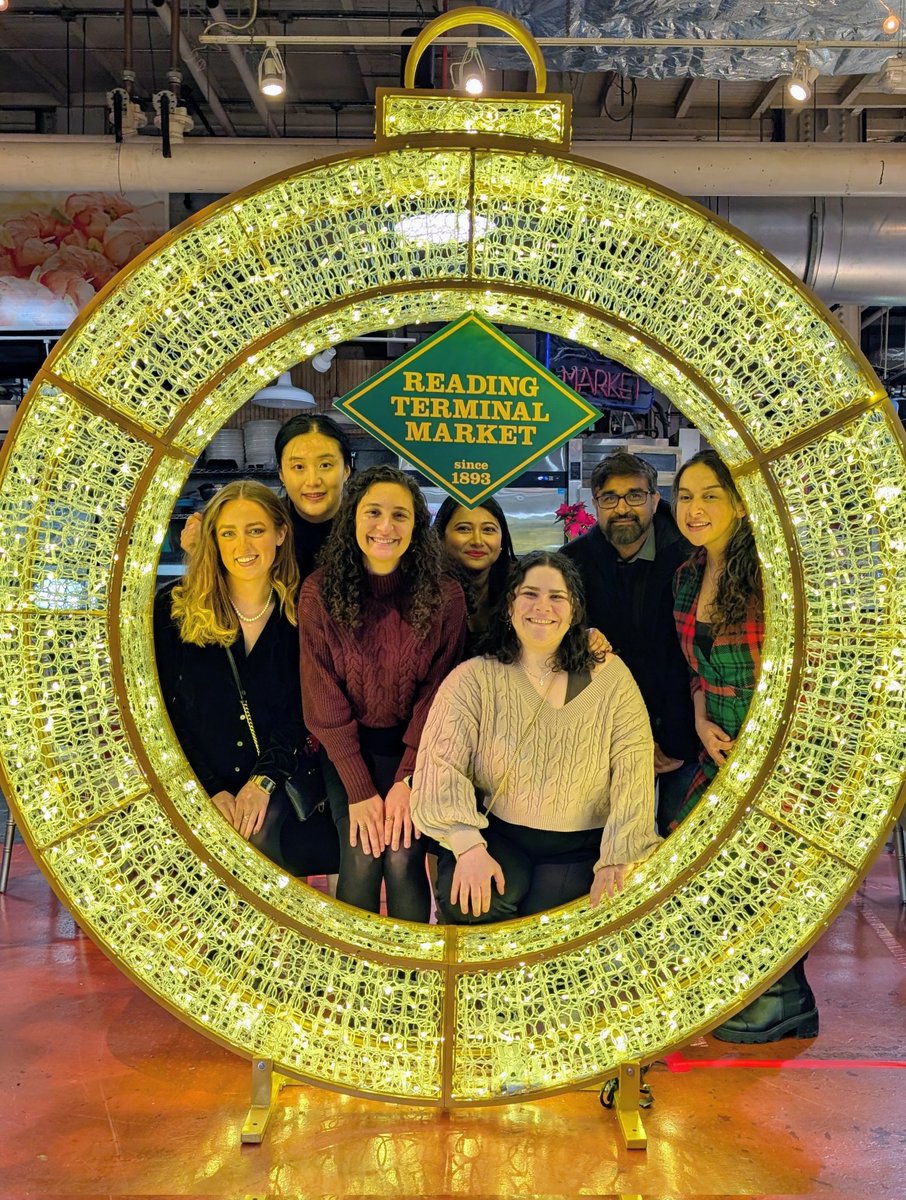
Happy Holidays from the Conn Lab!
Welcoming new Senior Research Specialist, Dr. Ali Khawar and joint (youngest) lab member with @TheModzLab Hayes Modz Conn :)
Excited for lots of growth in 2026!
Looking Forward to @inspirecommunity.bsky.social's inaugural JOURNEY TALK next Tues Dec 16th by @MustafaMir16 , Assistant Prof.@CHOP_Research@PennMedicine and @hhmi_science Freeman Hrabowski Scholar, who will talk about his research, personal journey, and career path!
How has it already been 2 weeks since our #EREHD25 meeting in Mexico! 🇲🇽 We are still reminiscing over the great memories and amazing science that was shared. A final big congratulations to our 4 poster prize winners, and a thank you to everyone who joined us 💜
A fantastic gathering of researchers at #EREHD25 😊💜 We are grateful for all the insightful talks, lively discussions, and new collaborations that emerged over these past few days!
Rosie has truly loved working alongside Ting, Tao, Kate & Hui on this wonderful meeting
#FusionCommunity
Remembering the first woman to be awarded a Nobel Prize, the first individual to be awarded two Nobel Prizes and still today the only individual with two Nobel Prizes in two different scientific categories: Marie Skłodowska Curie.
Curie was born #OnThisDay in 1867.