“Once men turned their thinking over to machines in the hope that this would set them free. But that only permitted other men with machines to enslave them.”
- Frank Herbert, Dune
According to the history within Dune, humanity once depended heavily on advanced computers and artificial intelligence. Over time, control over these machines became concentrated among a powerful few, leading to oppression and a gradual loss of human independence. The conflict that followed, known as the Butlerian Jihad, destroyed the thinking machines and created a lasting cultural and religious ban against them.
The principle is captured in the commandment from the Orange Catholic Bible: “Thou shalt not make a machine in the likeness of a human mind.”
Because of this prohibition, any technology designed to replicate or replace human thought is forbidden. Instead, humanity trained itself to develop abilities that machines once provided. Mentats became living computers, capable of advanced calculations and analysis. The Bene Gesserit mastered extraordinary levels of mental and physical discipline. The Spacing Guild Navigators used spice-enhanced prescience to chart safe faster-than-light travel routes that computers would have previously calculated.
Frank Herbert’s vision reflected concerns about humanity becoming dependent on systems that concentrate power and remove personal responsibility. In Dune, the ban on thinking machines forces people to unlock their own potential rather than allow technology to control their decisions.
Art by John Schoenherr.
It's always better when we're together ❤️ 💙
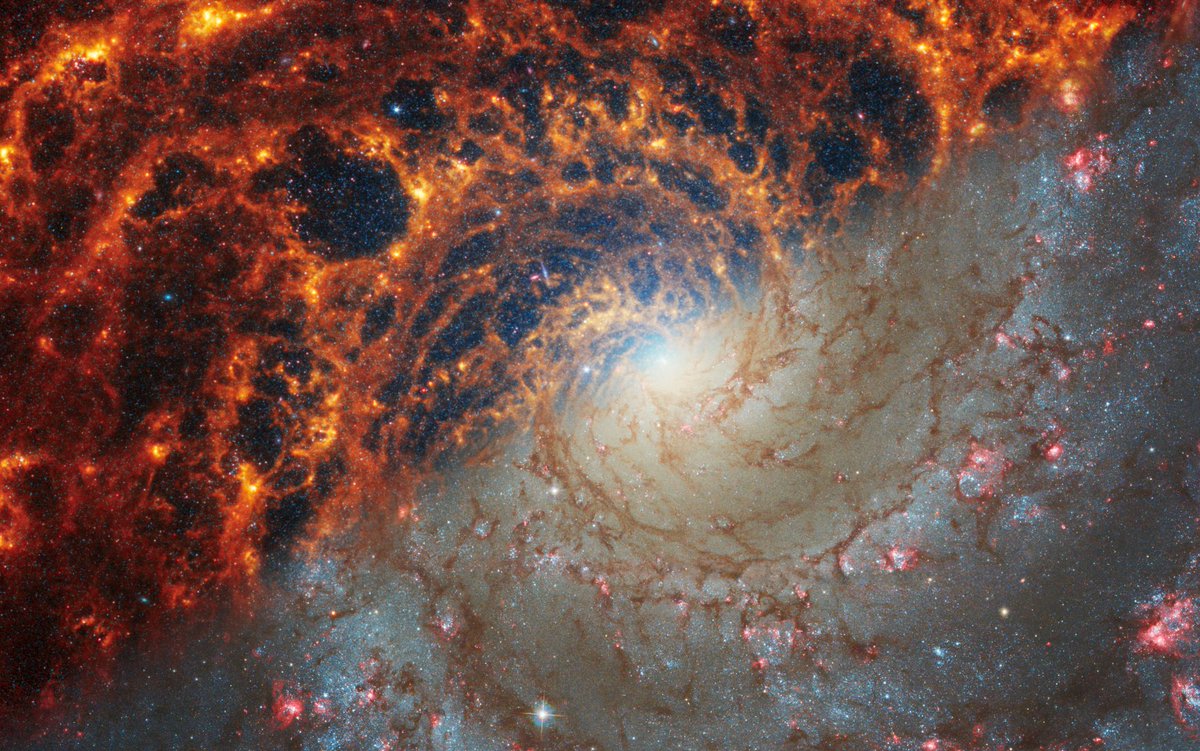
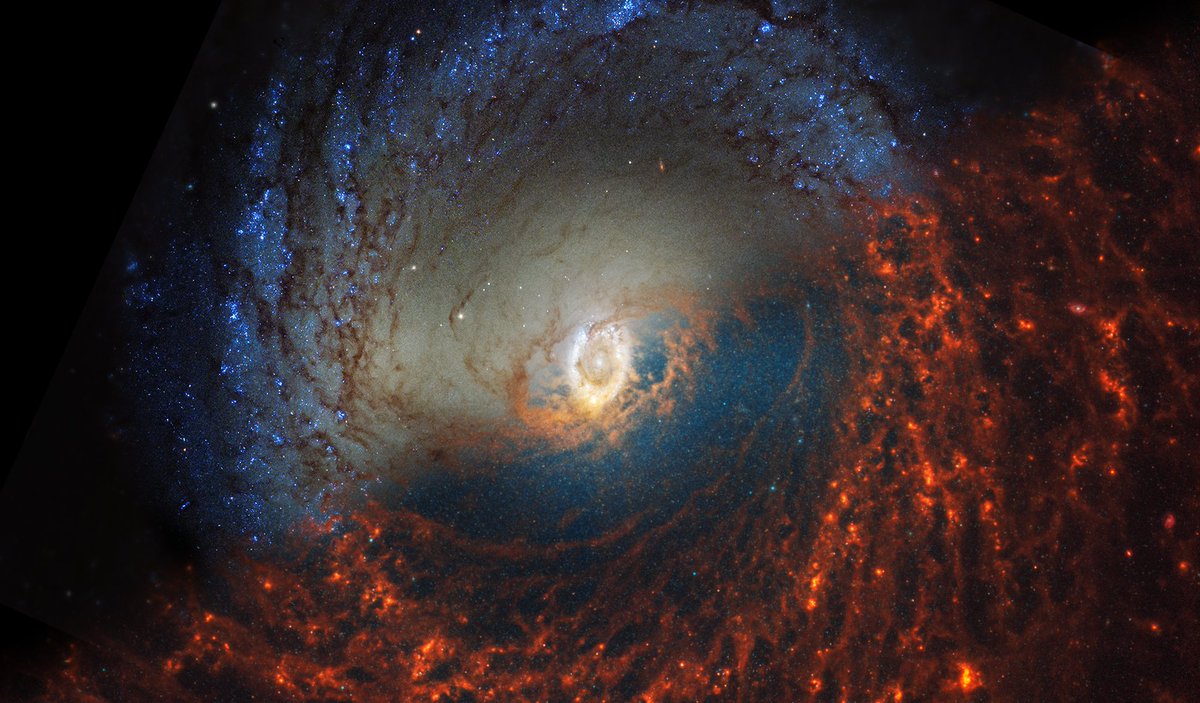
In these galaxy images, Webb data is highlighted in red and @NASAHubble data in blue. While Webb shows dust glowing in infrared light, Hubble's visible light view tells us where starlight is absorbed by dust: https://t.co/hM0APgsJxo
On average, an adult’s heart beats 72 times a minute. In a lifetime, it creates enough energy to drive a truck to the moon and back. It generates 2.5 gigajoules of energy.
Credit: @doctorjana57
Source @pascal_bornet