In Raphael's celebrated 16th-century fresco “School of Schillerian Drives,” Plato points vaguely heavenward toward Forms. Aristotle flips Formtrieb, gestures toward the crowd, grounding Trieb into Stoff (materialism). Both are mediated by Speiltrieb, the Play Drive.
In Raphael’s celebrated 16th-century fresco “School of Assholes,” Hegel points vaguely heavenward toward the Absolute. Marx flips Hegel’s dialectic by gesturing toward the crowd, grounding the Absolute into a materialism that the West ultimately casts as overly-idealist anyways
What's the distinction between 'object' and “event'? According to philosopher Whitehead, material objects aren't to be regarded as substances or particulars, but as 'characters' of events |@Aristotweets https://t.co/DJVR9JZL8y
When, in his posthumous 1966 Der Spiegel interview "Only God Can Save Us", Heidegger described 'cybernetics' as the "end of philosophy", he expressed his concern for the looming foreclosure of avenues for the fundamental questioning of who and what we are, of our ownmost being, or of 'Dasein', under the scrutiny of cybernetic engines for the calculation of the optimal solution of any conceivable question.
In Heidegger's view, 'Cybernetics', that is, for Norbert Wiener, the formal steering of infinitely reciprocating machines, and especially digital computers, announces the completion and obsolescence of the project of metaphysics that had begun with Plato and Aristotle, in which the forms had been abstracted from appearances, these forms had been assembled into systems of deductive reasoning, and these forms of logic had been objectively automated in digital computers.
Hence, philosophy stands, for Heidegger, not simply opposed to modern science and technology, but rather as a formal conduit of reflecting upon its operations, which, once objectively automated, can thereafter be recycled by computers into the formal reciprocating feedback loops of machinic production, system collapse, and successive reassemblings, into evermore complex and inferentially productive systems of calculative reasoning.
Philosophy is, in this sense, not simply a discipline that can or will be discarded, but is rather a mode of reflection that is assimilated, as its more advanced machinic forms, such as 'Analytic Philosophy' and 'Analytic Theology', are decoded by social programs of analytics, that is, of automated analysis, into the artificial grammar of mechanically reproducible mathematical logic (e.g. 'S5' first-order modal logic).
What, however, we stand to lose in the advance of this assimilation is the more radical 'clearing' that can open when reflection upon the fundamental questions - the questions of 'what is being?' and 'what is God?' - takes a more radical leap beyond the already-trodden avenues of mechanically reproducible forms of thought in service to machinic production. We lose, in short, the ability to question the innermost reality and highest religious purpose of tools as an extension of human reason.
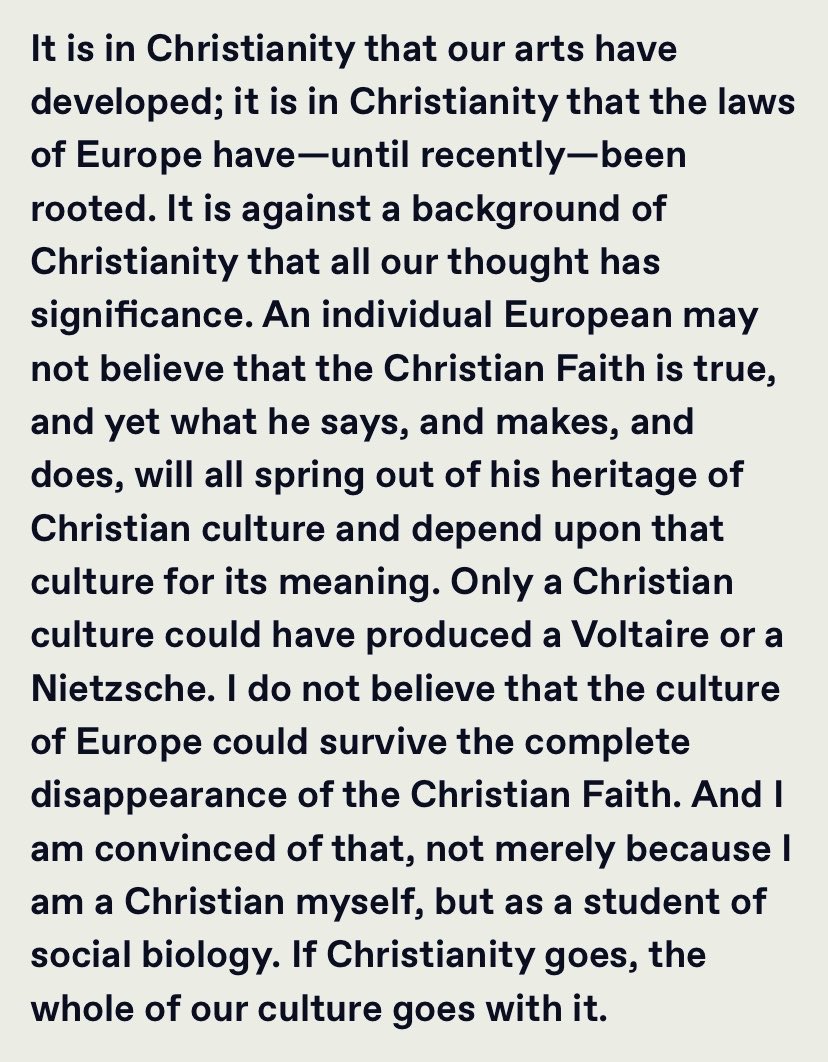
“It is in Christianity that our arts have developed; it is in Christianity that the laws of Europe have—until recently—been rooted. It is against a background of Christianity that all our thought has significance…”
T.S. Eliot
@neincubed@TossitRambles Zizek's mentor Lacan was famously expelled from the International Psychoanalytic Association for having variable duration (short) sessions
"A large part of my philosophical life has, so it appears, looking back (and also looking forward) consisted in rehabilitating abandoned philosophical dwellings, habitats, and landscapes."
- Richard Sylvan [Routley], Philosophical Rehabilitation, quoted in Hyde 2014, 124
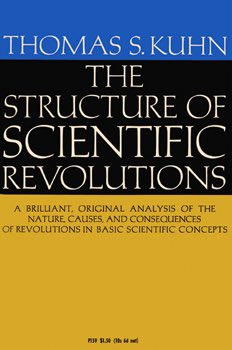
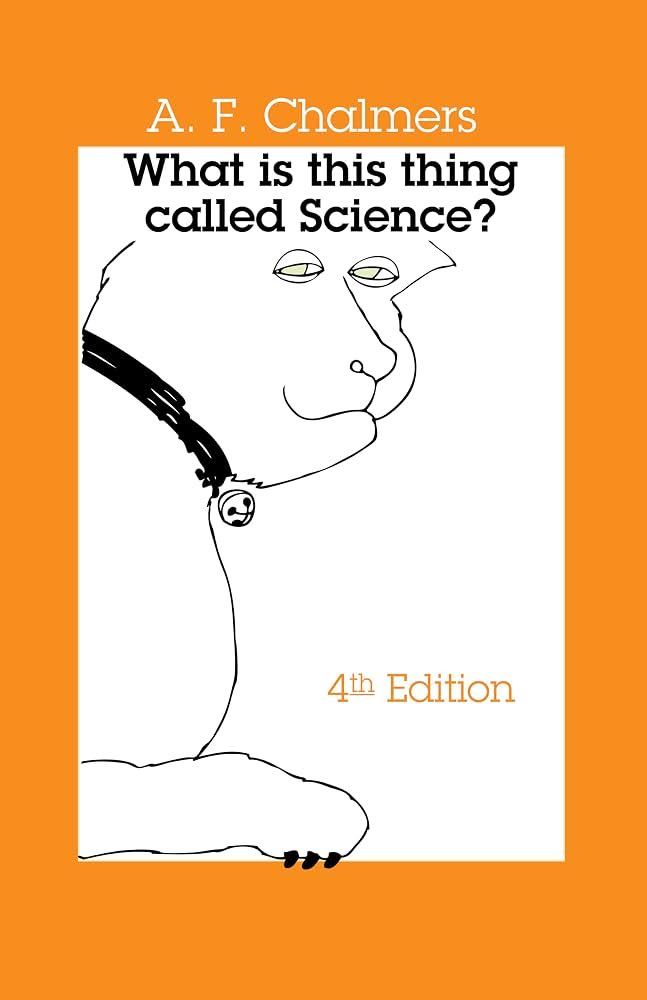
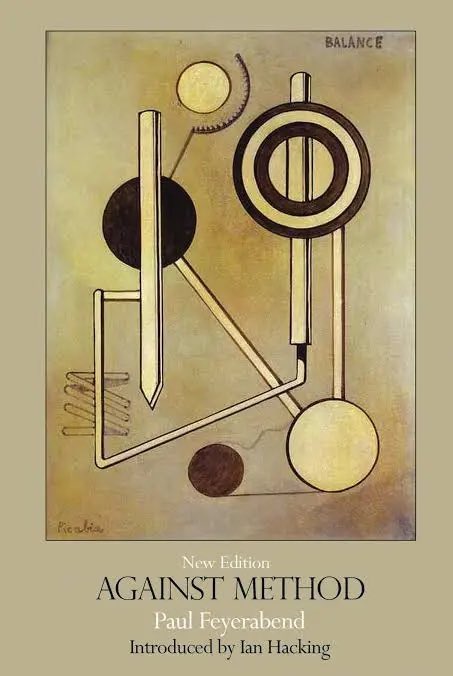
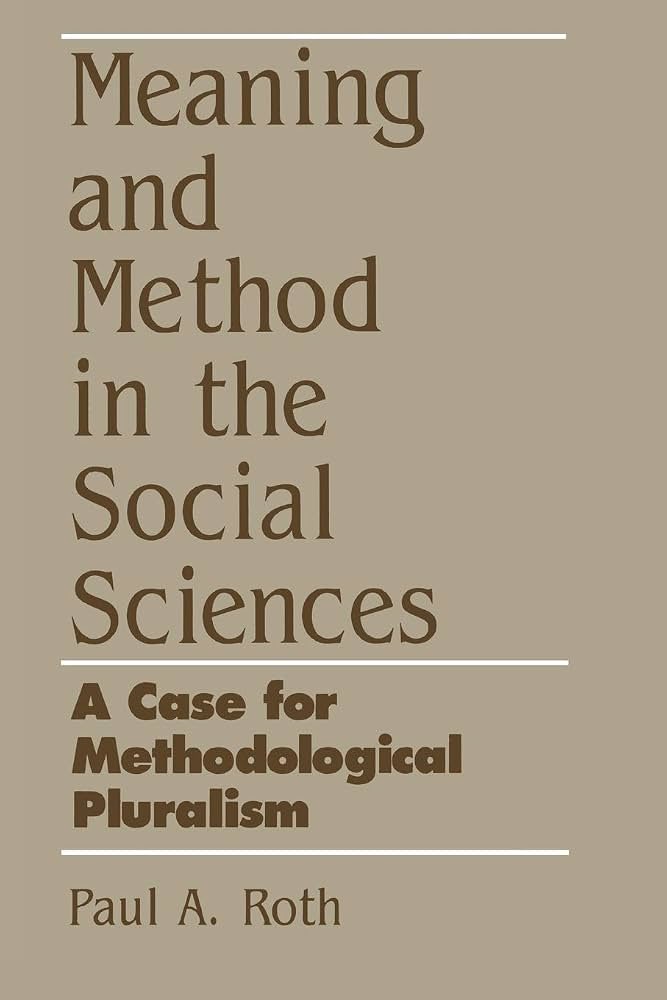
You do know there in an ENTIRE field in humanities called philosophy of science which is dedicated to understanding, interpreting, and re-engineering the notion of this ‘scientific method’ (if one exits in the first place) right?
https://t.co/pYxjpAq1Id
@irilturel @JaldiTheLaqxhj I heard that Epstein and Maxwell ideologically believed that drinking water is essential to life..have you considered giving up staying hydrated to defeat the Jewish cabal?
“The World, men find, is not just out of joint but tumbling away into the nothingness of absurdity. Nietzsche, who from his supreme peak saw far ahead of it all… had for it the simple, because thoughtful, words ‘The wasteland grows’.”
Martin Heidegger
Tu libertad termina donde empieza tu gilipollez. Y tu gilipollez termina donde empieza tu genialidad. Y eso es FARMEAR AURA: el espacio entre tu libertad y tu genialidad.










![RyanHaecker's tweet photo. "A large part of my philosophical life has, so it appears, looking back (and also looking forward) consisted in rehabilitating abandoned philosophical dwellings, habitats, and landscapes."
- Richard Sylvan [Routley], Philosophical Rehabilitation, quoted in Hyde 2014, 124 https://t.co/IjqKcePYhp](https://pbs.twimg.com/media/HS7uWghXEAA1Lhf.png)