Not trying leaves you with “what if?”
Trying without defining the test can leave you with motion but no lesson.
Before I move now, I ask:
What am I testing?
What means continue?
What means adjust?
Success builds. Failure teaches.
A measured attempt gives you somewhere to go next.
I wrote this years ago. I’d phrase it differently now, but the truth survived:
Wanting change and being willing to change are two different things.
Coaching can create clarity. What you do after the conversation is the proof.
Myrcene is the most common terpene in cannabis, also found in mangoes and lemongrass. Its earthy, herbal, clove-like aroma is easy to spot once you know what to look for.
That shared terpene is also behind the internet's favorite cannabis myth: the "eat a mango before you smoke" theory. The terpene connection is real; the results are still up for debate. Where do you stand? 👇
A weak month can create another month’s worth of unnecessary work.
New campaigns. More meetings. Different software. Longer hours.
Everyone feels better because there’s a plan.
But did you diagnose the problem, or just relieve the discomfort of not knowing?
What changed before performance changed?
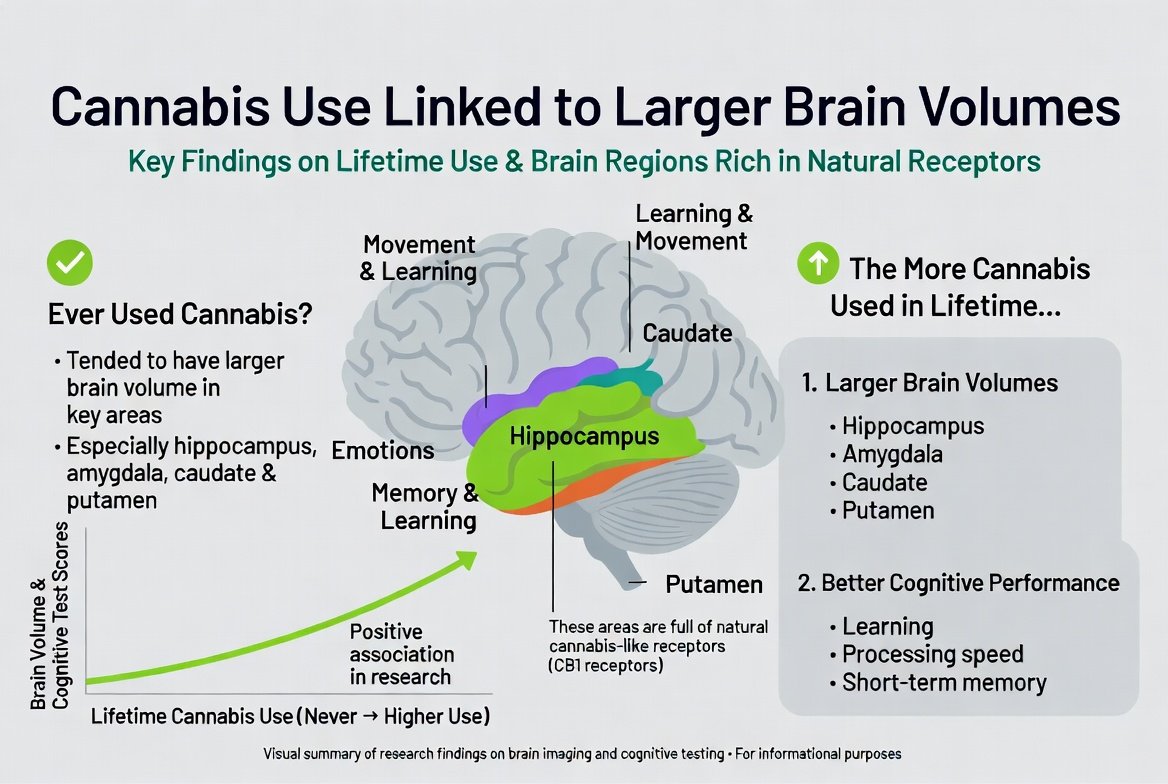
Data on 35,000+ adults: the more cannabis you’ve used in life, the bigger your hippocampus and the better your brain works after 40!
People who had ever used cannabis tended to have larger brain volume in key areas that are full of natural cannabis-like receptors (especially the hippocampus, amygdala, caudate, and putamen – these areas are important for memory, emotions, learning, and movement).
The more cannabis someone had used in their lifetime, the larger these brain areas were and the better they performed on tests of learning, processing speed, and short-term memory.
https://t.co/mc7OswiMsk
The EQ has landed in Europe & the UK 🇪🇺🇬🇧 Exclusive launch bundle includes the dry herb attachment for a limited time only.
Secure yours: https://t.co/GcVKUgAnJb
🚨The United States just offically recliassified cannabis.
The federal reclassification of medical marijuana to Schedule III marks a monumental shift in U.S. drug policy, promising to unlock clinical research and deliver massive tax relief to state-legal businesses.
After more than half a century under the nation's most restrictive drug category, state-licensed medical marijuana has been officially reclassified from Schedule I to Schedule III by the federal government.
Since 1970, cannabis was grouped alongside heroin and LSD under the assumption that it had high abuse potential and no accepted medical value—a designation that increasingly clashed with the reality of millions of Americans legalizing its use under state programs.
While the change does not legalize recreational marijuana federally or allow interstate sales, it removes significant roadblocks for medical cannabis operators and scientists alike.
The practical implications of this policy shift are vast, particularly for the business and scientific communities.
State-licensed medical dispensaries can finally access standard federal tax deductions and operate with fewer restrictions, while clinical researchers can now bypass long-standing bureaucratic hurdles to conduct comprehensive studies on the drug's medical efficacy and long-term health risks. Proponents hail the reclassification as a long-overdue, science-based correction, whereas critics warn it could downplay the potential risks associated with heavy cannabis use.
source: NBC News. Cannabis reclassification could 'open the floodgates' for research, scientists say.