Member of Technical Staff @AnthropicAI on our Frontier Red Team. Local policy nerd. Fan of lists of three. I am P-unit or Pun-it, depending on the day.
@jordanmcgillis Interesting that Indian American men lean to Dems more than women in the survey. I don’t know any other demographic with the same trend
Reducing the attack surface of deployed services and apps is a fundamental component of software that is secure by design. Earlier this year we tasked Claude with autonomously mapping and reducing the attack surface of 25 large and widely used OSS codebases. This blog post covers some of our methodology and a preview of the data we collected.
This research resulted in a significant reduction in OpenSSH pre-authentication attack surface (now fixed in 10.6). And over 500 findings where reachability could be reduced and configurations hardened to ensure security controls weren’t silently disabled.
https://t.co/8Iun038PNY
From our earlier announcement post:
> To validate an early version of OSS Scanner, we asked the expert penetration testers who review our CVD findings to check 97 critical and high-severity vulnerabilities from the scanner across 48 projects. Of these, 85 (88%) met the bar for our CVD process. Of the remaining 12, 11 were real but duplicated known issues or other findings from the scan, and only one was invalid, i.e. a “false positive.”
https://t.co/VZSSIdBi6i
11 days ago, our team @AnthropicAI launched OSS Scanner to give open source projects free, periodic vulnerability scans from our strongest models, inspired by OSS-Fuzz. Some numbers so far:
• ~650 projects applied
• 114 accepted
• 77 critical and 803 high model-rated findings reported (we haven’t scanned all projects yet)
How our reports ended up flagged as malware, and other learnings/updates below 🧵
@dusangran@ClaudeDevs Pm on oss scanner 👋 we’ve heard early feedback that the suggested patch and poc make the reports feel more useful as it makes it far easier to patch and verify the vuln is fixed
@_howardjohn@bagder Fair. We’re working through much more interest than I personally expected, I think there are still over 150 projects awaiting a decision. We’re working on it.
We updated the faq too with more details on what we consider in the holistic process
@violetainsights@ClaudeDevs We’re tracking how reports result in patches. Our announcement post shared that 88% of reports we marked high/critical and later audited matched our CVD bar. Including a threat model should help severity assessment but we’d like to keep improving
https://t.co/NqJdT5rQT4
@CyberQueenMara@logangraham We’re only able to support projects that are critical to security, established, and actually open-source. Many projects that applied didn’t meet that criteria
@jeffbruchado@ClaudeDevs pm on oss scanner 👋 not quite — we’re share the reports to maintainers privately to their prefered email only, with no other public disclosure.
OSS Scanner gives qualifying OSS projects PoCs and a suggested patch.
Updates:
• We’re piloting delivery through GitHub Security Advisories, which was a top request.
• We also made the FAQ's acceptance criteria clearer (most common rejection reasons: non-open-source license, projects that aren’t sufficiently established or critical), and we're working through the backlog.
Maintainers can apply for free: https://t.co/BZd5zCRdqh
How else can we make this more useful?
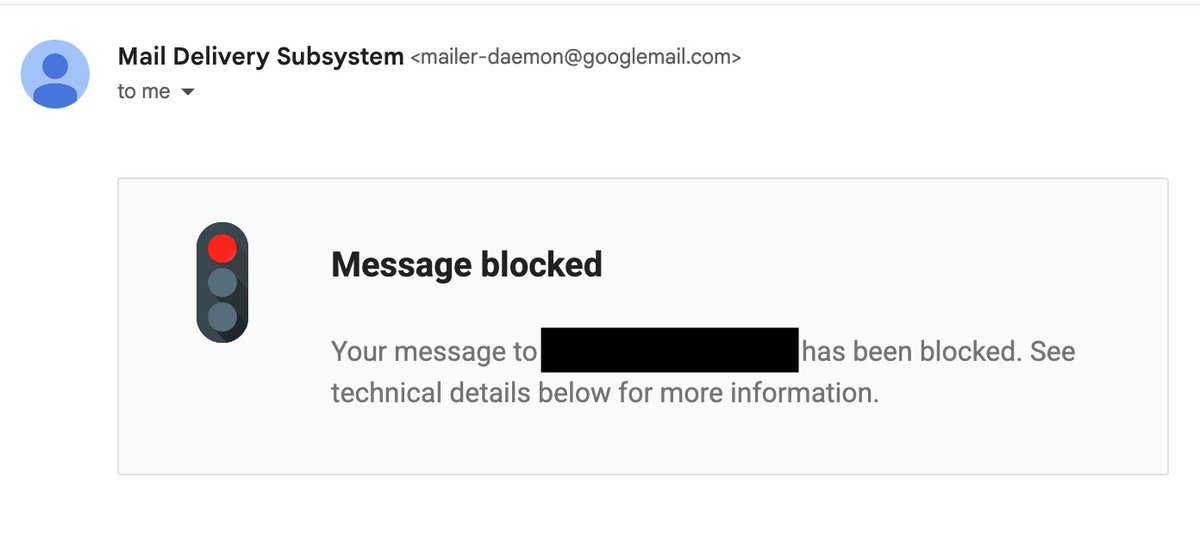
An unexpected learning: it turns out emailing vulnerability proof-of-concepts (PoCs) gets your email rejected, so most of the reports we first sent bounced. We think mail filters flagged these PoCs as malware. We already sent encrypted reports when maintainers provided us a key. Now, all reports arrive encrypted.
@GeoffreyHuntley hi @GeoffreyHuntley -- thanks for submitting. it sounds like this is a project just getting started based on the first message above? we're only able to accept established projects rn
@jatingargiitk@AnthropicAI Hi! PM at Anthropic on OSS Scanner 👋
We only share results with projects that opt-in and aren't putting any disclosure policy on the scanner's findings. We're hoping this gives the maintainer the chance to patch before attackers find the same issue.
@ClaudeDevs Excited to launch this skill to make it easier to migrate to our latest model!
What are some of the challenges you're facing that make migrating to the latest models challenging?