Theoretical physicist, and owner of a space discord. This is my account for physics, space, and other science. My account for other stuff is @AstromanAlt
🔔📜 IceCube paper submitted to PRD!
We predict that statistically significant data from the Upgrade will rule out a uniform Earth density profile in favor of the standard layered-density profile.
Story ➡️ https://t.co/PgD5QcLdqP
Am on an Iceland trip, partly because of the total solar eclipse, and partly because i love Iceland. Am waiting for the eclipse now but the weather isn’t looking good in Arnarstapi. Atleast the nature views are still amazing.
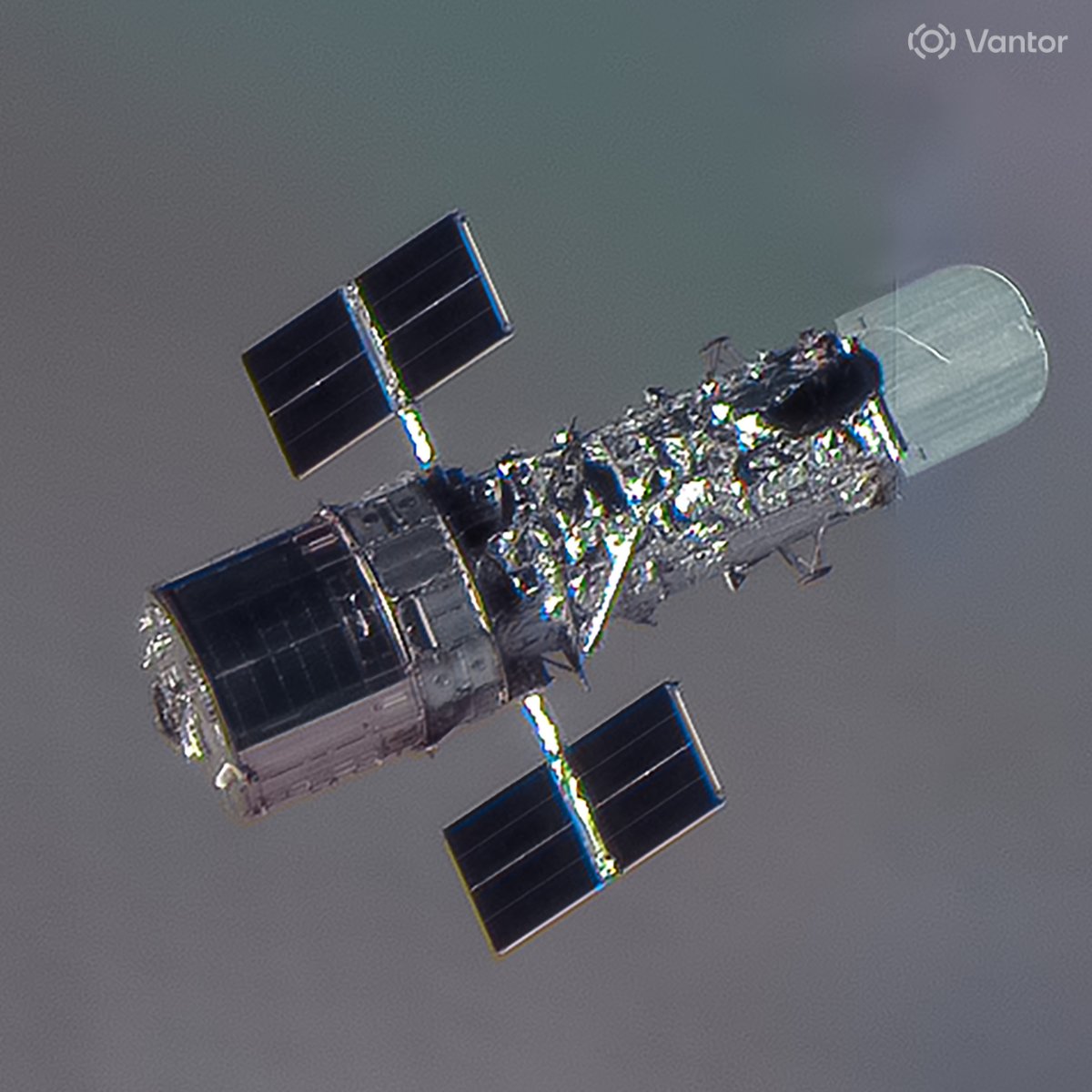
Celebrating 36 years of discovery with the Hubble Space Telescope 🔭
Collected on April 23, 2026, by one of Vantor's WorldView Legion satellites, this remarkable non-Earth image showcases Hubble from just 61.8 km away—an incredible perspective of one of humanity’s most iconic scientific instruments. With a space sample distance of 4.0 cm, Hubble’s signature cylindrical body, gleaming thermal shielding, and extended solar arrays are clearly visible, along with the open aperture door at the front of the telescope.
For over three decades, Hubble has expanded our understanding of the universe—delivering breathtaking imagery and groundbreaking science that continue to inspire.
Proud to support the technologies and teams that make moments like this possible.
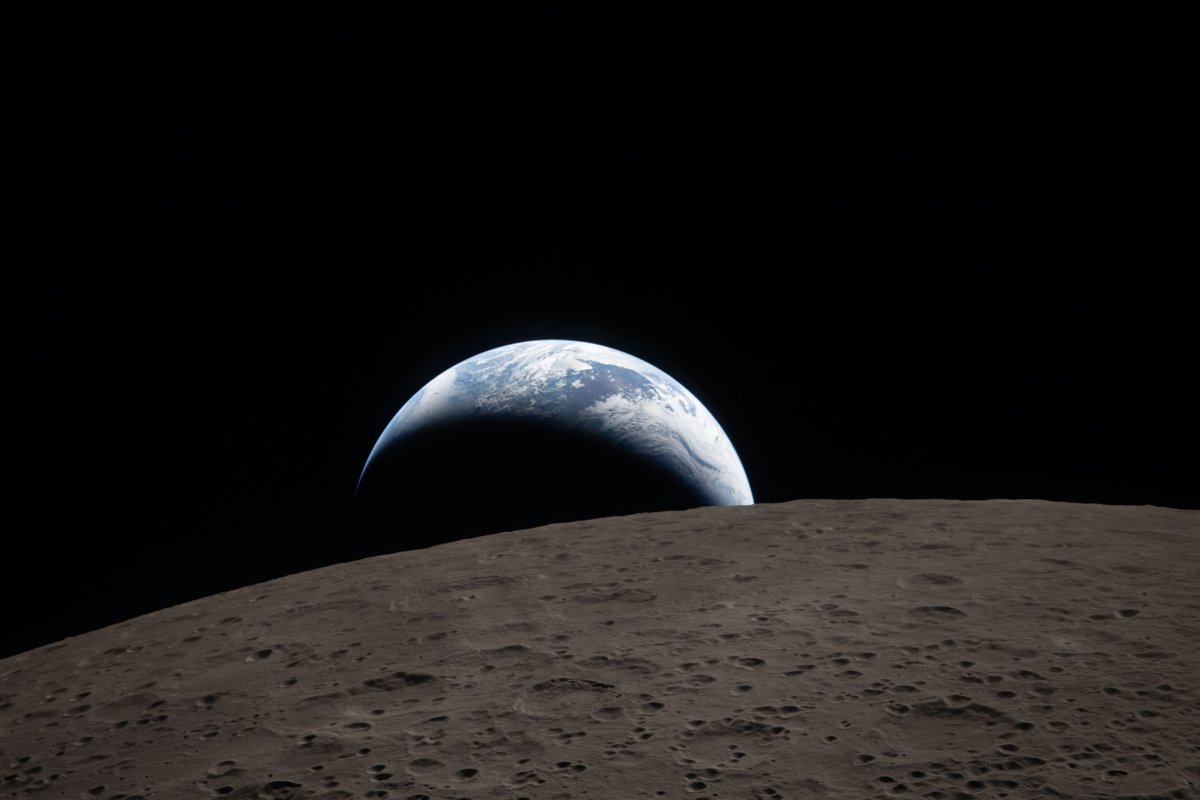
Earthset.
The Artemis II crew captured this view of an Earthset on April 6, 2026, as they flew around the Moon. The image is reminiscent of the iconic Earthrise image taken by astronaut Bill Anders 58 years earlier as the Apollo 8 crew flew around the Moon.
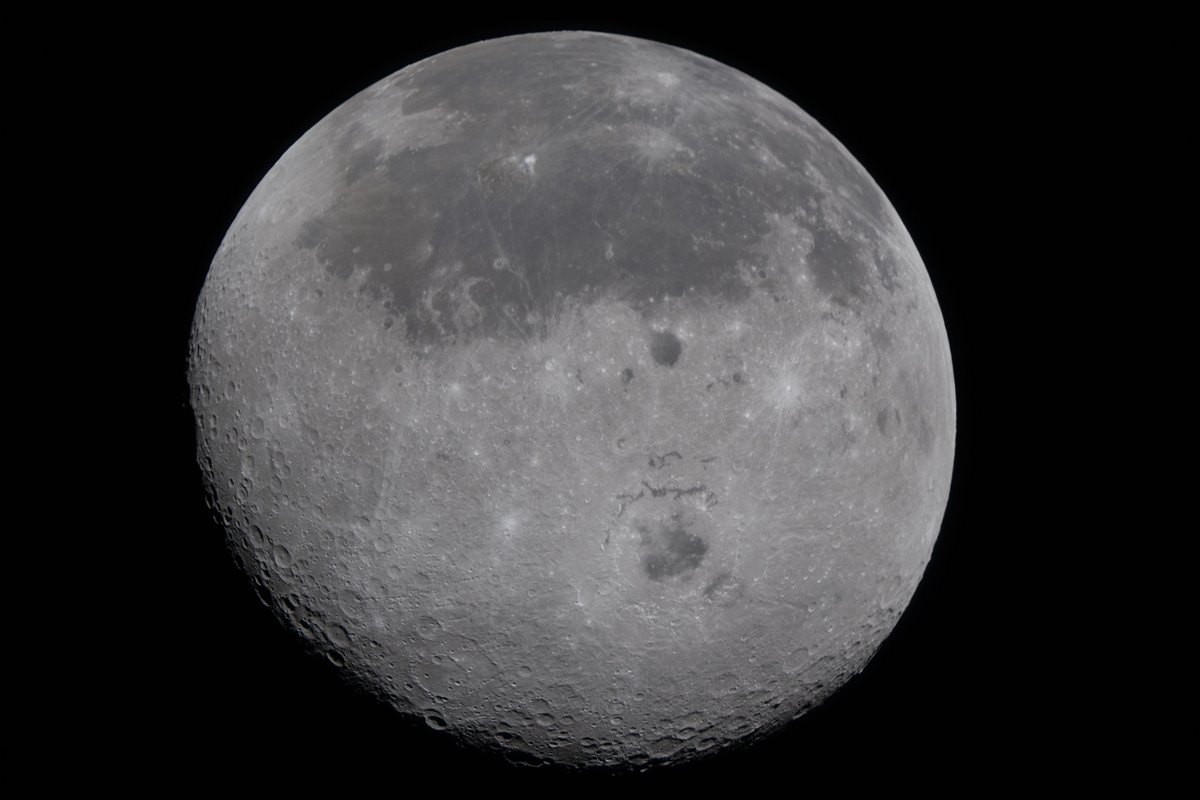
Approaching the near side of the Moon.
The Artemis II astronauts have surpassed the record for the distance from Earth at 1:56 ET (1756 UTC). This record was previously set during the Apollo 13 mission when the astronauts traveled 248,655 miles from Earth. The Moon continues to grow larger and larger in the windows of the Orion spacecraft as the Artemis II mission gears up to observe the far side. The astronauts are predicted to make their closest approach of the Moon around 7:02pm ET (2302 UTC).
HiPOD: A Martian Dust Avalanche
Relatively dark slope streaks are common on steep dust-mantled slopes of Mars. When imaged under high sun illumination they appear to be just a dark stain without topographic relief.
https://t.co/rZxiDxMR1O
NASA/JPL-Caltech/University of Arizona
Comet "C/2025 A6 (Lemmon)" keeps getting closer and brighter. It may be visible to the naked eye in a couple of weeks. I captured it this morning before sunrise on October 1, 2025.
Celestron RASA telescope
ZWO ASI533MC camera
Antlia L-Filter
Starfront Observatories
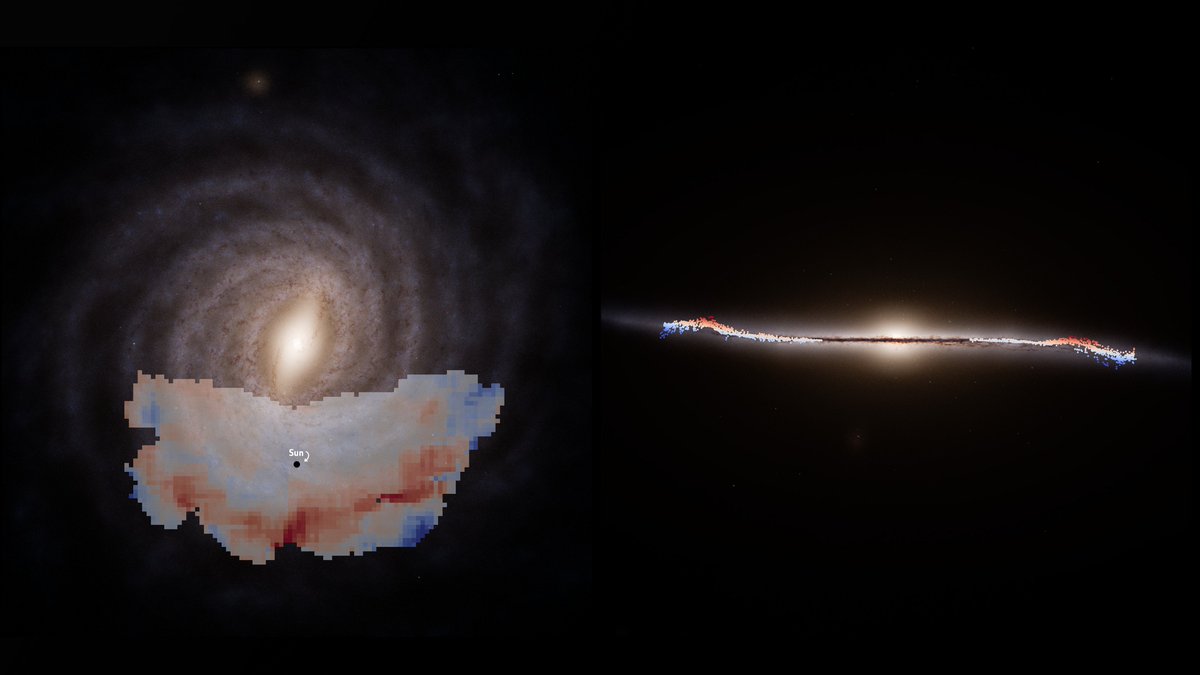
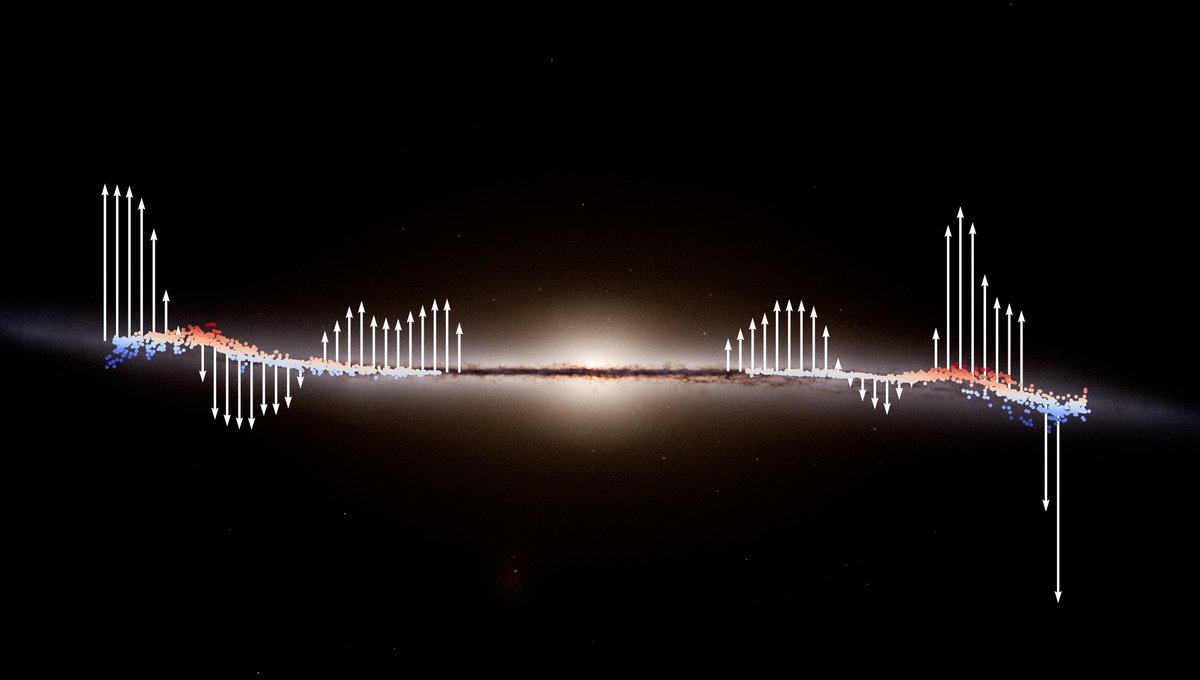
Stars in our galaxy make a stadium wave, Gaia finds 🙌
Our Milky Way galaxy never sits still: it rotates and wobbles 🌀
But @ESAGaia has just revealed that our galaxy also has a giant wave rippling outwards from its centre 👉 https://t.co/XDij4k0wU4
🆕 The discovery of new complex organic molecules at Saturn's #Enceladus enhances the likelihood that the moon is habitable 🪐
On Earth, these molecules are involved in chemical reaction chains that lead to the more complex molecules essential for life.
Read more 👉 https://t.co/Lan4h68TtO
All eyes on #3I/ATLAS ☄️
Our Mars Express & ExoMars Trace Gas Orbiter will observe the comet around its closest approach to Mars on 3 October 2025, when 3I/ATLAS will be around 30 million km from the red planet.
Stay tuned and follow https://t.co/8KPnup4Aw6
@OG__SPLIFF@esascience If you want a naked eye comet you should keep an eye on C/2025 A6 Lemmon . It’s predicted to reach mag 2 a mag 3, however comet brightness predictions are always difficult.
After a year of scientific scrutiny, a rock sample collected by the Perseverance rover has been confirmed to contain a potential biosignature. The sample is the best candidate so far to provide evidence of ancient microbial life on Mars. https://t.co/0BAO1dhMG8
Groundbreaking new image! The EHT reveals the dynamic environment around black hole M87*.
The 2021 image shows a distinct shift in polarization patterns, tracing changes in magnetic fields near the event horizon.
https://t.co/LeX8z75PUI
✨Turning light into heavy force carriers: For the first time, CMS has observed two photons fusing to create a pair of W bosons!
Read our full physics briefing for more: https://t.co/q4AG6v65PL
#physics#physicsnews#research#cern
On Wednesday, Sept. 10 at 11am EDT, @NASA will host a media teleconference with Acting NASA Administrator Sean Duffy and experts from the Mars Perseverance mission to discuss the analysis of a rock sampled by the rover.
Set a reminder: https://t.co/6YnZ2NaKIt
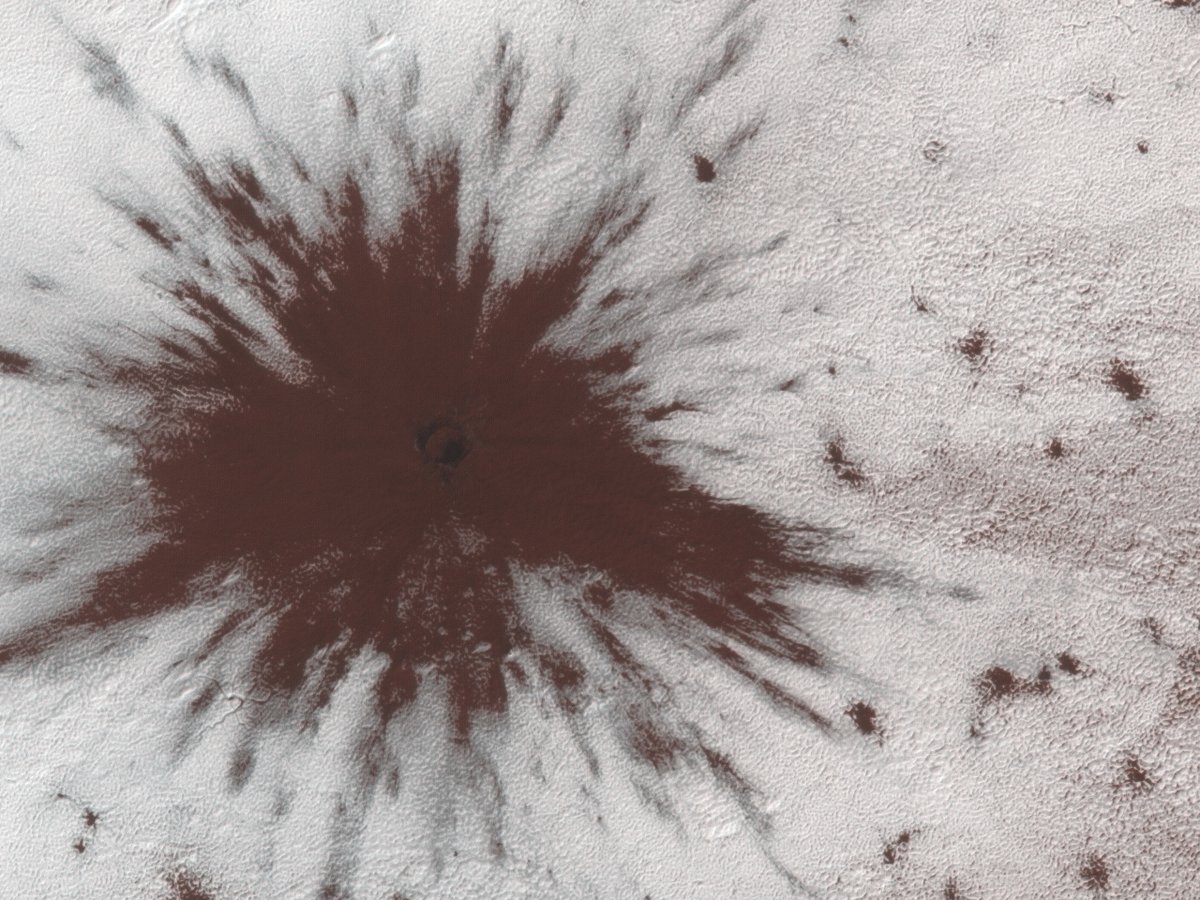
Impact near the South Pole
This image shows a new impact crater that formed between July and September 2018. It’s notable because it occurred in the seasonal southern ice cap, and has apparently punched through it, creating a two-toned blast pattern.
https://t.co/LqHlAlgl3U
[Web release] XRISM discovers evidence of rapid ionisation in a supernova remnant near the supermassive black hole in our galactic centre. Read more 👉 https://t.co/yD7b4NeZlI