Don't care, it's still bad for anyone to hand over their sensitive personal info to a faceless corporation that you can't trust (and with good reason). Fuck this platform.
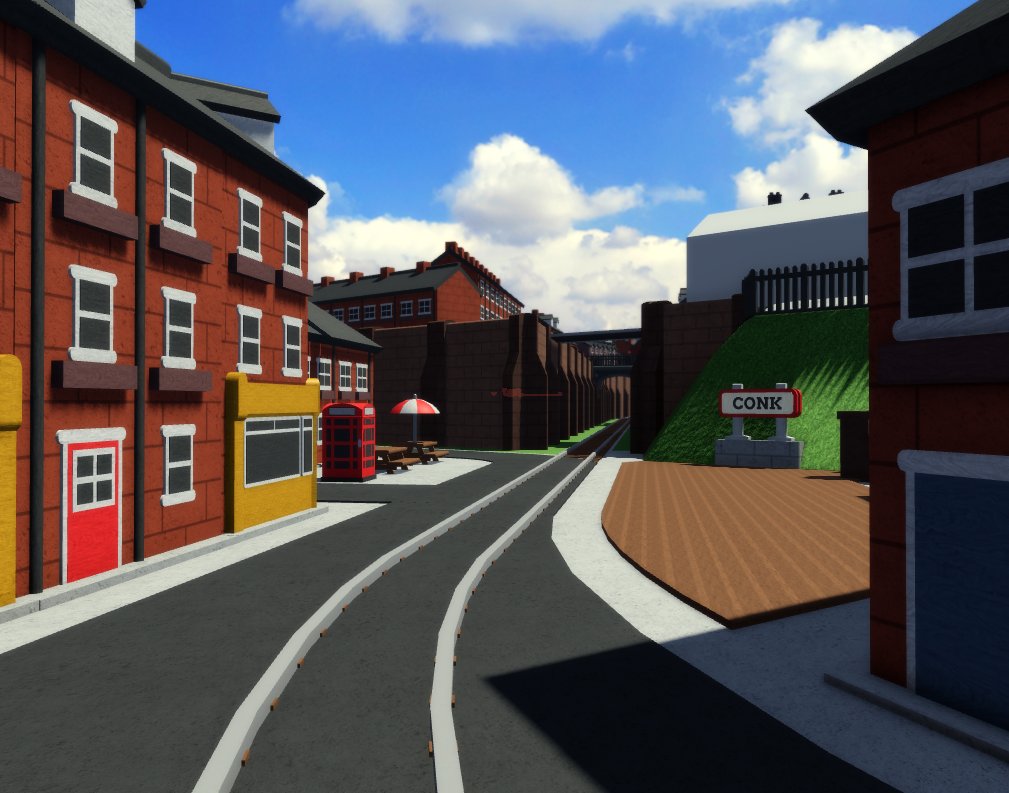
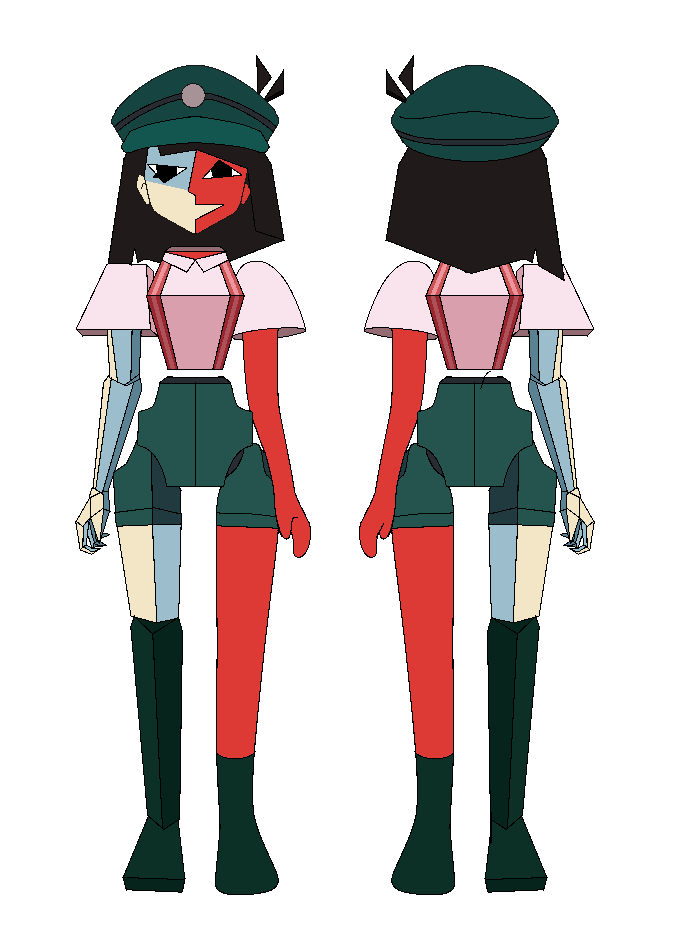
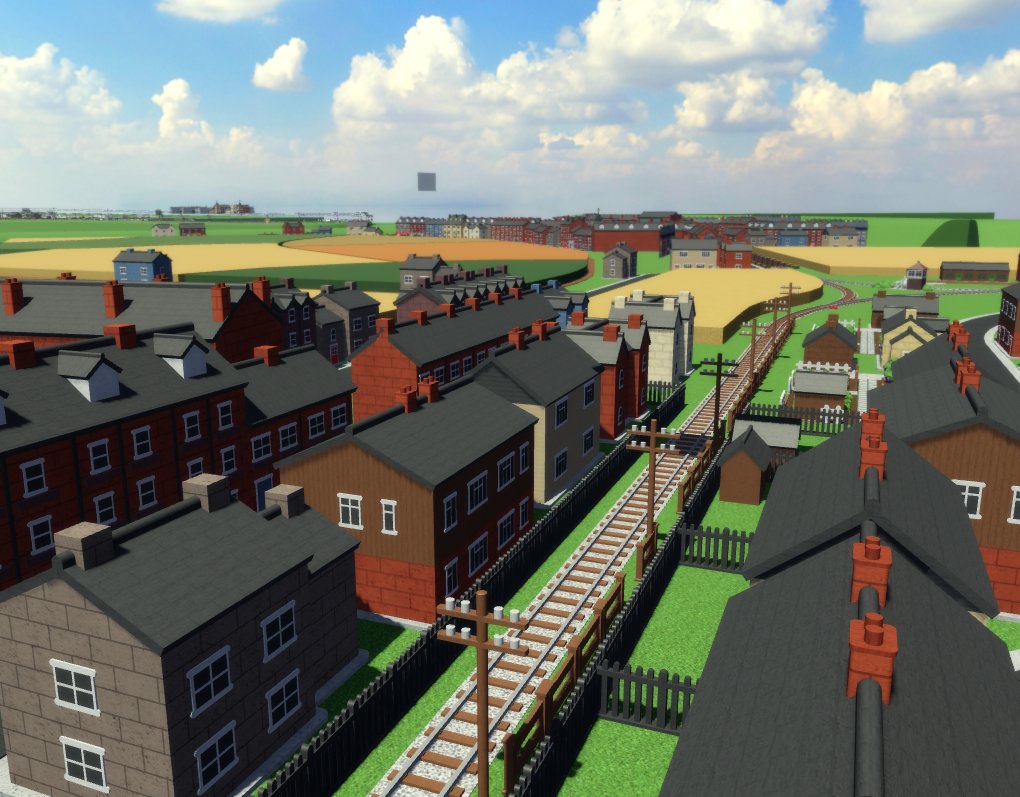
Posting a bout this as i do wish he'd return but i just want to shed some light on William Dawson's TTTE Work, it's sad knowing he deactivated his twitter account a scrubbed all of his TTTE work as it did really inspire me whenever i saw them, and i thought i should show them 1/2
A visual demonstration of lunar libration, allowing up to 59% of the satellite's surface to be seen from Earth.
This video was created using photographs of the full moon taken over a period of three years.
How *Psyche* Borrowed Speed from Mars
In May, NASA’s *Psyche* spacecraft flew past Mars, using the planet as a free speed boost. The agency has now released a stunning video showing what the probe managed to observe during those few days.
This maneuver is known as a gravity assist: the spacecraft approaches a planet, enters its gravitational pull, and exits with increased speed and a corrected trajectory. For *Psyche*, it is a way to reach its destination while using almost no fuel. Its target is unique: the metallic asteroid Psyche, located in the main asteroid belt, which the probe is scheduled to reach in 2029.
During the flyby, the spacecraft’s multispectral camera captured thousands of images. The approach began on May 2, with *Psyche* making its closest pass to Mars on the 15th. NASA compiled these frames into a time-lapse video showing the planet’s crescent growing during the approach, followed by surface details and the icy southern polar cap as the probe moved away.
But the beautiful imagery wasn't the only objective. The flyby also served as a dress rehearsal. Engineers tested the camera’s calibration and its handling of scattered light; they even managed to spot the tiny Martian moons—Phobos and Deimos—from a distance. According to Jim Bell, the camera team lead from Arizona State University, this is exactly how the team practices searching for potential small satellites around the asteroid itself.
In short, a single maneuver accomplished three goals: it propelled the probe toward its target, saved fuel, and allowed the team to rehearse future operations. Not bad for a brief encounter with a neighboring planet.