Former FB/Roblox data scientist. Now I run local service businesses and build AI agents to automate them. Sharing what works in ads, ops, data, and growth.
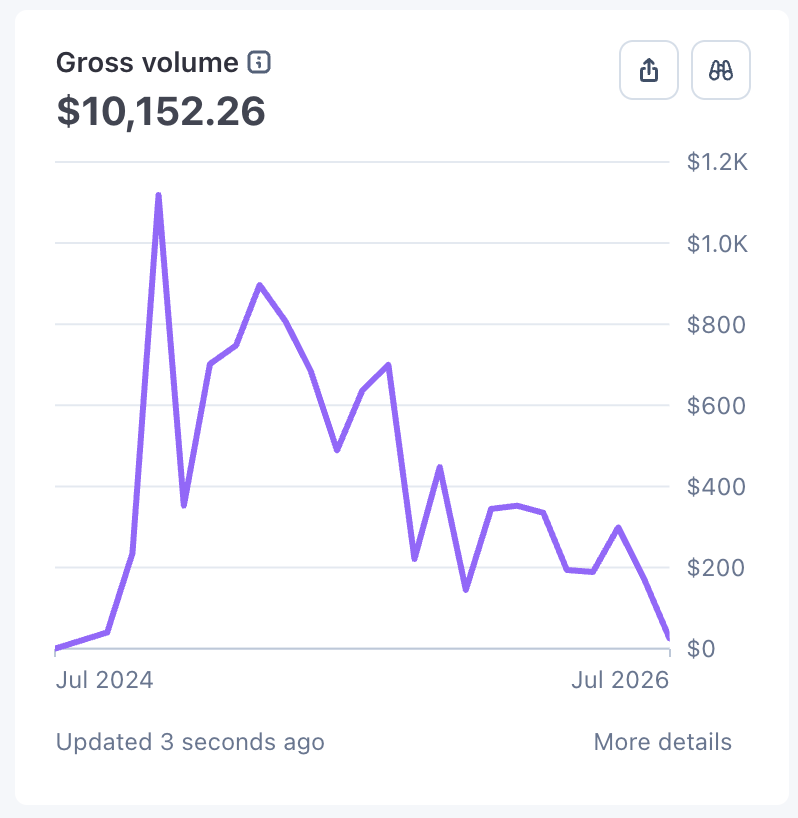
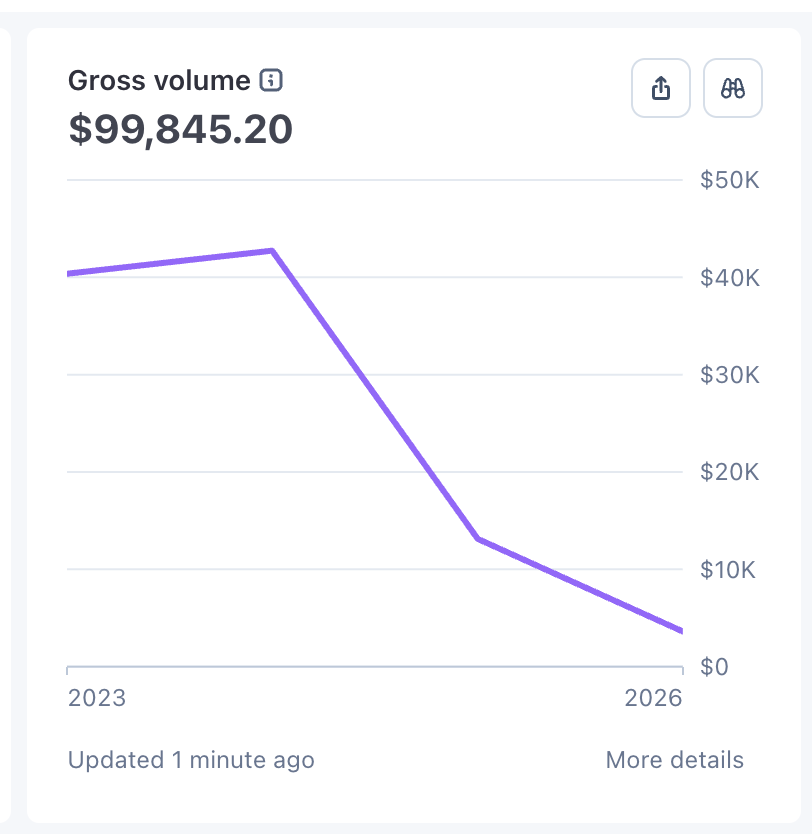
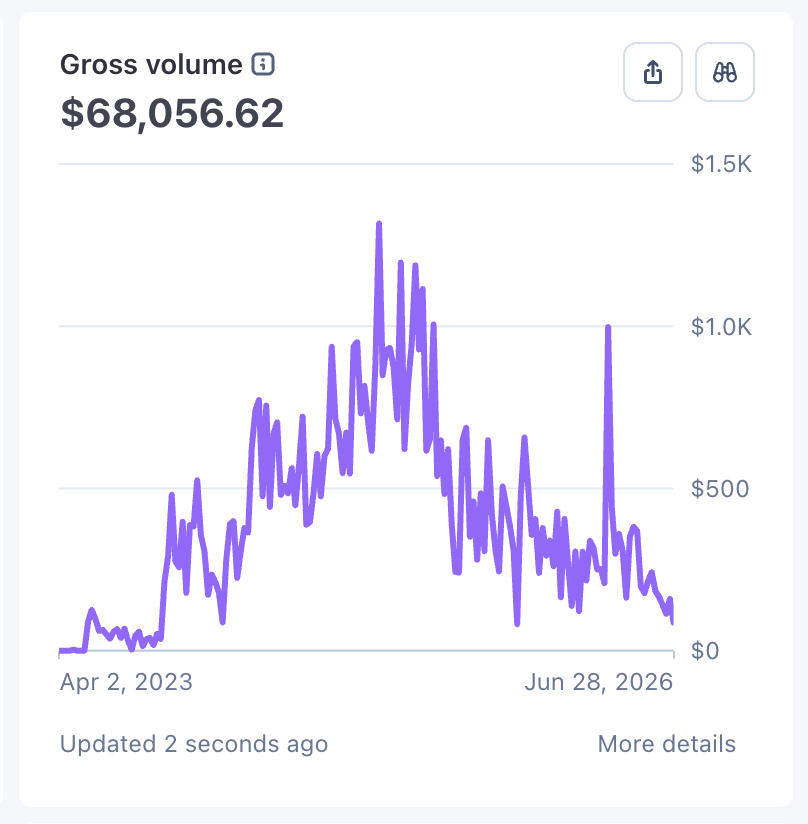
I have built 4 apps that have grossed to 5 figure and one almost at 6 figure. My secret to getting first 100 users or payers is ...
Running ads - Almost all of them started with some sort of ads - either paid ads or soft ads.
I find it to be a much easier way to iterate by getting usage/feedback from real users. If a $5 per day Facebook ads can get you 50 landings on your home page so you see how they are using your product, there really isn't a better ROI investment than that.
If you dont have huge followings on X or youtube like me, then paid ads are probably still the easiest way to get your first 100 users or even 100 paid users.
Handy has been awesome. One of the biggest productivity lifts I’ve had recently.
Typing code vs speaking code feels genuinely different . The productivity lift is especially sharp when you do multiple coding sessions at once.
Kudos @cj_pais.
https://t.co/8YmTTPffMj
@Hina_Afridi_ Building NotFair — an AI operator for Google Ads. It reads campaign data, drafts changes, applies safe fixes with guardrails, and explains what changed in plain English. Mostly for founders/operators who know ads matter but don’t want to live inside Google Ads every day.
@alejandrobradf Agree on volume, but I’d separate volume of attempts from volume of spend. You need enough shots to find the angle, but the system also has to kill bad angles quickly. Most teams are bad at both: they test too slowly, then keep losers alive too long.
@ArtAndAlgo The standing permission point is the whole thing. The hard part isn’t getting an agent to do a demo task. It’s giving it memory, tools, queues, and permissions — then making it verify results and stop before public/destructive actions.
@xbSTOOPID The best filter I’ve found: don’t automate until you can write the failure checklist. Otherwise AI just makes the mess faster. The valuable stuff is usually boring — queue, permissions, review step, retry path, and knowing when a human has to approve.
@zohairk19 Agree. I see this especially with local services. Cold traffic needs trust basics: what you do, where, proof, rules, pricing context. Warm traffic needs friction removed. If both see the same ad/page, one of them is definitely getting the wrong conversation.
@rostikdeni Running a pet daycare made me think about this less as “AI SEO” and more as customer clarity. Hours, vaccine rules, pricing context, pickup/dropoff, reviews, location pages — boring stuff. But it’s exactly what both customers and AI need before they trust you.
Should you run a PMax campaign?
Wrong question.
The better question is:
Does your customer know what they want before they search?
NotFair recently crossed 1,200 customers, so we analyzed thousands of Google Ads campaigns to answer this.
Here’s what we found:
PMax wins when demand needs to be discovered.
Search wins when the query does the qualifying.
Example 1:
Auto detailing & tint.
PMax CPA was 62% lower than Search.
Why?
Because customers don’t always start with the obvious keyword.
They search around the problem:
- ceramic coating
- Tesla tint
- PPF
- car wrap
- scratch repair
- mobile detailing
PMax is good at finding that adjacent intent.
Example 2:
Property management / apartments.
Search CPA was 86% lower than PMax.
Why?
Because the query already qualifies the customer.
“2 bedroom apartment in Austin”
“property management company Seattle”
“pet friendly apartment near me”
In that world, control matters more than reach.
My takeaway:
PMax is a discovery engine.
Search is a qualification engine.
Most accounts fail because they use the wrong engine for the job.
Stop asking “which campaign type is better?”
Ask what job you’re hiring it to do.