Cardiovascular considerations DURING cancer therapy🫀
The second of a 3 part #JACCCardioOnc Expert Panel series exploring cardiovascular care before, during, & after cancer therapy.
Recommendations for #CardioOncology care during cancer treatment:
Cardioprotection🛡️:
📍ACEI/ARB, beta-blockers, & statins may be considered to prevent ⬇️LVEF with anthracyclines 📍Consider dexrazoxane or liposomal doxorubicin for high cumulative anthracycline dose or LVEF <50% 📍Implement strategies to minimize cardiac radiation exposure
Surveillance🖥️:
📍Echo for anthracyclines & HER2-targeted therapies 📍Troponin & ECG for patients receiving ICIs
📍Prompt treatment & evaluation for high suspicion of ICI myocarditis 📍Blood pressure monitoring for VEGFi, BTKi, & ALKi therapies 📍Lipid monitoring for lorlatinib
Permissive cardiotoxicity⚖️:
📍Continue HER2-targeted therapy in selected patients with mild LV dysfunction, but need to evaluate risk & benefits 📍ACEi may be reasonable in patients with ⬆️ troponin during anthracycline therapy 📍Nitrates and/or calcium channel blockers can be considered to treat & rechallenge selected patients with 5-FU/capecitabine vasospasm, with close monitoring
Read more in @JACCJournals:
https://t.co/gxcpXpcDP2
Lp(a) vs CAC: Which One Wins?
Many clinicians assume that elevated Lp(a) makes CAC scoring less useful because Lp(a) is associated with non-calcified plaque.
This new study of 11,319 individuals suggests otherwise.
✅ Elevated Lp(a) increased risk across all CAC strata.
✅ CAC remained a powerful risk discriminator.
✅ Even with Lp(a) >50 mg/dL, individuals with CAC=0 had remarkably low absolute event rates over ~15 years.
The highest risk?
Lp(a) >50 mg/dL + CAC ≥300
(HR 6.12).
Perhaps the lesson is simple:
Lp(a) tells us who is biologically predisposed.
CAC tells us how much of that risk has actually become disease.
And those are not the same thing.
#LpA #Prevention #CardiacCT #CAC #Atherosclerosis #Cardiology #CardiovascularPrevention #Imaging #CCTA
A los médicos les chupa un huevo si sos adicto, si te comes 20 MC combos a la semana, si te tomas 20 birras por noche, si la cagas a tu mujer, si no te gusta caminar, si estuviste en cana, no les importa. Pero necesitan que NO MIENTAS para poder hacer bien su trabajo y NO MATARTE
#HeartFailure (HF) affects more than 64 million individuals worldwide, and acute HF is associated with 1-year mortality rates of 23.6% in North America and Europe.
Cardiac resynchronization therapy restores synchronous ventricular activation in patients with HF, reduced LVEF, and left bundle-branch block, or in those requiring chronic ventricular pacing, and may improve LV function, decrease HF hospitalizations, and reduce mortality. 🧵
🔗 Learn more in this JAMA Review: https://t.co/HYZqQg8rzi
Especial médicos🩺⚕️🏥👨🏻⚕️👩🏻⚕️.
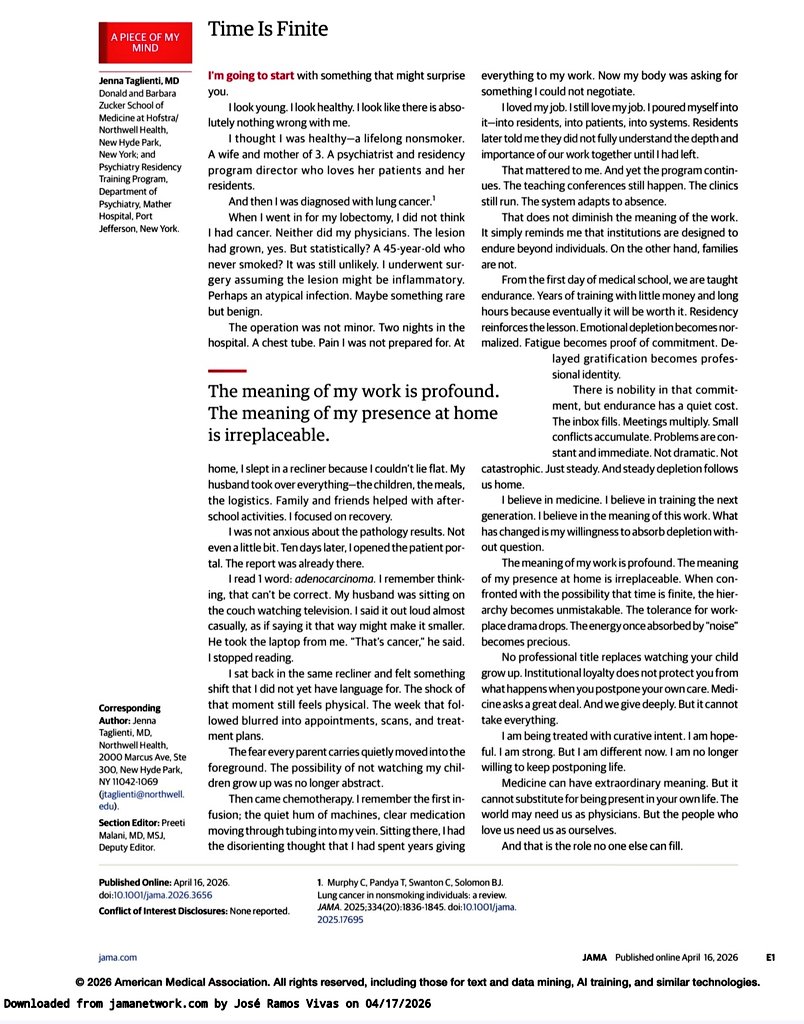
Os dejo esta carta en JAMA. Se la pondré a mis alumnos en la próxima clase:
He elegido estas frases :
👇🏻⏰
«La medicina puede tener un significado extraordinario. Pero no puede sustituir el estar presente en tu propia vida. El mundo puede necesitarnos como médicos. Pero las personas que nos aman nos necesitan como nosotros mismos. Y ese es el rol que nadie más puede llenar.»
«La residencia refuerza la lección de que las instituciones están diseñadas para perdurar más allá de los individuos. En cambio, las familias no.»
«Creo en formar a la próxima generación. Creo en el significado de este trabajo. Lo que ha cambiado es mi disposición a absorber el desgaste sin cuestionarlo.»
«Ya no estoy dispuesta a seguir posponiendo la vida. La medicina exige mucho. Y nosotros damos profundamente. Pero no puede tomarlo todo.»
«El significado de mi trabajo es profundo. El significado de mi presencia en casa es irremplazable.»
‼️🫘⚡𝗣𝗼𝘁𝗮𝘀𝗶𝗼 𝘆 𝗿𝗶𝗻̃𝗼́𝗻: 𝗺𝘂𝗰𝗵𝗼 𝗺𝗮́𝘀 𝗾𝘂𝗲 “𝘁𝗿𝗮𝘁𝗮𝗿 𝗹𝗮 𝗵𝗶𝗽𝗲𝗿𝗞” 🚨⁉️🥑🫘🍌 @Nature
👇🏼👇🏼👇🏼👇🏼
📑🔗🔑🔓
https://t.co/89ht2mBRSA
⬇️⬇️⬇️⬇️
🧵👇
📌Este review deja un mensaje potente: el potasio no solo importa por las arritmias ⚠️, sino porque el riñón lo usa para regular 𝙣𝙖𝙩𝙧𝙞𝙪𝙧𝙚𝙨𝙞𝙨, 𝙥𝙧𝙚𝙨𝙞𝙤́𝙣 𝙖𝙧𝙩𝙚𝙧𝙞𝙖𝙡 𝙮 𝙨𝙖𝙡𝙪𝙙 𝙘𝙖𝙧𝙙𝙞𝙤𝙧𝙧𝙚𝙣𝙖𝙡 🫀🩺.
👉 Dietas bajas en potasio favorecen 𝙃𝙏𝘼 𝙨𝙚𝙣𝙨𝙞𝙗𝙡𝙚 𝙖 𝙨𝙖𝙡; dietas ricas en potasio promueven 𝙣𝙖𝙩𝙧𝙞𝙪𝙧𝙚𝙨𝙞𝙨 y bajan la PA.
🧠🔁 𝙀𝙡 “𝙆 𝙨𝙬𝙞𝙩𝙘𝙝” 𝙧𝙚𝙣𝙖𝙡 𝙚𝙭𝙥𝙡𝙞𝙘𝙖 𝙢𝙪𝙘𝙝𝙞́𝙨𝙞𝙢𝙤
Cuando el potasio baja 📉, el riñón activa el 𝙉𝘾𝘾 en el túbulo distal → retiene más sodio y sube la presión 🧂⬆️🩸.
Cuando el potasio sube 📈, el NCC se frena → más natriuresis y más kaliuresis ✅
👉 El potasio no es un “electrolito aislado”: es un regulador real del manejo renal de sodio.
🫀📉 𝘿𝙞𝙚𝙩𝙖 𝙗𝙖𝙟𝙖 𝙚𝙣 𝙥𝙤𝙩𝙖𝙨𝙞𝙤 = 𝙢𝙖́𝙨 𝙧𝙞𝙚𝙨𝙜𝙤 𝙘𝙖𝙧𝙙𝙞𝙤𝙫𝙖𝙨𝙘𝙪𝙡𝙖𝙧
La revisión resume evidencia sólida de que aumentar el potasio en la dieta se asocia con:
✅ menor presión arterial
✅ menos eventos cardiovasculares
✅ menor mortalidad
Y los 𝙨𝙪𝙨𝙩𝙞𝙩𝙪𝙩𝙤𝙨 𝙙𝙚 𝙨𝙖𝙡 𝙘𝙤𝙣 𝙥𝙤𝙩𝙖𝙨𝙞𝙤 ya demostraron reducir eventos y muerte en ensayos clínicos 🌍📊.
🫘🧪 𝙀𝙡 𝙧𝙞𝙣̃𝙤́𝙣 𝙩𝙖𝙢𝙗𝙞𝙚́𝙣 𝙎𝙐𝙁𝙍𝙀 𝙘𝙤𝙣 𝙡𝙖 𝙝𝙞𝙥𝙤𝙠𝙖𝙡𝙚𝙢𝙞𝙖 𝙘𝙧𝙤́𝙣𝙞𝙘𝙖
No todo es arritmia o debilidad muscular ⚡️💪
La hipokalemia sostenida puede causar nefropatía hipokalémica, con:
🧫 inflamación tubulointersticial
🧱 fibrosis
🩸 lesión hipóxica
🧪 amoniogénesis aumentada
👉 El potasio bajo crónico puede acelerar daño renal, no solo “reflejarlo”.
🍌🥑 𝙋𝙤𝙩𝙖𝙨𝙞𝙤 𝙙𝙚 𝙖𝙡𝙞𝙢𝙚𝙣𝙩𝙤𝙨 𝙫𝙨 𝙥𝙤𝙩𝙖𝙨𝙞𝙤 𝙚𝙣 𝙨𝙪𝙥𝙡𝙚𝙢𝙚𝙣𝙩𝙤 𝙉𝙊 𝙨𝙚 𝙘𝙤𝙢𝙥𝙤𝙧𝙩𝙖𝙣 𝙞𝙜𝙪𝙖𝙡
Gran perla del artículo 👀:
🍎 𝙛𝙧𝙪𝙩𝙖𝙨 𝙮 𝙫𝙚𝙧𝙙𝙪𝙧𝙖𝙨 suelen tener 𝙥𝙤𝙘𝙤 𝙤 𝙣𝙪𝙡𝙤 𝙚𝙛𝙚𝙘𝙩𝙤 sobre la kalemia, incluso en muchos pacientes con ERC
porque traen:
🌿 menor biodisponibilidad relativa
💩 más excreción fecal
🍚 carbohidratos → más insulina → más entrada celular de K
En cambio:
🧂 𝙨𝙖𝙡𝙚𝙨 𝙚𝙣𝙧𝙞𝙦𝙪𝙚𝙘𝙞𝙙𝙖𝙨 𝙘𝙤𝙣 𝙆 y 💊 𝙨𝙪𝙥𝙡𝙚𝙢𝙚𝙣𝙩𝙤𝙨 sí suben más el potasio sérico.
⚠️📈 𝙀𝙣 𝙀𝙍𝘾 𝙚𝙡 𝙙𝙞𝙡𝙚𝙢𝙖 𝙚𝙨 𝙧𝙚𝙖𝙡: 𝙗𝙚𝙣𝙚𝙛𝙞𝙘𝙞𝙤 𝙘𝙖𝙧𝙙𝙞𝙤𝙧𝙧𝙚𝙣𝙖𝙡 𝙫𝙨 𝙧𝙞𝙚𝙨𝙜𝙤 𝙙𝙚 𝙝𝙞𝙥𝙚𝙧𝙆
El review reconoce la gran tensión clínica:
🟢 más potasio podría proteger corazón, presión y quizá riñón
🔴 pero en 𝙀𝙍𝘾, sobre todo avanzada, aumenta el riesgo de 𝙝𝙞𝙥𝙚𝙧𝙆
Además, la relación entre potasio y outcomes parece en 𝙐:
📌 tanto muy bajo como muy alto se asocian a peor pronóstico
🎯 rango “más favorable” de potasio sérico: aproximadamente 𝟰.𝟬–𝟰.𝟱 𝙢𝙢𝙤𝙡/𝙇.
🛠️💊 𝙀𝙡 𝙛𝙪𝙩𝙪𝙧𝙤 𝙥𝙧𝙤𝙗𝙖𝙗𝙡𝙚𝙢𝙚𝙣𝙩𝙚 𝙣𝙤 𝙨𝙚𝙖 “𝙧𝙚𝙨𝙩𝙧𝙞𝙣𝙜𝙞𝙧 𝙥𝙤𝙩𝙖𝙨𝙞𝙤 𝙖 𝙩𝙤𝙙𝙤𝙨”, 𝙨𝙞𝙣𝙤 𝙥𝙚𝙧𝙢𝙞𝙩𝙞𝙧𝙡𝙤 𝙘𝙤𝙣 𝙚𝙨𝙩𝙧𝙖𝙩𝙚𝙜𝙞𝙖
El paper plantea una idea muy práctica y moderna:
✅ usar 𝙗𝙞𝙣𝙙𝙚𝙧𝙨 𝙙𝙚 𝙥𝙤𝙩𝙖𝙨𝙞𝙤
✅ mantener 𝙍𝘼𝘼𝙎𝙞/𝙈𝙍𝘼 cuando sea posible
✅ aprovechar fármacos renoprotectores como 𝙎𝙂𝙇𝙏𝟮𝙞 y quizá 𝙂𝙇𝙋-𝟭 𝙍𝘼 para reducir riesgo de hiperK
👉 La meta no debería ser solo “evitar hiperpotasemia”, sino permitir que más pacientes se beneficien de una estrategia cardiorrenal integral 🫀🫘✨.
‼️Si te sirve: ❤️ Me gusta | 🔁 Repost | ➕ Follow para más #MedED en #ClubCrit 😄🧠🫶
📚📖 Más en el blog #ClubCrit 👉 [https://t.co/NFkn3orUOs]
#ClubCrit #Hypertension #NCC #Electrolytes #Cardiology #Nephrology #Potassium #CKD #Hypokalemia #Hyperkalemia #Nutrition #Cardiorenal #CritCareMed #POCUS #VExUS #ICU #CriticalCare #CuidadoCrítico #MedTwitter #CritCare #Diagnóstico #icu #intensivecare #diagnosis #management #UCI #Tratamiento #MedicinaBasadaEnEvidencia #MedEd #Medicina #FOAMed #FOAMcc #MedX #IntensiveCare #EducaciónMédica #MedIntensiva #MedXCommunity #MedicinaCrítica #MedED #CritCare #ICUmanagement #MustRead #LecturaRecomendada
🩺Trastornos del Potasio (2026), ideal para refrescar conceptos clave en Urgencias y Medicina Interna. 📚✨
🧵 HILO: Diskalemias (Hiper e Hipopotasemia) 🧬
1⃣/10 Los trastornos del potasio son el "pan de cada día" en Urgencias: ¡hasta 1 de cada 11 pacientes presenta alteraciones!. No son solo números; son reflejos de patologías subyacentes o interacciones medicamentosas críticas.
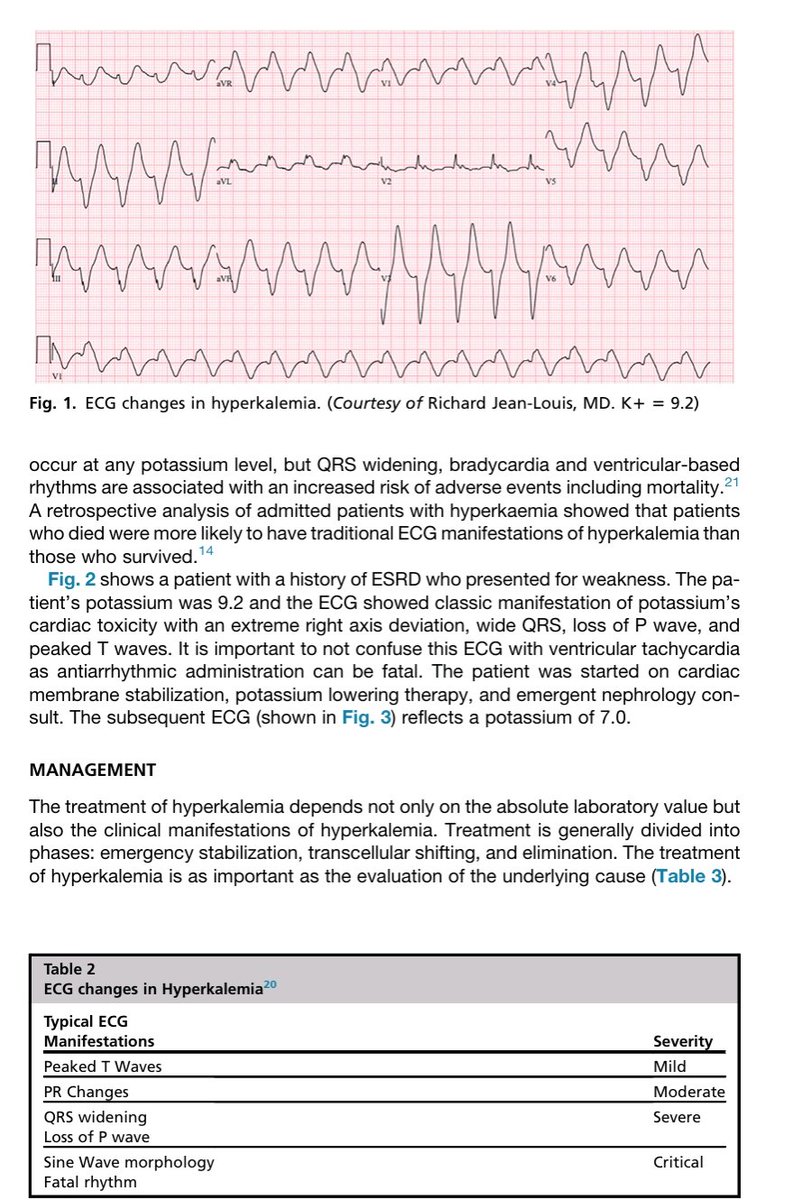
2⃣/10 HIPERPOTASEMIA ⚠️ (K^+ > 5.0~mmol/L):
¡Cuidado con la pseudo-hiperpotasemia! Hemólisis por torniquete prolongado o fragilidad celular en leucemias pueden dar falsos positivos. Siempre correlacionar con el EKG antes de actuar agresivamente.
3⃣/10 El EKG no es perfecto (puede fallar en el 50% de los casos), pero cuando avisa, el riesgo es alto.
📈 Progresión clásica:
1. Ondas T picudas (Leve)
2. Cambios en PR (Moderado)
3. QRS ancho / Pérdida de P (Severo)
4. Onda sinusoidal (Crítico)
4⃣/10 Manejo de Hiperpotasemia en 3 pasos:
1️⃣ Estabilización de membrana: Gluconato (2-3g) o Cloruro de Calcio (1-2g). ¡Vital si hay cambios en el EKG!.
2️⃣ Redistribución: Insulina IV + Glucosa (ojo con la hipoglucemia, monitorizar 6h) y Albuterol nebulizado.
3️⃣ Eliminación: Diuréticos de asa o nuevos quelantes como el Ciclosilicato de Zirconio Sodio.
5⃣/10 SÍNDROME BRASH 💓🐢:
Una combinación letal: Bradicardia, Renal failure (Falla renal), AV blockade, Shock e Hiperpotasemia. Se crea un círculo vicioso donde cada factor empeora al otro. ¡Manejo agresivo y adrenalina pueden ser necesarios!.
6⃣/10 HIPOPOTASEMIA 📉 (K^+ < 3.5~mmol/L):
A menudo subestimada, pero presente en hasta el 20% de hospitalizados.
🚩 Clínica: Debilidad muscular profunda, calambres, palpitaciones y riesgo de Torsade de Pointes.
7⃣/10 EKG en Hipopotasemia:
✅Aplanamiento de onda T.
✅Depresión del ST.
✅Ondas U (deflexión positiva tras la T).
✅Ondas de Nikelekam: T invertida seguida de una gran onda U (¡signo de alarma!).
8⃣/10 Tratamiento de Hipopotasemia 💊:
¡La vía ORAL es la reina! Es más segura y eficiente para entregar grandes cantidades.
⚠️ Tip de oro: Si el potasio no sube, ¡revisa el Magnesio! La hipomagnesemia impide que el cuerpo retenga el potasio repuesto.
9⃣/10 Poblaciones Especiales - DKA🩺:
En la Cetoacidosis Diabética, el potasio total está DEPLECIONADO aunque el nivel sérico parezca normal. Iniciar insulina sin corregir el potasio puede ser catastrófico.
1⃣0⃣/10 ¡Mantente actualizado para salvar vidas! 🚀 Sígueme aquí en X como @rksanti
🔗 ¿Quieres el PDF completo y más artículos analizados?
Únete al grupo de Telegram:
👉 https://t.co/8UCjian2vV
#Medicina #Urgencias #InternalMedicine
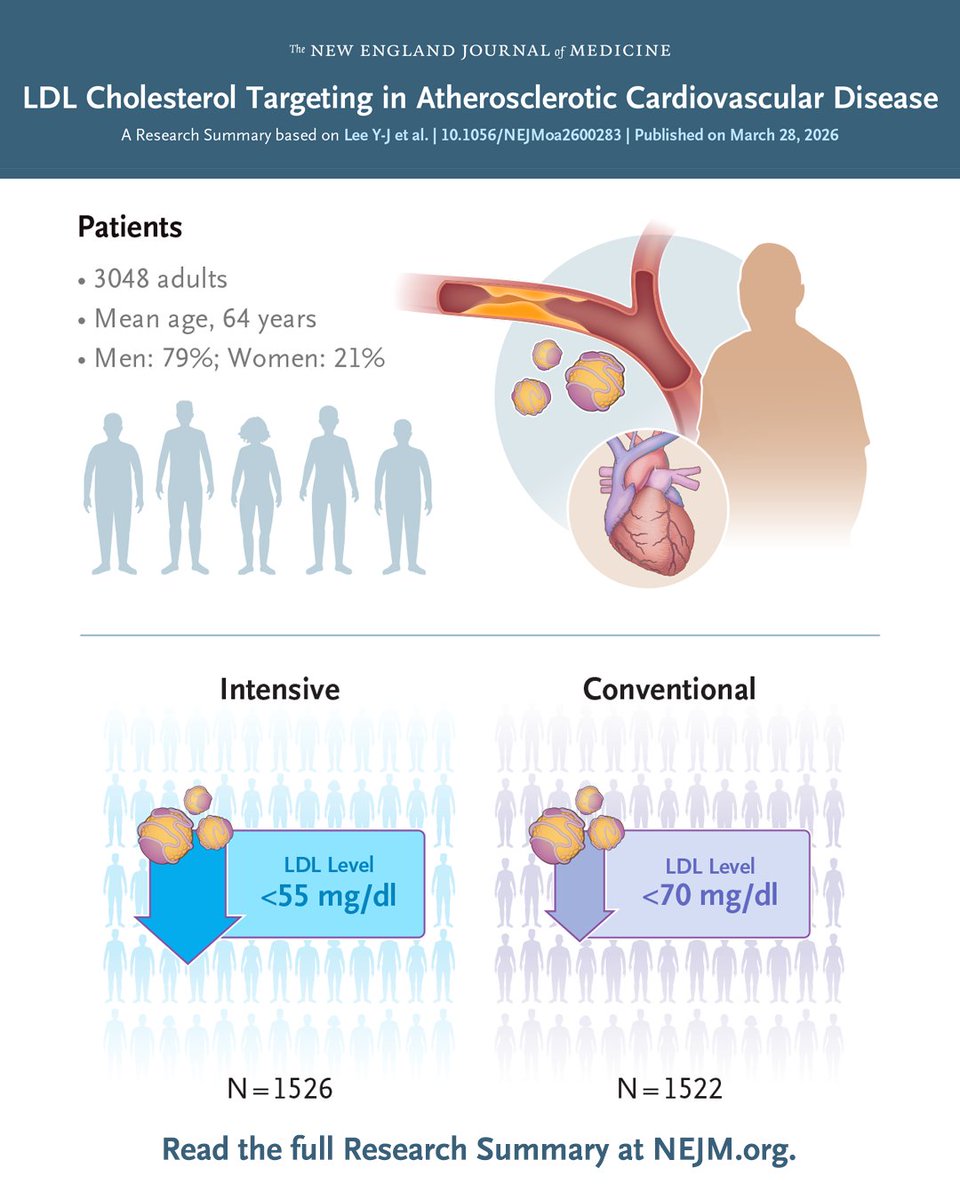
Among patients with atherosclerotic cardiovascular disease, targeting an LDL cholesterol level below 55 mg per deciliter led to a lower 3-year risk of cardiovascular events than targeting a level below 70 mg per deciliter. Full Ez-PAVE trial results and Research Summary: https://t.co/q0vNdAoJJL
🫀The failing right ventricle:
the most misunderstood chamber in critical care
For years, we focused on the left ventricle.
But in the ICU, the real killer is often the right ventricle.
->What is acute RV failure?
👉 Not just “weak contraction”
It’s a hemodynamic collapse syndrome:
RV dilation
↓ LV preload
↓ cardiac output
↑ venous congestion
➡️ → multi-organ failure
->The key pathophysiology (the vicious cycle)
1. ↑ Afterload (PE, ARDS, PH)
2. → RV dilation
3. → Septal shift → LV underfilling
4. → ↓ CO → hypotension
5. → ↓ RCA perfusion
6. → RV ischemia
👉 And the cycle accelerates
->The most important concept
👉 The RV does NOT tolerate pressure
Handles preload very well
Fails rapidly with afterload
➡️ Even small ↑ PVR → collapse
->Main causes you MUST think first
🔴 Pulmonary embolism
🔴 RV myocardial infarction
🔴 ARDS / mechanical ventilation
🔴 Decompensated pulmonary hypertension
🔴 Post-cardiac surgery
->Diagnosis is NOT obvious
There is no single sign.
👉 It requires suspicion + integration:
Clinical: congestion + hypoperfusion
ECG + biomarkers
POCUS (your best friend 🤓)
Hemodynamics
->Echo mindset (fast ICU approach)
👉 Don’t overcomplicate
Look for:
✔ RV dilation
✔ Septal shift (D-sign)
✔ TAPSE ↓
✔ Venous congestion
The real ICU mistake
❌ Treating RV failure like LV failure
->Management principles
👉 Think in 4 pillars:
1. Preload — “not too much, not too little”
Hypovolemic → small fluid
Congested → REMOVE fluid
👉 CVP is not a target, it’s a warning
2. Afterload, THE key target
✔ Treat PE
✔ Optimize ventilation
✔ Reduce PVR
👉 If afterload stays high → RV will fail
3. Contractility
Dobutamine
Milrinone
Levosimendan
👉 Choose based on context
4. Perfusion pressure
👉 Norepinephrine is your anchor
✔ Maintains coronary perfusion
✔ Supports RV function
->Ventilation: the silent killer
⚠️ Positive pressure = ↑ PVR
👉 Over-ventilate → worsen RV failure
->When nothing works
👉 Think early:
VA-ECMO
RV assist devices
🤓Key insight
This is NOT just a cardiac problem.
👉 It is a ventriculo–arterial coupling failure
When:
Ees / Ea ↓ → RV collapses
🤓Bottom line
✔ RV failure is preload dependent BUT afterload sensitive
✔ Small mistakes → rapid collapse
✔ Early recognition + physiology-based treatment saves lives
->Clinical mindset
👉 Don’t ask:
“Is the RV failing?”
👉 Ask:
“Why is the RV failing and, what is driving the afterload?”
📃Reference
Giannakoulas G. et al. European Heart Journal (2025) 00, 1–16 https://t.co/gri8ZaHHsI
🧑🏻💻Hemodynamic phenotyping 4.0:
Are we overcomplicating what we already understand?
->For decades, we’ve classified shock using physiology:
🫀 Hypovolemic → ↓ CO, ↓ filling pressures
🫀 Cardiogenic → ↓ CO, ↑ filling pressures
🫀 Distributive → ↑/normal CO, ↓ SVR
Nothing new… right?
- Now comes “phenotyping 4.0”:
👉 Machine learning
👉 AI-driven clustering
👉 Big data bedside tools
Sounds revolutionary.
But is it?
->Reality check from this paper:
⚠️ In “small data” (our daily ICU reality):
ML often reproduces classic textbook phenotypes
Sometimes with inconsistencies or misclassification
Potentially leading to wrong treatment decisions
👉 Example: labeling vasodilation when SVR is normal
👉 Or bradycardia when HR is not truly low
->So what’s the real innovation?
Not AI.
👉 How we PRESENT the data.
->Visual decision support = underestimated power
🧠 The brain processes visuals faster than numbers
📊 Graphical displays:
Improve diagnostic accuracy
Reduce cognitive load
Speed up decision-making
Reduce errors
->Key concept
Instead of:
❌ Tables of disconnected numbers
We move to:
✅ Physiological visualization
MAP = CO × SVR
CO = SV × HR
👉 See the mechanism instantly
👉 Treat faster, smarter
->Clinical insight
AI may help with:
✔️ Large datasets
✔️ Pattern discovery
But at the bedside:
👉 Physiology + visualization > black-box algorithms
->Critical warning
AI errors ≠ harmless
They can lead to:
⚠️ Wrong vasopressors
⚠️ Wrong fluids
⚠️ Wrong inotropes
👉 This is not just tech—it’s patient safety.
🤓The real “4.0” shift
Not:
🤖 More algorithms
But:
👁️ Better understanding
📊 Better visualization
🧠 Better clinical reasoning
Bottom line
AI should support clinicians.
Not replace physiology.
📃Reference
Michard F et al. Hemodynamic phenotyping 4.0. Anaesthesia Critical Care & Pain Medicine, 2026.
https://t.co/Lz9qfrMOYO
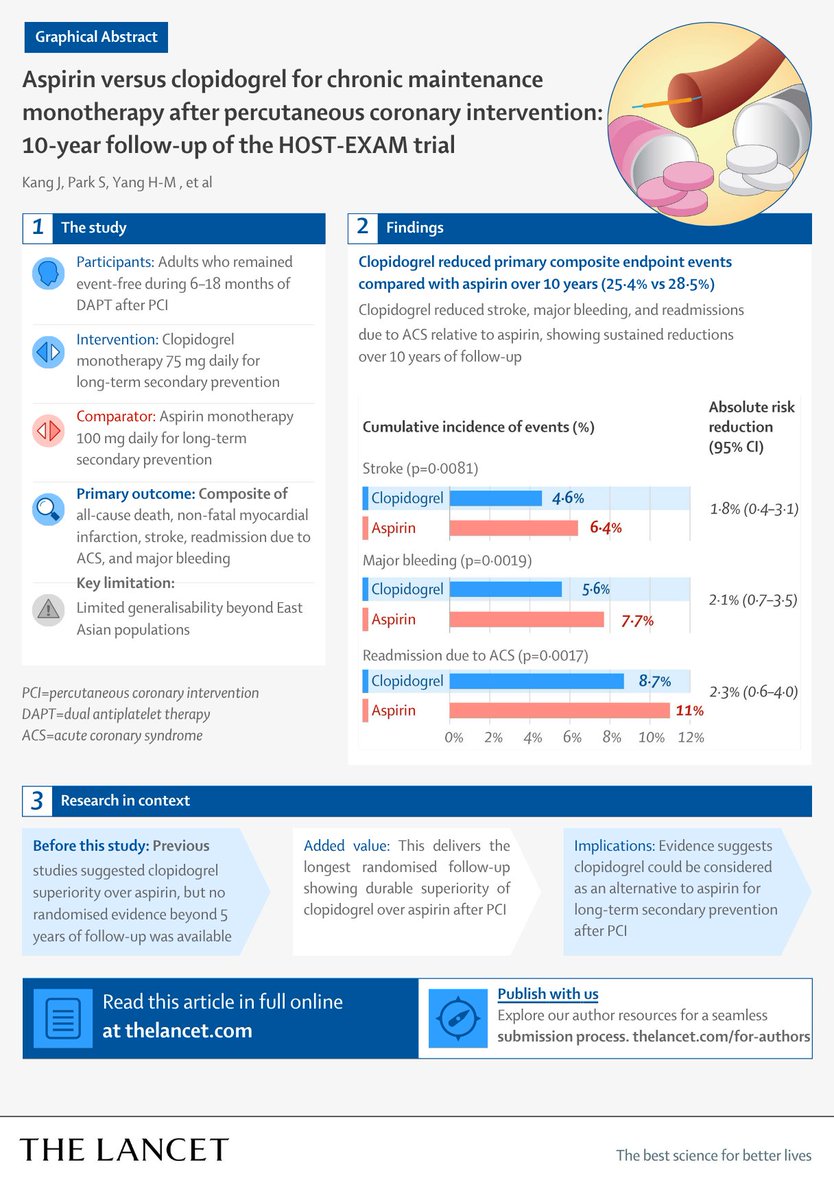
Clopidogrel vs aspirin after PCI:
10-year HOST-EXAM follow-up shows lower ischemic and bleeding events with clopidogrel—but no difference in mortality.
Read more: https://t.co/lJxVcoJxzW #ACC26
📊 Research Summary: Among adults with high-risk #diabetes and elevated LDL cholesterol but no significant atherosclerosis, adding evolocumab to statin therapy reduced first major cardiovascular events.
#ACC2026@ACCinTouch
https://t.co/8EjsMp2tMG
Que gran satisfacción haber contribuido en la nueva edición del iconico libro Brenner & Rector's The Kidney, 12th Edition 2026. En colaboración @RClaure_nefro y @gmogarcia52, que han influido profundamente en mi carrera profesional
Ya está a la venta
https://t.co/dT1HTWO7nx


![MarlonVFZR's tweet photo. ‼️🫘⚡𝗣𝗼𝘁𝗮𝘀𝗶𝗼 𝘆 𝗿𝗶𝗻̃𝗼́𝗻: 𝗺𝘂𝗰𝗵𝗼 𝗺𝗮́𝘀 𝗾𝘂𝗲 “𝘁𝗿𝗮𝘁𝗮𝗿 𝗹𝗮 𝗵𝗶𝗽𝗲𝗿𝗞” 🚨⁉️🥑🫘🍌
@Nature
👇🏼👇🏼👇🏼👇🏼
📑🔗🔑🔓
https://t.co/89ht2mBRSA
⬇️⬇️⬇️⬇️
🧵👇
📌Este review deja un mensaje potente: el potasio no solo importa por las arritmias ⚠️, sino porque el riñón lo usa para regular 𝙣𝙖𝙩𝙧𝙞𝙪𝙧𝙚𝙨𝙞𝙨, 𝙥𝙧𝙚𝙨𝙞𝙤́𝙣 𝙖𝙧𝙩𝙚𝙧𝙞𝙖𝙡 𝙮 𝙨𝙖𝙡𝙪𝙙 𝙘𝙖𝙧𝙙𝙞𝙤𝙧𝙧𝙚𝙣𝙖𝙡 🫀🩺.
👉 Dietas bajas en potasio favorecen 𝙃𝙏𝘼 𝙨𝙚𝙣𝙨𝙞𝙗𝙡𝙚 𝙖 𝙨𝙖𝙡; dietas ricas en potasio promueven 𝙣𝙖𝙩𝙧𝙞𝙪𝙧𝙚𝙨𝙞𝙨 y bajan la PA.
🧠🔁 𝙀𝙡 “𝙆 𝙨𝙬𝙞𝙩𝙘𝙝” 𝙧𝙚𝙣𝙖𝙡 𝙚𝙭𝙥𝙡𝙞𝙘𝙖 𝙢𝙪𝙘𝙝𝙞́𝙨𝙞𝙢𝙤
Cuando el potasio baja 📉, el riñón activa el 𝙉𝘾𝘾 en el túbulo distal → retiene más sodio y sube la presión 🧂⬆️🩸.
Cuando el potasio sube 📈, el NCC se frena → más natriuresis y más kaliuresis ✅
👉 El potasio no es un “electrolito aislado”: es un regulador real del manejo renal de sodio.
🫀📉 𝘿𝙞𝙚𝙩𝙖 𝙗𝙖𝙟𝙖 𝙚𝙣 𝙥𝙤𝙩𝙖𝙨𝙞𝙤 = 𝙢𝙖́𝙨 𝙧𝙞𝙚𝙨𝙜𝙤 𝙘𝙖𝙧𝙙𝙞𝙤𝙫𝙖𝙨𝙘𝙪𝙡𝙖𝙧
La revisión resume evidencia sólida de que aumentar el potasio en la dieta se asocia con:
✅ menor presión arterial
✅ menos eventos cardiovasculares
✅ menor mortalidad
Y los 𝙨𝙪𝙨𝙩𝙞𝙩𝙪𝙩𝙤𝙨 𝙙𝙚 𝙨𝙖𝙡 𝙘𝙤𝙣 𝙥𝙤𝙩𝙖𝙨𝙞𝙤 ya demostraron reducir eventos y muerte en ensayos clínicos 🌍📊.
🫘🧪 𝙀𝙡 𝙧𝙞𝙣̃𝙤́𝙣 𝙩𝙖𝙢𝙗𝙞𝙚́𝙣 𝙎𝙐𝙁𝙍𝙀 𝙘𝙤𝙣 𝙡𝙖 𝙝𝙞𝙥𝙤𝙠𝙖𝙡𝙚𝙢𝙞𝙖 𝙘𝙧𝙤́𝙣𝙞𝙘𝙖
No todo es arritmia o debilidad muscular ⚡️💪
La hipokalemia sostenida puede causar nefropatía hipokalémica, con:
🧫 inflamación tubulointersticial
🧱 fibrosis
🩸 lesión hipóxica
🧪 amoniogénesis aumentada
👉 El potasio bajo crónico puede acelerar daño renal, no solo “reflejarlo”.
🍌🥑 𝙋𝙤𝙩𝙖𝙨𝙞𝙤 𝙙𝙚 𝙖𝙡𝙞𝙢𝙚𝙣𝙩𝙤𝙨 𝙫𝙨 𝙥𝙤𝙩𝙖𝙨𝙞𝙤 𝙚𝙣 𝙨𝙪𝙥𝙡𝙚𝙢𝙚𝙣𝙩𝙤 𝙉𝙊 𝙨𝙚 𝙘𝙤𝙢𝙥𝙤𝙧𝙩𝙖𝙣 𝙞𝙜𝙪𝙖𝙡
Gran perla del artículo 👀:
🍎 𝙛𝙧𝙪𝙩𝙖𝙨 𝙮 𝙫𝙚𝙧𝙙𝙪𝙧𝙖𝙨 suelen tener 𝙥𝙤𝙘𝙤 𝙤 𝙣𝙪𝙡𝙤 𝙚𝙛𝙚𝙘𝙩𝙤 sobre la kalemia, incluso en muchos pacientes con ERC
porque traen:
🌿 menor biodisponibilidad relativa
💩 más excreción fecal
🍚 carbohidratos → más insulina → más entrada celular de K
En cambio:
🧂 𝙨𝙖𝙡𝙚𝙨 𝙚𝙣𝙧𝙞𝙦𝙪𝙚𝙘𝙞𝙙𝙖𝙨 𝙘𝙤𝙣 𝙆 y 💊 𝙨𝙪𝙥𝙡𝙚𝙢𝙚𝙣𝙩𝙤𝙨 sí suben más el potasio sérico.
⚠️📈 𝙀𝙣 𝙀𝙍𝘾 𝙚𝙡 𝙙𝙞𝙡𝙚𝙢𝙖 𝙚𝙨 𝙧𝙚𝙖𝙡: 𝙗𝙚𝙣𝙚𝙛𝙞𝙘𝙞𝙤 𝙘𝙖𝙧𝙙𝙞𝙤𝙧𝙧𝙚𝙣𝙖𝙡 𝙫𝙨 𝙧𝙞𝙚𝙨𝙜𝙤 𝙙𝙚 𝙝𝙞𝙥𝙚𝙧𝙆
El review reconoce la gran tensión clínica:
🟢 más potasio podría proteger corazón, presión y quizá riñón
🔴 pero en 𝙀𝙍𝘾, sobre todo avanzada, aumenta el riesgo de 𝙝𝙞𝙥𝙚𝙧𝙆
Además, la relación entre potasio y outcomes parece en 𝙐:
📌 tanto muy bajo como muy alto se asocian a peor pronóstico
🎯 rango “más favorable” de potasio sérico: aproximadamente 𝟰.𝟬–𝟰.𝟱 𝙢𝙢𝙤𝙡/𝙇.
🛠️💊 𝙀𝙡 𝙛𝙪𝙩𝙪𝙧𝙤 𝙥𝙧𝙤𝙗𝙖𝙗𝙡𝙚𝙢𝙚𝙣𝙩𝙚 𝙣𝙤 𝙨𝙚𝙖 “𝙧𝙚𝙨𝙩𝙧𝙞𝙣𝙜𝙞𝙧 𝙥𝙤𝙩𝙖𝙨𝙞𝙤 𝙖 𝙩𝙤𝙙𝙤𝙨”, 𝙨𝙞𝙣𝙤 𝙥𝙚𝙧𝙢𝙞𝙩𝙞𝙧𝙡𝙤 𝙘𝙤𝙣 𝙚𝙨𝙩𝙧𝙖𝙩𝙚𝙜𝙞𝙖
El paper plantea una idea muy práctica y moderna:
✅ usar 𝙗𝙞𝙣𝙙𝙚𝙧𝙨 𝙙𝙚 𝙥𝙤𝙩𝙖𝙨𝙞𝙤
✅ mantener 𝙍𝘼𝘼𝙎𝙞/𝙈𝙍𝘼 cuando sea posible
✅ aprovechar fármacos renoprotectores como 𝙎𝙂𝙇𝙏𝟮𝙞 y quizá 𝙂𝙇𝙋-𝟭 𝙍𝘼 para reducir riesgo de hiperK
👉 La meta no debería ser solo “evitar hiperpotasemia”, sino permitir que más pacientes se beneficien de una estrategia cardiorrenal integral 🫀🫘✨.
‼️Si te sirve: ❤️ Me gusta | 🔁 Repost | ➕ Follow para más #MedED en #ClubCrit 😄🧠🫶
📚📖 Más en el blog #ClubCrit 👉 [https://t.co/NFkn3orUOs]
#ClubCrit #Hypertension #NCC #Electrolytes #Cardiology #Nephrology #Potassium #CKD #Hypokalemia #Hyperkalemia #Nutrition #Cardiorenal #CritCareMed #POCUS #VExUS #ICU #CriticalCare #CuidadoCrítico #MedTwitter #CritCare #Diagnóstico #icu #intensivecare #diagnosis #management #UCI #Tratamiento #MedicinaBasadaEnEvidencia #MedEd #Medicina #FOAMed #FOAMcc #MedX #IntensiveCare #EducaciónMédica #MedIntensiva #MedXCommunity #MedicinaCrítica #MedED #CritCare #ICUmanagement #MustRead #LecturaRecomendada](https://pbs.twimg.com/media/HFyYRrPWMAASLV-.jpg)
![MarlonVFZR's tweet photo. ‼️🫘⚡𝗣𝗼𝘁𝗮𝘀𝗶𝗼 𝘆 𝗿𝗶𝗻̃𝗼́𝗻: 𝗺𝘂𝗰𝗵𝗼 𝗺𝗮́𝘀 𝗾𝘂𝗲 “𝘁𝗿𝗮𝘁𝗮𝗿 𝗹𝗮 𝗵𝗶𝗽𝗲𝗿𝗞” 🚨⁉️🥑🫘🍌
@Nature
👇🏼👇🏼👇🏼👇🏼
📑🔗🔑🔓
https://t.co/89ht2mBRSA
⬇️⬇️⬇️⬇️
🧵👇
📌Este review deja un mensaje potente: el potasio no solo importa por las arritmias ⚠️, sino porque el riñón lo usa para regular 𝙣𝙖𝙩𝙧𝙞𝙪𝙧𝙚𝙨𝙞𝙨, 𝙥𝙧𝙚𝙨𝙞𝙤́𝙣 𝙖𝙧𝙩𝙚𝙧𝙞𝙖𝙡 𝙮 𝙨𝙖𝙡𝙪𝙙 𝙘𝙖𝙧𝙙𝙞𝙤𝙧𝙧𝙚𝙣𝙖𝙡 🫀🩺.
👉 Dietas bajas en potasio favorecen 𝙃𝙏𝘼 𝙨𝙚𝙣𝙨𝙞𝙗𝙡𝙚 𝙖 𝙨𝙖𝙡; dietas ricas en potasio promueven 𝙣𝙖𝙩𝙧𝙞𝙪𝙧𝙚𝙨𝙞𝙨 y bajan la PA.
🧠🔁 𝙀𝙡 “𝙆 𝙨𝙬𝙞𝙩𝙘𝙝” 𝙧𝙚𝙣𝙖𝙡 𝙚𝙭𝙥𝙡𝙞𝙘𝙖 𝙢𝙪𝙘𝙝𝙞́𝙨𝙞𝙢𝙤
Cuando el potasio baja 📉, el riñón activa el 𝙉𝘾𝘾 en el túbulo distal → retiene más sodio y sube la presión 🧂⬆️🩸.
Cuando el potasio sube 📈, el NCC se frena → más natriuresis y más kaliuresis ✅
👉 El potasio no es un “electrolito aislado”: es un regulador real del manejo renal de sodio.
🫀📉 𝘿𝙞𝙚𝙩𝙖 𝙗𝙖𝙟𝙖 𝙚𝙣 𝙥𝙤𝙩𝙖𝙨𝙞𝙤 = 𝙢𝙖́𝙨 𝙧𝙞𝙚𝙨𝙜𝙤 𝙘𝙖𝙧𝙙𝙞𝙤𝙫𝙖𝙨𝙘𝙪𝙡𝙖𝙧
La revisión resume evidencia sólida de que aumentar el potasio en la dieta se asocia con:
✅ menor presión arterial
✅ menos eventos cardiovasculares
✅ menor mortalidad
Y los 𝙨𝙪𝙨𝙩𝙞𝙩𝙪𝙩𝙤𝙨 𝙙𝙚 𝙨𝙖𝙡 𝙘𝙤𝙣 𝙥𝙤𝙩𝙖𝙨𝙞𝙤 ya demostraron reducir eventos y muerte en ensayos clínicos 🌍📊.
🫘🧪 𝙀𝙡 𝙧𝙞𝙣̃𝙤́𝙣 𝙩𝙖𝙢𝙗𝙞𝙚́𝙣 𝙎𝙐𝙁𝙍𝙀 𝙘𝙤𝙣 𝙡𝙖 𝙝𝙞𝙥𝙤𝙠𝙖𝙡𝙚𝙢𝙞𝙖 𝙘𝙧𝙤́𝙣𝙞𝙘𝙖
No todo es arritmia o debilidad muscular ⚡️💪
La hipokalemia sostenida puede causar nefropatía hipokalémica, con:
🧫 inflamación tubulointersticial
🧱 fibrosis
🩸 lesión hipóxica
🧪 amoniogénesis aumentada
👉 El potasio bajo crónico puede acelerar daño renal, no solo “reflejarlo”.
🍌🥑 𝙋𝙤𝙩𝙖𝙨𝙞𝙤 𝙙𝙚 𝙖𝙡𝙞𝙢𝙚𝙣𝙩𝙤𝙨 𝙫𝙨 𝙥𝙤𝙩𝙖𝙨𝙞𝙤 𝙚𝙣 𝙨𝙪𝙥𝙡𝙚𝙢𝙚𝙣𝙩𝙤 𝙉𝙊 𝙨𝙚 𝙘𝙤𝙢𝙥𝙤𝙧𝙩𝙖𝙣 𝙞𝙜𝙪𝙖𝙡
Gran perla del artículo 👀:
🍎 𝙛𝙧𝙪𝙩𝙖𝙨 𝙮 𝙫𝙚𝙧𝙙𝙪𝙧𝙖𝙨 suelen tener 𝙥𝙤𝙘𝙤 𝙤 𝙣𝙪𝙡𝙤 𝙚𝙛𝙚𝙘𝙩𝙤 sobre la kalemia, incluso en muchos pacientes con ERC
porque traen:
🌿 menor biodisponibilidad relativa
💩 más excreción fecal
🍚 carbohidratos → más insulina → más entrada celular de K
En cambio:
🧂 𝙨𝙖𝙡𝙚𝙨 𝙚𝙣𝙧𝙞𝙦𝙪𝙚𝙘𝙞𝙙𝙖𝙨 𝙘𝙤𝙣 𝙆 y 💊 𝙨𝙪𝙥𝙡𝙚𝙢𝙚𝙣𝙩𝙤𝙨 sí suben más el potasio sérico.
⚠️📈 𝙀𝙣 𝙀𝙍𝘾 𝙚𝙡 𝙙𝙞𝙡𝙚𝙢𝙖 𝙚𝙨 𝙧𝙚𝙖𝙡: 𝙗𝙚𝙣𝙚𝙛𝙞𝙘𝙞𝙤 𝙘𝙖𝙧𝙙𝙞𝙤𝙧𝙧𝙚𝙣𝙖𝙡 𝙫𝙨 𝙧𝙞𝙚𝙨𝙜𝙤 𝙙𝙚 𝙝𝙞𝙥𝙚𝙧𝙆
El review reconoce la gran tensión clínica:
🟢 más potasio podría proteger corazón, presión y quizá riñón
🔴 pero en 𝙀𝙍𝘾, sobre todo avanzada, aumenta el riesgo de 𝙝𝙞𝙥𝙚𝙧𝙆
Además, la relación entre potasio y outcomes parece en 𝙐:
📌 tanto muy bajo como muy alto se asocian a peor pronóstico
🎯 rango “más favorable” de potasio sérico: aproximadamente 𝟰.𝟬–𝟰.𝟱 𝙢𝙢𝙤𝙡/𝙇.
🛠️💊 𝙀𝙡 𝙛𝙪𝙩𝙪𝙧𝙤 𝙥𝙧𝙤𝙗𝙖𝙗𝙡𝙚𝙢𝙚𝙣𝙩𝙚 𝙣𝙤 𝙨𝙚𝙖 “𝙧𝙚𝙨𝙩𝙧𝙞𝙣𝙜𝙞𝙧 𝙥𝙤𝙩𝙖𝙨𝙞𝙤 𝙖 𝙩𝙤𝙙𝙤𝙨”, 𝙨𝙞𝙣𝙤 𝙥𝙚𝙧𝙢𝙞𝙩𝙞𝙧𝙡𝙤 𝙘𝙤𝙣 𝙚𝙨𝙩𝙧𝙖𝙩𝙚𝙜𝙞𝙖
El paper plantea una idea muy práctica y moderna:
✅ usar 𝙗𝙞𝙣𝙙𝙚𝙧𝙨 𝙙𝙚 𝙥𝙤𝙩𝙖𝙨𝙞𝙤
✅ mantener 𝙍𝘼𝘼𝙎𝙞/𝙈𝙍𝘼 cuando sea posible
✅ aprovechar fármacos renoprotectores como 𝙎𝙂𝙇𝙏𝟮𝙞 y quizá 𝙂𝙇𝙋-𝟭 𝙍𝘼 para reducir riesgo de hiperK
👉 La meta no debería ser solo “evitar hiperpotasemia”, sino permitir que más pacientes se beneficien de una estrategia cardiorrenal integral 🫀🫘✨.
‼️Si te sirve: ❤️ Me gusta | 🔁 Repost | ➕ Follow para más #MedED en #ClubCrit 😄🧠🫶
📚📖 Más en el blog #ClubCrit 👉 [https://t.co/NFkn3orUOs]
#ClubCrit #Hypertension #NCC #Electrolytes #Cardiology #Nephrology #Potassium #CKD #Hypokalemia #Hyperkalemia #Nutrition #Cardiorenal #CritCareMed #POCUS #VExUS #ICU #CriticalCare #CuidadoCrítico #MedTwitter #CritCare #Diagnóstico #icu #intensivecare #diagnosis #management #UCI #Tratamiento #MedicinaBasadaEnEvidencia #MedEd #Medicina #FOAMed #FOAMcc #MedX #IntensiveCare #EducaciónMédica #MedIntensiva #MedXCommunity #MedicinaCrítica #MedED #CritCare #ICUmanagement #MustRead #LecturaRecomendada](https://pbs.twimg.com/media/HFyYRq6WIAIZIpZ.jpg)
![MarlonVFZR's tweet photo. ‼️🫘⚡𝗣𝗼𝘁𝗮𝘀𝗶𝗼 𝘆 𝗿𝗶𝗻̃𝗼́𝗻: 𝗺𝘂𝗰𝗵𝗼 𝗺𝗮́𝘀 𝗾𝘂𝗲 “𝘁𝗿𝗮𝘁𝗮𝗿 𝗹𝗮 𝗵𝗶𝗽𝗲𝗿𝗞” 🚨⁉️🥑🫘🍌
@Nature
👇🏼👇🏼👇🏼👇🏼
📑🔗🔑🔓
https://t.co/89ht2mBRSA
⬇️⬇️⬇️⬇️
🧵👇
📌Este review deja un mensaje potente: el potasio no solo importa por las arritmias ⚠️, sino porque el riñón lo usa para regular 𝙣𝙖𝙩𝙧𝙞𝙪𝙧𝙚𝙨𝙞𝙨, 𝙥𝙧𝙚𝙨𝙞𝙤́𝙣 𝙖𝙧𝙩𝙚𝙧𝙞𝙖𝙡 𝙮 𝙨𝙖𝙡𝙪𝙙 𝙘𝙖𝙧𝙙𝙞𝙤𝙧𝙧𝙚𝙣𝙖𝙡 🫀🩺.
👉 Dietas bajas en potasio favorecen 𝙃𝙏𝘼 𝙨𝙚𝙣𝙨𝙞𝙗𝙡𝙚 𝙖 𝙨𝙖𝙡; dietas ricas en potasio promueven 𝙣𝙖𝙩𝙧𝙞𝙪𝙧𝙚𝙨𝙞𝙨 y bajan la PA.
🧠🔁 𝙀𝙡 “𝙆 𝙨𝙬𝙞𝙩𝙘𝙝” 𝙧𝙚𝙣𝙖𝙡 𝙚𝙭𝙥𝙡𝙞𝙘𝙖 𝙢𝙪𝙘𝙝𝙞́𝙨𝙞𝙢𝙤
Cuando el potasio baja 📉, el riñón activa el 𝙉𝘾𝘾 en el túbulo distal → retiene más sodio y sube la presión 🧂⬆️🩸.
Cuando el potasio sube 📈, el NCC se frena → más natriuresis y más kaliuresis ✅
👉 El potasio no es un “electrolito aislado”: es un regulador real del manejo renal de sodio.
🫀📉 𝘿𝙞𝙚𝙩𝙖 𝙗𝙖𝙟𝙖 𝙚𝙣 𝙥𝙤𝙩𝙖𝙨𝙞𝙤 = 𝙢𝙖́𝙨 𝙧𝙞𝙚𝙨𝙜𝙤 𝙘𝙖𝙧𝙙𝙞𝙤𝙫𝙖𝙨𝙘𝙪𝙡𝙖𝙧
La revisión resume evidencia sólida de que aumentar el potasio en la dieta se asocia con:
✅ menor presión arterial
✅ menos eventos cardiovasculares
✅ menor mortalidad
Y los 𝙨𝙪𝙨𝙩𝙞𝙩𝙪𝙩𝙤𝙨 𝙙𝙚 𝙨𝙖𝙡 𝙘𝙤𝙣 𝙥𝙤𝙩𝙖𝙨𝙞𝙤 ya demostraron reducir eventos y muerte en ensayos clínicos 🌍📊.
🫘🧪 𝙀𝙡 𝙧𝙞𝙣̃𝙤́𝙣 𝙩𝙖𝙢𝙗𝙞𝙚́𝙣 𝙎𝙐𝙁𝙍𝙀 𝙘𝙤𝙣 𝙡𝙖 𝙝𝙞𝙥𝙤𝙠𝙖𝙡𝙚𝙢𝙞𝙖 𝙘𝙧𝙤́𝙣𝙞𝙘𝙖
No todo es arritmia o debilidad muscular ⚡️💪
La hipokalemia sostenida puede causar nefropatía hipokalémica, con:
🧫 inflamación tubulointersticial
🧱 fibrosis
🩸 lesión hipóxica
🧪 amoniogénesis aumentada
👉 El potasio bajo crónico puede acelerar daño renal, no solo “reflejarlo”.
🍌🥑 𝙋𝙤𝙩𝙖𝙨𝙞𝙤 𝙙𝙚 𝙖𝙡𝙞𝙢𝙚𝙣𝙩𝙤𝙨 𝙫𝙨 𝙥𝙤𝙩𝙖𝙨𝙞𝙤 𝙚𝙣 𝙨𝙪𝙥𝙡𝙚𝙢𝙚𝙣𝙩𝙤 𝙉𝙊 𝙨𝙚 𝙘𝙤𝙢𝙥𝙤𝙧𝙩𝙖𝙣 𝙞𝙜𝙪𝙖𝙡
Gran perla del artículo 👀:
🍎 𝙛𝙧𝙪𝙩𝙖𝙨 𝙮 𝙫𝙚𝙧𝙙𝙪𝙧𝙖𝙨 suelen tener 𝙥𝙤𝙘𝙤 𝙤 𝙣𝙪𝙡𝙤 𝙚𝙛𝙚𝙘𝙩𝙤 sobre la kalemia, incluso en muchos pacientes con ERC
porque traen:
🌿 menor biodisponibilidad relativa
💩 más excreción fecal
🍚 carbohidratos → más insulina → más entrada celular de K
En cambio:
🧂 𝙨𝙖𝙡𝙚𝙨 𝙚𝙣𝙧𝙞𝙦𝙪𝙚𝙘𝙞𝙙𝙖𝙨 𝙘𝙤𝙣 𝙆 y 💊 𝙨𝙪𝙥𝙡𝙚𝙢𝙚𝙣𝙩𝙤𝙨 sí suben más el potasio sérico.
⚠️📈 𝙀𝙣 𝙀𝙍𝘾 𝙚𝙡 𝙙𝙞𝙡𝙚𝙢𝙖 𝙚𝙨 𝙧𝙚𝙖𝙡: 𝙗𝙚𝙣𝙚𝙛𝙞𝙘𝙞𝙤 𝙘𝙖𝙧𝙙𝙞𝙤𝙧𝙧𝙚𝙣𝙖𝙡 𝙫𝙨 𝙧𝙞𝙚𝙨𝙜𝙤 𝙙𝙚 𝙝𝙞𝙥𝙚𝙧𝙆
El review reconoce la gran tensión clínica:
🟢 más potasio podría proteger corazón, presión y quizá riñón
🔴 pero en 𝙀𝙍𝘾, sobre todo avanzada, aumenta el riesgo de 𝙝𝙞𝙥𝙚𝙧𝙆
Además, la relación entre potasio y outcomes parece en 𝙐:
📌 tanto muy bajo como muy alto se asocian a peor pronóstico
🎯 rango “más favorable” de potasio sérico: aproximadamente 𝟰.𝟬–𝟰.𝟱 𝙢𝙢𝙤𝙡/𝙇.
🛠️💊 𝙀𝙡 𝙛𝙪𝙩𝙪𝙧𝙤 𝙥𝙧𝙤𝙗𝙖𝙗𝙡𝙚𝙢𝙚𝙣𝙩𝙚 𝙣𝙤 𝙨𝙚𝙖 “𝙧𝙚𝙨𝙩𝙧𝙞𝙣𝙜𝙞𝙧 𝙥𝙤𝙩𝙖𝙨𝙞𝙤 𝙖 𝙩𝙤𝙙𝙤𝙨”, 𝙨𝙞𝙣𝙤 𝙥𝙚𝙧𝙢𝙞𝙩𝙞𝙧𝙡𝙤 𝙘𝙤𝙣 𝙚𝙨𝙩𝙧𝙖𝙩𝙚𝙜𝙞𝙖
El paper plantea una idea muy práctica y moderna:
✅ usar 𝙗𝙞𝙣𝙙𝙚𝙧𝙨 𝙙𝙚 𝙥𝙤𝙩𝙖𝙨𝙞𝙤
✅ mantener 𝙍𝘼𝘼𝙎𝙞/𝙈𝙍𝘼 cuando sea posible
✅ aprovechar fármacos renoprotectores como 𝙎𝙂𝙇𝙏𝟮𝙞 y quizá 𝙂𝙇𝙋-𝟭 𝙍𝘼 para reducir riesgo de hiperK
👉 La meta no debería ser solo “evitar hiperpotasemia”, sino permitir que más pacientes se beneficien de una estrategia cardiorrenal integral 🫀🫘✨.
‼️Si te sirve: ❤️ Me gusta | 🔁 Repost | ➕ Follow para más #MedED en #ClubCrit 😄🧠🫶
📚📖 Más en el blog #ClubCrit 👉 [https://t.co/NFkn3orUOs]
#ClubCrit #Hypertension #NCC #Electrolytes #Cardiology #Nephrology #Potassium #CKD #Hypokalemia #Hyperkalemia #Nutrition #Cardiorenal #CritCareMed #POCUS #VExUS #ICU #CriticalCare #CuidadoCrítico #MedTwitter #CritCare #Diagnóstico #icu #intensivecare #diagnosis #management #UCI #Tratamiento #MedicinaBasadaEnEvidencia #MedEd #Medicina #FOAMed #FOAMcc #MedX #IntensiveCare #EducaciónMédica #MedIntensiva #MedXCommunity #MedicinaCrítica #MedED #CritCare #ICUmanagement #MustRead #LecturaRecomendada](https://pbs.twimg.com/media/HFyYRoFWcAAyiQ4.jpg)



![MarlonVFZR's tweet photo. ‼️🫘⚡𝗣𝗼𝘁𝗮𝘀𝗶𝗼 𝘆 𝗿𝗶𝗻̃𝗼́𝗻: 𝗺𝘂𝗰𝗵𝗼 𝗺𝗮́𝘀 𝗾𝘂𝗲 “𝘁𝗿𝗮𝘁𝗮𝗿 𝗹𝗮 𝗵𝗶𝗽𝗲𝗿𝗞” 🚨⁉️🥑🫘🍌
@Nature
👇🏼👇🏼👇🏼👇🏼
📑🔗🔑🔓
https://t.co/89ht2mBRSA
⬇️⬇️⬇️⬇️
🧵👇
📌Este review deja un mensaje potente: el potasio no solo importa por las arritmias ⚠️, sino porque el riñón lo usa para regular 𝙣𝙖𝙩𝙧𝙞𝙪𝙧𝙚𝙨𝙞𝙨, 𝙥𝙧𝙚𝙨𝙞𝙤́𝙣 𝙖𝙧𝙩𝙚𝙧𝙞𝙖𝙡 𝙮 𝙨𝙖𝙡𝙪𝙙 𝙘𝙖𝙧𝙙𝙞𝙤𝙧𝙧𝙚𝙣𝙖𝙡 🫀🩺.
👉 Dietas bajas en potasio favorecen 𝙃𝙏𝘼 𝙨𝙚𝙣𝙨𝙞𝙗𝙡𝙚 𝙖 𝙨𝙖𝙡; dietas ricas en potasio promueven 𝙣𝙖𝙩𝙧𝙞𝙪𝙧𝙚𝙨𝙞𝙨 y bajan la PA.
🧠🔁 𝙀𝙡 “𝙆 𝙨𝙬𝙞𝙩𝙘𝙝” 𝙧𝙚𝙣𝙖𝙡 𝙚𝙭𝙥𝙡𝙞𝙘𝙖 𝙢𝙪𝙘𝙝𝙞́𝙨𝙞𝙢𝙤
Cuando el potasio baja 📉, el riñón activa el 𝙉𝘾𝘾 en el túbulo distal → retiene más sodio y sube la presión 🧂⬆️🩸.
Cuando el potasio sube 📈, el NCC se frena → más natriuresis y más kaliuresis ✅
👉 El potasio no es un “electrolito aislado”: es un regulador real del manejo renal de sodio.
🫀📉 𝘿𝙞𝙚𝙩𝙖 𝙗𝙖𝙟𝙖 𝙚𝙣 𝙥𝙤𝙩𝙖𝙨𝙞𝙤 = 𝙢𝙖́𝙨 𝙧𝙞𝙚𝙨𝙜𝙤 𝙘𝙖𝙧𝙙𝙞𝙤𝙫𝙖𝙨𝙘𝙪𝙡𝙖𝙧
La revisión resume evidencia sólida de que aumentar el potasio en la dieta se asocia con:
✅ menor presión arterial
✅ menos eventos cardiovasculares
✅ menor mortalidad
Y los 𝙨𝙪𝙨𝙩𝙞𝙩𝙪𝙩𝙤𝙨 𝙙𝙚 𝙨𝙖𝙡 𝙘𝙤𝙣 𝙥𝙤𝙩𝙖𝙨𝙞𝙤 ya demostraron reducir eventos y muerte en ensayos clínicos 🌍📊.
🫘🧪 𝙀𝙡 𝙧𝙞𝙣̃𝙤́𝙣 𝙩𝙖𝙢𝙗𝙞𝙚́𝙣 𝙎𝙐𝙁𝙍𝙀 𝙘𝙤𝙣 𝙡𝙖 𝙝𝙞𝙥𝙤𝙠𝙖𝙡𝙚𝙢𝙞𝙖 𝙘𝙧𝙤́𝙣𝙞𝙘𝙖
No todo es arritmia o debilidad muscular ⚡️💪
La hipokalemia sostenida puede causar nefropatía hipokalémica, con:
🧫 inflamación tubulointersticial
🧱 fibrosis
🩸 lesión hipóxica
🧪 amoniogénesis aumentada
👉 El potasio bajo crónico puede acelerar daño renal, no solo “reflejarlo”.
🍌🥑 𝙋𝙤𝙩𝙖𝙨𝙞𝙤 𝙙𝙚 𝙖𝙡𝙞𝙢𝙚𝙣𝙩𝙤𝙨 𝙫𝙨 𝙥𝙤𝙩𝙖𝙨𝙞𝙤 𝙚𝙣 𝙨𝙪𝙥𝙡𝙚𝙢𝙚𝙣𝙩𝙤 𝙉𝙊 𝙨𝙚 𝙘𝙤𝙢𝙥𝙤𝙧𝙩𝙖𝙣 𝙞𝙜𝙪𝙖𝙡
Gran perla del artículo 👀:
🍎 𝙛𝙧𝙪𝙩𝙖𝙨 𝙮 𝙫𝙚𝙧𝙙𝙪𝙧𝙖𝙨 suelen tener 𝙥𝙤𝙘𝙤 𝙤 𝙣𝙪𝙡𝙤 𝙚𝙛𝙚𝙘𝙩𝙤 sobre la kalemia, incluso en muchos pacientes con ERC
porque traen:
🌿 menor biodisponibilidad relativa
💩 más excreción fecal
🍚 carbohidratos → más insulina → más entrada celular de K
En cambio:
🧂 𝙨𝙖𝙡𝙚𝙨 𝙚𝙣𝙧𝙞𝙦𝙪𝙚𝙘𝙞𝙙𝙖𝙨 𝙘𝙤𝙣 𝙆 y 💊 𝙨𝙪𝙥𝙡𝙚𝙢𝙚𝙣𝙩𝙤𝙨 sí suben más el potasio sérico.
⚠️📈 𝙀𝙣 𝙀𝙍𝘾 𝙚𝙡 𝙙𝙞𝙡𝙚𝙢𝙖 𝙚𝙨 𝙧𝙚𝙖𝙡: 𝙗𝙚𝙣𝙚𝙛𝙞𝙘𝙞𝙤 𝙘𝙖𝙧𝙙𝙞𝙤𝙧𝙧𝙚𝙣𝙖𝙡 𝙫𝙨 𝙧𝙞𝙚𝙨𝙜𝙤 𝙙𝙚 𝙝𝙞𝙥𝙚𝙧𝙆
El review reconoce la gran tensión clínica:
🟢 más potasio podría proteger corazón, presión y quizá riñón
🔴 pero en 𝙀𝙍𝘾, sobre todo avanzada, aumenta el riesgo de 𝙝𝙞𝙥𝙚𝙧𝙆
Además, la relación entre potasio y outcomes parece en 𝙐:
📌 tanto muy bajo como muy alto se asocian a peor pronóstico
🎯 rango “más favorable” de potasio sérico: aproximadamente 𝟰.𝟬–𝟰.𝟱 𝙢𝙢𝙤𝙡/𝙇.
🛠️💊 𝙀𝙡 𝙛𝙪𝙩𝙪𝙧𝙤 𝙥𝙧𝙤𝙗𝙖𝙗𝙡𝙚𝙢𝙚𝙣𝙩𝙚 𝙣𝙤 𝙨𝙚𝙖 “𝙧𝙚𝙨𝙩𝙧𝙞𝙣𝙜𝙞𝙧 𝙥𝙤𝙩𝙖𝙨𝙞𝙤 𝙖 𝙩𝙤𝙙𝙤𝙨”, 𝙨𝙞𝙣𝙤 𝙥𝙚𝙧𝙢𝙞𝙩𝙞𝙧𝙡𝙤 𝙘𝙤𝙣 𝙚𝙨𝙩𝙧𝙖𝙩𝙚𝙜𝙞𝙖
El paper plantea una idea muy práctica y moderna:
✅ usar 𝙗𝙞𝙣𝙙𝙚𝙧𝙨 𝙙𝙚 𝙥𝙤𝙩𝙖𝙨𝙞𝙤
✅ mantener 𝙍𝘼𝘼𝙎𝙞/𝙈𝙍𝘼 cuando sea posible
✅ aprovechar fármacos renoprotectores como 𝙎𝙂𝙇𝙏𝟮𝙞 y quizá 𝙂𝙇𝙋-𝟭 𝙍𝘼 para reducir riesgo de hiperK
👉 La meta no debería ser solo “evitar hiperpotasemia”, sino permitir que más pacientes se beneficien de una estrategia cardiorrenal integral 🫀🫘✨.
‼️Si te sirve: ❤️ Me gusta | 🔁 Repost | ➕ Follow para más #MedED en #ClubCrit 😄🧠🫶
📚📖 Más en el blog #ClubCrit 👉 [https://t.co/NFkn3orUOs]
#ClubCrit #Hypertension #NCC #Electrolytes #Cardiology #Nephrology #Potassium #CKD #Hypokalemia #Hyperkalemia #Nutrition #Cardiorenal #CritCareMed #POCUS #VExUS #ICU #CriticalCare #CuidadoCrítico #MedTwitter #CritCare #Diagnóstico #icu #intensivecare #diagnosis #management #UCI #Tratamiento #MedicinaBasadaEnEvidencia #MedEd #Medicina #FOAMed #FOAMcc #MedX #IntensiveCare #EducaciónMédica #MedIntensiva #MedXCommunity #MedicinaCrítica #MedED #CritCare #ICUmanagement #MustRead #LecturaRecomendada](https://pbs.twimg.com/media/HFyYRzCXMAEbY-1.jpg)